London for First-Time Visitors: The Essential Guide
Everything you need before your first trip to London: the six landmarks that earn their reputation, how to use the Tube, what things cost, and the mistakes everyone makes.
Quick Summary
Your first trip to London can feel overwhelming. The city is enormous, the transport system has its own logic, and the gap between what looks unmissable online and what is actually worth your time is significant. This guide cuts through the noise. We cover the six landmarks that genuinely live up to their reputation, the practical essentials you need to know before you arrive — Oyster cards, tipping culture, the cash situation, when to queue and when to walk — and a flexible three-day flow you can adapt to your schedule.
- Six must-see landmarks that genuinely earn their reputation
- How the Tube works: zones, Oyster cards, daily caps, and the one app you need
- Tipping culture, cash vs. contactless, and what things actually cost
- The most common first-timer mistakes and exactly how to avoid them
- A flexible three-day suggested flow adaptable to any schedule
Your Route Through London
The Six Landmarks That Earn Their Reputation
Tower of London
Priority #1If you only do one paid attraction on your first visit, make it the Tower of London. Two thousand years of English history in a single site: the Crown Jewels (including the Imperial State Crown), the White Tower (built 1078 — the oldest Norman fortress in England), the execution ground, and the ravens. Book online at GBP 32 and arrive at opening time (9 AM, Tower Hill Tube). Allow 2.5–3 hours. The Yeoman Warder tours are included and are one of the best guided experiences in the city.
Westminster: Big Ben, Parliament & Abbey
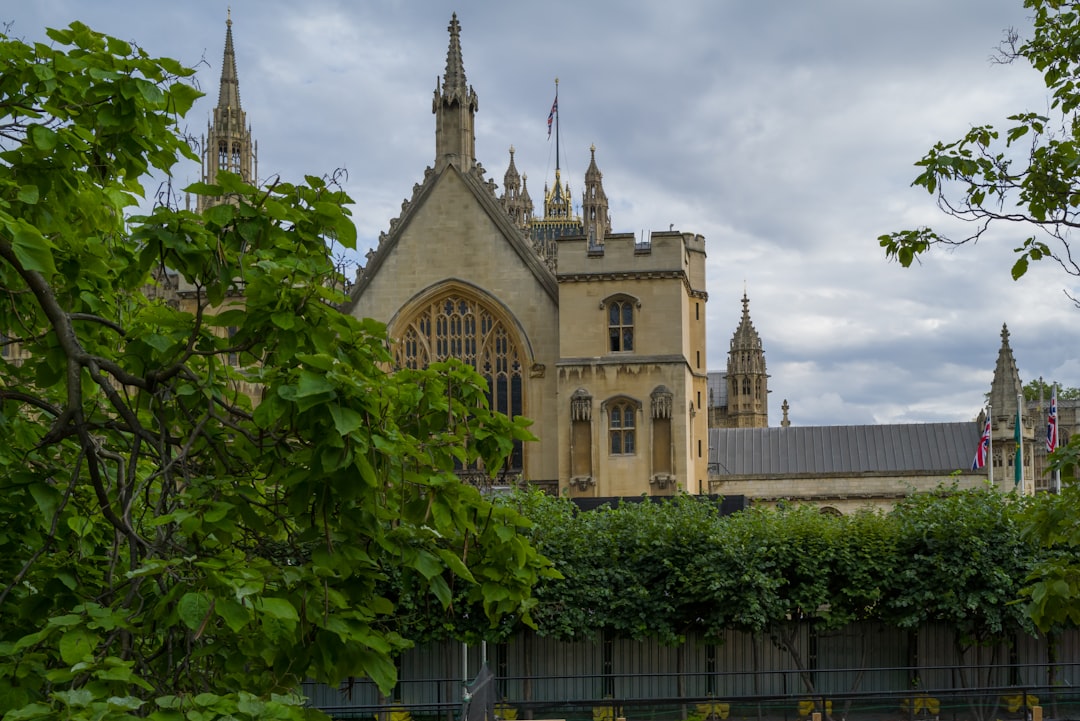
Priority #2The Westminster cluster gives you London's most recognisable skyline in a 10-minute walk: the Elizabeth Tower (Big Ben), the Houses of Parliament, Westminster Bridge, and Westminster Abbey all within 500 metres of each other. The bridge gives you the classic front-on view. Westminster Abbey (GBP 29) is where every British monarch since 1066 has been crowned — the interior is extraordinary and surprisingly quiet compared to the exterior crowds.
British Museum
Priority #3Free entry. One of the world's greatest museums: the Rosetta Stone, the Elgin Marbles, Egyptian mummies, the Lewis Chessmen, the Sutton Hoo helmet. The Great Court (Norman Foster's glass roof enclosing the inner courtyard) is one of the most beautiful public spaces in London and worth visiting on its own. Pick three rooms you care about and go deep. Trying to see everything produces the kind of forgettable blur that comes from every great museum.
Borough Market & South Bank
Priority #4Borough Market (Wednesday–Saturday, London Bridge Tube) is London's oldest food market and the best single introduction to how the city eats. Monmouth Coffee, Neal's Yard Dairy, Kappacasein grilled cheese, Roast steak sandwich. Budget GBP 15–20 for a proper grazing lunch. Pair it with the South Bank walk east to the Tate Modern (free) and you have a full afternoon that costs almost nothing and shows you one of London's best faces.
Kensington: Museums, Palace & Hyde Park
Priority #5South Kensington Tube gives you the greatest concentration of free world-class attractions in London: Natural History Museum (dinosaurs, Darwin Centre), V&A (fashion, ceramics, decorative arts), and Science Museum (space capsules, the Apollo 10 command module) all within a 5-minute walk of each other. Hyde Park (350 acres, free) connects directly, with Kensington Palace at the west end and the Serpentine Gallery on the boundary.
Tower Bridge
Priority #6You can cross Tower Bridge for free, but the glass-floored walkway 42 metres above the Thames (GBP 12, includes the Victorian engine rooms) is worth the ticket. The views upstream to the City of London and downstream to Canary Wharf are extraordinary. Combine this with the Tower of London on the same day — they are 5 minutes apart — and the combined experience is the best value full morning in London.
The Practical Essentials
The Tube: Zones, Oyster & Contactless
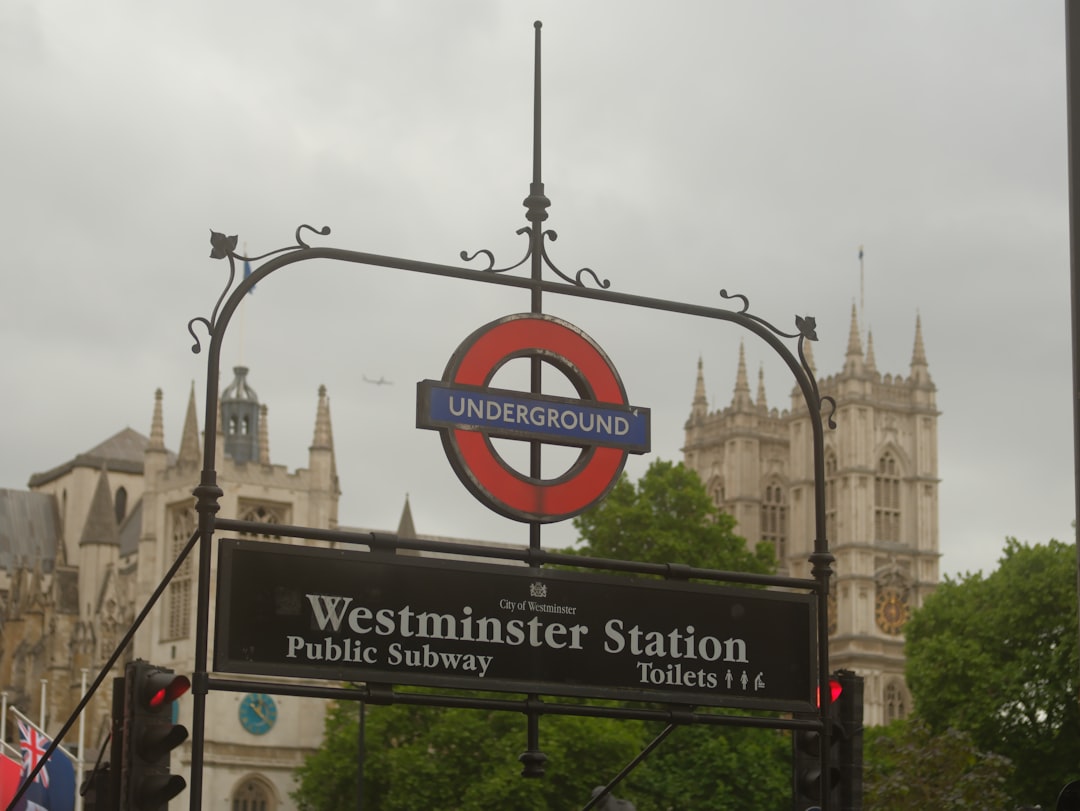
TransportThe London Underground has 11 lines and 272 stations across 9 fare zones. Almost everything a first-timer wants to see is in Zone 1. To pay: tap your contactless bank card, Apple Pay, or Google Pay on the yellow reader when entering and again when exiting (simplest option — daily cap applies automatically). Or get an Oyster card (GBP 7 refundable deposit, load with credit). A Zone 1–2 single journey is GBP 2.80. The daily cap is GBP 8.10 — after that, travel is free for the rest of the day.
Buses, DLR & the Elizabeth Line
TransportLondon buses are cashless — tap your card or Oyster. GBP 1.75 flat fare per journey regardless of distance, with a daily bus cap of GBP 5.25. Buses are slower than the Tube but you see the city. The number 15 (Trafalgar Square to Tower Hill) and the RV1 (Covent Garden to Tower Bridge) are particularly scenic routes. The Elizabeth Line (opened 2022) connects Heathrow and Paddington to Liverpool Street and beyond in 10 minutes. The DLR connects to Greenwich and London City Airport.
Cash vs. Contactless
MoneyLondon is largely cashless. Contactless payment is accepted at almost every restaurant, cafe, pub, and shop. Markets are about 50/50 — some stalls cash only, most accept cards. Carry GBP 20–30 in cash for market stalls and small independent shops; that is usually enough for an entire trip. ATMs are plentiful. If travelling from outside the UK, use a Starling, Monzo, or Wise card to avoid foreign exchange fees.
Tipping Culture in London
MoneyTipping is discretionary, not mandatory. In sit-down restaurants: 10–12.5% is standard if a service charge isn't already included (check your bill — many London restaurants add 12.5% automatically, which you can legally request to remove). In pubs: you don't tip at the bar (offer to buy the bartender a drink if you like). In taxis: rounding up or 10% is fine. In cafes with table service: small tip if you want, nothing expected. You will not be refused service for not tipping.
Best Times to Visit Key Attractions
PlanningTower of London: 9 AM weekdays. Westminster: 8:30–9:30 AM any day. British Museum: Friday evenings (open until 8:30 PM). Borough Market: Thursday–Saturday before noon. Natural History Museum: 10 AM weekdays outside school holidays. London Eye: evening before sunset. Tate Modern: midweek mornings. Hyde Park / Kensington Gardens: any morning. The South Bank walk: golden hour before sunset for best light.
Your Suggested 3-Day Flow
Day 1: Westminster, Borough Market & South Bank
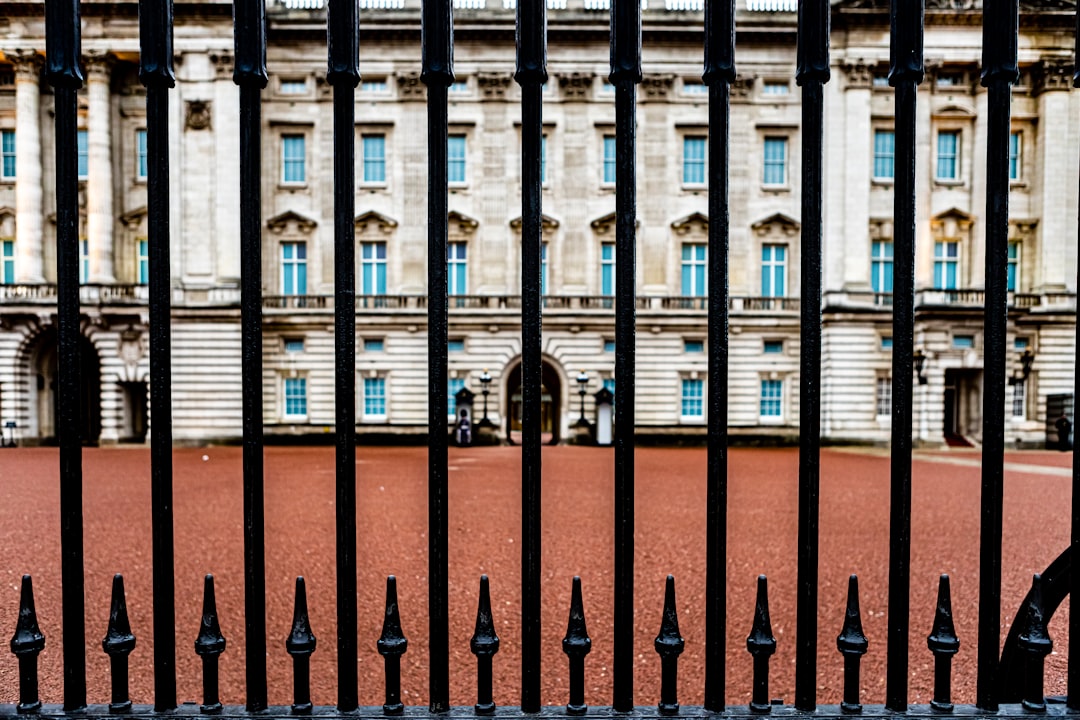
Day 1Start at Westminster (8:30 AM): Big Ben, Westminster Abbey, St James's Park, Buckingham Palace. Walk or Tube to Borough Market for lunch. Afternoon on the South Bank: Tate Modern, Millennium Bridge, Shakespeare's Globe. Evening: London Eye at sunset or the Waterloo Bridge view (free). This day is largely walkable and covers the most iconic London views.
Day 2: Tower of London, City & Shoreditch
Day 2Tower of London at 9 AM (book in advance). Tower Bridge glass walkway after. St Paul's Cathedral for the exterior or the climb. Afternoon in Shoreditch: street art, Brick Lane, vintage shopping. Dinner in Shoreditch: Dishoom is the classic choice (walk-in, put your name in when you arrive). This day moves from 1,000 years of history to London's most creative neighbourhood.
Day 3: Kensington Museums, Hyde Park & Covent Garden
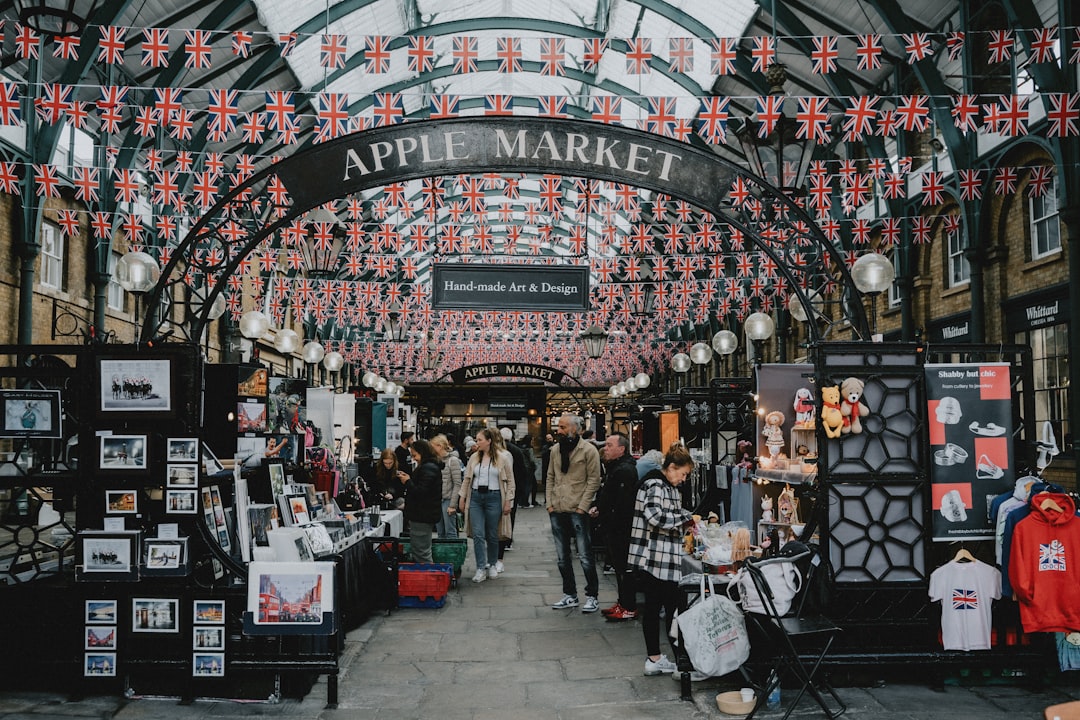
Day 3Morning at the Natural History Museum or V&A (both free, South Kensington Tube). Lunch in Hyde Park (Lido Cafe or Pret near the museums). Afternoon: Notting Hill walk or Portobello Road (Saturday only for the full market). Covent Garden for late afternoon: the piazza, Neal's Yard hidden courtyard, street performers. Evening in Soho: Old Compton Street, dinner at Bocca di Lupo or Dishoom, a show if you booked ahead.
Common First-Timer Mistakes
Avoid These1. Skipping the Tube because it looks complicated — it is not, and buses are significantly slower. 2. Spending 90 minutes at the Changing of the Guard when 20 minutes covers it. 3. Eating near major attractions (Leicester Square, Trafalgar Square, St Paul's) — walk 3–5 minutes and prices drop substantially. 4. Cramming 6 neighbourhoods into one day — London is bigger than it looks. 5. Not booking the Tower of London in advance and finding it sold out. 6. Carrying too much cash — London is almost entirely contactless.
Pro Tips for Your London Day
Book Tower of London in Advance
Sells out on busy weekends. Book online (GBP 32) at least 3 days ahead. Walk-up is GBP 5 more and may be sold out.
Use Contactless or Oyster
Daily cap is GBP 8.10 for Zone 1–2. Tap every time you enter and exit or you pay a maximum penalty fare.
Free Museums Are World-Class
British Museum, Natural History Museum, V&A, National Gallery, Tate Modern — all free, all among the best on earth. Use them aggressively.
Skip the Chains
Monmouth Coffee (Borough Market), Workshop, Ozone (Shoreditch). London has outstanding independent coffee. You are not in a Starbucks city.
Carry a Packable Waterproof
London can rain at any time of year regardless of the forecast. A packable jacket weighs nothing and saves the day about once per trip.
Download Citymapper
Significantly better than Google Maps for London. Real-time bus positions on the map, accurate walking times, offline Tube map.
Where to Eat & Drink
Curated picks along your route, from quick bites to proper meals
Borough Market
The original London food market. Wed–Sat. Kappacasein grilled cheese, Roast steak sandwich, Monmouth Coffee. Best lunch in the city at almost any price.
Dishoom
Multiple Central London locations. Walk-in only. Black daal, lamb chops, and the best naan in London. Every Londoner's recommendation for first-time visitors.
Flat Iron
GBP 12 for a properly cooked flat iron steak with a free cone of salted caramel ice cream. No reservations. The best value dinner in Central London.
Monmouth Coffee
Borough Market location. The best coffee in London. Queue at opening for the freshest roast. Stand at the bar, drink it properly, and taste what London coffee can be.
Gordon's Wine Bar
London's oldest wine bar, in a candlelit cave near Embankment. Unchanged since 1890. Shoulder to shoulder, cave walls, and good house wine. A London essential.
Customise Your Day
If it rains (and it will)
- National Gallery: free, Trafalgar Square, world's best European painting collection
- Sir John Soane's Museum: free, Lincoln's Inn Fields, a house packed with 20,000 antiquities — extraordinary
- Wellcome Collection: free, free lectures, Euston Road — thoughtful and fascinating
If you have 5 days
- Day 4: Greenwich by Thames Clipper — Cutty Sark, Royal Observatory, best London skyline view from the hill
- Day 5: Windsor Castle day trip (30 min from Paddington) or Oxford (60 min by coach)
- An evening West End show — use TKTS Leicester Square for same-day discounts
On a tight budget
- All national museums are free — they represent most of London's greatest experiences at zero cost
- Buses at GBP 1.75 flat fare (daily cap GBP 5.25) are cheaper than the Tube for short distances
- Marks & Spencer food halls near major stations for outstanding cheap lunch near attractions
Where to Stay
Westminster / South Bank
The best base for a first visit. Walking distance to the Day 1 highlights. Premier Inn County Hall (South Bank) and Premier Inn Victoria are reliable, well-located picks.
Explore neighbourhood guide →King's Cross / Bloomsbury
Great value with excellent Tube connections. Near the British Museum. 10 minutes from most Central London attractions. Good pubs and the Eurostar if you need it.
Explore neighbourhood guide →Covent Garden / Strand
The most central option. Walk to Westminster, South Bank, and Soho. More expensive but stepping outside into the middle of London has its own value for first-timers.
Explore neighbourhood guide →Frequently Asked Questions
London is one of the safer major cities for international visitors. Standard urban common sense applies: keep phones in jacket pockets on the Tube, don't leave bags unattended, and be aware in heavily touristed areas where pickpockets operate. The Metropolitan Police have a visible presence around major attractions. The vast majority of first-time visitors experience no issues whatsoever.
You can survive an entire trip to London without using cash. Contactless payment is accepted at almost every Tube station, bus, restaurant, pub, cafe, and shop. Carry GBP 20–30 for market stalls and very small independent shops where card readers aren't available. ATMs are plentiful at every high street and major station.
Tap your contactless bank card (or Oyster card) on the yellow circular reader when you enter a station and again when you exit. The correct fare is deducted automatically. A daily cap means you never pay more than GBP 8.10 for Zone 1–2 travel in a single day. Download Citymapper or the TfL Go app to plan your journeys and see real-time service status.
An Oyster card is a prepaid contactless travel card for London's Tube, buses, and trains. If your bank card supports tap-and-go contactless payments (most do), you do not need an Oyster — the fares and daily caps are identical. Get an Oyster card only if your card doesn't support contactless, or if you want a physical souvenir. The GBP 7 deposit is refundable.
London is excellent year-round. Summer (June–August) is warmest and longest daylight hours but most crowded and most expensive. Shoulder season (April–May, September–October) offers better weather than expected, fewer queues, and lower accommodation prices. Christmas (December) is magical for the decorations and markets. There is no wrong time to come — just different trade-offs.
Three days covers the essential highlights without feeling rushed. Five days lets you add Greenwich, a day trip, and a West End show. A week lets you settle in, explore neighbourhoods properly, and start feeling like a local. Most first-timers leave London planning a return trip — this is the correct response.
Tipping is discretionary in London — not mandatory or expected. 10–12.5% in sit-down restaurants if you are happy with the service and no service charge has already been added. Nothing in pubs or cafes. Nothing in taxis beyond rounding up. You will not receive hostile service for not tipping. Check your restaurant bill — a 12.5% 'discretionary' service charge is often added automatically and can be removed on request.
Get More London Itineraries
New itineraries, insider tips, and seasonal updates delivered weekly. Join 5,000+ London travellers.