Plan smarter, travel easier, and make the most of your London trip with essential guides, printable downloads, official travel tools, and practical resources for visitors.
From airport transfers and Tube maps to budgeting tips, checklists, accessibility help, and emergency info - this is your London travel command center.
Download practical London trip-planning resources created to help you prepare, stay organised, and travel with confidence.
Pre-departure checklist covering passport, ETA/visa, hotel confirmation, transport, tickets, insurance, and emergency contacts.
Seasonal packing guide for Spring, Summer, Autumn, and Winter. Layers, walking shoes, rain gear, UK plug adapter, and more.
One-page quick-start: airport arrival tips, transport payment, emergency numbers, tipping basics, and best apps.
Printable budget sheet covering flights, hotel, airport transfers, daily transport, attractions, food, and contingency.
Day-by-day planning worksheets for 3, 5, or 7-day London trips. Plan every morning, afternoon, and evening.
For parents travelling with kids: snacks, layers, charger, wipes, tickets, backup payment, portable entertainment.
Landing day walkthrough: immigration docs, airport transfer, payment ready, hotel address, offline maps, emergency contacts.
"Save this now" card with emergency numbers, NHS 111, transport updates, and reminders to keep hotel address and passport copy secure.
All 8 resources delivered to your inbox - plus our weekly London insider newsletter.
Use these official tools and resources for real-time updates, route planning, maps, and essential visitor information.
Plan journeys across Tube, bus, Overground, DLR, Elizabeth line, River Bus, tram, cycling, and walking. Includes accessibility and step-free options.
Plan a Journey →Live maps, service disruptions, arrival times, and step-free journey planning. Includes lift status and accessible toilet information. Available on iOS and Android.
Get TfL Go →TfL publishes the official Tube map, large print Tube map, step-free guide, rail and Tube services map, and central London bus routes. Link to official PDFs only - not hosted here.
View Official TfL Maps →Official Visit London hub covering visas and entry, money and currency, Oyster cards, getting around, and essential visitor information.
Visit London →Many visitors now require an Electronic Travel Authorisation (ETA) before travel. The ETA costs £10, does not guarantee entry, and must be obtained through the official UK government website only.
Check Entry Requirements →Real-time service updates, planned engineering works, and travel alerts across all TfL modes. Bookmark before your trip and check on arrival day.
Check Live Alerts →London is served by five major airports. Here’s what you need to know about getting to and from each one.
Quick-reference guide based on your priority
| Priority | Best Airport / Route | Details |
|---|---|---|
| ⚡ Fastest into central | LHR — Heathrow Express15 min | Heathrow Express to Paddington is the fastest airport rail link in London. Premium price (£25+) but unbeatable speed. |
| 💷 Cheapest transfer | LHR — Piccadilly line~£5 | The Piccadilly line (Zone 1–6) is the cheapest way into London from Heathrow. Allow 50–60 minutes and avoid peak hour with luggage. |
| 🧳 Easiest with luggage | LGW — Gatwick Expressdirect | Dedicated non-stop train with ample luggage space. No changes, no Tube. 31 minutes to Victoria with lifts at both ends. |
| 🌙 Best for late-night | STN — National Express coach24hr | Stansted’s 24-hour National Express coaches to Victoria run when trains stop. Useful for early morning and late-night budget flights. |
| 👨👩👧 Best for families | LCY — DLR / Elizabeth linestep-free | London City is small, fast, and step-free throughout. DLR directly from the terminal. No long transfers, no vast corridors. Best for families with buggies or young children. |
London’s public transport network is extensive, affordable, and mostly straightforward once you know the basics.
Contactless bank cards and Apple/Google Pay are the easiest options — tap in and out on yellow card readers. Oyster cards work the same way.
The London Underground (“the Tube”) is divided into 9 fare zones. Zone 1 is the central London core where most tourist attractions are located.
TfL has invested heavily in step-free access, though coverage varies significantly by station and line.
London is a very safe city for visitors. Know these numbers and resources before you arrive.
TfL Visitor Centres are located at key stations including Heathrow Terminals, King’s Cross St Pancras, Liverpool Street, Euston, Paddington, Victoria, and Gatwick Airport. Staff can help with Oyster cards, travel advice, Travelcard options, and attraction ticket sales.
Find a Visitor Centre →Contactless (bank card, Apple Pay, Google Pay) is the simplest option for most visitors. Fares are capped daily and weekly automatically. No deposit required. Works across Tube, bus, Overground, DLR, Elizabeth line, tram, and most National Rail in London zones.
Oyster cards are useful if your bank card doesn’t support contactless or if you’re on a long trip and want to pre-load credit. They require a £7 refundable deposit. Visitor Oyster cards are a special pre-loaded version available online before your trip.
For most visitors in 2026, contactless is the better choice — no queuing, no deposit, daily caps apply automatically.
Step-free access varies significantly across London’s transport network. Here’s how to navigate it:
Essential guidance on currency, tipping, budget planning, and public holidays to help you manage your money and time in London.
The UK uses British Pounds Sterling (£/GBP). London is largely a cashless city — contactless cards and mobile payments are accepted almost everywhere, including markets, cabs, and small shops.
Tipping is customary but not obligatory. Here’s a quick guide:
London’s best free museums, parks, markets, and attractions — no ticket required.
Explore →Budget-friendly experiences, meals, and activities across London for under £25.
Browse →Essential answers for first-time visitors: transport, tipping, safety, and getting around.
Read →Visit London publishes regularly updated budget guides and seasonal deals.
London continues to invest in inclusive access across transport, attractions, and accommodation. These resources will help you plan a comfortable trip.
Visit London’s dedicated accessibility hub provides guidance on accessible hotels, attractions, restaurants, and neighbourhoods. A strong starting point for planning.
Visit London Accessibility Hub →TfL provides staff assistance, Passenger Assist (book ahead for guaranteed help at stations), accessible bus ramps, and priority seating on all services.
TfL Accessibility →The TfL Go app includes step-free journey routing, real-time platform information, live lift status, and locations of accessible toilets across the network.
Download TfL Go →TfL publishes an official step-free Tube guide showing which stations have step-free access from street to platform. Essential for wheelchair users and those with pushchairs.
View Step-Free Map →Visit London provides guidance on hiring wheelchairs and mobility scooters for visitors who need them during their trip. Several providers offer airport delivery.
Hire Information →LVG Original — use this before your trip
London is a safe city, but it pays to know the essentials. Keep these numbers and resources handy.
For life-threatening emergencies: police, fire, ambulance. Both 999 and 112 work across the UK.
For non-urgent police matters: theft reports, lost property, noise complaints, anti-social behaviour.
For urgent but non-life-threatening medical issues. Available 24/7 by phone or online.
Call 999 for life-threatening situations. London has world-class A&E (Emergency Room) departments at hospitals across the city. For urgent but non-life-threatening issues, call NHS 111 (available 24/7) for advice and to be directed to the right care.
Visitors from outside the UK should review healthcare coverage and travel insurance before arriving. The NHS advises overseas visitors to ensure they have appropriate insurance. Some emergency treatment is available regardless of nationality, but charges may apply for ongoing care.
999 (emergency) • 101 (non-emergency police) • 111 (NHS medical) — add them to your phone contacts now. Our free Emergency Quick Card has everything on one printable page.
Regularly refreshed resources to keep your London planning current — weather, events, transport status, and seasonal essentials.
Check the Met Office London forecast for current temperatures, rainfall, and what to pack this month.
Met Office London Forecast →Browse what’s on in London right now — exhibitions, theatre, festivals, food events, and more.
Visit London Events →Bank holidays affect transport, shops, and attractions. Check the upcoming dates above in our public holidays widget.
UK Bank Holidays →Download our printable packing checklist tailored for the current London season — layers, rain gear, and essentials.
Download Checklist →Check TfL’s live service status for current disruptions, planned engineering works, and line closures before you travel.
TfL Live Status →This month’s featured printable: the London Trip Planning Checklist — everything you need before you fly.
Download Now →Quick answers to the most common questions from visitors planning a trip to London.
It depends on your nationality. As of 2026, citizens of many countries (including the US, Canada, Australia, and EU nations) need a UK Electronic Travel Authorisation (ETA) for short visits. The ETA is a quick online application and is typically approved within days. Check the official UK ETA page for the latest requirements based on your nationality.
The Tube (Underground) is the quickest way to cover long distances. Buses are great for short trips and seeing the city. The DLR and Overground serve areas the Tube doesn’t reach. Walking is often the best option — many attractions are closer together than the map suggests. Use the TfL Journey Planner to find the optimal route.
Contactless (bank card, Apple Pay, Google Pay) is the simplest option for most visitors. Fares are capped daily and weekly automatically — no deposit required. Oyster cards are useful if your bank doesn’t support contactless or you want to pre-load credit. For most visitors, contactless is the better choice. See our Getting Around London section for more detail.
Yes. London buses have been completely cashless since 2014. You must use a contactless bank card, Oyster card, or mobile payment (Apple Pay/Google Pay) to board. A single bus fare is £1.75, with a daily cap of £5.25. If you don’t have a contactless card, you can buy an Oyster card at any Tube station.
The official London Tube map is available for free from TfL’s maps page. You can download the standard map, a step-free access version, and large-print editions. The TfL Go app also includes a built-in interactive map with live service status. Paper copies are available at TfL Visitor Centres.
Call 999 (or 112) for life-threatening emergencies — this connects you to police, fire, and ambulance. For urgent but non-life-threatening medical issues, call NHS 111 (available 24/7) or visit 111.nhs.uk for online triage. See our Health & Safety section for more details and our printable Emergency Quick Card.
The UK has approximately 8 public holidays per year (called “bank holidays”). On these days, some attractions and shops operate with limited hours, and public transport may run on a reduced timetable. There is no public transport on Christmas Day and limited service on Boxing Day. Check upcoming dates above and plan ahead — popular attractions often have special holiday hours listed on their websites.
London is continuously improving accessibility. All buses are step-free. The Elizabeth line, DLR, and Overground are fully accessible. Many Tube stations now have step-free access (check TfL’s step-free map). TfL offers Passenger Assist for pre-booked help at stations. Most major attractions have accessibility provisions. See our Accessible London Resources section for a planning checklist and official links.
In-depth guides, itineraries, and insider tips to help you plan the perfect London trip.
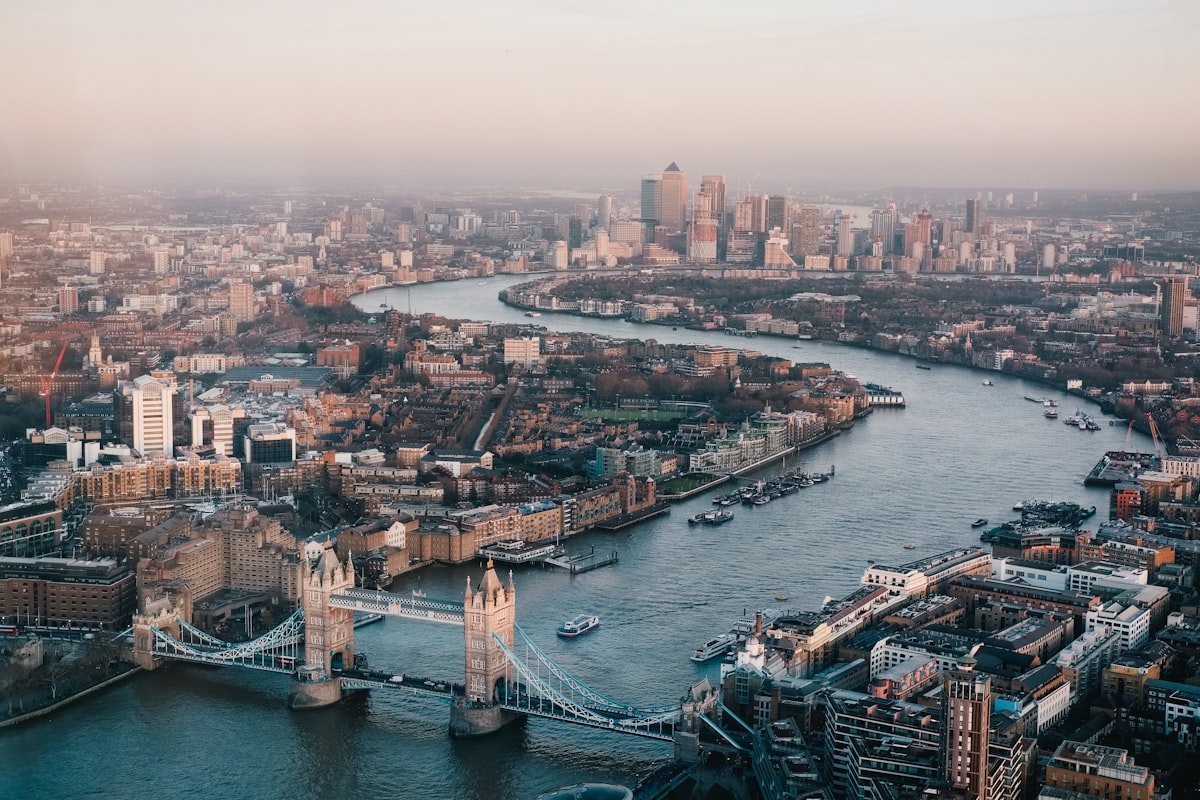
Planning your first trip to London? From the Tower of London to Borough Market, here's the essential hit-list that every first-time visitor should tackle - minus the tourist traps.
Read More →

London's restaurant scene is one of the best in the world - if you know where to look. We've done the groundwork across twelve neighborhoods so you don't have to waste a meal.
Read More →

Three days in London, done right. This itinerary covers the essential city without feeling like a checklist - built around walking, eating well, and actually understanding what makes London different.
Read More →

London is expensive, but the best of it costs nothing. World-class museums, royal parks, iconic views and vibrant markets: your complete free guide to the city.
Read More →

Beyond Buckingham Palace lies the London that locals guard quietly. Secret gardens, an underground art tunnel, a hidden marina, and more. Your insider guide.
Read More →