Neighbourhood Guide
Battersea
Trendy
AttractionsFoodCulture
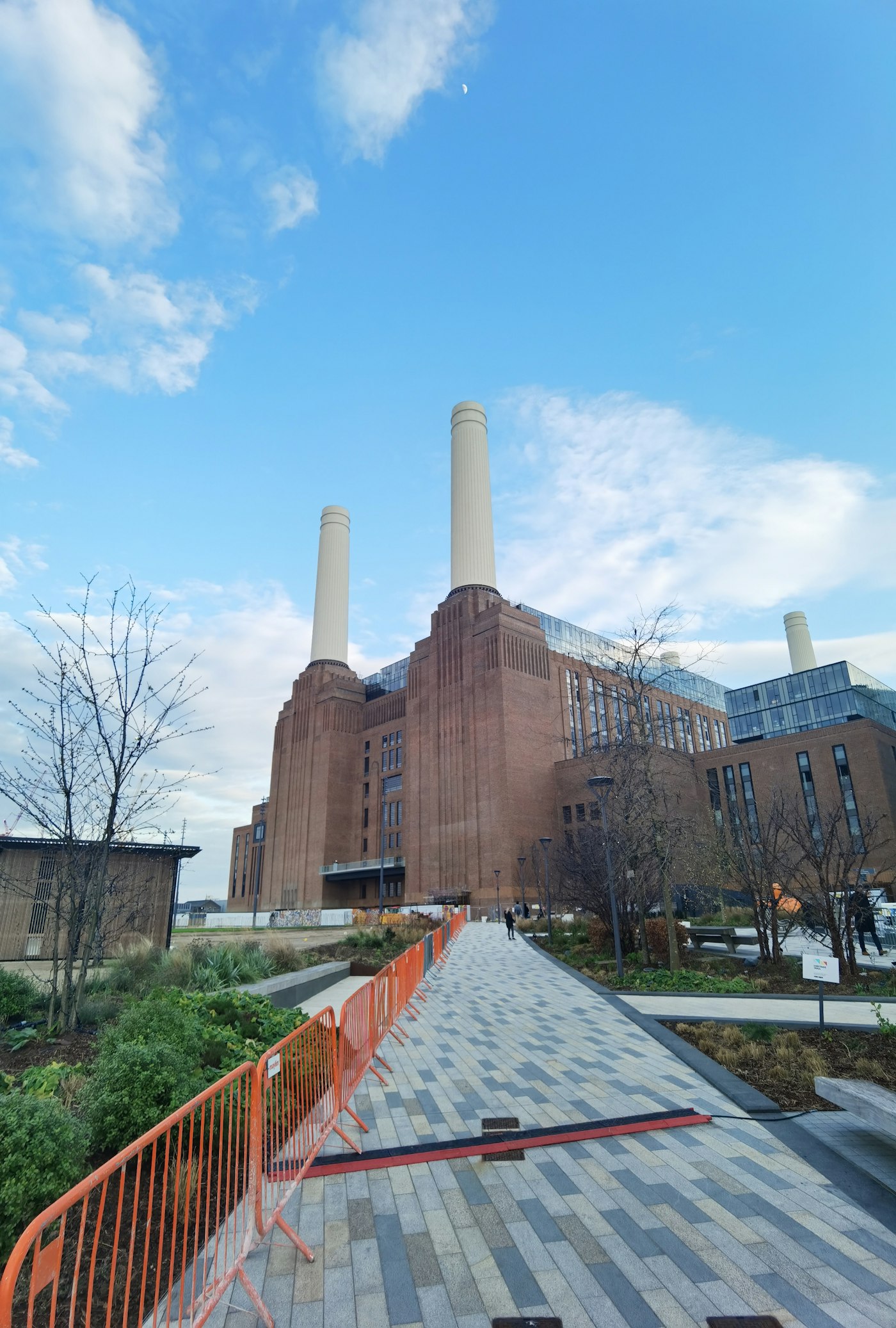
Best for the reimagined Power Station, river walks, and modern London energy. Battersea's transformation from industrial wasteland to destination neighbourhood is the story of modern London in miniature.
Curated by our editorial team. Not paid. Not sponsored. Just places we think are worth your time.
The most recognisable industrial building in London, now home to restaurants, shops, and a rooftop lift that ascends inside one of the four original chimneys to a 109-metre viewing platform. The building itself — pink Flemish bond brickwork, art deco turbine halls, original control rooms — is extraordinary. The retail development around it is exactly what you'd expect, but the architecture more than justifies the visit.
Two hundred acres of Victorian parkland on the south bank of the Thames, with a boating lake, a small zoo, a Buddhist peace pagoda, and enough riverside walking to fill an afternoon. The park has an uncommonly varied character — formal gardens near the river, woodland in the middle, sports pitches and a cycling circuit towards the south edge.
The pedestrianised high street running through the Power Station development hosts a rotating cast of restaurants and bars. Honest Burgers, Vagabond Wines, and a branch of Bao are the reliable picks. The outdoor seating along the boulevard works well on a summer evening, and the architecture provides constant visual interest.
A seasonal rooftop bar on the tenth floor of a multistorey car park in nearby Peckham — technically outside Battersea, but the view it offers of the Power Station and the south London skyline is unmatched. Open from May to September, run by a charitable arts organisation, and consistently excellent. One of the best summer evening spots in London.
The former Battersea Town Hall, a magnificent red-brick Victorian civic building on Lavender Hill, has operated as an arts centre since 1980. The programme mixes theatre, performance, and exhibitions with a deliberately experimental bent — this is where shows get developed and tested before the rest of London sees them. The Grand Hall, decorated with murals painted after a 2015 fire, is one of the most atmospheric event spaces in the city.
The riverside section of the Power Station development, directly below the building, with independent food vendors, a farmers' market on Sundays, and direct Thames access. The weekly market (Sundays, 10am–3pm) covers fresh produce, street food, and craft stalls. Less corporate than the main Power Station interior.
A 200-seat theatre built directly beneath the Power Station, on the Battersea riverside. The programming leans toward new writing and musical theatre — the kind of intimate work that disappears once it transfers to the West End. Tickets are affordable by London standards, and the riverside setting makes pre-show drinks genuinely pleasant.
Spring and summer for Battersea Park at its best — the boating lake, the rose garden, and the riverside walk all peak between May and September. The Power Station development is good year-round, though weekday mornings are significantly calmer than weekends. Frank's Café, the seasonal rooftop in Peckham, is worth planning a trip around during its May–September run.
Battersea Power Station (Northern line — Bank branch) is the direct stop, opened in 2021. Battersea Park (National Rail from London Victoria, 7 minutes) is the station for the park. Queenstown Road (National Rail from London Victoria) is useful for the Battersea Arts Centre on Lavender Hill. The 344 bus connects Battersea Power Station to London Bridge and the West End.
Browse all verified businesses, restaurants, and attractions in Battersea.
Browse Battersea Directory →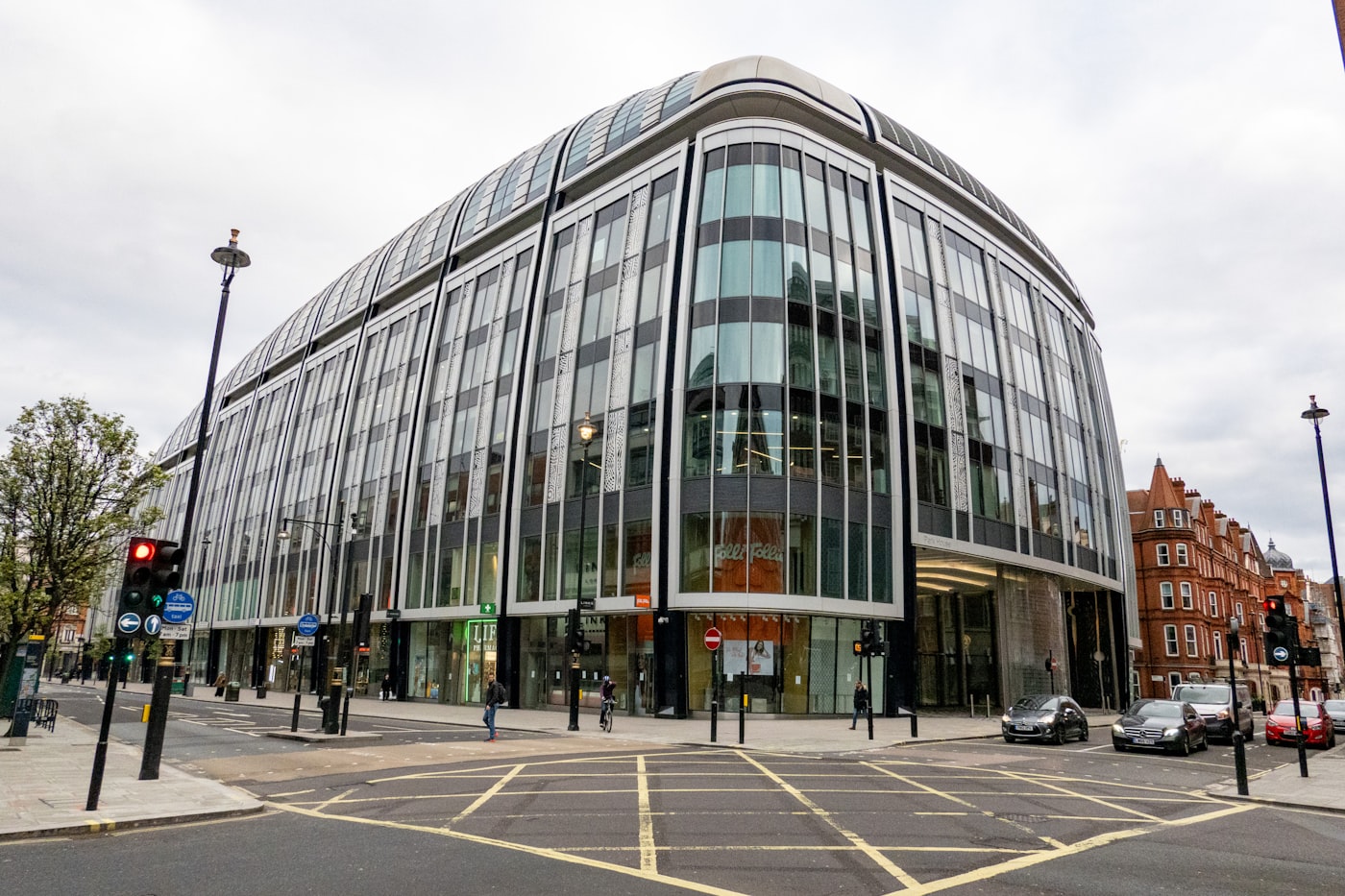
Europe's most famous shopping street - Selfridges to Primark, Liberty to John Lewis, in one relentless, exhilarating mile.
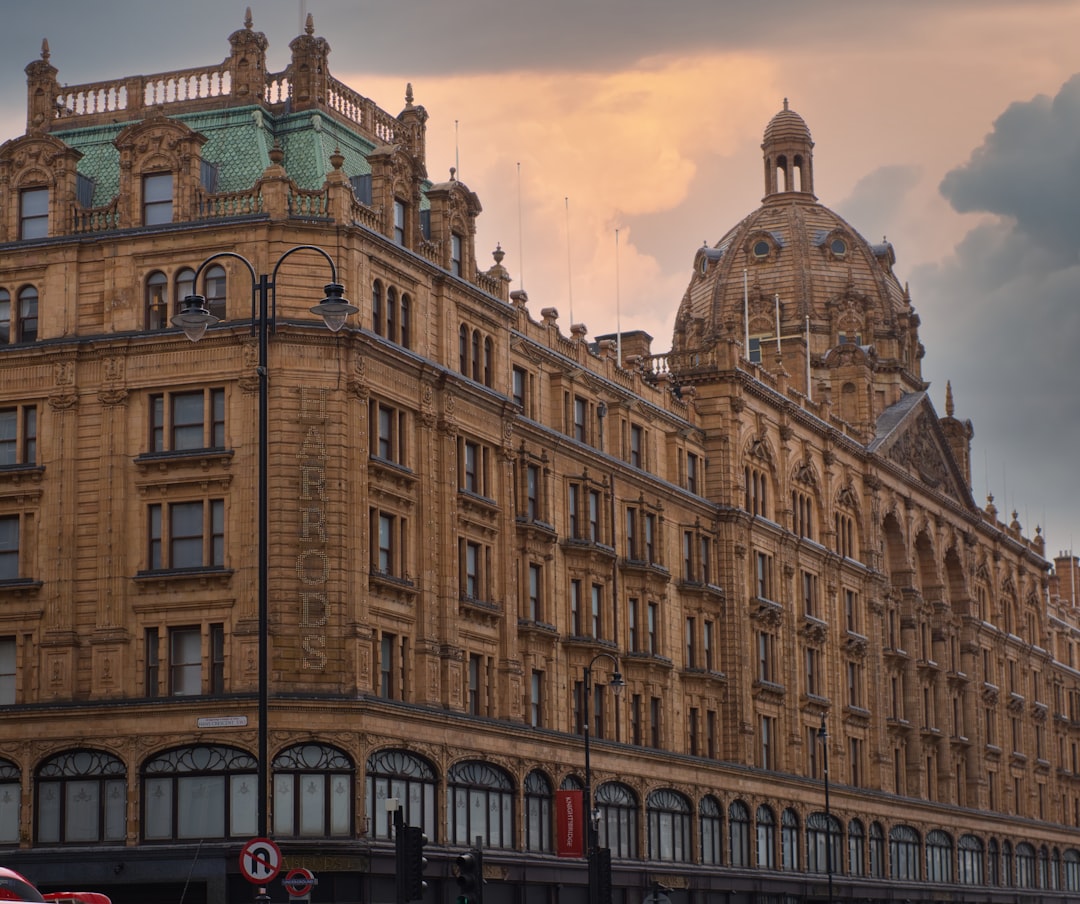
London's most unapologetically expensive neighbourhood — Harrods, five-star hotels, and the most concentrated luxury retail anywhere in the city.
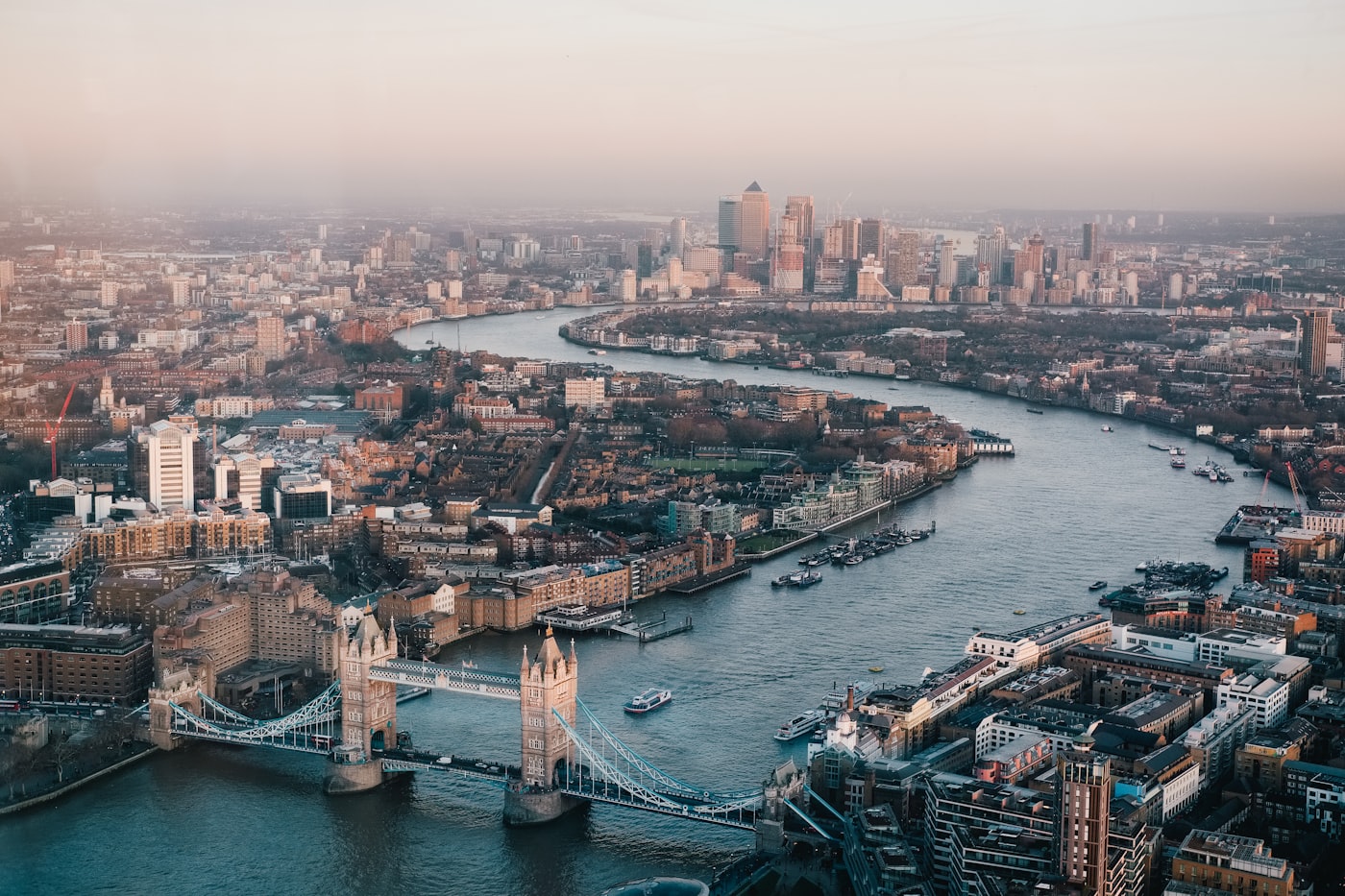
London's cultural riverfront - where world-class art, theatre, and street food share a two-mile stretch of the Thames.
North London's most liveable neighbourhood — smart but not smug, with the best stretch of independent restaurants in the city.