
Neighbourhood Guide
Piccadilly
Iconic
AttractionsShoppingCulture
Best for iconic neon lights, Regent Street shopping, and central London energy. Piccadilly Circus is one of the world's great urban crossroads — chaotic, vibrant, and unmistakably London.
Curated by our editorial team. Not paid. Not sponsored. Just places we think are worth your time.
A Regency-era covered shopping arcade built in 1819, running from Piccadilly through to Burlington Gardens. Seventy-two shops selling jewellery, cashmere, perfume, and watches, all under a skylit roof, patrolled by Beadles in Edwardian uniform. The Beadles enforce the original rules: no running, no whistling, no umbrellas open. The arcade is the most atmospherically preserved retail space in London.
The Queen's grocer since 1707, occupying a six-floor turquoise building on Piccadilly. The ground floor food hall — loose-leaf teas, hampers, rare preserves, hand-made chocolates — sets the tone. The Fountain Restaurant downstairs does afternoon tea without the preciousness of the Ritz. The Piccadilly Bar upstairs does cocktails with the same level of precision as the food department.
The oldest fine arts institution in Britain (founded 1768), occupying Burlington House on Piccadilly. The permanent collection of works presented by founding Academicians includes work by Reynolds, Gainsborough, and Constable. The Summer Exhibition — an open submission annual show held since 1769 — is one of the strangest and most democratic art events in the world. The Sackler Wing extension opened in 2018 and is excellent.
John Nash's early 19th-century processional route from Piccadilly Circus north to Oxford Circus — a unified arc of stucco Regency facades that remains one of the finest examples of urban planning in London. The stores are a mix of flagships (Liberty is at the northern end, with an extraordinary Arts and Crafts interior), Apple, and Hamleys, but the building frontages are the attraction. Walk both sides before entering anything.
Running parallel to Piccadilly one block south, Jermyn Street is where London's shirtmakers have been located since the 17th century. Turnbull & Asser, Harvie & Hudson, Emma Willis, and Hilditch & Key occupy the same stretch, alongside cheese merchants, hatters, and the Cavendish Hotel. The street operates on a different clock from the rest of central London — unhurried, craft-focused, and almost entirely about quality over volume.
The simplest of London's Royal Parks and the least visited — a long rectangle of mature plane trees and grass with no lake, no flower beds, and no formal features. The absence of ornamentation is the point. On a summer afternoon, under the trees with the light filtering through, it's one of the most peaceful places in central London, five minutes from the busiest junction in the city.
Early evening for Piccadilly Circus at its most atmospheric. Weekday mornings for Jermyn Street and Burlington Arcade before the tourist groups arrive. Summer for the Royal Academy Summer Exhibition. Avoid Saturday afternoon — Regent Street becomes difficult to move through between noon and 5pm.
Piccadilly Circus (Bakerloo, Piccadilly lines) puts you directly at the circus. Green Park (Jubilee, Victoria, Piccadilly lines) for the western end of Piccadilly street, Burlington Arcade, and Fortnum & Mason. Oxford Circus (Bakerloo, Central, Victoria lines) for the northern end of Regent Street.
Browse all verified businesses, restaurants, and attractions in Piccadilly.
Browse Piccadilly Directory →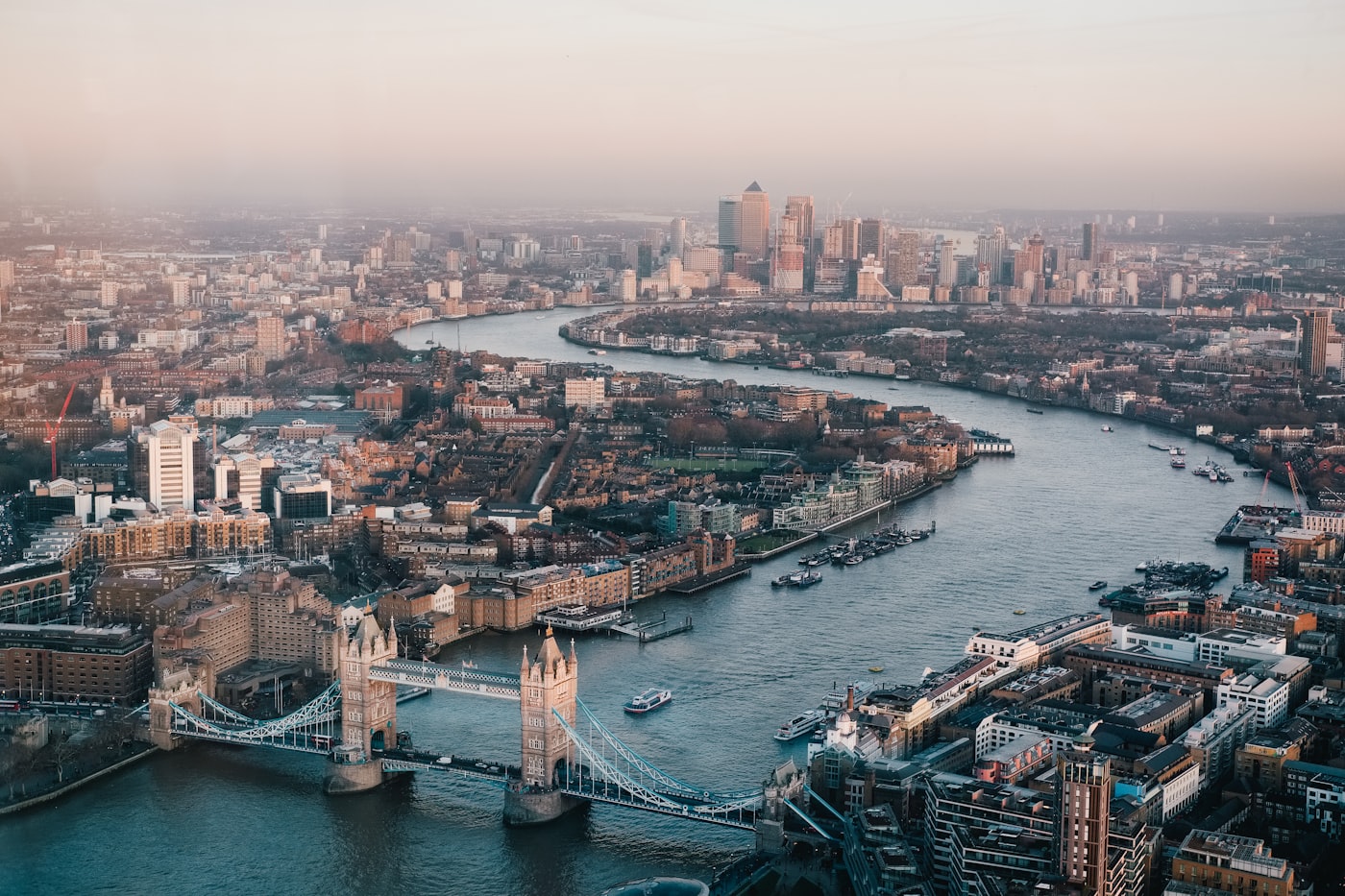
London's cultural riverfront - where world-class art, theatre, and street food share a two-mile stretch of the Thames.
Old London money and new global luxury sharing the same postcode - Bond Street, Michelin restaurants, and galleries selling paintings for millions.
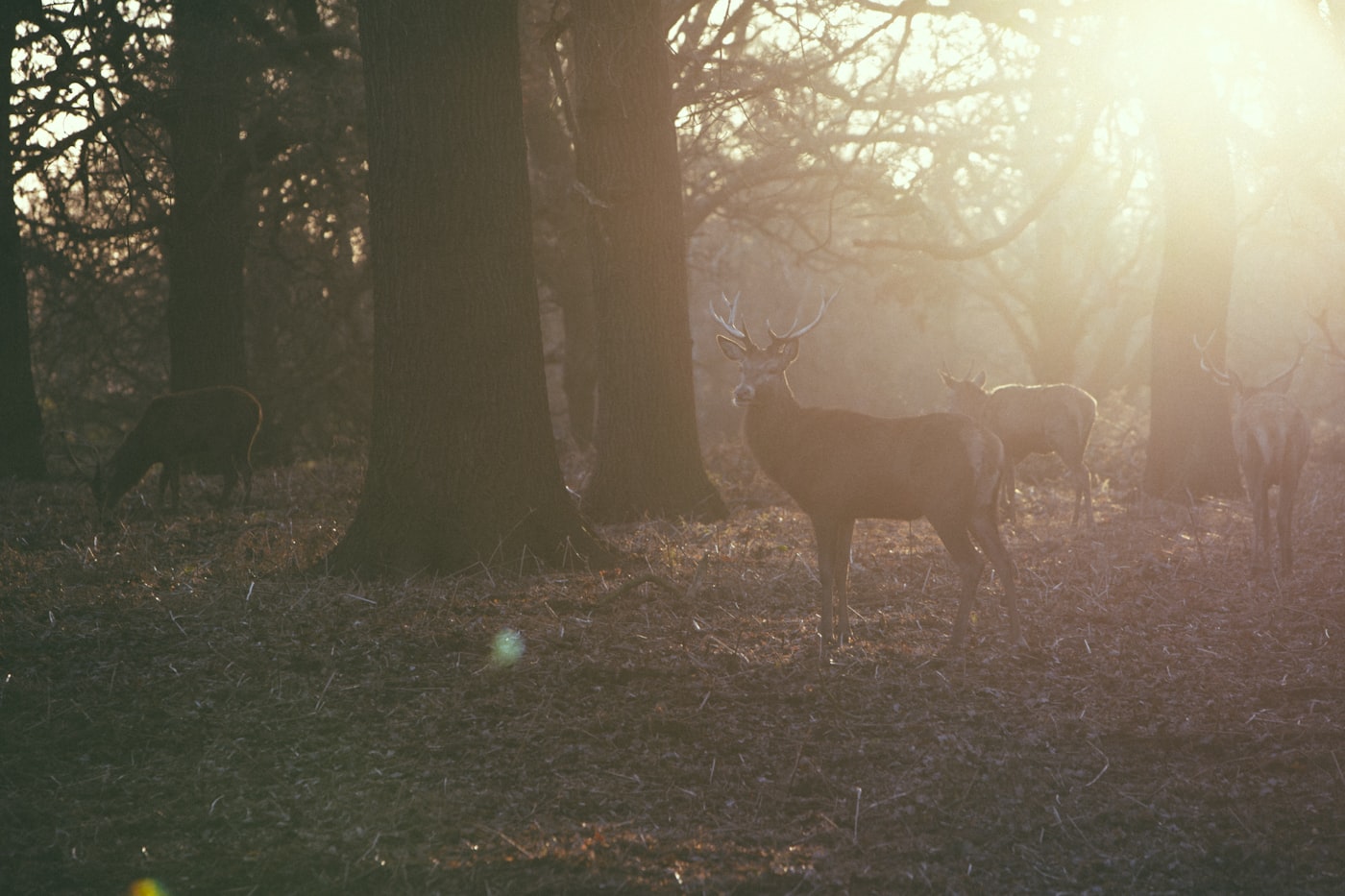
The best escape from central London — 2,500 acres of Royal Park with free-roaming deer, a Thames towpath, the view from Richmond Hill, and a village high street that hasn't sold its soul to chains.
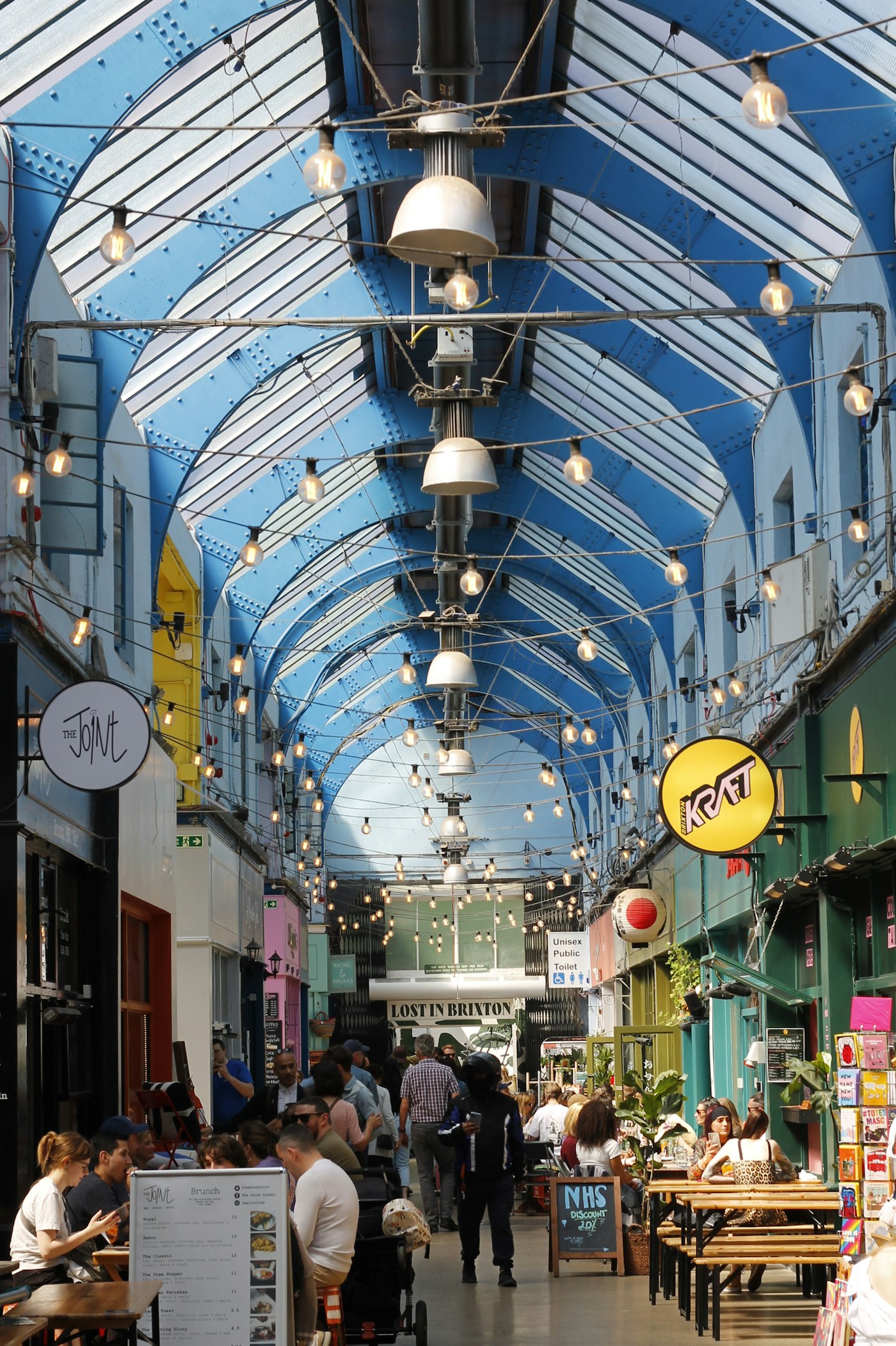
South London's most vibrant neighbourhood — Caribbean heritage, Brixton Village, the O2 Academy, and a food scene that has defined a generation.