
Neighbourhood Guide
Richmond
Local
Nature & ParksFamily Days OutCyclistsWalkersRiver Escapes
Best for escaping the city — deer in the park, Thames towpath, and village pubs. Richmond Park is London's largest royal park and one of the few places where the city genuinely disappears.
Curated by our editorial team. Not paid. Not sponsored. Just places we think are worth your time.
The largest Royal Park in London — 2,500 acres of ancient parkland with 630 free-roaming red and fallow deer. The deer are wild animals and the park management remind you of this frequently (particularly during the October-November rut, when the stags are genuinely territorial). The Isabella Plantation, a 40-acre woodland garden within the park, is exceptional in spring when the azaleas and rhododendrons are in flower. Cycling is permitted on designated routes.
The view from Richmond Hill looking south over the Thames valley is the only view in England protected by an Act of Parliament (the Richmond, Ham and Petersham Open Spaces Act 1902). Turner painted it. Reynolds lived on the hill. The protected status means the view looks today much as it did in 1750 — the Thames looping through water meadows, with no significant development in the sightline. One of the finest views in Southern England.
A Young's pub on the riverbank at Richmond, sitting directly on the Thames with a large garden that floods on exceptional tides (which the pub documents with photographs and uses as a selling point). One of the better riverside pub settings in London: wooden benches on the terrace, the river in front, the willow trees trailing in the water, a proper pint. Simple food — sandwiches, fish and chips — that is appropriate rather than ambitious.
The Royal Botanic Gardens at Kew — officially a UNESCO World Heritage Site — are twenty minutes' walk north of Richmond station along the Thames towpath. 326 acres of landscaped gardens and glasshouses, including the Victorian Palm House, the Temperate House (the world's largest surviving Victorian glasshouse), and the treetop walkway 18 metres above the ground. The seasonal flowering — bluebells in spring, the waterlilies in the Waterlily House in summer — is calibrated to be excellent year-round.
The riverside development between Richmond Bridge and the town centre, built in a pastiche Georgian style in the 1980s but successful in creating a genuinely pleasant pedestrian precinct along the Thames. Restaurants and cafes line the water. The pedestrian bridge to Eel Pie Island (a car-free private island) is upstream. Richmond Bridge itself — 1777, Portland stone, five elliptical arches — is the focal point.
A weekly farmers' market on Heron Square (behind Richmond station) operating every Saturday morning, year-round. Seventy-odd local producers selling meat, vegetables, cheese, bread, and prepared food. The beef from the Windsor Park farm stall and the bread from the sourdough baker are the reliable anchors. The market is modest in scale compared to Portobello but the sourcing quality is consistently higher.
October for the deer rut. May for the Isabella Plantation azaleas. Any early morning for Richmond Park at its best. Saturday morning for the farmers' market and a river walk. Summer evenings for the White Cross garden and riverside restaurants. Avoid Richmond on sunny bank holidays — it's a natural draw for half of South London and gets very crowded.
Richmond (District line, London Overground, South West Trains from Waterloo) is the main station — a twenty-five minute District line journey from Earl's Court, thirty minutes from Waterloo by train. The park gates are a fifteen-minute walk south of the station. North Sheen (South West Trains) is also useful for the northern park entrances.
Browse all verified businesses, restaurants, and attractions in Richmond.
Browse Richmond Directory →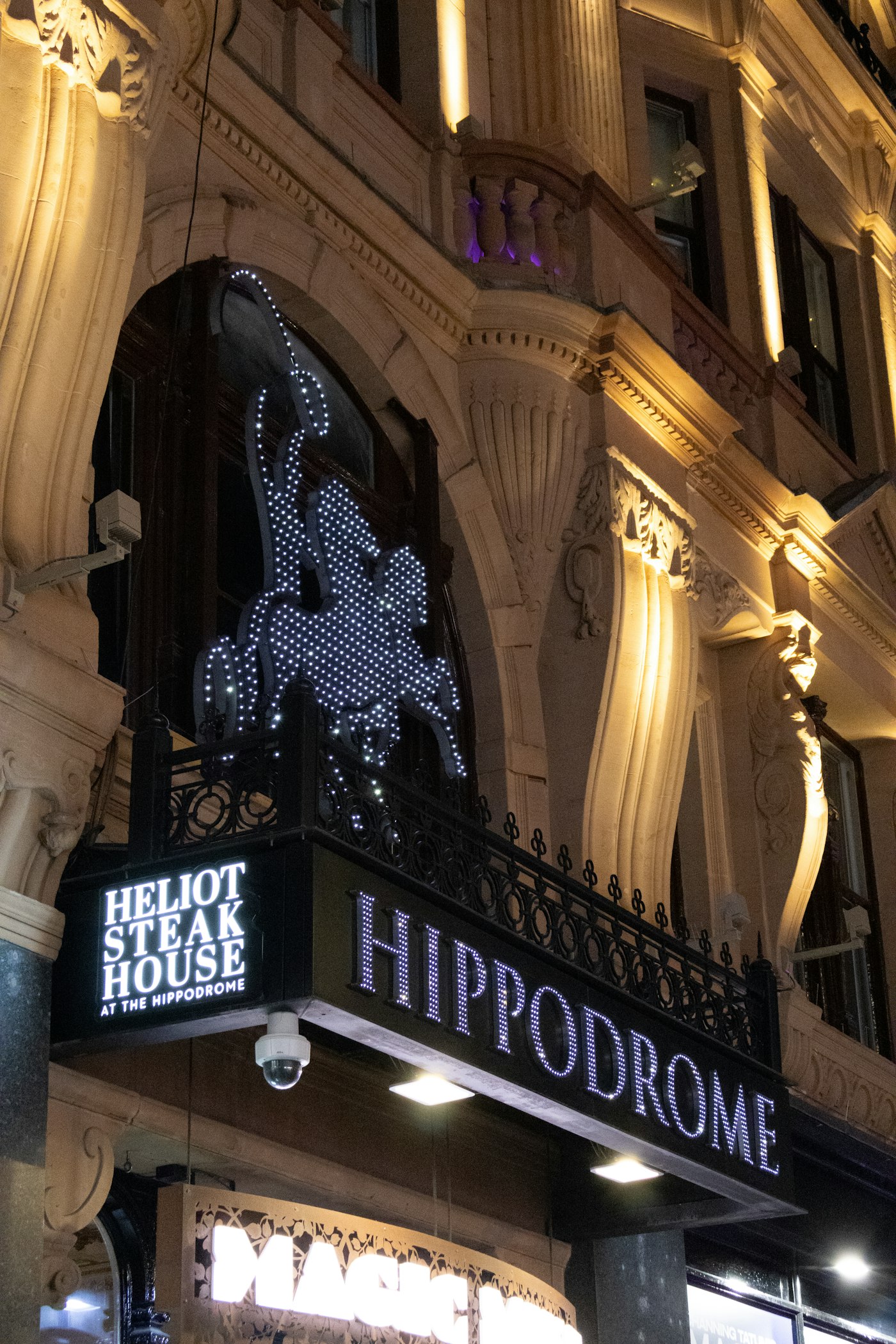
London's entertainment heartland - film premieres, West End musicals, and the city's most concentrated nightlife in a single square.
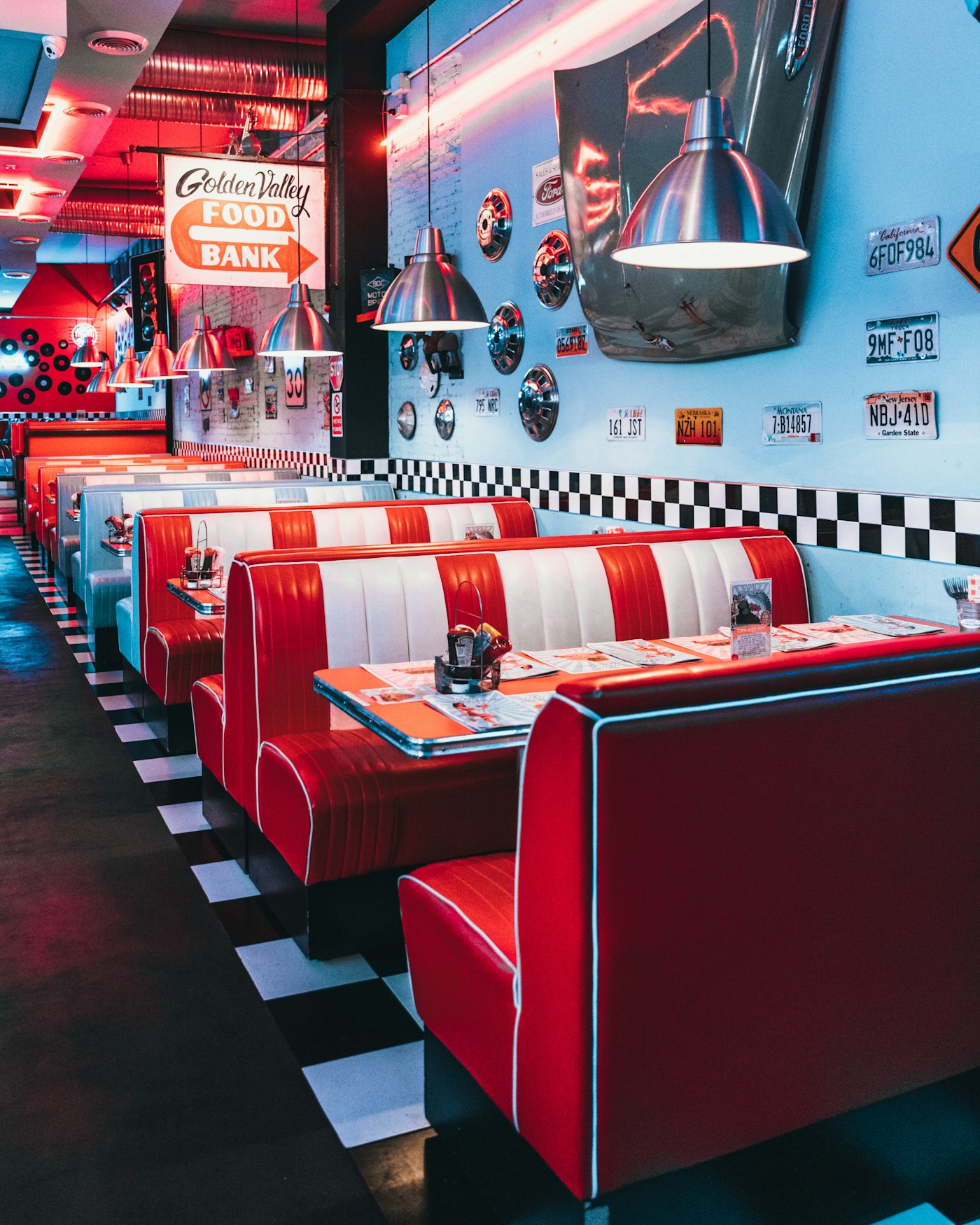
North London's market town turned global counterculture destination — chaotic, loud, and completely itself.
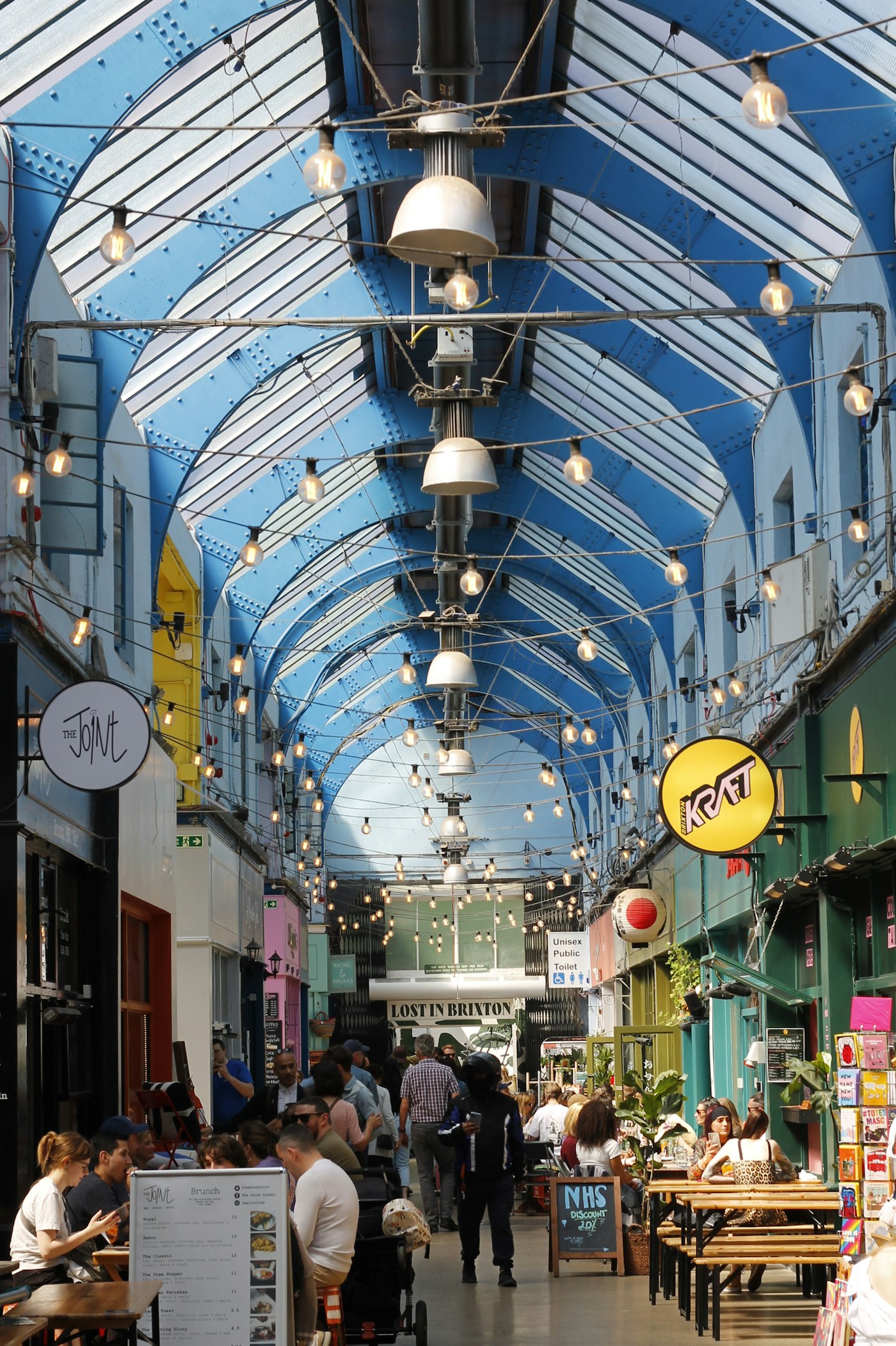
South London's most vibrant neighbourhood — Caribbean heritage, Brixton Village, the O2 Academy, and a food scene that has defined a generation.
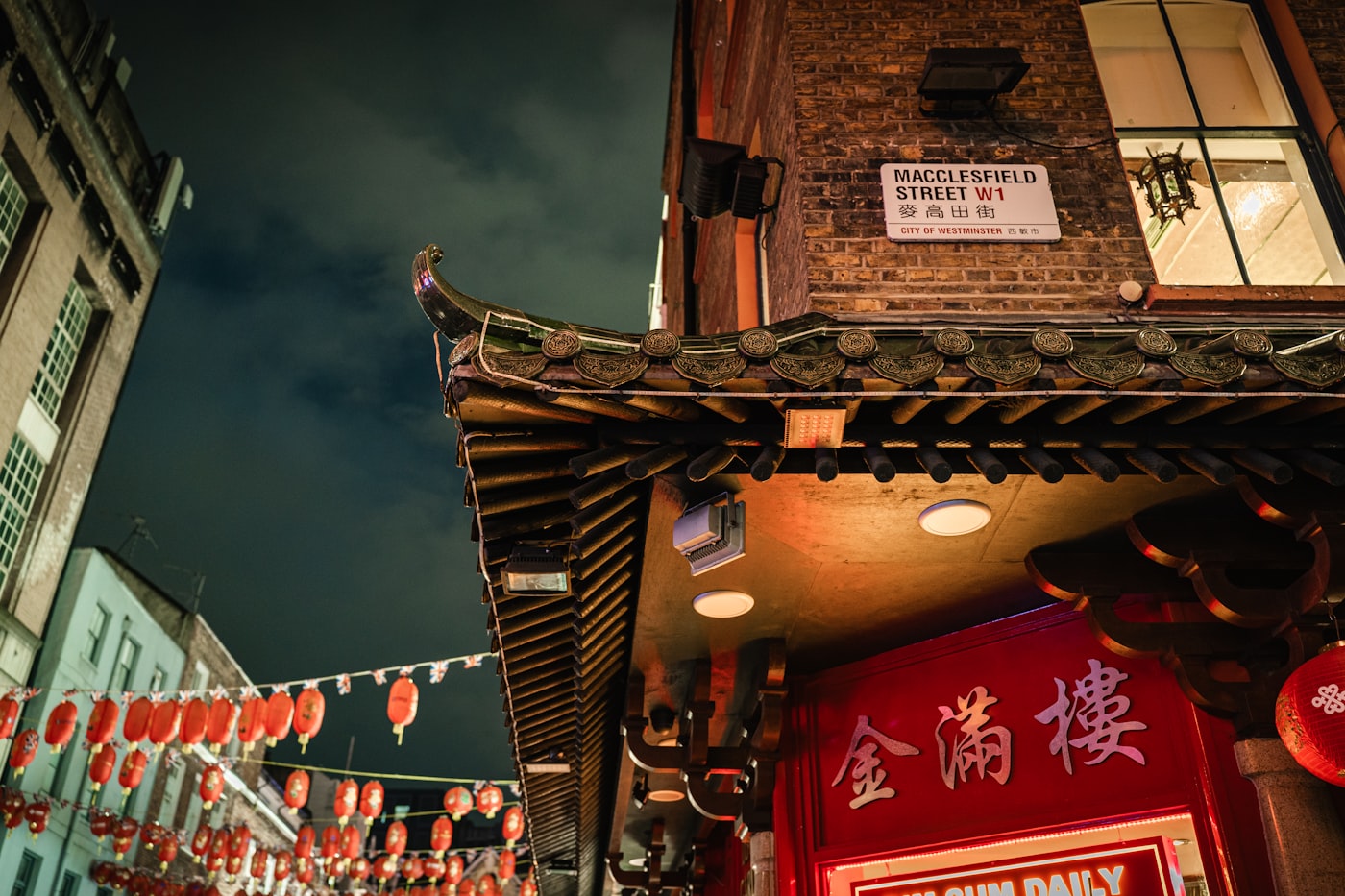
London's engine room for late nights, new restaurants, and the kind of energy that refuses to wind down before 3am.