
Neighbourhood Guide
South Kensington
Historic
MuseumsCultureAttractions
Best for a world-class museum cluster — three majors within a 5-minute walk. South Kensington's museum mile (the V&A, Natural History Museum, and Science Museum) is one of the great free cultural resources on earth.
Curated by our editorial team. Not paid. Not sponsored. Just places we think are worth your time.
One of the finest natural history collections in the world, housed in Alfred Waterhouse's 1881 Romanesque masterpiece. The blue whale skeleton in the central hall, the Vault (minerals, gemstones, and the Koh-i-Noor diamond model), the Earth Galleries, and the Darwin Centre housing 80 million specimens. Free admission to the permanent collection. The architecture alone — the central hall with its carved stone creatures, the towers and arches of the facade — is worth the visit.
The world's largest museum of art and design — 145 galleries, 2.3 million objects, spanning 5,000 years of human creativity. The Cast Courts contain full-scale plaster casts of Trajan's Column and Michelangelo's David. The fashion galleries are the best permanent fashion exhibition in the UK. The jewellery, metalwork, ceramics, and furniture collections are each individually world-class. Free entry to the permanent collection. Plan two visits minimum.
The national collection of science, technology, and medicine — free entry to most of the permanent collection. The Making the Modern World gallery, ground floor, contains the most concentrated collection of significant objects in Britain: Stephenson's Rocket, the Apollo 10 command module, Arkwright's spinning machine, Watson and Crick's DNA model, Babbage's difference engine. The IMAX theatre and the interactive galleries cost extra and are worth it for children.
The Victorian concert hall opened in 1871, seating 5,272 in a circular auditorium with a distinctive glass-and-iron dome. Home of the BBC Proms (July to September), which sells arena (standing) tickets on the door for £8 on the day of performance. The building runs guided tours (most days) that access the royal boxes, the Grand Tier, and the backstage areas. The acoustics have been controversial and much improved by the addition of acoustic diffuser mushrooms in 1969.
The street running south from Hyde Park through the museum quarter — redesigned in 2012 as a shared surface with flush kerbs and a minimalist paving pattern. The design is controversial but the effect works: the Natural History Museum, the V&A, and the Science Museum are all visible simultaneously from the south end. The underground passage connecting the tube station to the museums is covered in a geometric mosaic.
A Polish restaurant on Thurloe Street that has been operating since 1947, frequented at various times by Cold War exiles, Polish expatriates, and the occasional defector. The beetroot soup, the bigos (hunter's stew), the pierogi, and the apple pancakes are the dish anchors. The atmosphere — low-lit, formally served, slightly time-warped — is part of the experience as much as the food.
Weekday mornings for all three museums before the school groups arrive. October for the Wildlife Photographer of the Year exhibition at the Natural History Museum. July to September for BBC Proms evening concerts. Avoid school holidays if crowds concern you — the museums are among London's top family destinations and school holiday weeks can be very busy.
South Kensington (Circle, District, Piccadilly lines) is the main station — the underground passage exits into Exhibition Road, directly between the museums. Gloucester Road (Circle, District, Piccadilly lines) is a five-minute walk and useful if South Kensington is busy. The museums are also a twenty-minute walk from Hyde Park Corner.
Browse all verified businesses, restaurants, and attractions in South Kensington.
Browse South Kensington Directory →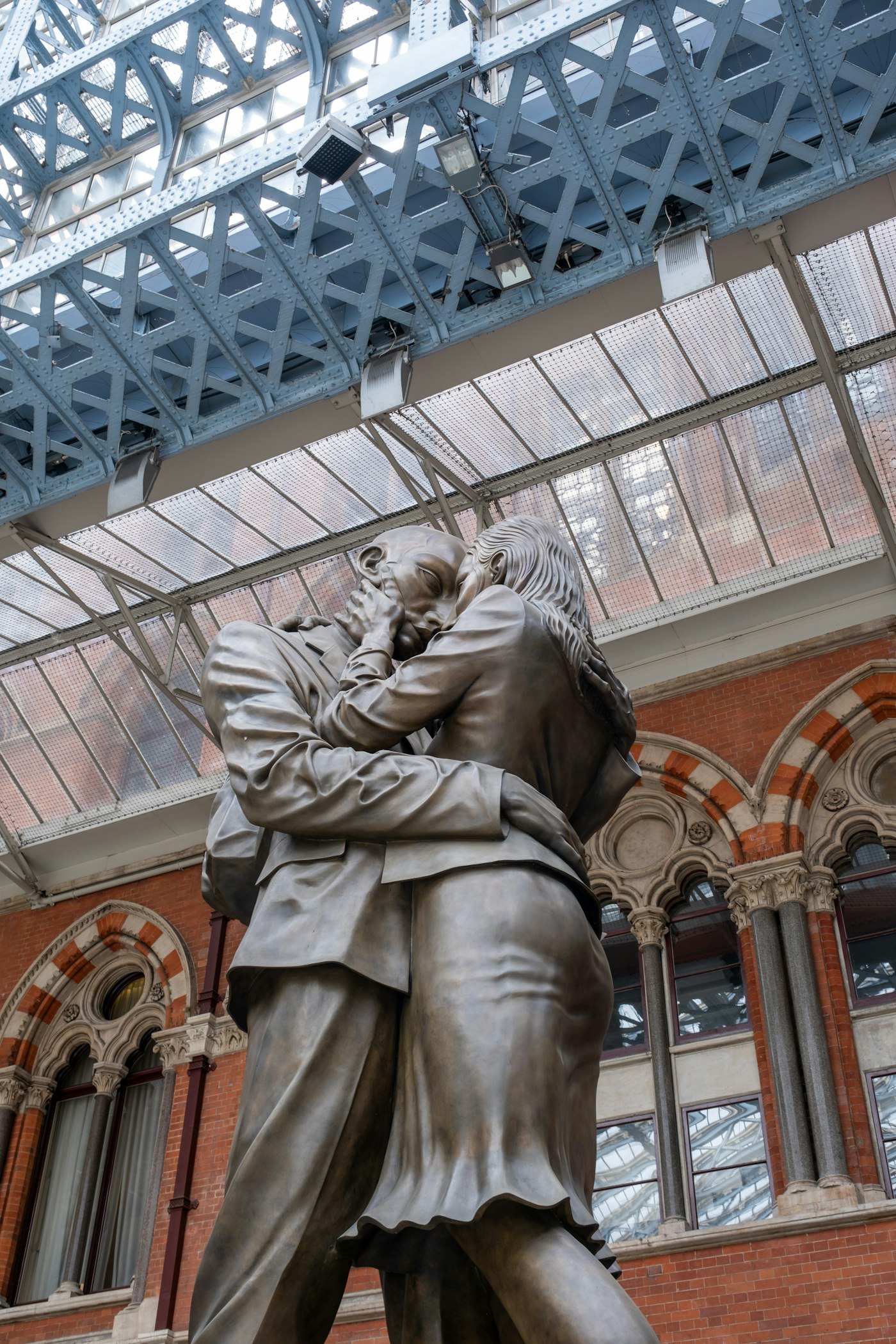
London's most dramatic regeneration story - a Victorian Gothic station, a canal basin, and Coal Drops Yard where postindustrial space became destination dining.
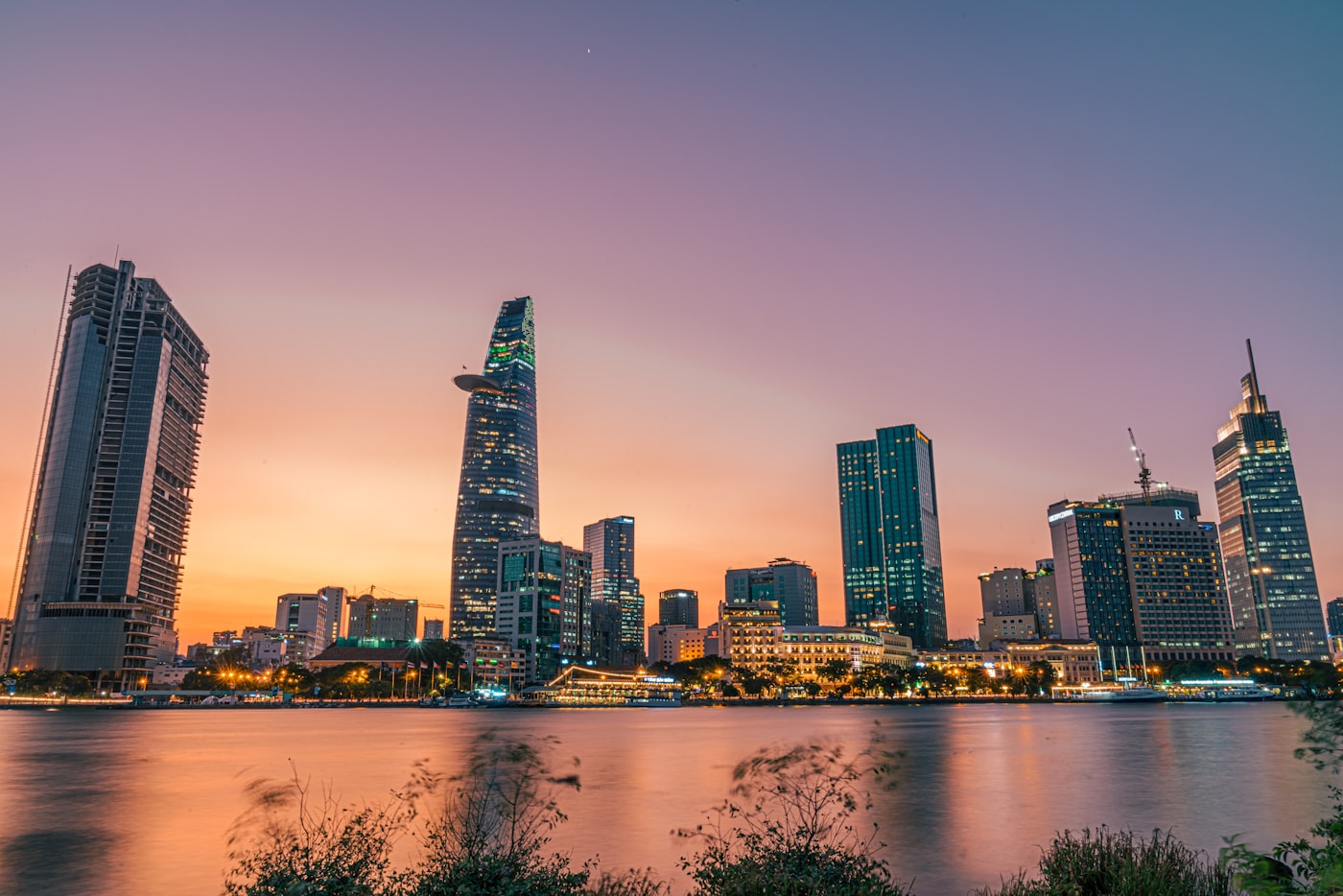
Europe's financial capital in miniature — glass towers, outdoor sculpture, and a surprising amount of excellent food.
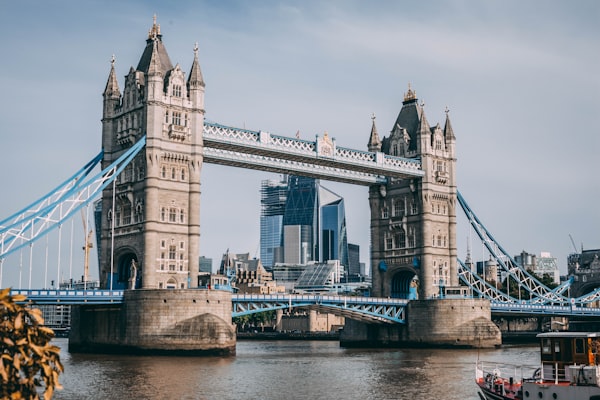
The neighbourhood where ancient and modern London meet — Borough Market's thousand-year history, the Shard's glass spike, and the riverside walk between them.
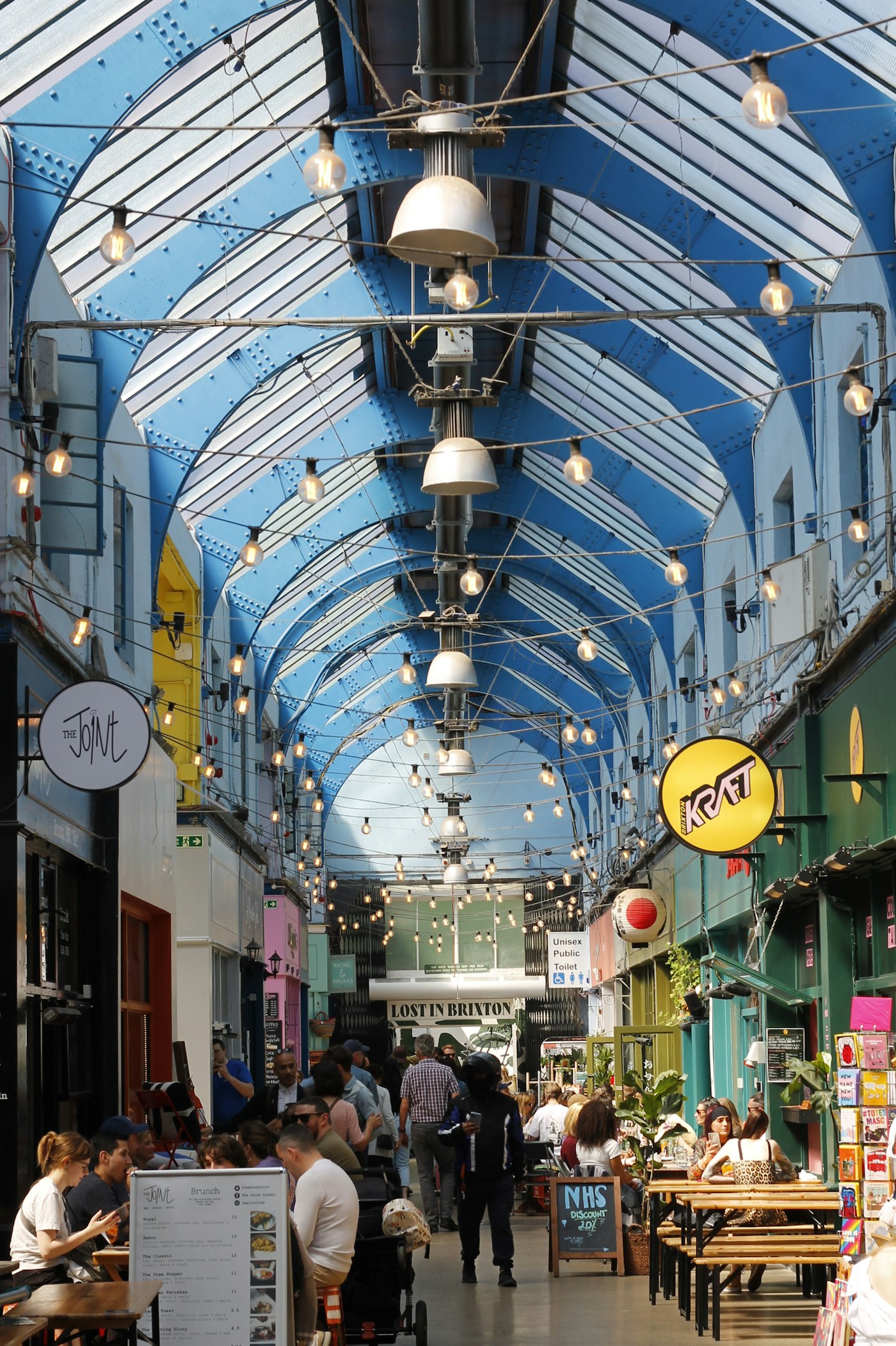
South London's most vibrant neighbourhood — Caribbean heritage, Brixton Village, the O2 Academy, and a food scene that has defined a generation.