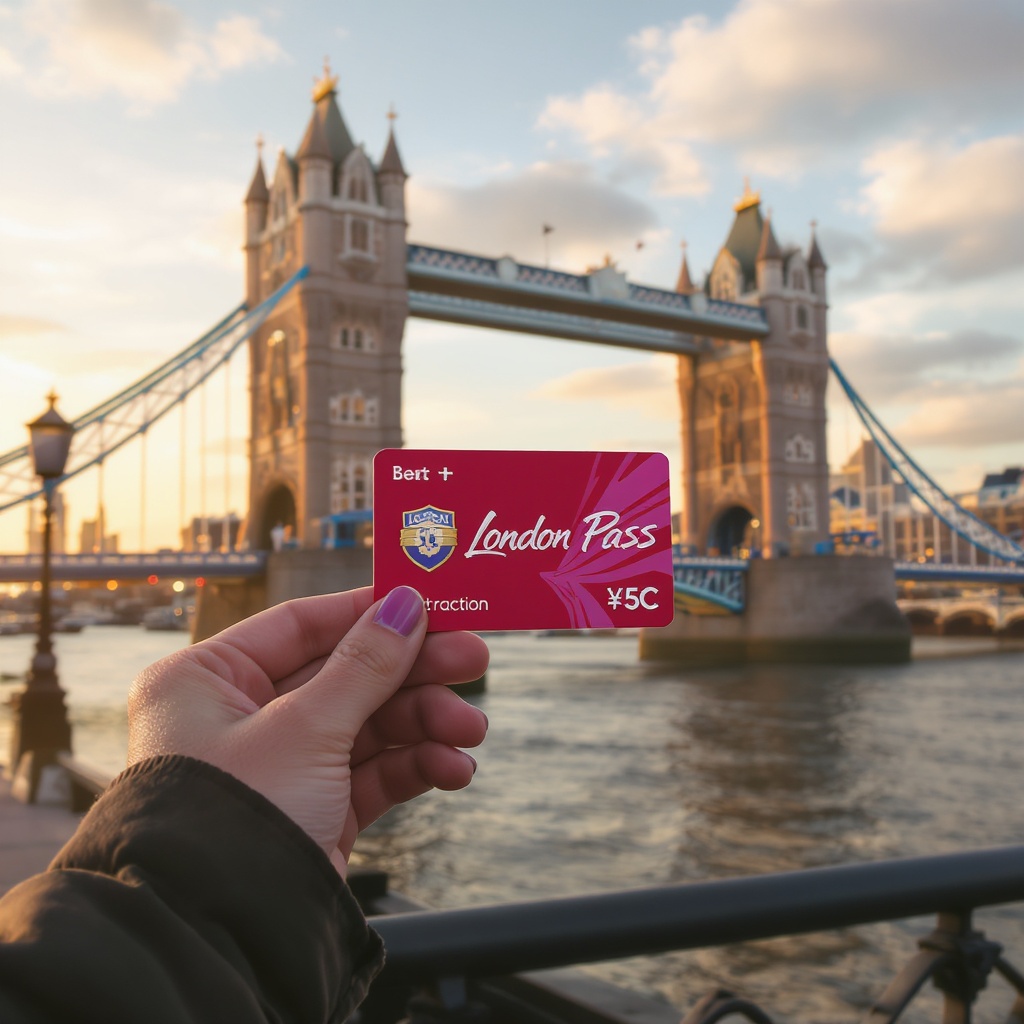
The London Pass costs £99 for a single day, £139 for two days, £169 for three, and up to £259 for ten. That's not nothing. Before you buy, here's what the marketing won't tell you: the pass only saves money if you're visiting enough paid attractions. Whether you do depends entirely on your itinerary — not on a generic rule.
This guide gives you the current 2026 prices, the real break-even math, and two worked examples so you can decide before you spend a penny.
What the London Pass Actually Includes
The pass covers over 100 paid attractions across London and, in 2026, now includes several that used to cost extra: the London Eye, Madame Tussauds, and The View from The Shard are all included in the standard pass price.
What's not included: every major museum in London — the British Museum, National Gallery, V&A, Tate Modern, Natural History Museum, Science Museum — is already free. The pass doesn't add value here. You pay the same zero to enter the British Museum whether you have a London Pass or not.
Transport is also excluded. The pass is a sightseeing card, not a travel card. You'll need an Oyster card or contactless payment for the Tube and buses separately.
2026 London Pass Prices (Official)
| Pass Duration | Adult Price | Daily Cost |
|---|---|---|
| 1 day | £99 | £99/day |
| 2 days | £139 | £69.50/day |
| 3 days | £169 | £56/day |
| 4 days | £199 | £49.75/day |
| 5 days | £219 | £43.80/day |
| 7 days | £239 | £34/day |
| 10 days | £259 | £25.90/day |
Children aged 5–15 pay roughly half the adult price. Under-5s are free. There are periodic promotional codes available — check the official London Pass website before buying, as discounts of 5–10% are common.
The Break-Even Math
Here's the basic calculation: add up the individual gate prices of every attraction you plan to visit. If that total exceeds the pass price, you're saving money. If it doesn't, buy tickets individually.
To help you estimate, here are gate prices for London's most popular paid attractions (advance/online prices, April 2026):
- Tower of London — £34.80
- Westminster Abbey — £31
- St Paul's Cathedral — £27
- The Shard — £30
- London Eye — £40
- Windsor Castle — £35.50
- Kew Gardens — £19
- Hampton Court Palace — £26.70
- HMS Belfast — £19.50
- London Zoo — £32
- Shakespeare's Globe — £18
- Imperial War Museum — free
Example 1: The First-Time Three-Day Visitor
You're in London for three days. You want to see: Tower of London, Westminster Abbey, St Paul's Cathedral, Kew Gardens, and the Shard.
Individual tickets: £34.80 + £31 + £27 + £19 + £30 = £141.80
London Pass (3-day): £169
Result: You'd pay £27 more with the pass than buying individually.
But if you add the London Eye (£40) and a Thames River Cruise (included in the pass, typically costs £18–£22 separately), your individual total jumps to £199.80 — and the pass starts making sense. The same 3-day pass also includes a hop-on hop-off bus tour, which itself costs £35–£45 if bought separately.
The three-day pass works well when you're hitting four or more major paid attractions and plan to use the included bus and river cruise.
Example 2: The Week-Long Enthusiast
You're spending a full week in London and plan to visit: Tower of London, Westminster Abbey, St Paul's Cathedral, the Shard, Windsor Castle, Kew Gardens, Hampton Court, the London Eye, HMS Belfast, and Shakespeare's Globe.
Individual tickets: £34.80 + £31 + £27 + £30 + £35.50 + £19 + £26.70 + £40 + £19.50 + £18 = £281.50
London Pass (7-day): £239
Result: The pass saves you £42.50 — before counting the hop-on hop-off bus and river cruise, which bring the real saving closer to £80–£90.
This is the profile where the London Pass genuinely earns its cost. A week of serious sightseeing with multiple paid attractions is where the value proposition is clearest.
When the London Pass Is Not Worth It
The pass is a bad fit if:
You're visiting London for two days and only want to see three attractions. Three attractions will rarely break even on a two-day pass at £139. Buy individual tickets.
Your priority is free museums and parks. If your plan is the British Museum, the National Gallery, the V&A, Hyde Park, and Borough Market — which is a genuinely excellent plan — the pass does nothing for you. Save your money.
You only want one or two expensive attractions. Two major sights, even at £30–£40 each, won't cover the cost of any pass duration.
You find planning stressful and want flexibility. The pass only delivers value if you commit to visiting enough paid sites. If you're the kind of traveller who wants to wander, eat long lunches, and see where the day takes you, a rigid pass will feel like a constraint rather than a benefit.
The Explorer Pass Alternative
Go City, the company behind the London Pass, also offers the London Explorer Pass. Instead of consecutive days, you buy a set number of attraction visits (2, 3, 4, 5, or 7) and have 30 days to use them. You choose which attractions — no commitment to specific days required.
For a shorter trip or a more relaxed pace, the Explorer Pass can be better value if you'd struggle to fill consecutive days with paid attractions. Prices start around £64 for 2 attractions.
Our Verdict
The London Pass is worth it if and only if your itinerary includes five or more major paid attractions spread across at least two days. In that scenario, you'll typically save £40–£90 compared to buying individual tickets, plus get the hop-on hop-off bus and river cruise thrown in.
For a tight two-day itinerary of three attractions, skip it. For a week of serious sightseeing, it pays back quickly.
The best thing you can do before buying: spend ten minutes with the official attraction list, pick your five sites, add up the individual prices, and compare. The math takes five minutes and will give you a definitive answer for your specific trip.
Prices verified April 2026. The London Pass is a digital sightseeing card from Go City. It does not include transport or free museums.
Want London tips like this? Get our weekly guide →