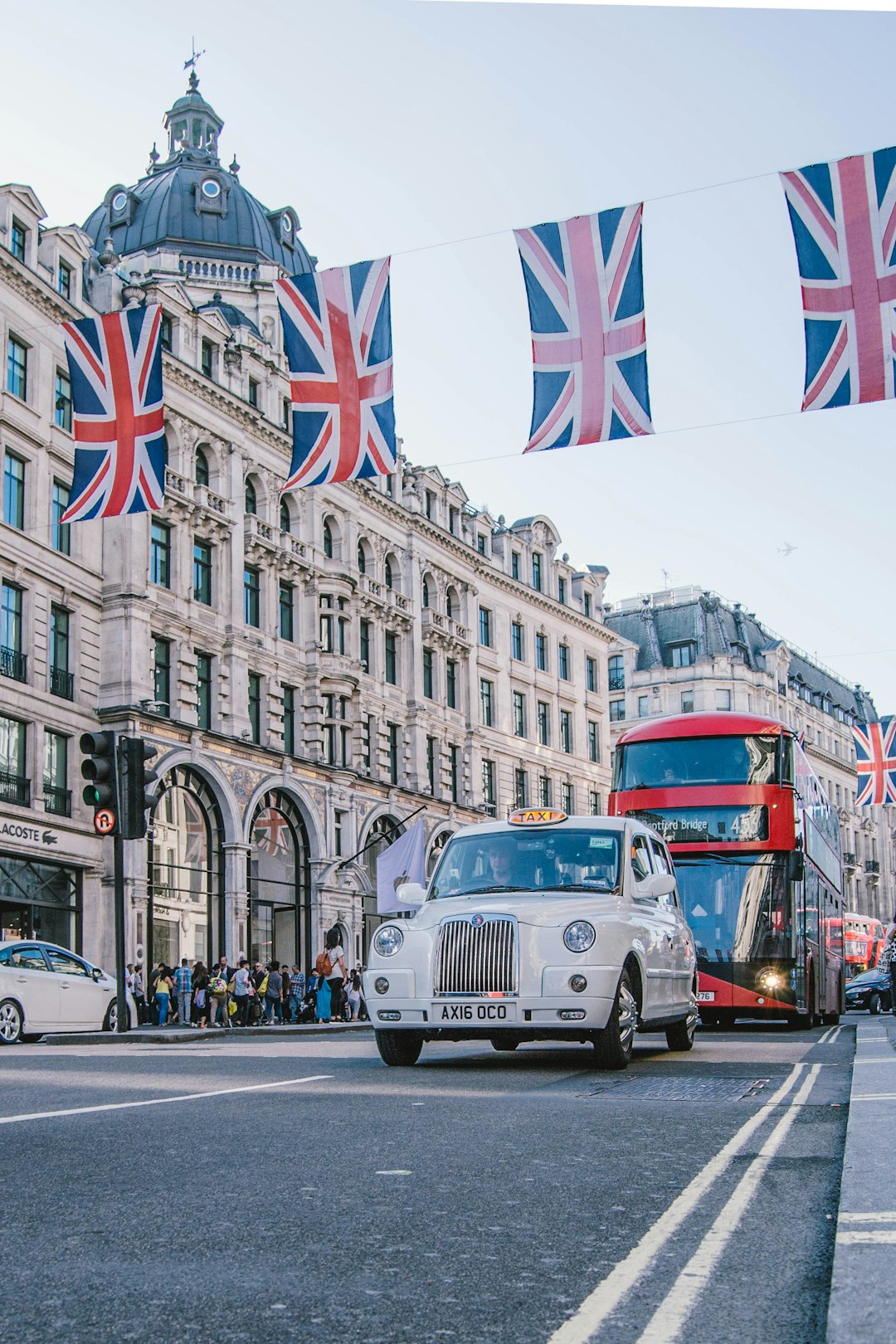
4–5 Days in London: The Complete Itinerary
Five days is the sweet spot for London done properly. Westminster icons, the historic City, bohemian Notting Hill, a Thames trip to Greenwich, and Camden — all with time to breathe.
Quick Summary
Four or five days in London gives you something rare: enough time to stop rushing. This itinerary covers the full sweep — the Westminster icons on Day 1, the Tower of London and Shoreditch on Day 2, the British Museum and West End on Day 3, bohemian Notting Hill and Kensington on Day 4, and a Thames journey to Greenwich followed by Camden on Day 5. Each day has a theme and a geography. You will cover 5–7 miles on foot per day, which is not a warning — it is the London experience.
- Day 1: Westminster, Big Ben, South Bank, Borough Market, London Eye at sunset
- Day 2: Tower of London Crown Jewels, Tower Bridge glass walkway, St Paul's Cathedral, Shoreditch dinner
- Day 3: British Museum, Covent Garden, West End show, Soho dinner
- Day 4: Portobello Road Market, V&A or Natural History Museum, Hyde Park, Harrods
- Day 5: Greenwich by Thames Clipper, Royal Observatory, Camden Market, Regent's Park
Your Route Through London
Day 1: The Icons
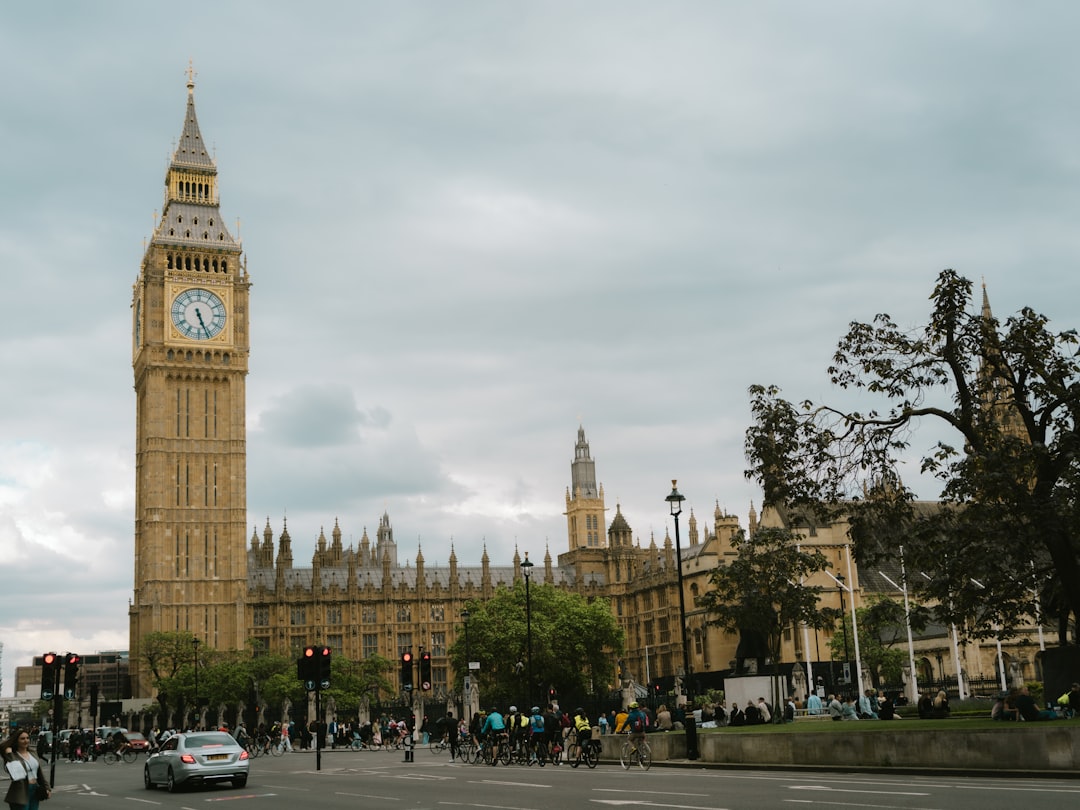
Westminster Bridge & Big Ben
8:30 AMStart at Westminster Tube station (Jubilee/District/Circle lines) and emerge at the bridge. The view — Big Ben, the Houses of Parliament, the Thames — is the one you came for. At 8:30 AM you will have it largely to yourself. Cross to the South Bank side and look back for the photograph everyone goes home with.
Westminster Abbey
9:00 AMWalk south along Parliament Square to Westminster Abbey. Every British monarch since 1066 has been crowned here. The exterior Gothic towers are extraordinary from the west entrance on Broad Sanctuary. If going inside (GBP 29), book online — it opens 9:30 AM Monday through Saturday. The Cloisters and College Garden are included and considerably quieter than the nave.
St James's Park & Buckingham Palace
10:15 AMWalk through St James's Park towards Buckingham Palace. The bridge over the lake gives you simultaneous views of Westminster and Buckingham Palace — one of the great London views that most people miss. Arrive at the Victoria Memorial by 10:45 AM if the Changing of the Guard is scheduled (11 AM most days — check online before you go).
Borough Market (Lunch)
12:30 PMWalk or Tube to Borough Market (Jubilee line to London Bridge, 2 stops). London's oldest food market — established on this site since 1014. Try the grilled cheese toasties from Kappacasein, the steak sandwich from Roast, or the Ethiopian wraps from Arabica. Budget GBP 12–18. Open Wednesday through Saturday at full capacity.
Tate Modern & Millennium Bridge
2:30 PMWalk west along the South Bank to the Tate Modern (free). The Turbine Hall is spectacular even if modern art is not your thing. The Switch House viewing terrace (Level 10, free) has a rooftop view over London that rivals the Eye. Walk across the Millennium Bridge towards St Paul's — the view of the cathedral at the end of the bridge is London's most photographed sight.
London Eye at Sunset
6:00 PMWalk west along the South Bank to the London Eye for an evening slot (GBP 34, book online in advance). A 30-minute rotation gives you 360-degree views as London's lights come on. The evening slots are the most atmospheric. Prefer to save the money? Waterloo Bridge at sunset is London's best free view — looking east to St Paul's and west to Parliament simultaneously.
Day 2: History to Hipster
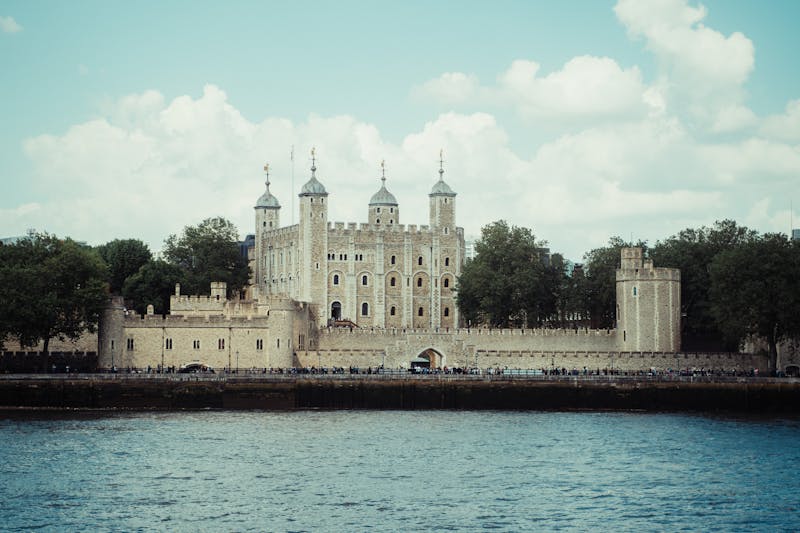
Tower of London
9:00 AMBook the first entry slot (Tower Hill Tube, District/Circle line). The Tower of London is 2,000 years of English history on one site: the Crown Jewels, the White Tower (built 1078), the Yeoman Warders, and the ravens. Allow 2.5–3 hours. The Crown Jewels queue moves fastest at opening time — head there immediately.
Tower Bridge Glass Walkway
11:30 AMCross Tower Bridge to the glass-floored walkway 42 metres above the Thames (GBP 12, separate ticket, book online). The views upstream to the City skyline and downstream to Canary Wharf are extraordinary. The ticket also includes the Victorian engine rooms below the bridge — they are worth 20 minutes and most visitors skip them.
St Paul's Cathedral
1:00 PMOne Tube stop from Tower Hill (Circle/District line to St Paul's). Wren's masterpiece is one of the great buildings of the world. Entry is GBP 21 (book online). Climb the Whispering Gallery (30m up), Stone Gallery (53m), and Golden Gallery (85m) — 528 steps total — for the finest City panorama in London at a fraction of the Eye's cost. Or enjoy the extraordinary exterior and the free crypt.
Shoreditch: Street Art & Brick Lane
3:30 PMTube to Liverpool Street and walk east into Shoreditch. The streets around Shoreditch High Street, Great Eastern Street, and Redchurch Street are London's outdoor gallery: large murals, paste-ups, and works by internationally recognised artists that change regularly. Brick Lane runs south into Banglatown: curry houses (open from 5 PM), vintage shops, and the 24-hour Beigel Bake whose salt beef bagel (GBP 4) is one of London's great cheap eats.
Shoreditch Dinner
7:30 PMShoreditch has some of London's best eating. Dishoom on Commercial Street for Bombay-inspired sharing plates (walk-in, put your name in when you arrive in the area). Bleecker Street Burger on Old Street for London's most discussed smash burger. Brat on Redchurch Street for wood-fire cooking from a Michelin-starred kitchen. Or Boxpark Shoreditch for casual street food across a dozen kitchens.
Day 3: Culture & the West End
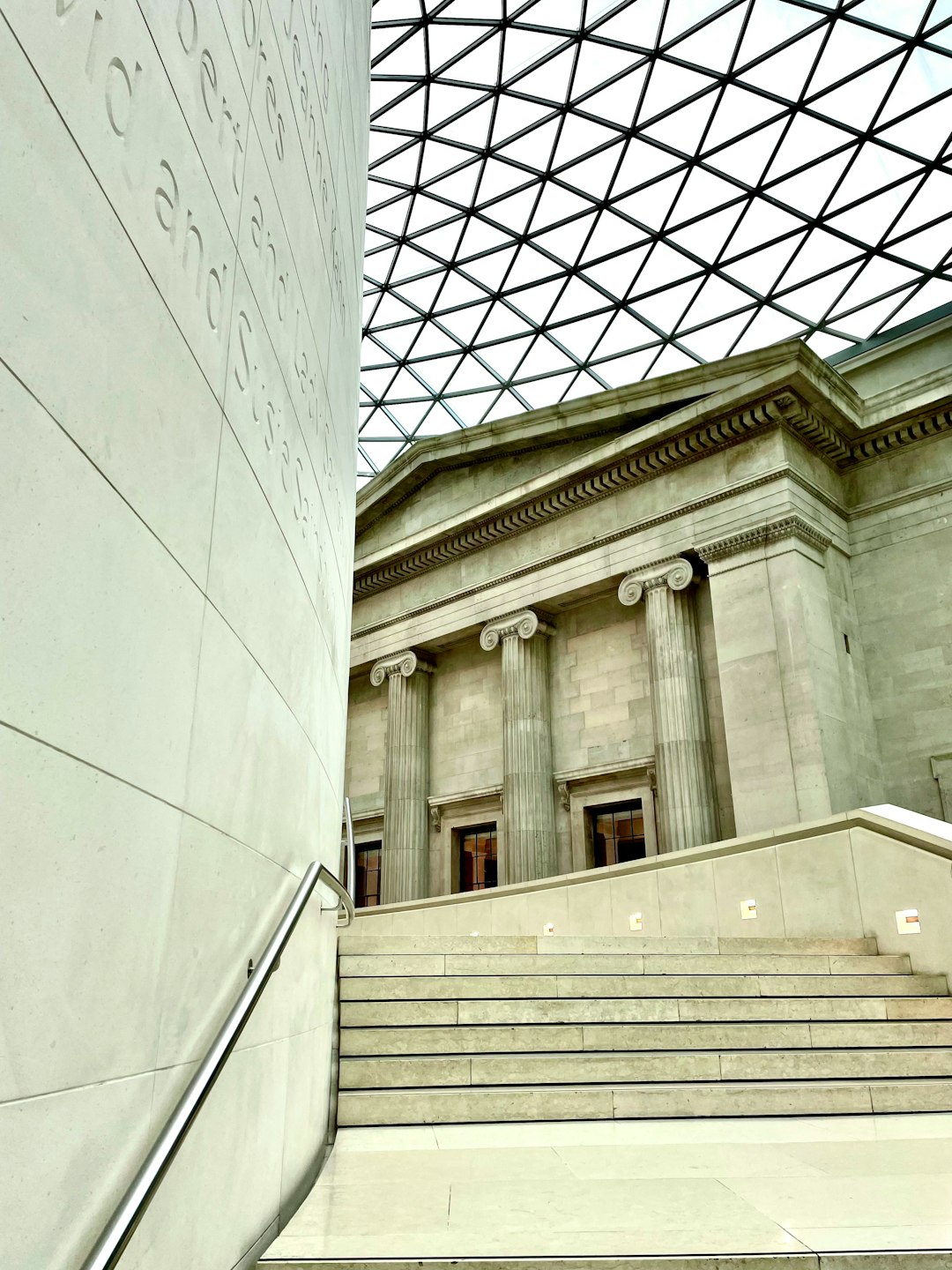
British Museum
9:30 AMFree entry. One of the world's greatest museums: the Rosetta Stone, the Elgin Marbles, Egyptian mummies, the Lewis Chessmen, the Sutton Hoo helmet, and the Persian Oxus Treasure in one building. Norman Foster's Great Court — a glass-roofed inner courtyard — is one of the most beautiful public spaces in London. Pick three rooms you care about and go deep; trying to see everything produces an exhausted blur.
Covent Garden & Neal's Yard
12:00 PMWalk south from the British Museum to Covent Garden (10 minutes on foot). The piazza has street performers, independent shops, and the Royal Opera House colonnade. Neal's Yard — a hidden courtyard of colourful buildings two minutes from the main piazza — is one of London's most photographed spots and almost impossible to find without knowing where to look.
Lunch: Covent Garden Options
1:00 PMFlat Iron in Covent Garden serves a GBP 12 flat iron steak (no reservations, queue moves fast). Dishoom on St Martin's Lane does Bombay-inspired sharing plates. Wahaca on the piazza is excellent Mexican at good value. The market building itself has food vendors on the lower level for a quicker option. For the best coffee: Monmouth Coffee on Monmouth Street is a five-minute walk.
Soho Afternoon
2:30 PMWalk north from Covent Garden into Soho: London's most vibrant neighbourhood. Wander Carnaby Street, Old Compton Street, and the backstreets around Berwick Street Market. This is where London feels most alive: record shops, independent cafes, street art, galleries, and genuine neighbourhood energy that has survived the tourist age largely intact.
West End Show
7:30 PMLondon's West End is the best theatre district in the world. The big shows run in the streets around Leicester Square, Shaftesbury Avenue, and the Strand. Book in advance for new productions and popular long-runners. For same-day tickets at up to 50% off, the TKTS booth in Leicester Square opens at 10 AM — queue before 5 PM for the best selection. Most shows are 2.5–3 hours including interval.
Day 4: The Bohemian West
Portobello Road Market
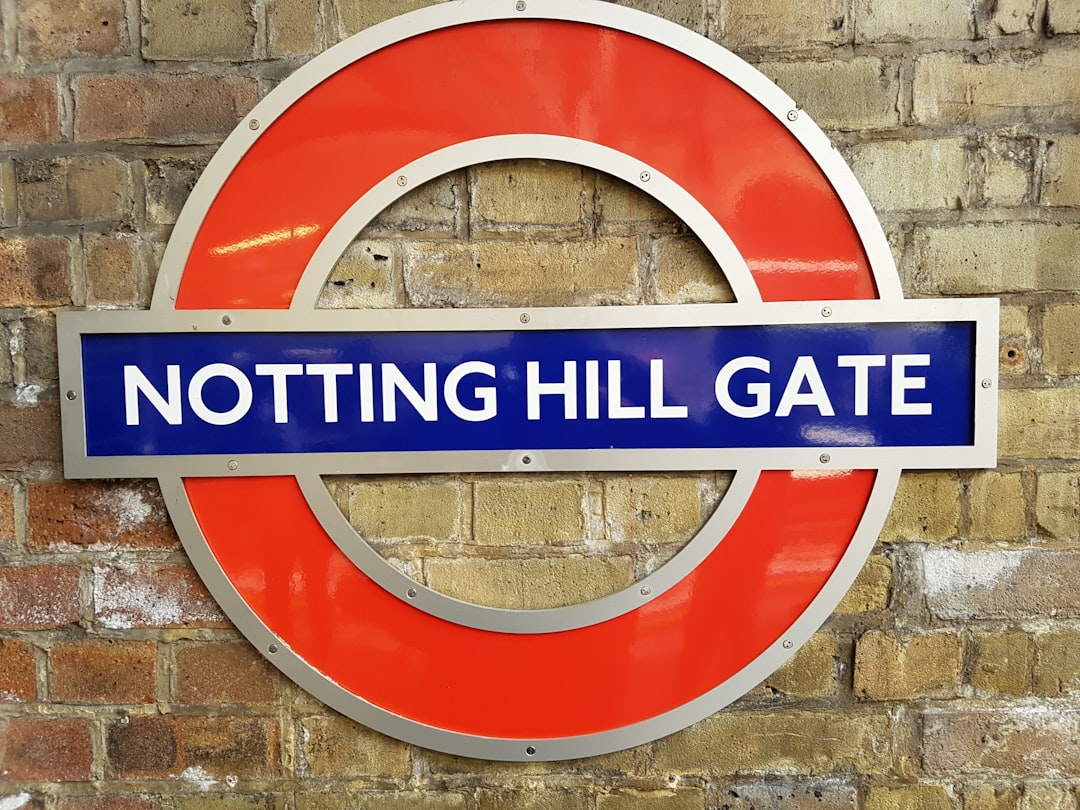
9:30 AMNotting Hill Gate Tube (Central/Circle line). The full Portobello Road Market runs on Saturdays — antiques, vintage, food, flowers, everything. On other weekdays you get the permanent vintage shops and fruit stalls that line the street year-round. The market runs north from the station along Portobello Road. The Victorian townhouses flanking the street, painted in pastel colours, make this one of London's most photogenic walks regardless of the day.
V&A or Natural History Museum
11:30 AMTake the Tube from Notting Hill Gate to South Kensington (one stop, Circle line). Both museums are free. The V&A (Victoria and Albert Museum) has the world's greatest decorative arts collection: fashion, ceramics, furniture, jewellery, sculpture, and photography across 145 galleries. The Natural History Museum next door has a blue whale skeleton in the Central Hall, the dinosaur gallery, and the Darwin Centre. If you can only choose one: families → Natural History, everyone else → V&A.
Hyde Park & Kensington Gardens
1:30 PMHyde Park connects directly to the South Kensington museum area. 350 acres of Royal Park — free to enter and walk. The Serpentine Gallery (modern art, free) sits on the boundary between Hyde Park and Kensington Gardens. The Albert Memorial is a 10-minute walk into Kensington Gardens. The Lido Cafe on the Serpentine lake does good sandwiches and coffee for lunch in the park.
Harrods
3:30 PMA 10-minute walk south from Hyde Park (Knightsbridge Tube). Harrods is worth visiting for the Food Halls on the ground floor alone — a genuinely extraordinary display of produce, meat, cheese, patisserie, and chocolate from around the world. The Egyptian Escalator and the memorial to Dodi Fayed and Diana on the lower ground floor are curious additions to what is undeniably the world's most famous department store.
Knightsbridge Dinner
6:30 PMThe area around Knightsbridge and South Kensington has excellent eating. Zuma (Japanese, the glass-walled tables are an event in themselves — GBP 50+). Dinner by Heston Blumenthal in the Mandarin Oriental (GBP 100+, book months ahead). For more reasonable options: Brasserie Zédel near Piccadilly Circus (GBP 20–30, grand Art Deco dining room), or walk back towards Soho for the neighbourhood's full evening scene.
Day 5: From the River to the Park
Thames Clipper to Greenwich
9:30 AMBoard the Thames Clipper from Embankment or Waterloo Pier (GBP 9 each way, takes 40–50 minutes). This is the best introduction to London from the water: you pass under Tower Bridge, see Canary Wharf rise up, and arrive at Greenwich Pier with the Cutty Sark directly in front of you. The boat journey alone is worth the morning.
Cutty Sark
10:30 AMThe Cutty Sark is the world's last surviving tea clipper — the fastest sailing ship of her age, launched 1869. You can walk beneath her hull (mounted in a glass dry dock) and explore the ship across multiple decks. Entry is GBP 20 (book online). Allow 60–75 minutes. The conservation is outstanding and the engineering of the ship's construction is genuinely impressive even if maritime history is not usually your interest.
Royal Observatory & Greenwich Park
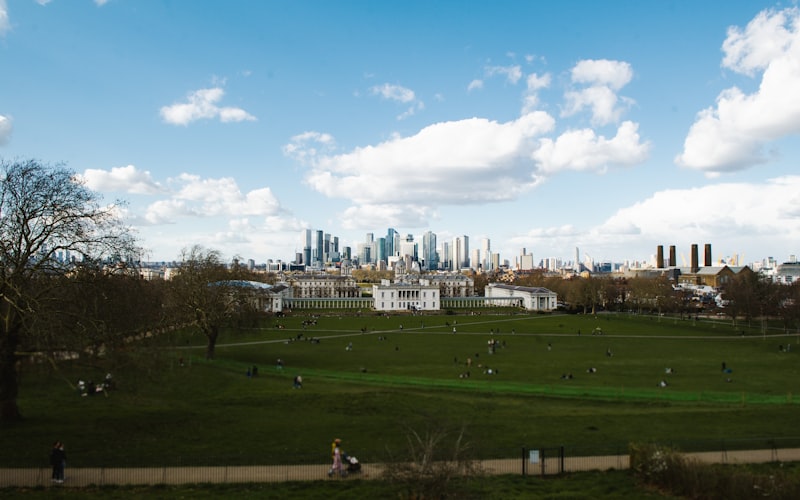
12:00 PMWalk up the hill through Greenwich Park (15 minutes, steep) to the Royal Observatory. This is where Greenwich Mean Time was established and where the Prime Meridian line — longitude zero — runs through the courtyard. Stand with one foot in each hemisphere. Entry to the Observatory is GBP 16 (or part of the combined ticket). The view from the hill of the London skyline — Canary Wharf, the City, the Shard — is the finest in the city and entirely free.
National Maritime Museum
1:30 PMBack down the hill in the park, the National Maritime Museum is free and genuinely world-class: Nelson's uniform (the one he was wearing at Trafalgar, with the bullet hole visible), the Armada Portrait of Elizabeth I, and the full sweep of British naval history. Allow 60–90 minutes. The adjoining Queen's House — one of the finest examples of Renaissance architecture in England — is included and worth 30 minutes.
Camden Market Afternoon
3:30 PMTube from Greenwich back towards Central London: DLR to Bank, then Northern line to Camden Town (about 40 minutes). Camden Market is an assault on the senses: street food from 40 countries, vintage clothing, record shops, and Victorian canalside warehouses. The Stables Market has the most character. Lock 17 overlooks the canal. The canal towpath towards King's Cross (20-minute walk) is quieter and genuinely beautiful in the late afternoon light.
Regent's Park Evening Stroll
6:00 PMA 10-minute walk south from Camden brings you to Regent's Park (free). The formal gardens, the boating lake, and the view of the Nash Terraces from the Inner Circle make for a genuinely beautiful early evening. The Open Air Theatre (May–September) stages excellent productions — book ahead for one of London's most atmospheric performance spaces. End the five days where every London visit should end: walking through a Royal Park with nowhere to be.
Pro Tips for Your London Day
Plan by neighbourhood, not attraction
Each day in this itinerary covers one part of London. Mixing days means crossing the city repeatedly and losing 90 minutes to transport every time. The geography is the plan.
Pre-book Tower of London & key attractions
Tower of London (GBP 32), Tower Bridge (GBP 12), Cutty Sark (GBP 20), London Eye (GBP 34) — all benefit from online booking. Weekends sell out. Book at least 3 days ahead.
Use the Thames Clipper
The Thames Clipper is public transport, not a tourist boat. Travelcard holders get a discount. The journey to Greenwich from Embankment is the most scenic commute in London.
Oyster Card or contactless
Daily cap is GBP 8.10 for Zone 1–2. Tap every single time you enter and exit. DLR (for Greenwich) uses the same Oyster system — just tap in and out as normal.
Proper walking shoes are non-negotiable
5–7 miles per day across five days. Greenwich Park has a steep hill. London pavements are uneven. Trainers, not fashion shoes, not sandals.
Book your West End show early
Book by Day 1 if you want a specific show for Day 3. Popular productions — Hamilton, Les Misérables, the long-runners — sell out weeks ahead. TKTS Leicester Square handles last-minute flexibility.
Where to Eat & Drink
Curated picks along your route, from quick bites to proper meals
Borough Market
Day 1 lunch. London's oldest food market. Kappacasein grilled cheese, Roast steak sandwich, Monmouth Coffee. Wed–Sat. The best single introduction to how London eats.
Dishoom
Day 2 and Day 3 options (Shoreditch and Covent Garden/King's Cross). Walk-in only. Black daal, naan, and lamb chops. Every Londoner's first recommendation.
Beigel Bake (Brick Lane)
Day 2 in Shoreditch. The salt beef bagel at GBP 4 is one of London's great cheap eats. Open 24 hours. Always a queue of locals. Non-negotiable if you are in the area.
Flat Iron Covent Garden
Day 3 lunch option. GBP 12 for a perfectly cooked flat iron steak with salted caramel ice cream. No reservations. The best value meal in Central London.
The Trafalgar Arms (Greenwich)
Day 5 in Greenwich. A proper south London pub for lunch or a pint between the Cutty Sark and the Observatory. Good Sunday roast and a reliable pint of ale.
Customise Your Day
If it rains on any day
- Day 1 rain: National Gallery (free) at Trafalgar Square instead of the South Bank walk
- Day 3 rain: The British Museum is a full day on its own — expand to both morning and afternoon
- Day 4 rain: The V&A is London's best rainy day museum. The Natural History Museum handles rain equally well
Travelling with children
- Day 2: HMS Belfast (docked next to Tower Bridge, GBP 20) is more interactive than St Paul's for younger children
- Day 4: Science Museum (South Kensington, free) has the best interactive galleries for children in London
- Day 5: The Thames Clipper boat journey and the Cutty Sark are both outstanding for children aged 6 and up
Extend to 6–7 days
- Windsor Castle day trip by train (30 minutes from Paddington, GBP 25 return) — genuinely spectacular
- Oxford by coach (60 minutes from Victoria, GBP 15–20 return) — the complete contrast to London
- Hampton Court Palace (45 minutes from Waterloo, included on Travelcard Zone 6) — Henry VIII's palace with the famous maze
Where to Stay
Westminster / South Bank
Best base for Days 1 and 2. Walk to Big Ben, Westminster, and the South Bank. Premier Inn County Hall and Travelodge Waterloo are reliable, well-located value options right on the river.
Explore neighbourhood guide →King's Cross / Bloomsbury
The best central base for all five days. Equidistant from East and West London with direct Tube lines to every neighbourhood in this itinerary. Good value and excellent pubs.
Explore neighbourhood guide →Shoreditch / City
Ideal base for Days 2 and 3. Ace Hotel, Hoxton Shoreditch, and Qbic London are all well-priced and put you in the middle of East London's eating and drinking scene.
Explore neighbourhood guide →Frequently Asked Questions
Four to five days covers London properly. This itinerary includes the Westminster icons, the historic City, Shoreditch, the British Museum, Covent Garden and the West End, Notting Hill, Kensington, Greenwich, and Camden. You won't see everything — nobody does — but you will leave with a genuine, layered understanding of the city rather than just a checklist of landmarks.
King's Cross or Bloomsbury is the strongest all-round base: central, excellent Tube connections to every part of this itinerary, and near the British Museum for Day 3. Westminster and South Bank are ideal for Days 1–2. Shoreditch is ideal for Days 2–3. If you can only pick one neighbourhood: King's Cross puts you within 20 minutes of everything.
Budget GBP 70–100 per person per day: transport (GBP 8–10 daily cap), meals (GBP 25–40), and paid attractions. The major paid attractions across 5 days: Tower of London (GBP 32), Tower Bridge (GBP 12), London Eye (GBP 34), Cutty Sark (GBP 20), West End show (GBP 30–80). Free: Tate Modern, British Museum, Natural History Museum, V&A, Hyde Park, Regent's Park, National Maritime Museum, Greenwich hill view. Total trip budget: roughly GBP 350–500 per person excluding accommodation.
Saturday is the full experience — every stall, maximum atmosphere, and the busiest food market in London. Thursday and Friday are slightly quieter but fully operational. Wednesday has most stalls but fewer prepared food vendors. Borough Market is closed Monday and Tuesday (the buildings are still there but stalls are not trading).
The Thames Clipper boat from Embankment or Waterloo Pier is the most scenic option (GBP 9 each way, 40–50 minutes, Travelcard discount applies). Alternatively, the DLR from Bank station to Cutty Sark is 20 minutes and a single Zone 2 fare. The Tube to North Greenwich (Jubilee line) is faster but further from the main attractions.
On a first visit of any length, yes — if the weather is clear. The 30-minute rotation gives you the full London skyline in one rotation, which is genuinely useful for understanding the city's geography. On a 4–5 day trip, the Eye is worth doing once on Day 1 to get your bearings. The Tate Modern Switch House terrace (free) and the St Paul's Golden Gallery (GBP 21) give comparable views on subsequent days at lower cost.
Yes, if you have a specific show in mind. Major long-running productions — Hamilton, Les Misérables, The Lion King, Phantom of the Opera — sell out weeks ahead, especially at weekends. Book as soon as you have dates. If you are flexible about which show you see, the TKTS booth in Leicester Square sells same-day tickets at up to 50% off and usually has excellent options. Queue before 5 PM for the best selection.
The hill in Greenwich Park at the top of the path from the National Maritime Museum gives you the finest London skyline view in the city — free, no booking, no queuing. Looking northwest from the hilltop: Canary Wharf and the City skyscrapers, the Shard, St Paul's Cathedral. Waterloo Bridge at sunset is the second-best free view: Parliament to the west, St Paul's to the east, both at the same time.
Get More London Itineraries
New itineraries, insider tips, and seasonal updates delivered weekly. Join 5,000+ London travellers.