Explore the best London neighbourhoods for locals
TL;DR:
- London offers diverse neighborhoods, each catering to different interests and travel styles.
- Shoreditch is known for street art, nightlife, and creative cuisine, ideal for energetic explorers.
- Covent Garden provides historic charm, theatre, and vibrant dining, perfect for couples and first-timers.
London has over 600 distinct neighbourhoods, and choosing where to spend your time is genuinely one of the most exciting decisions you’ll make before your trip. The city rewards those who wander beyond the obvious postcards. Tourists who stick to the Tower of London and Buckingham Palace see London’s famous face, but not its soul. The real magic lives in the streets where locals eat, drink, create, and gather. This guide covers three of the most rewarding neighbourhoods for visitors who want authentic experiences, Shoreditch, Covent Garden, and South Bank, plus a practical framework for choosing where to go and a side-by-side comparison to help you decide confidently.
Key Takeaways
| Point | Details |
|---|---|
| Choose neighbourhood by interest | Pick a London area based on your preferences for food, culture, nightlife, or family attractions. |
| Shoreditch for creativity | Shoreditch shines for street art, nightlife, and a cutting-edge dining scene. |
| Covent Garden for history | Covent Garden blends historic landmarks with outstanding performances and restaurants. |
| South Bank for riverside culture | South Bank provides riverside walks, famous markets, and superb views for all ages. |
| Compare for your ideal base | Review each neighbourhood’s highlights and travel connections to find your perfect London base. |
How to choose the perfect London neighbourhood for your visit
Not every neighbourhood suits every traveller, and that’s actually brilliant news. It means the city can feel completely different depending on where you base yourself or which areas you prioritise for day trips. As London neighbourhood guides confirm, London offers a wealth of neighbourhoods, each catering to distinct interests and travel styles. Understanding your own preferences before you arrive saves you time and helps you avoid spending a precious afternoon somewhere that simply isn’t your kind of place.
Start by asking yourself a few honest questions. Do you want to be close to major landmarks, or would you rather feel like a local in a quieter residential pocket? Are evenings about wine bars and live music, or early dinners and a good night’s sleep? Is this trip solo, romantic, a family holiday, or a group adventure? Your answers will immediately narrow the field.
Here are the key factors worth weighing up:
- Proximity to attractions: If you’re ticking off big sights, central areas like Covent Garden cut travel time significantly.
- Dining and nightlife: Shoreditch leads for late nights and experimental food; South Bank offers riverside dining with a more relaxed pace.
- Cultural experiences: Tate Modern, the Royal Opera House, and street art murals each pull different crowds.
- Shopping style: Independent boutiques and vintage markets differ hugely from designer shops and craft stalls.
- Transport links: Every neighbourhood on this list has solid Tube or bus connections, but checking your hotel’s proximity to a station still matters.
- Travel group: Families benefit from open spaces and family-friendly venues; couples often prefer atmospheric, walkable areas.
Pro Tip: If you’re visiting for three days, use a 3-day London itinerary as a starting point and build your neighbourhood choices around it. Grouping nearby areas into single days reduces transit time and leaves more room for spontaneous discoveries.
Once you’ve matched your travel style to a neighbourhood type, the recommendations below will feel far more useful. Each one is genuinely distinct, and none of them will disappoint.
Shoreditch: Creativity, street art, and thriving nightlife
With your criteria in mind, let’s start our neighbourhood tour in the East End. Shoreditch sits in the heart of east London and has transformed over the past two decades from a quiet industrial area into one of the city’s most talked-about destinations. It’s renowned for its creative energy and vibrant nightlife, and that reputation is well earned.
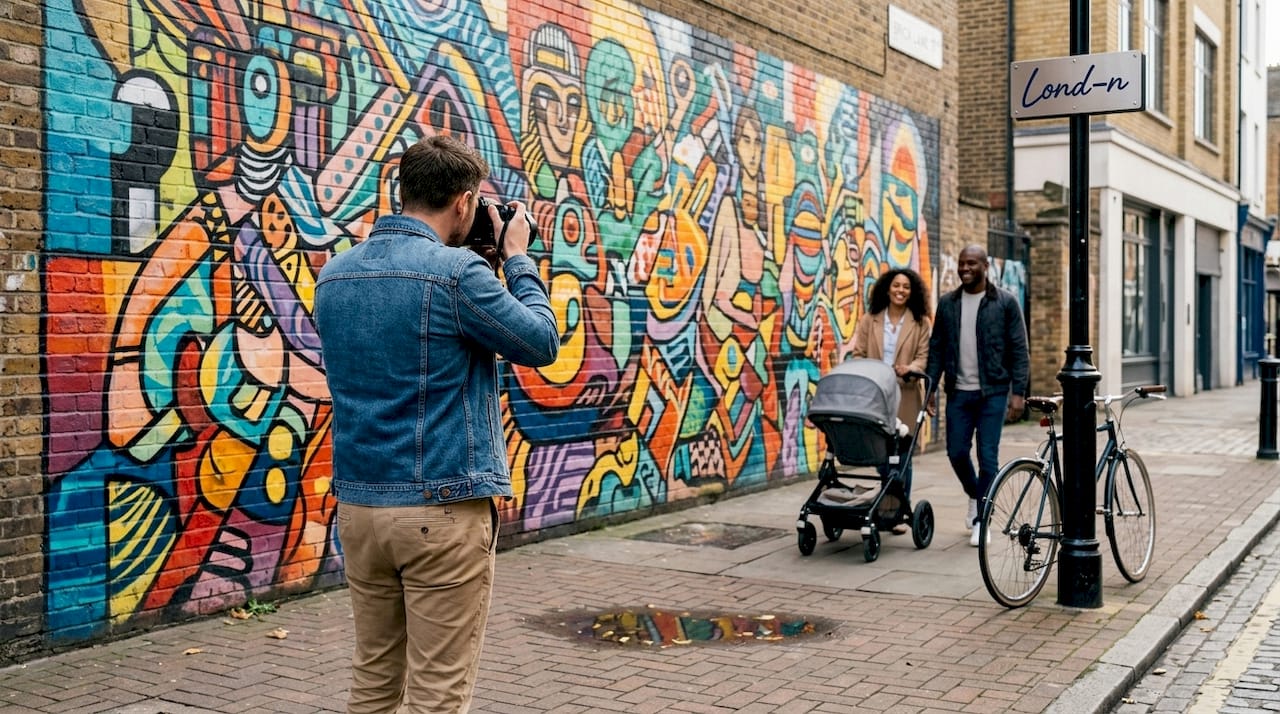
The street art alone is worth a dedicated morning. Brick Lane and Rivington Street are essentially open-air galleries, with murals that change regularly as new artists add their work. Some pieces are by internationally recognised names; others are by local artists making their mark. Either way, walking these streets with your eyes up is a genuinely rewarding experience that costs nothing.
Shoreditch’s food scene is just as compelling. The neighbourhood specialises in the kind of eating that’s hard to find elsewhere: pop-up kitchens experimenting with fusion flavours, independent cafés roasting their own beans, and restaurants that change their menus based on what’s seasonal and interesting. It’s not the place for a traditional Sunday roast, but it’s exactly the place for a Korean-Mexican brunch or a natural wine bar with small plates.
Here’s what to prioritise during a Shoreditch visit:
- Street art walk: Start at Brick Lane and work your way to Rivington Street, allowing at least 90 minutes.
- Boxpark Shoreditch: A shipping container mall filled with independent food vendors and pop-up brands, ideal for a casual lunch.
- Columbia Road Flower Market: Open Sunday mornings, it’s one of London’s most atmospheric and photogenic markets.
- Nightlife: Shoreditch has everything from rooftop bars with city views to basement clubs with live DJ sets. The area comes alive after 9pm.
- Independent boutiques: Designers and vintage sellers occupy the side streets, particularly around Redchurch Street.
Pro Tip: Visit Shoreditch on a Sunday morning when Columbia Road Flower Market is in full swing, then spend the afternoon exploring hidden London spots nearby that most visitors walk straight past.
Shoreditch suits solo travellers, groups of friends, and creative couples particularly well. It’s energetic, slightly unpredictable, and always interesting. The atmosphere is youthful without being exclusive, and the neighbourhood genuinely welcomes curious visitors.
Covent Garden: Historic charm and culinary delights
Leaving the creative energy of Shoreditch, we step into a neighbourhood steeped in history and culture. Covent Garden sits in the heart of central London and manages to feel both grand and intimate at the same time. It’s one of those rare places where the architecture, the food, and the street life all work together to create something genuinely memorable.
As the Covent Garden guide notes, Covent Garden combines historic appeal with vibrant dining and arts, and you feel that combination the moment you step into the piazza. The Apple Market at its centre has been trading since the 17th century, and the Royal Opera House on its edge is one of the world’s great performance venues. Even if you’re not attending a show, the building itself is worth seeing.
“The best thing about Covent Garden is that you can spend an entire afternoon without spending a penny, simply watching the world go by.”
Street performers have been part of Covent Garden’s identity for generations. The piazza hosts licensed acts ranging from classical musicians to acrobats, and the quality is often surprisingly high. It’s free entertainment in a beautiful setting, which is a rare combination in central London.
The food options here are diverse and genuinely good:
- Afternoon tea: Several iconic tea rooms in and around the piazza serve traditional cream teas in elegant surroundings.
- Local pubs: Historic pubs tucked into the surrounding streets offer proper British food and excellent ales.
- International dining: Everything from Italian trattorias to Japanese izakayas sits within a short walk of the piazza.
- Craft stalls: The Apple Market hosts independent makers selling jewellery, art, and handmade goods.
- Wine bars: Covent Garden’s evening scene is anchored by atmospheric wine bars that fill up quickly after theatre shows.
For the best restaurants in Covent Garden, book in advance, particularly for dinner on weekends. The neighbourhood draws theatre-goers, tourists, and locals in equal measure, and popular spots fill up fast. Shopping here leans towards designer boutiques and curated independent stores rather than high-street chains, which makes browsing genuinely enjoyable.
Covent Garden works brilliantly for couples, first-time visitors, and anyone who wants to feel the historical weight of London without sacrificing comfort or convenience.
South Bank: Riverside culture, markets, and iconic views
From bustling piazzas, wander riverside for a completely different London atmosphere. South Bank stretches along the southern bank of the Thames and offers one of the most satisfying walking routes in the entire city. The combination of world-class cultural venues, excellent food markets, and unobstructed views of the river makes it a neighbourhood that rewards both a quick visit and a full day of exploration.
South Bank offers unforgettable riverside walks and cultural venues, and the concentration of attractions here is remarkable. The London Eye, the Royal Festival Hall, the National Theatre, and Tate Modern all sit within comfortable walking distance of each other. You could spend three days here and still find something new.
Here are the top reasons to prioritise South Bank:
- Borough Market: One of London’s oldest and most celebrated food markets, Borough Market is a paradise for food lovers. Traders sell everything from British farmhouse cheeses to Ghanaian street food, and the quality is consistently excellent.
- Tate Modern: Housed in a former power station, this gallery is free to enter and holds one of the world’s great collections of modern and contemporary art.
- The Thames Path: The riverside walk between Waterloo Bridge and Tower Bridge is one of the most scenic urban walks in Europe.
- Royal Festival Hall: Free foyer events happen regularly, from jazz performances to art installations.
- The London Eye: Worth the queue for the views, particularly at dusk when the city lights begin to appear.
| Attraction | Cost | Best time to visit |
|---|---|---|
| Borough Market | Free entry | Thursday to Saturday morning |
| Tate Modern | Free (special exhibitions paid) | Weekday mornings |
| London Eye | Paid | Sunset for best views |
| Thames Path walk | Free | Any time, morning for quiet |
| Royal Festival Hall | Free foyer events | Check programme in advance |
South Bank is one of the most family-friendly areas in London. The wide riverside promenade is pushchair-friendly, there’s plenty of open space, and the mix of free and paid attractions means you can manage a budget without missing out. For London must-sees, South Bank consistently ranks among the top areas to visit.
Neighbourhood comparison: Finding your ideal base
Now that we’ve explored each neighbourhood individually, compare them side-by-side to find the perfect match for your travel style. Each London neighbourhood offers unique strengths, catering to a wide range of visitor interests, so this comparison is designed to make your decision straightforward.
| Neighbourhood | Atmosphere | Best for | Price range | Transport |
|---|---|---|---|---|
| Shoreditch | Energetic, creative | Art lovers, nightlife, foodies | £ to ££ | Overground, bus |
| Covent Garden | Historic, lively | Couples, first-timers, theatre | ££ to £££ | Central line, Piccadilly line |
| South Bank | Relaxed, cultural | Families, walkers, culture fans | Free to ££ | Jubilee line, bus, walking |
Here’s a quick summary to help you decide:
- Best for foodies: South Bank wins for Borough Market’s sheer variety, but Shoreditch is a close second for experimental dining.
- Best for nightlife: Shoreditch, without question. The density of bars, clubs, and live music venues is unmatched.
- Best for families: South Bank offers the most space, the most free attractions, and the easiest navigation with children.
- Best for art lovers: It’s a tie between Shoreditch for street art and South Bank for Tate Modern.
- Best for history: Covent Garden, where the buildings and traditions have centuries of stories behind them.
- Most budget-friendly: South Bank, where free attractions are genuinely world-class.
Pro Tip: Don’t feel you need to base yourself in just one neighbourhood. London’s transport network is excellent, and many visitors stay centrally while day-tripping to each area. Check out free things to do in each neighbourhood to stretch your budget further without missing anything essential.
The best choice ultimately comes down to what excites you most. If you’re still torn between two options, pick the one that matches your evenings rather than your daytime plans. Where you eat dinner and wind down matters more than most travellers realise.
Our take: Why neighbourhood exploration is the real key to loving London
Here’s an opinion that might surprise you: the travellers who leave London most satisfied are rarely the ones who ticked off the most landmarks. They’re the ones who slowed down in a single neighbourhood long enough to feel like they belonged there, even briefly.
Tourist checklists are useful, but they create a particular kind of trip where every hour is accounted for and every experience is expected. Neighbourhood exploration works differently. When you spend a morning in Shoreditch without a fixed agenda, you stumble into a gallery you’d never have found on a map, or end up chatting with a stallholder at Columbia Road who tells you about a restaurant that isn’t on any review site yet. Those moments are what people actually remember.
We’ve seen this pattern repeatedly. Visitors who follow hidden London tips and wander with curiosity rather than a checklist consistently report feeling more connected to the city. They don’t just see London; they experience it.
The uncomfortable truth is that most tourist itineraries are designed around what’s easy to photograph, not what’s genuinely moving or interesting. The best neighbourhood experiences often happen in places that look unremarkable on the surface. A quiet canal in east London. A bakery that’s been on the same corner for forty years. A pub where the regulars know each other by name and welcome a stranger without making a fuss of it.
Explore with intention, but leave room for accident. That’s where London really lives.
Start planning your unique London adventure
Ready to experience London like a local? Our resources at London Vacation Guide are built specifically for travellers who want more than a standard tourist route. Browse our London business directory to discover independently recommended restaurants, shops, and experiences across every neighbourhood. If you’d rather explore on foot with someone who knows the streets intimately, London Walks tours connect you with expert local guides who bring the city’s stories to life. For deeper reading before your trip, our detailed Shoreditch guide is a great place to start. Every guide on our site is written to help you make genuinely informed choices, so you arrive prepared and leave with memories worth keeping.
Frequently asked questions
What is the best neighbourhood to stay in London for families?
South Bank is ideal for families, offering riverfront attractions, open green spaces, and straightforward access to cultural venues. The area’s family-friendly attractions are easy to explore without needing to rely heavily on public transport.
Which London neighbourhood is known for nightlife?
Shoreditch is London’s standout nightlife destination, packed with rooftop bars, live music venues, and clubs that stay busy well into the early hours. Its diverse venue mix suits everything from a relaxed evening drink to a full night out.
Where can I find the best street food in London?
Borough Market in South Bank is the city’s premier destination for street food, with traders offering everything from artisan British produce to global street food. The market’s artisan and street food selection is unmatched in variety and quality.
Are there any free attractions in these neighbourhoods?
Absolutely. Shoreditch’s street art, Covent Garden’s street performances, and South Bank’s Tate Modern and Thames Path are all free. Free attractions abound across every neighbourhood featured in this guide.
How easy is it to travel between London’s top neighbourhoods?
Very easy. London’s well-connected transport network of buses, Tube lines, and Overground services links all three neighbourhoods efficiently, and several are within comfortable walking distance of each other along the Thames.