The ultimate 2-day London itinerary for US visitors
TL;DR:
- Effective planning and grouping sights by neighborhoods maximize limited time in London.
- Using contactless payment and real-time apps like Citymapper ensures efficient transportation.
- Focusing on a few key attractions and embracing spontaneous moments creates memorable experiences.
Two days in London sounds generous until you realise the city is home to over 170 museums, hundreds of world-class restaurants, and more UNESCO-listed sites than you can sensibly visit in a fortnight. For short-term travellers flying in from the US, the pressure to “see it all” is real and, frankly, exhausting before the trip even begins. The good news is that with the right plan, two days in London can feel genuinely rich rather than rushed. This guide cuts through the noise, tells you exactly where to go, what to skip, and how to move efficiently so that you leave with full memories rather than sore feet and a list of regrets.
Table of Contents
- How to plan your two-day London adventure
- Day 1: Iconic landmarks and unmissable experiences
- Day 2: Cultural gems, hidden corners, and personal favourites
- Common pitfalls: What trips up most two-day visitors
- What most guides miss about enjoying London in two days
- Plan your London adventure with expert support
- Frequently asked questions
Key Takeaways
| Point | Details |
|---|---|
| Prioritise your must-sees | Identify three to five unmissable sights for your two days in London to balance quality and variety. |
| Build in travel breaks | Factor in walking, Tube times, and meal stops to prevent rush and fatigue during your trip. |
| Mix landmarks and local life | Combine famous attractions with market visits or local parks for a truly memorable London experience. |
| Plan but stay flexible | Pre-book popular spots yet leave space for spontaneous discoveries or weather changes. |
How to plan your two-day London adventure
Good planning is the difference between a frustrating blur and a trip you will talk about for years. London is enormous. The city spans more than 600 square miles, and its visitor highlights are spread across dozens of distinct neighbourhoods. If you try to freestyle your itinerary on the day, you will spend half your time on the Tube wondering how you ended up in Zone 4.
Planning an efficient itinerary is essential for seeing London’s top attractions in limited time, and the key to doing that well is grouping sights by geography rather than by prestige. Westminster, the South Bank, and the City of London form a natural cluster you can walk between in well under an hour. Museums in Bloomsbury and Kensington sit close together. Shoreditch and Notting Hill are brilliant but miles apart, so trying to do both on the same day is a classic mistake.
Before you arrive, use our first-time visitor tips to get a feel for which areas suit your interests. Are you after royal history, contemporary art, street food, or all three? Knowing your priorities beforehand stops you from standing paralysed on the South Bank at 10am wondering where to begin.
Transport essentials for two days
Getting around efficiently is as important as knowing where to go. Here is a quick comparison of your main options:
| Transport method | Best for | Cost estimate (per journey) | Tip |
|---|---|---|---|
| Underground (Tube) | Cross-city travel | £2.80 to £5.25 | Use contactless card or iPhone/Android Pay |
| Walking | Central sightseeing | Free | Most landmarks are 15 to 25 minutes apart |
| Bus | Scenic routes | £1.75 flat fare | No cash accepted; card only |
| Black cab | Late nights, luggage | £10 to £30+ | Hail on the street or use the Gett app |
| Santander Cycles | Riverside rides | From £1.65 | Dock stations across central London |
The easiest and cheapest option for most visitors is to simply tap your US contactless credit or debit card directly on the Tube barriers and bus readers. London caps daily fares automatically, so you will never overpay. Oyster cards (London’s dedicated transit card) are a fine alternative but are largely unnecessary now that contactless works seamlessly.
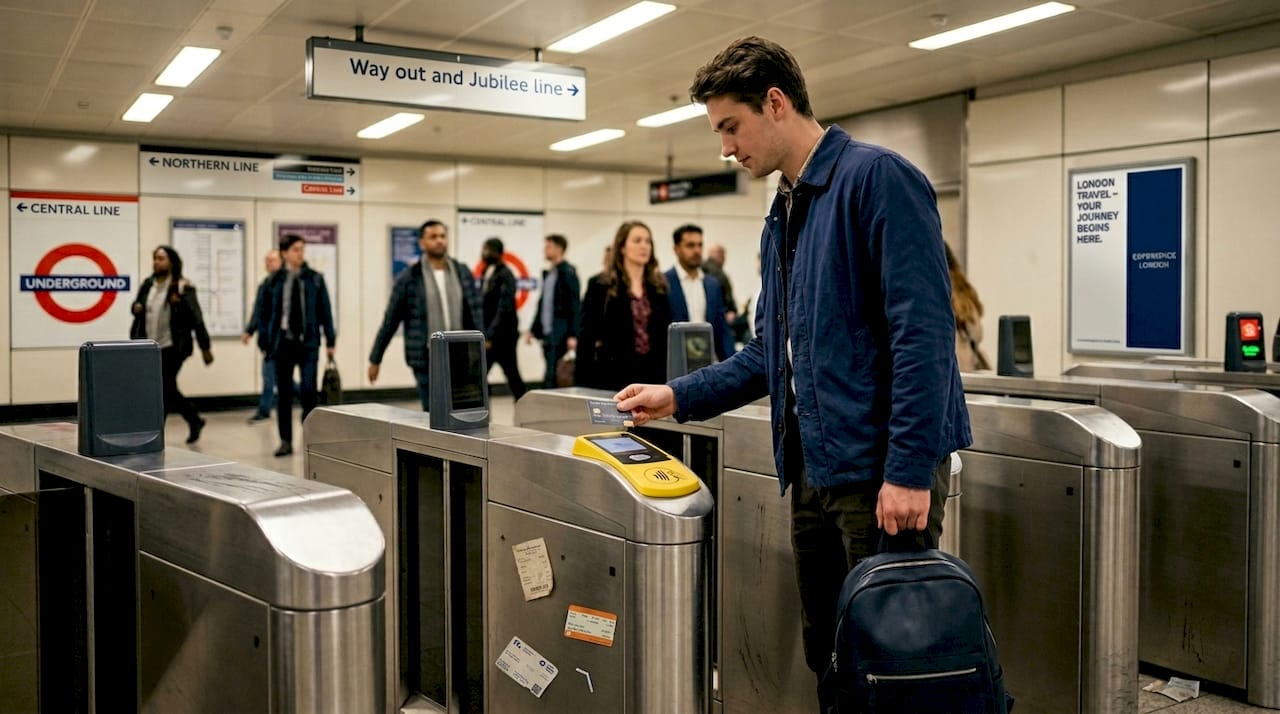
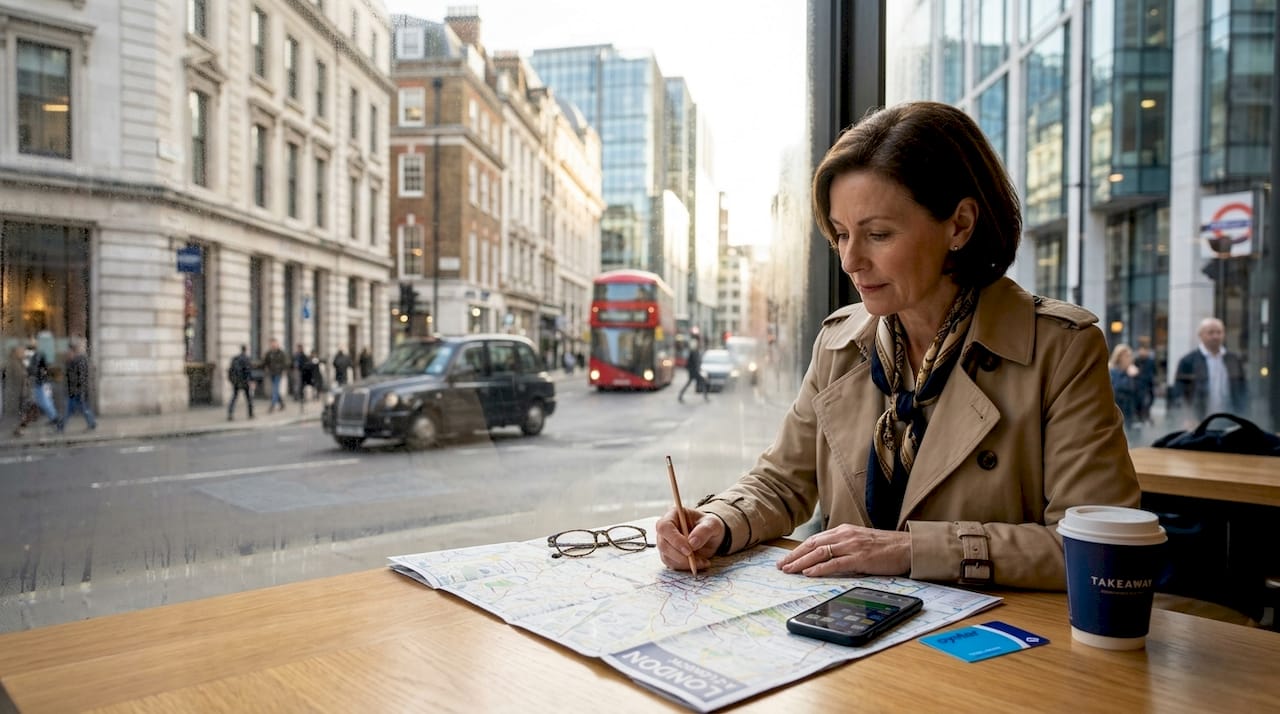
Pro Tip: Download the Citymapper app before you land. It updates in real time, accounts for line closures, and tells you exactly which Tube carriage to board for the fastest exit at your destination. It saves minutes that add up enormously over two days.
Here are the planning essentials to sort before you arrive:
- Pre-book timed entry for the Tower of London, Westminster Abbey, and the London Eye
- Check that your must-visit museums are open (some close on Mondays or Tuesdays)
- Screenshot or download offline maps for the areas you will walk through
- Research one or two restaurant bookings so you are not queuing at lunchtime
- Know your hotel’s nearest Tube station and which zone you are in
For a broader list of what to prioritise, the top 10 must-dos for first-time visitors is an excellent starting reference when you are still deciding which experiences matter most to you.
Day 1: Iconic landmarks and unmissable experiences
With your plan in place, it is time to hit London’s iconic core. Day 1 focuses on the central belt of the city where the most recognisable sights cluster together. Keep your camera charged and your walking shoes broken in.
A structured itinerary helps you move between key landmarks efficiently, which matters enormously when you only have a handful of hours at your disposal. Here is a step-by-step plan for Day 1:
-
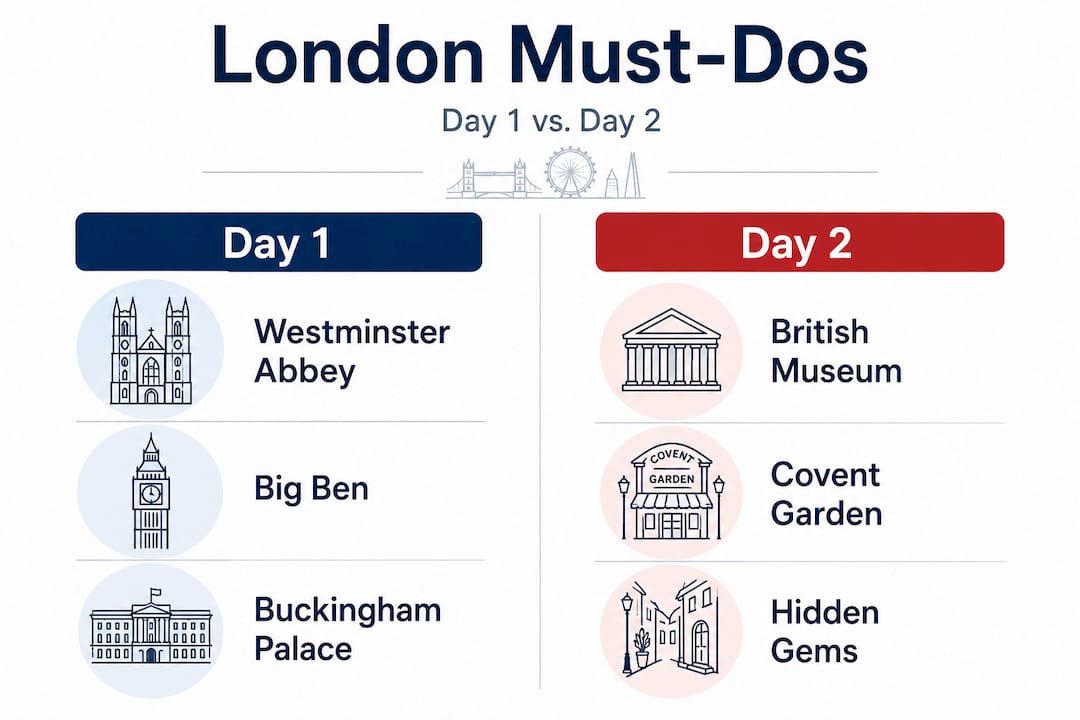
8:30am: Westminster Abbey and Parliament Square. Start early to beat the crowds. Westminster Abbey opens at 9am on most days and is stunning in the morning light. The area around Parliament Square, with views of Big Ben (officially named Elizabeth Tower) and the Houses of Parliament, photographs beautifully before the tourist rush. Allow 60 to 75 minutes inside the Abbey if you have pre-booked.
-
10:30am: St James’s Park to Buckingham Palace. Walk through St James’s Park, one of London’s oldest royal parks, and make your way to Buckingham Palace. The Changing of the Guard happens at 11am on selected days (check the official schedule online before you go). The park itself is free and offers lovely views of the lake and the palace in the background.
-
12:00pm: Walk across Westminster Bridge and along the South Bank. Cross over the Thames on Westminster Bridge for the classic postcard view of Parliament and Big Ben. Once on the South Bank, you will find the London Eye (book ahead to skip queues), street performers, and panoramic river views that rival anything else in Europe.
-
1:00pm: Lunch near Borough Market. Head east along the South Bank towards Borough Market, London’s most celebrated food market. The stalls are a feast of choice, from Spanish charcuterie to Ethiopian lentils to proper Scotch eggs. For a sit-down option, check out our guide to the best places to eat near the market and across the city’s top neighbourhoods.
-
2:30pm: Cross the Millennium Bridge to St Paul’s Cathedral. The Millennium Bridge offers one of the most dramatic views in London. St Paul’s Cathedral is visually overwhelming from every angle, and climbing the dome gives you a 360-degree panorama of the city. Budget about 90 minutes if you want to go inside and up to the Golden Gallery at the top.
-
4:30pm: Covent Garden or Soho. Jump on the Tube from Blackfriars or City Thameslink and head to Covent Garden. The area has street performers, independent shops, and excellent cafés. Alternatively, wander into Soho for a more eclectic, vibrant atmosphere with a mix of restaurants, jazz bars, and boutiques. Both are walkable from each other.
-
7:00pm onwards: West End theatre or a classic London pub. Booking a West End show is a brilliant way to round off Day 1. London’s theatres are genuinely world-class, and even a mid-tier show here outclasses most productions you would see back home. If theatre is not your thing, find a traditional pub, order a pint of bitter or a gin and tonic, and take stock of your extraordinary first day.
“The South Bank on a clear evening is one of those rare city experiences that makes you forget you are tired. The lit-up London Eye reflected on the Thames, the distant glow of St Paul’s, street musicians playing for the crowd — it is the kind of thing that lodges in your memory permanently.”
Day 1 landmark comparison at a glance
| Landmark | Typical visit time | Entry cost | Pre-booking needed? |
|---|---|---|---|
| Westminster Abbey | 60 to 90 mins | £29 (adults) | Strongly recommended |
| Buckingham Palace (exterior) | 20 mins | Free | No |
| London Eye | 30 mins | £33+ | Yes |
| St Paul’s Cathedral | 60 to 90 mins | £23 (adults) | Recommended |
| Borough Market | 30 to 60 mins | Free to enter | No |
Day 2: Cultural gems, hidden corners, and personal favourites
After the grand sweep of Day 1, Day 2 is your chance to slow down a little and explore the parts of London that feel genuinely personal. This day works best when you lean into your own interests rather than following a fixed script.
Free attractions and parks allow short-term visitors to soak up London’s atmosphere without straining the budget, and Day 2 is where those options shine most brightly.
-
9:00am: Choose your museum morning. London’s museum scene is extraordinary, and most of the best ones are completely free.
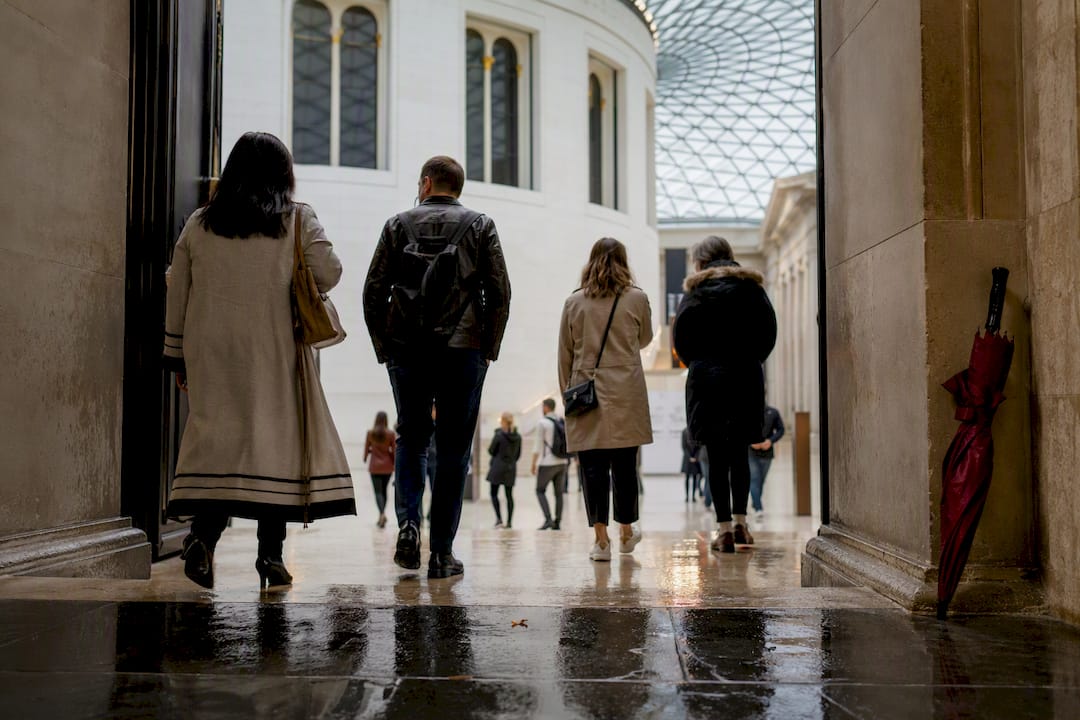
- The British Museum in Bloomsbury houses the Rosetta Stone, the Elgin Marbles, and Egyptian mummies. It is genuinely one of the greatest collections of human history on earth. Allow two hours minimum.
- Tate Modern on the South Bank is perfect if contemporary art excites you. The building alone, a converted power station, is worth visiting.
- The Victoria and Albert Museum (V&A) in South Kensington houses fashion, jewellery, furniture, and sculpture across 145 galleries. It is more visually varied than almost any other museum in the world.
-
11:30am: Wander a neighbourhood with character. This is where London really separates itself from other major cities. Each area has a distinct personality:
- Notting Hill is colourful, leafy, and home to the famous Portobello Road Market (best on Saturdays). The pastel-painted houses are genuinely as pretty as they look in photographs.
- Shoreditch in East London is the city’s creative hub, covered in world-class street art and buzzing with independent coffee shops, vintage clothing stores, and galleries.
- Camden is loud, chaotic, brilliant, and unashamedly itself. The market is a labyrinth of stalls selling everything from handmade leather goods to vegan street food.
-
1:00pm: Lunch at a food market or iconic spot. Borough Market Kitchen is a strong choice for a second visit since the stalls rotate and the atmosphere changes throughout the week. Food market visits add a genuinely distinctive flavour to any London itinerary, giving you a taste of the city’s multicultural food culture in one place. Alternatively, if you ended up in Camden or Shoreditch, both areas have fantastic street food options that represent London’s diverse culinary character perfectly.
-
2:30pm: A park for breathing space. Two days of walking takes a toll, and London’s parks are among the best urban green spaces in the world. Hyde Park covers 350 acres and includes the Serpentine Gallery (free entry), the Diana Memorial Fountain, and the famous Speakers’ Corner. Regent’s Park is slightly quieter and is home to the open-air theatre during summer months. Both parks are free and genuinely restorative.
-
4:30pm: Shopping or final cultural hit. Depending on your neighbourhood, afternoon options vary widely. Carnaby Street and Oxford Street in Soho and the West End offer mainstream shopping. Brick Lane in Shoreditch has vintage and independent shops unlike anything you will find in a mall. The South Bank hosts the Tate Modern shop, independent bookshops, and the Southbank Book Market under Waterloo Bridge.
Here are some Day 2 alternatives worth considering if you want to personalise further:
- Greenwich for the Prime Meridian Line and the Cutty Sark (great for history fans)
- Kew Gardens for botanical beauty and a genuinely relaxing afternoon
- Sky Garden (book free entry in advance) for panoramic city views at no cost
- The Churchill War Rooms near Westminster for a deeply immersive historical experience
For a longer London stay, our extended London itinerary gives you a three-day framework that builds naturally on the two-day plan above.
Common pitfalls: What trips up most two-day visitors
With two packed days ahead, knowing where visitors typically stumble saves you valuable hours and real frustration.
Practical guidance helps short-term travellers avoid unnecessary delays, and most of the common mistakes are entirely avoidable once you know what to look for. Here are the biggest pitfalls to sidestep:
- Overloading the itinerary. The number one error. Trying to fit eight major attractions into a single day means you rush everything and enjoy nothing. Three or four key sights per day is the realistic maximum if you want meaningful experiences rather than frantic photo stops.
- Ignoring travel time. London looks compact on the Tube map. It is not. A journey from Westminster to Shoreditch takes 35 to 45 minutes when you factor in walking to and from stations, waiting on platforms, and navigating exits. Build in travel time at every step.
- Getting caught out by transport payment. Cash is not accepted on any bus or Tube barrier. You need a contactless card, an Oyster card, or Apple/Google Pay. Many US travellers discover this the hard way at the bus stop. Sort this out before you leave your hotel on Day 1.
- Missing attraction opening hours. Several major London museums are closed one day per week. The Tower of London is closed Mondays in winter. Some attractions have seasonal variations in their hours. Checking the official website the evening before saves considerable disappointment.
- Skipping meals and rest. This sounds obvious but London walking days genuinely cover five to eight miles. Skipping lunch to squeeze in another museum is a recipe for an energy crash at 3pm. Eat properly, stop for coffee, and sit in a park for 20 minutes. You will cover more ground overall if you pace yourself.
- Forgetting to pre-book key attractions. The Tower of London, Westminster Abbey, and the London Eye all sell timed entry slots. Without a booking, you can face queues of 45 minutes to two hours, which is a painful waste of limited time.
Pro Tip: Check the London mistakes to avoid guide for a complete rundown of what first-timers consistently overlook, including tips on jet lag management for visitors arriving from the US.
What most guides miss about enjoying London in two days
Here is the honest truth that most London itinerary articles are reluctant to say: doing less will almost always give you more.
Every guide, including this one, lists attractions and suggests timings. But the best two-day London trips we hear about from returning visitors are never the ones where someone ticked off 14 landmarks. They are the ones where someone stopped at a random pub in Soho because it looked interesting, got chatting to a retired cab driver who had stories about the city going back 40 years, and ended up spending two hours hearing about London from someone who actually lived it. That experience costs nothing and appears on no itinerary.
The mistake that most short-term visitors make is treating the city as a checklist rather than a place. London rewards curiosity. Turn down the unexpected alley. Wander into the courtyard behind the coffee shop. Ask your hotel receptionist where they actually eat on their day off. These moments are not inefficiencies. They are the point.
Our perspective is this: choose three to five non-negotiable sights for each day, the ones you would genuinely be gutted to miss, and then let the rest of the day breathe. Leave two or three hours unplanned. Not because you will waste them, but because the best London moments tend to find you when you are not sprinting toward the next thing on a list.
The other thing guides rarely say is that London is an emotional city. Walking across Waterloo Bridge at dusk, with the Thames below and St Paul’s dome lit against a purple sky, is the sort of thing that makes people cry slightly. Not from sadness, but from the weight of it. Thousands of years of history, art, conflict, and creativity concentrated into one extraordinary city. You cannot rush that. You can only show up open to it.
Our London itinerary inspirations page offers a range of routes built around different interests and timeframes, so you can find the rhythm that fits your personality rather than forcing yourself into someone else’s schedule.
Plan your London adventure with expert support
Ready to take your two-day London trip from rough plan to polished itinerary? London Vacation Guide is here to make that process genuinely enjoyable. Our complete London guide walks you through the full landscape of what the city offers, with curated recommendations tailored to short-term visitors who want quality over quantity. Whether you are still deciding between museums or trying to nail down where to eat, our dining guides make it easy to find the perfect spot, from a quick lunch at Borough Market Kitchen to a proper sit-down dinner in the West End. Use our resources for expert trip planning to build an itinerary that fits your schedule, your interests, and your travel style. London is waiting.
Frequently asked questions
Is two days in London enough to see the main attractions?
Yes, with focused planning you can comfortably see key sites like Big Ben, Buckingham Palace, and several world-class museums across two well-organised days. Efficient itinerary planning is essential for making the most of limited time in the city.
Can I visit London’s popular museums for free?
Most of London’s major museums, including the British Museum and the National Gallery, are free to enter all year round. Free London attractions make it entirely possible to have a world-class cultural experience without spending a penny on entry fees.
What is the best way to get around London in two days?
The Underground (Tube) combined with walking is the most efficient combination for central sightseeing. Tap your contactless US credit card directly at barriers and bus readers for seamless, automatically capped fares across your stay.
Should I book attractions and restaurants in advance?
Booking key attractions and popular restaurants ahead of time is strongly advisable for a two-day visit. Practical planning advice consistently shows that pre-booking saves significant time and eliminates the risk of missing out on must-see experiences.
What food experience should I not miss in London?
Borough Market near London Bridge is the definitive London food experience, celebrated for its extraordinary variety and the authenticity of its vendors. Food market visits add genuine character to any short London itinerary and give you a real taste of the city’s multicultural food culture.