How to explore London on a budget: tips for 2026
TL;DR:
- London offers many free museums and parks, making it budget-friendly for tourists.
- Using an Oyster card and walking can significantly reduce transportation costs.
- Budget meals and accommodations are readily available in markets, hostels, and areas outside Zone 1.
Trying to see London without breaking the bank can feel impossible. The city has a reputation for eye-watering prices, and a single tourist meal near the South Bank can cost as much as a night’s accommodation elsewhere in Europe. But here’s the truth: London is one of the most budget-friendly major cities in the world, if you know where to look. With the right preparation and a few insider tricks, you can fill your days with world-class museums, iconic landmarks, brilliant street food, and memorable experiences, all without watching your wallet empty by Tuesday.
Table of Contents
- Planning your budget adventure
- Must-see London sights that are free or inexpensive
- Where to eat in London on a tight budget
- Finding budget-friendly places to stay in London
- Why true London adventure is about mindset, not money
- Your next step: explore London with expert guidance
- Frequently asked questions
Key Takeaways
| Point | Details |
|---|---|
| Prep saves money | Careful planning and the right tools make exploring London affordable and stress-free. |
| Free sights abound | London offers dozens of iconic museums, parks and landmarks with no entry fee. |
| Markets for meals | Local food markets and supermarkets provide affordable, quality options for every taste. |
| Neighbourhoods matter | Staying outside the city centre and using public transport can dramatically cut costs. |
| Mindset beats money | Curiosity and resourcefulness deliver unforgettable London experiences no matter your budget. |
Planning your budget adventure
Before you even step off the Tube, a bit of smart preparation will save you a surprising amount of money. Start by setting a realistic daily budget. Most backpackers and budget travellers find they can manage comfortably on £50 to £80 per day in London, covering transport, food, and activities, especially when they lean on the city’s free things to do.
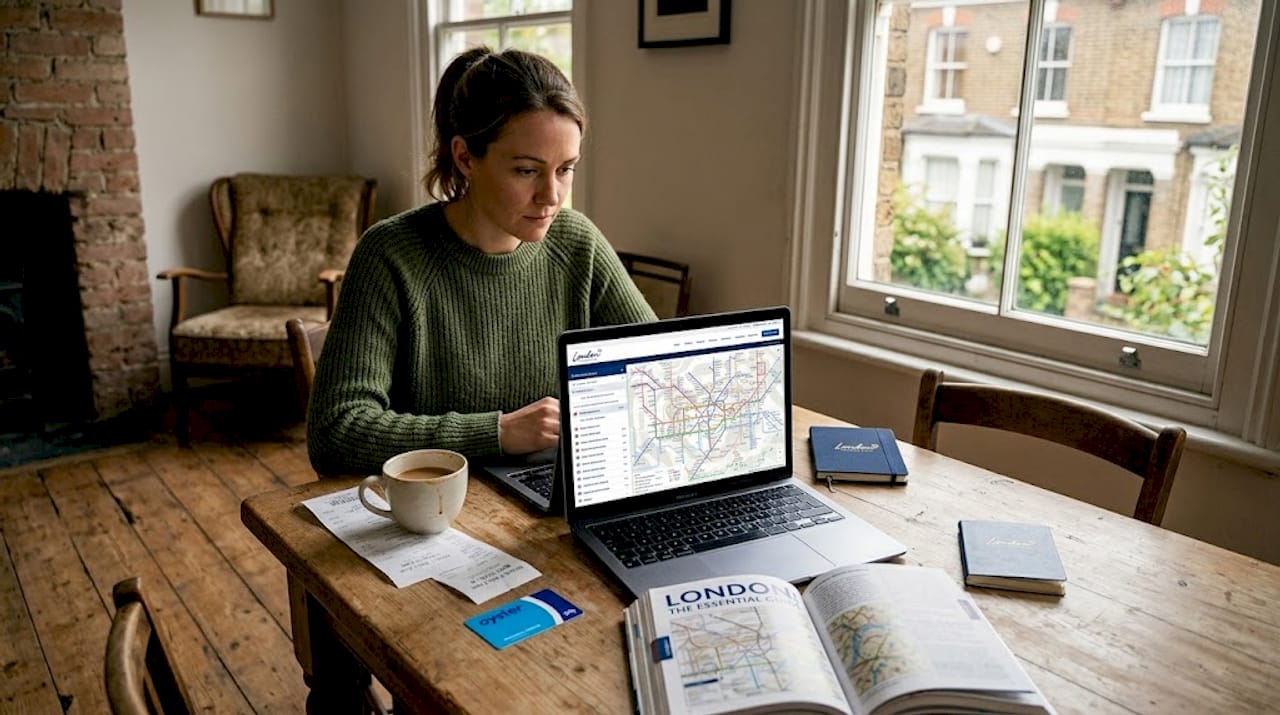
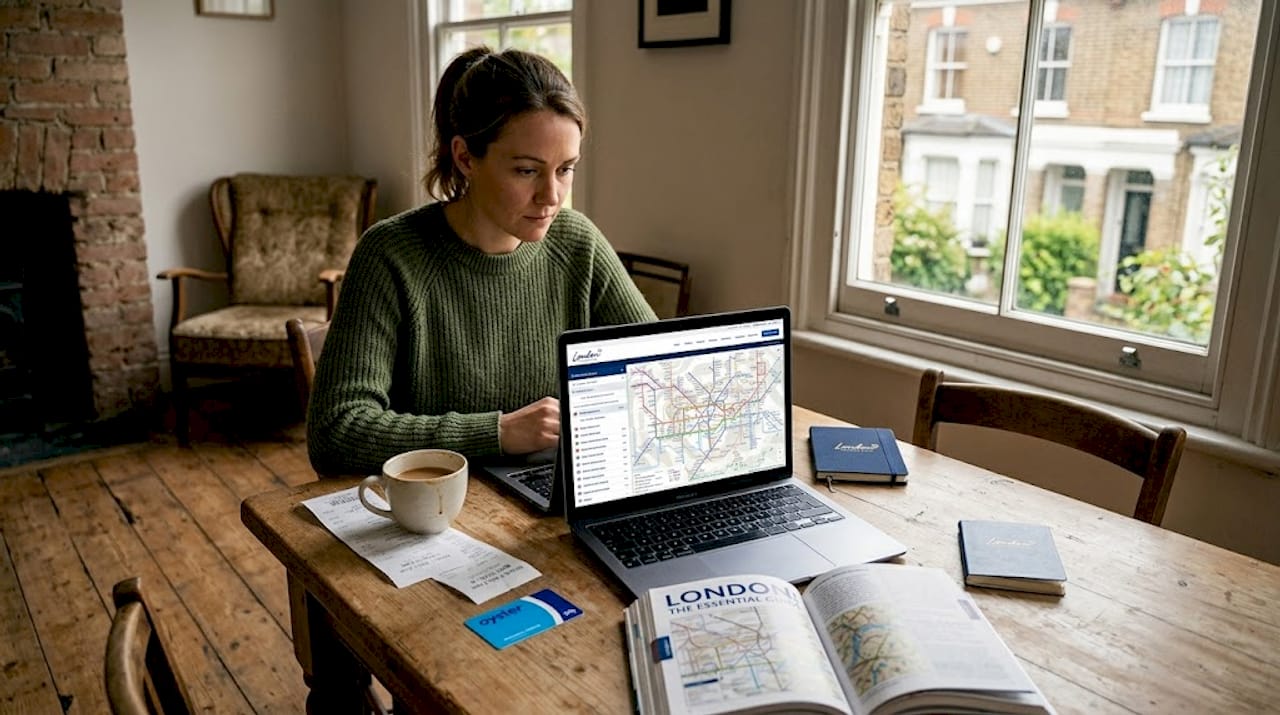
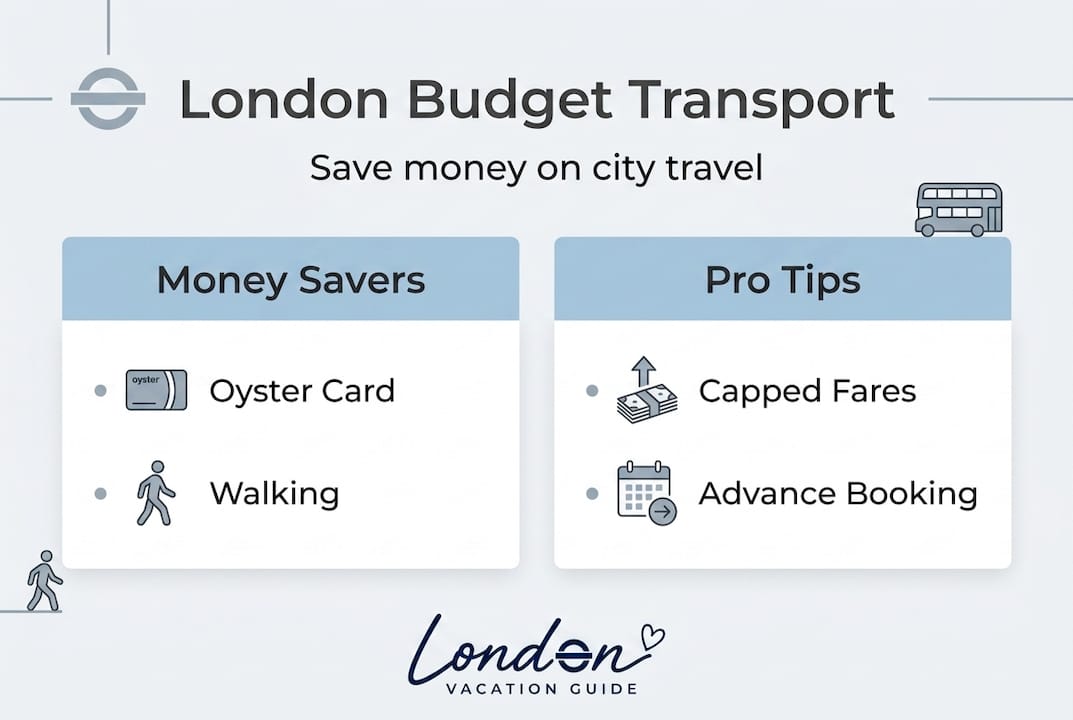
Transport is one of the biggest daily costs, but it is easy to control. An Oyster card or contactless bank card gives you capped daily fares on the Underground, buses, and Overground. The daily cap for Zones 1 and 2 sits at around £8.10, which is far cheaper than buying individual tickets. Download the free TfL Go app to plan routes and check live departures. Walking is also underrated: many central London attractions are within 15 to 20 minutes of each other on foot.
Here is a quick overview of typical daily costs to help you plan:
| Category | Budget option | Estimated daily cost |
|---|---|---|
| Transport | Oyster/contactless (capped) | £5 to £8 |
| Food | Markets, meal deals, supermarkets | £10 to £20 |
| Sightseeing | Free museums and parks | £0 to £5 |
| Accommodation | Hostel dorm or budget hotel | £20 to £50 |
Pack a reusable water bottle, because London tap water is perfectly safe to drink and refill stations are everywhere. Comfortable walking shoes are non-negotiable. Carry snacks from a supermarket like Lidl, Aldi, or Tesco to avoid impulse spending at tourist cafés.
Key essentials for budget travel in London:
- Oyster card or contactless payment card
- Reusable water bottle
- Comfortable walking shoes
- Offline city map (Google Maps offline works well)
- Student or youth ID for discounts
Pro Tip: Book popular paid attractions like the Tower of London or the London Eye at least two weeks in advance online. You can save up to 20% compared to buying tickets at the door. If you hold a student or youth card, always ask about discounts before paying full price.
Timing matters too. Many museums and galleries open their doors to special exhibitions during quieter weekday mornings, and some run free evening events. Checking the neighbourhood guides for your chosen areas will help you spot local free events happening during your visit.
Must-see London sights that are free or inexpensive
With a solid prep plan, let’s discover the best sights you can enjoy without spending a fortune. The good news is that many famous London sites are free, including the city’s most celebrated museums and landmarks.
The British Museum in Bloomsbury is arguably the greatest free museum on the planet. It houses over eight million objects, from the Rosetta Stone to the Elgin Marbles. You could spend an entire day here and still not see everything. The National Gallery on Trafalgar Square is equally remarkable, with works by Van Gogh, Turner, and Rembrandt all on display at no cost whatsoever.
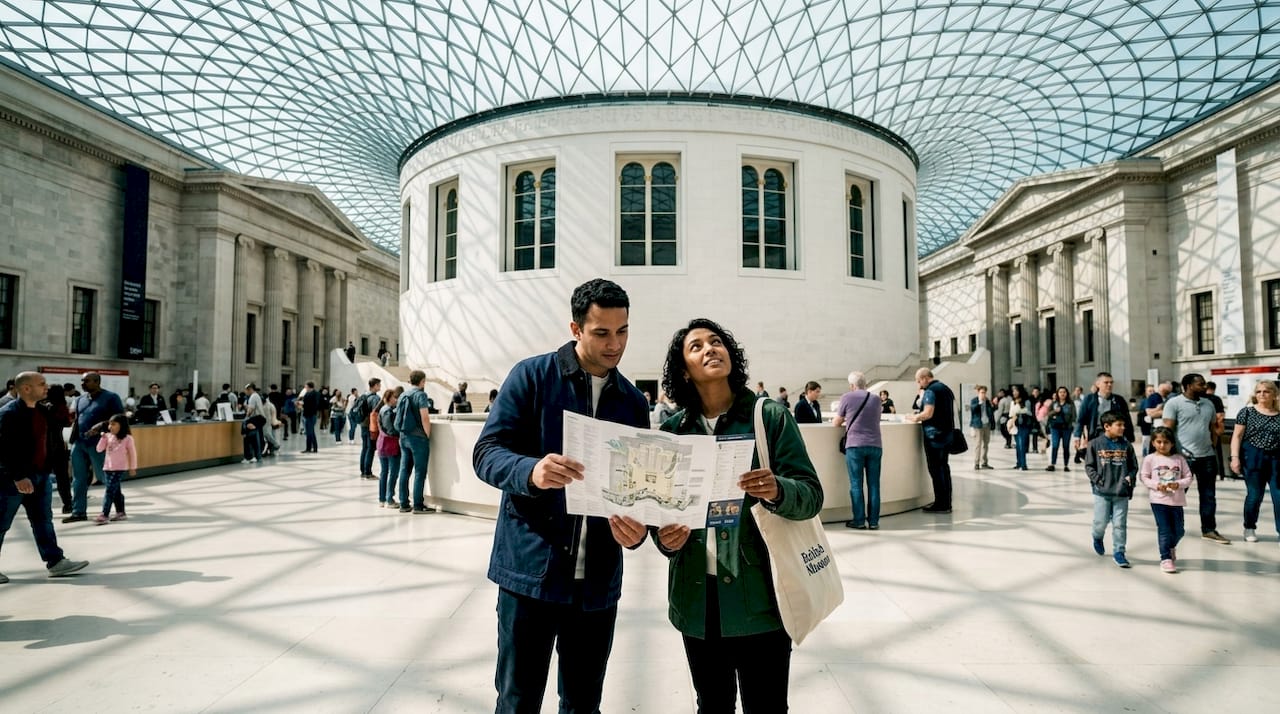
Here is a comparison of popular London attractions by cost:
| Attraction | Free or paid | Typical adult price |
|---|---|---|
| British Museum | Free | £0 |
| National Gallery | Free | £0 |
| Hyde Park | Free | £0 |
| Tower of London | Paid | £29 to £34 |
| London Eye | Paid | £28 to £35 |
| Tate Modern | Free (permanent) | £0 |
Iconic landmarks are also largely free to admire from the outside. The exterior of Buckingham Palace is a classic photo stop, especially during the Changing of the Guard ceremony, which is free to watch. Tower Bridge is stunning from the riverbank at no cost, even if the glass walkway inside requires a ticket. The Southbank stretch along the Thames is one of the best free walks in Europe, lined with street performers, public art, and views of St Paul’s Cathedral.
London’s parks are genuinely world-class and completely free. Hyde Park covers 350 acres and offers everything from rowing on the Serpentine to free outdoor concerts in summer. Regent’s Park is home to beautiful gardens and is a short walk from Camden. Greenwich Park offers one of the best panoramic views of the London skyline you will find anywhere.
Top free and low-cost experiences in London:
- Explore the British Museum for a full morning
- Walk the South Bank from Westminster Bridge to Tower Bridge
- Visit Hyde Park and the Serpentine Galleries
- Watch the Changing of the Guard at Buckingham Palace
- Browse the Tate Modern’s permanent collection
- Stroll through Regent’s Park and the surrounding streets
Walking tours are a genuinely low-cost way to see the city with context. Several operators run pay-what-you-can tours through areas like Shoreditch, the City of London, and Covent Garden. These tours are led by passionate locals who bring the history and culture to life in ways that no guidebook can replicate.
Pro Tip: For something truly memorable, seek out the hidden gems that most tourists never find. Places like Dennis Severs’ House in Spitalfields, the Postman’s Park memorial garden near St Paul’s, or the Sir John Soane’s Museum in Holborn offer extraordinary experiences with little or no admission charge. These spots reward curious travellers far more than any overpriced tourist trap.
If you are visiting for the first time, the top 10 attractions list is a brilliant starting point for building your itinerary around the best the city has to offer.
Where to eat in London on a tight budget
After exploring London’s sights, you will need tasty but affordable food. Here is how to eat well for less.
London’s food markets are the single best way to eat brilliantly without spending much. London has affordable and diverse food markets spread across almost every neighbourhood, making it easy to find something delicious at any budget. Borough Market near London Bridge is a favourite for good reason. Borough Market Kitchen offers a rotating selection of street food stalls where you can eat a full, satisfying meal for around £8 to £12. Arrive on a weekday morning to avoid the weekend crowds.
Brick Lane in East London is the go-to destination for affordable curry and South Asian food. The street is packed with restaurants competing for your custom, and a generous curry with rice and bread rarely costs more than £10. Camden Market is another brilliant option, with food stalls offering everything from Ethiopian injera to Japanese ramen at very reasonable prices.
Budget eating strategies that actually work:
- Buy a supermarket meal deal for lunch (Tesco, Sainsbury’s, and Boots all offer sandwich, snack, and drink combinations for around £3.50)
- Visit food markets on weekday mornings for shorter queues and fresher produce
- Look for “early bird” or set lunch menus at sit-down restaurants, often half the price of dinner
- Use apps like Too Good To Go to buy surplus food from cafés and restaurants at a steep discount
- Drink tap water at restaurants rather than paying for bottled water
For a wider view of restaurant options by area, it is worth planning your meals around your sightseeing route. Eating in Soho, Brixton, or Peckham will generally cost less than eating directly beside major tourist landmarks.
Pubs deserve a special mention. A pint of beer in a local neighbourhood pub typically costs £4.50 to £6, compared to £8 or more at a bar near the South Bank or Covent Garden. Many pubs also serve affordable, filling food such as pies, fish and chips, and Sunday roasts. Exploring the different London neighbourhoods will lead you to far better value pubs than those clustered around tourist hotspots.
Pro Tip: Pack a picnic from a supermarket and eat it in one of London’s royal parks. A decent spread of sandwiches, fruit, crisps, and a drink costs under £6 from Lidl or Aldi, and eating in Hyde Park or Green Park on a sunny afternoon is genuinely one of the best experiences London offers, for any budget.
Finding budget-friendly places to stay in London
Once you have sorted food, it is time to figure out where to rest your head without overspending.
Hostels remain the most affordable option for solo travellers and backpackers. A dorm bed in a well-reviewed central hostel typically costs between £20 and £35 per night. Look for hostels in areas like Elephant and Castle, Bethnal Green, or King’s Cross, which offer good transport connections without the premium prices of central postcards like Mayfair or Kensington.
For those who prefer a private room, budget hotel chains offer surprisingly good value when booked in advance. Premier Inn County Hall on the South Bank is a strong example of a centrally located budget hotel that puts you within walking distance of the London Eye, Tate Modern, and Borough Market. Booking two to three months ahead and being flexible with dates can cut the price significantly.
Practical tips for finding affordable accommodation:
- Use comparison sites like Hostelworld, Booking.com, and Google Hotels to compare prices side by side
- Check cancellation policies carefully so you can rebook if prices drop
- Read reviews specifically mentioning noise levels and security for hostels
- Consider staying Sunday to Thursday nights, which are almost always cheaper than weekends
- Look at Airbnb for shared flat options, particularly for stays of a week or longer
Pro Tip: Staying one or two Tube stops outside Zone 1 can cut your accommodation costs by 30 to 50% while adding only five to ten minutes to your journey time. Areas like Brixton, Hackney, Dalston, and Tooting offer excellent local food scenes, vibrant street life, and far cheaper beds than central London, making them brilliant bases for budget travellers who want an authentic experience.
Why true London adventure is about mindset, not money
Here is something that experienced budget travellers understand, but most travel guides never say clearly: the best experiences in London are rarely the ones you pay the most for.
The city rewards curiosity. A spontaneous wander through Bermondsey’s antique market on a Saturday morning, stumbling upon a free jazz performance in a Soho courtyard, or sitting on the steps of St Paul’s Cathedral watching the city move around you, these moments cost nothing and stay with you far longer than a ticket stub. We have seen countless travellers spend hundreds of pounds on organised experiences and leave feeling vaguely disappointed, while those who slow down and explore with open eyes come away genuinely moved.
There is also a tendency for budget travellers to focus purely on cutting costs, which can paradoxically make a trip feel stressful and joyless. The better approach is to think about value rather than just price. Spending £12 on a brilliant bowl of ramen in a tiny Soho restaurant is better value than spending £6 on a disappointing sandwich near a landmark. Choosing a hostel with a lively common room where you meet fellow travellers is better value than a slightly cheaper room in a place where you feel isolated.
London’s free cultural calendar is extraordinary and massively underused by visitors. The Barbican, the Southbank Centre, and countless smaller venues run free events, performances, and exhibitions throughout the year. Following local event listings and discovering hidden London experiences will consistently outperform anything you find in a mainstream tourist brochure.
Even Londoners themselves use these budget strategies. The idea that budget travel is somehow a lesser form of travel is simply wrong. Some of the most knowledgeable, well-travelled people we know have explored this city for years on tight budgets and know it more intimately than those who have stayed in five-star hotels. Resourcefulness, curiosity, and a willingness to go slightly off the beaten path are the real currencies of a great London adventure.
Your next step: explore London with expert guidance
Ready to turn inspiration into action? London Vacation Guide is here to help you plan every detail of your trip. From curated area guides covering every corner of the city to a full London business directory packed with local restaurants, attractions, and services, you will find everything you need in one place. Whether you are hunting for the best street food in Brixton or trying to find a budget hostel near a good Tube line, our expert London guide has you covered. Start planning your affordable London adventure today and discover just how much this city has to offer.
Frequently asked questions
What are the best free attractions in London for budget travellers?
Top free attractions include the British Museum, Hyde Park, and the National Gallery, all offering world-class experiences without an admission fee.
How can I save money on transport in London?
Use an Oyster card or contactless payment for discounted, capped fares on public transport, and walk between nearby attractions whenever possible to avoid unnecessary journeys.
Where should I stay in London to balance affordability and convenience?
Look for budget hotels or hostels near transport links or in neighbourhoods just outside Zone 1 for the best combination of price and access to the city.
What is a typical daily budget for eating out in London?
You can expect to spend £10 to £20 per day if you focus on markets and meal deals alongside affordable cafés and supermarket options.