How to explore London on a budget: insider tips

Trying to see London without breaking the bank can feel impossible. The city has a reputation for eye-watering prices, and it’s easy to assume that world-class experiences come with a world-class bill. But that’s simply not true. With careful planning, the right tools, and a few insider tricks, you can fill your days with iconic sights, brilliant food, and memorable moments without overspending. This guide walks you through everything from budgeting and transport to free attractions, affordable dining, and cheap places to stay, so you can make the most of every penny. Read our guide to how to explore London on a budget.
Table of Contents
- Planning your budget adventure
- Must-see London sights that are free or inexpensive
- Where to eat in London on a tight budget
- Finding budget-friendly places to stay in London
- Why true London adventure is about mindset, not money
- Your next step: explore London with expert guidance
- Frequently asked questions
Key Takeaways
| Point | Details |
|---|---|
| Prep saves money | Careful planning and the right tools make exploring London affordable and stress-free. |
| Free sights abound | London offers dozens of iconic museums, parks and landmarks with no entry fee. |
| Markets for meals | Local food markets and supermarkets provide affordable, quality options for every taste. |
| Neighbourhoods matter | Staying outside the city centre and using public transport can dramatically cut costs. |
| Mindset beats money | Curiosity and resourcefulness deliver unforgettable London experiences no matter your budget. |
Planning your budget adventure
Before you even set foot in London, a little preparation goes a long way. Start by working out a realistic daily budget. Most budget travellers find they can get by comfortably on £50 to £80 per day, covering transport, food, and a mix of free and low-cost activities. Knowing your numbers upfront stops you from overspending on day one. Read our guide to your essential London travel guide.
For getting around, the Oyster card is your best friend. Load it up before you travel and tap in and out on the Tube, buses, and overground services. Contactless bank cards work just as well and are capped at the same daily fare limit, so you never pay more than a set amount no matter how many journeys you make. Avoid buying single paper tickets as these are significantly more expensive.
The free things to do in London are genuinely world-class, and planning your itinerary around them is the smartest move you can make. Many of London’s free and low-cost attractions are open year-round, so timing your visit isn’t critical, but going on weekday mornings means shorter queues and a calmer experience.
Essential kit for budget travel in London:
- A reusable water bottle (tap water is perfectly safe and free everywhere)
- Comfortable walking shoes (you’ll cover miles on foot)
- Packed snacks from a supermarket to avoid expensive café stops
- A downloaded offline map to avoid roaming charges
- A student or youth railcard if you’re eligible for discounts
Exploring different neighbourhood guides can also help you plan routes that cluster sights together, cutting down on transport costs.
| Expense | Budget option | Estimated daily cost |
|---|---|---|
| Transport | Oyster/contactless (capped) | £5–£8 |
| Breakfast | Supermarket meal deal | £2–£4 |
| Lunch | Market street food | £5–£8 |
| Dinner | Affordable café or pub | £8–£12 |
| Sightseeing | Free museums and parks | £0–£5 |

Pro Tip: Book any paid attractions well in advance online. Many venues offer discounted early-bird rates, and student or youth passes can cut entry fees by up to 30%.
Must-see London sights that are free or inexpensive
With a solid prep plan in place, let’s look at the best sights you can enjoy without spending a fortune. London is genuinely one of the most generous cities in the world when it comes to free culture, and many of its famous sites are free, including major museums and landmarks that would cost a small fortune in other cities. Read our guide to plan your perfect London vacation.
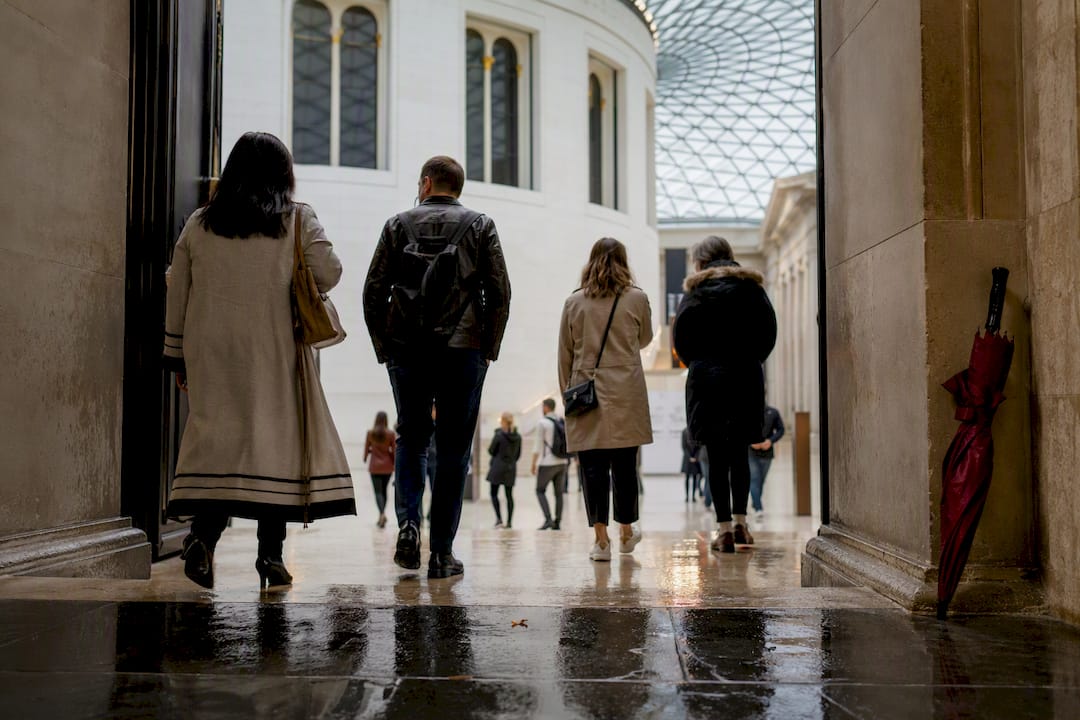
The British Museum is an absolute must. It houses over eight million objects spanning human history, and entry is completely free. The National Gallery on Trafalgar Square is equally impressive, holding one of the finest collections of European paintings in the world. Neither charges a penny for general admission.
For iconic landmarks, you don’t need to pay to feel the magic. Buckingham Palace is spectacular from the outside, and the Changing of the Guard ceremony is free to watch. Tower Bridge looks extraordinary from the riverbank at no cost, and a walk across it gives you stunning views of the Thames. If you want to splash out on one paid attraction, the London Eye offers a genuinely unforgettable view of the city skyline.
London’s parks are a secret weapon for budget travellers. Hyde Park, Regent’s Park, and Greenwich Park are all free, vast, and beautiful. They’re perfect for a picnic, a morning run, or simply sitting and soaking up the atmosphere.
Top free and low-cost sights in London:
- British Museum (free)
- National Gallery (free)
- Hyde Park and Regent’s Park (free)
- Tate Modern (free general admission)
- Borough Market (free to browse, cheap to eat)
- Buckingham Palace exterior and Changing of the Guard (free)
- Greenwich and the Cutty Sark area (free to walk)
| Sight | Cost | Best time to visit |
|---|---|---|
| British Museum | Free | Weekday mornings |
| National Gallery | Free | Any time |
| Hyde Park | Free | Afternoons |
| Tower Bridge exterior | Free | Sunset |
| London Eye | From £28 | Off-peak weekdays |
For something a little different, walking tours are a low-cost way to see the city with expert commentary. Many operate on a pay-what-you-can basis. You can also seek out hidden gems that most tourists completely miss, from secret gardens to forgotten Victorian architecture. These off-the-beaten-track spots often tell a richer story than the headline attractions.
Pro Tip: Check the Hidden London programme run by Transport for London. It offers guided tours of disused Tube stations and forgotten tunnels beneath the city, usually for under £30 and utterly unlike anything else you’ll do here.
Where to eat in London on a tight budget
After a full day of exploring, you’ll be hungry. The good news is that London’s food scene is brilliantly diverse and surprisingly affordable if you know where to look. The city has a wealth of affordable and diverse food markets that cater to every taste and budget.
Borough Market Kitchen is a favourite for budget eating, offering everything from fresh bread and cheese to hot street food from around the world. Brick Lane in East London is legendary for cheap curry houses and bagel shops that are open around the clock. Camden Market is another brilliant option, with dozens of food stalls selling global cuisines for £5 to £10 a portion.

For lunch, supermarket meal deals are genuinely excellent value. Most major chains offer a sandwich, snack, and drink for around £3.50 to £4.50. It’s not glamorous, but it keeps costs down so you can spend more on experiences.
Budget eating tips for London:
- Visit markets in the late afternoon when vendors discount unsold food
- Look for set lunch menus at restaurants, often half the price of dinner
- Explore restaurant options by area to find affordable local spots rather than tourist-trap eateries near major sights
- Grab a picnic from a supermarket and eat in one of the royal parks
- Choose local pubs over hotel bars for a cheaper pint and often better atmosphere
Browsing the London neighbourhoods guide can point you towards areas like Peckham, Dalston, and Whitechapel, where the food is incredible and the prices haven’t been inflated by tourist footfall.
Pro Tip: Splitting dishes with a travel companion at street food markets is a brilliant way to try more variety without doubling your spend. Most portions are generous enough to share comfortably.
Finding budget-friendly places to stay in London
Once you’ve sorted your food plan, it’s time to think about where to sleep without blowing your budget. Accommodation in London can be pricey, but there are genuinely good options at every price point if you book smart and think strategically about location.
Hostels remain the go-to choice for backpackers. London has a strong hostel scene with well-reviewed options in areas like King’s Cross, Elephant and Castle, and Bethnal Green. Dormitory beds can be found for £20 to £35 per night, and many hostels include free breakfast or communal kitchens where you can self-cater.
For those who prefer a private room, centrally located budget hotels offer surprisingly good value when booked in advance. Premier Inn County Hall sits right on the South Bank with views of the Thames and is regularly available at competitive rates for a branded hotel in a prime location.
Smart accommodation tips:
- Book at least six to eight weeks ahead for the best rates
- Use comparison sites but always check the hotel’s own website for direct booking deals
- Prioritise proximity to Tube or bus links over being in the very centre
- Consider shared flat platforms for stays of a week or more
- Look at neighbourhoods in zones 2 and 3 for significantly cheaper nightly rates
Pro Tip: Staying in a zone 2 neighbourhood rather than zone 1 can save you £20 to £40 per night on accommodation, and with a capped Oyster fare, the extra travel cost is minimal.
Why true London adventure is about mindset, not money
Here’s something most budget travel guides won’t tell you: the travellers who have the richest experiences in London are rarely the ones who spend the most. They’re the ones who stay curious.
London rewards people who wander without a rigid plan. Some of the city’s best moments happen when you stumble into a free lunchtime concert at a church in the City, catch an open-air theatre performance in a park, or join a spontaneous street festival in Brixton. These things cost nothing and are impossible to book in advance.
Many visitors fixate on ticking off the headline attractions and miss the living, breathing city around them. The street art in Shoreditch, the flower market on Columbia Road on a Sunday morning, the chess players in Lincoln’s Inn Fields. None of it costs a penny. You can discover hidden London that even many locals haven’t seen. Read our guide to why visit London in spring? Insider tips for US travellers.
Even Londoners themselves use these budget strategies regularly. The free museums, the parks, the markets. This isn’t a compromise. It’s actually how the city is best experienced. Spending more doesn’t buy you a better London. It just buys you a more expensive one. Read our guide to how museums shape London tourism.
Your next step: explore London with expert guidance
You’ve got the knowledge. Now it’s time to put it into action and start planning a London trip that’s rich in experience and light on your wallet.

London Vacation Guide is your go-to expert London guide for everything from neighbourhood deep-dives to curated dining recommendations and local business listings. Browse our area guides to find the best spots to stay, eat, and explore across the city. Our London business directory connects you with top-rated local services, attractions, and experiences, many of which offer deals you won’t find anywhere else. Start planning today and make your London adventure everything you’ve imagined.
Frequently asked questions
What are the best free attractions in London for budget travellers?
Top free attractions include the British Museum, Hyde Park, and the National Gallery, all offering world-class experiences without an admission fee. Tate Modern and the Natural History Museum are equally impressive and also free to enter.
How can I save money on transport in London?
Use an Oyster card or contactless payment for discounted fares on public transport, as both are subject to a daily fare cap. Travelling outside peak hours, typically before 6:30am and after 9:30am, reduces your fare further.
Where should I stay in London to balance affordability and convenience?
Look for budget hotels or hostels near transport links, as central budget hotels can offer great value when booked ahead. Neighbourhoods in zones 2 and 3 often provide much cheaper nightly rates with easy access to the centre.
What is a typical daily budget for eating out in London?
You can expect to spend £10 to £20 per day if you focus on affordable meal options like markets, supermarket meal deals, and budget cafes. Avoiding tourist-heavy areas near major sights keeps costs noticeably lower.
Recommended
- Hidden London: Secret Spots Most Tourists Miss - The London Journal | London Vacation Guide
- Best Free Things to Do in London (2025 Guide) - The London Journal | London Vacation Guide
- Top 10 Things to Do in London for First-Time Visitors - The London Journal | London Vacation Guide
- The Perfect 3-Day London Itinerary - The London Journal | London Vacation Guide