Summer in London gets an unfair amount of good press. The reality: overcrowded parks, overheated tube carriages, queues that stretch around the block at every major attraction, and hotel prices that climb without apology. July and August have their moments, but they are not the months that make people fall in love with the city.
That happens in spring. Specifically, it happens in April and May, when something genuinely changes in the way London feels, and when anyone who's experienced both seasons will tell you the city is operating at something close to its actual best.
The Cherry Blossoms Nobody Talks About Enough
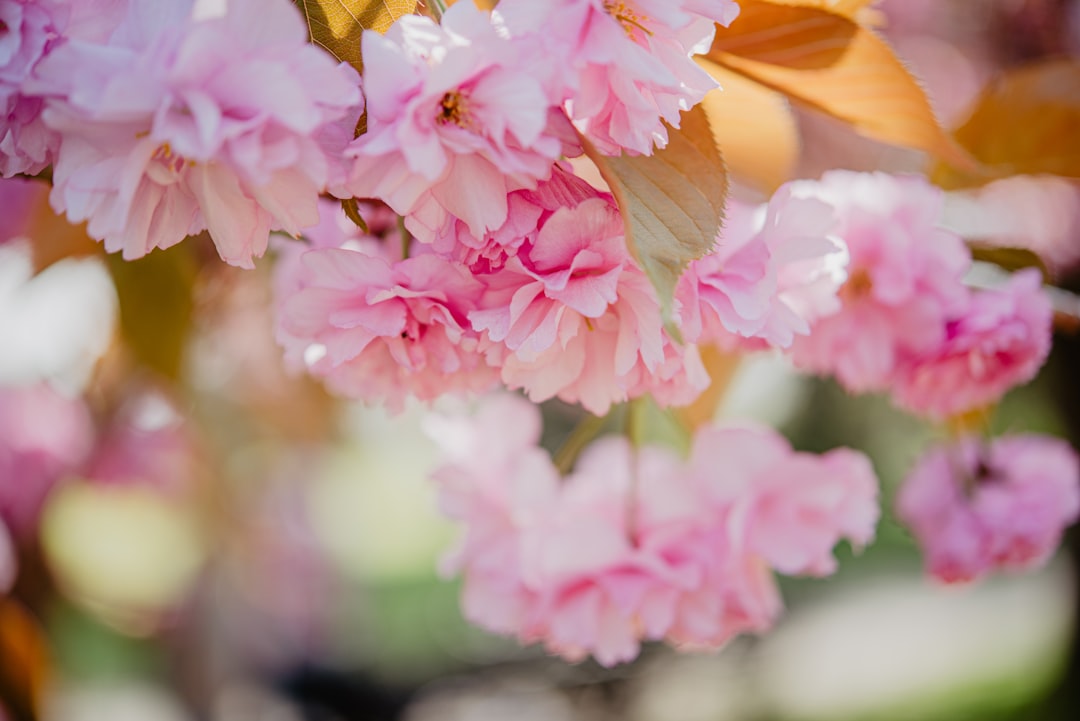
Japan gets all the sakura coverage, but London has a quiet abundance of cherry trees that most visitors simply don't know about. From mid-April through early May, Greenwich Park transforms into something quite extraordinary: the long avenues of cherry trees running through the park turn pink and white, and on a bright afternoon the effect is legitimately breathtaking.
St James's Park delivers a more central option, with cherry and ornamental trees coming into bloom within walking distance of Buckingham Palace and Westminster. Kensington Gardens offers another pocket of blossom worth seeking out. None of these require a ticket, a booking, or a queue. You just show up.
The timing varies by a week or two depending on the year, but late April is reliably the sweet spot. Come on a weekday morning if you want photographs without other people in them.
The London Marathon Changes the City for a Day
Every April, approximately 50,000 runners trace a route from Greenwich Park through the City and along the Embankment to the Mall, and for those 26.2 miles, London becomes something different. The crowds line the route three and four deep in places. There are bands at every mile marker, strangers sharing food and encouragement with runners they've never met, and a general atmosphere of collective goodwill that the city doesn't always manage to produce.
You don't need a ticket to watch. Pick a point along the route (Tower Bridge at mile 12 is the most photographed stretch, but the final mile down the Mall is where the emotion runs highest) and just stand there. It's one of the best free spectacles London puts on all year, and it's available to anyone who shows up on the day.
The 2026 race runs on April 26.
The Chelsea Flower Show Is Worth the Fuss
Every May, the grounds of the Royal Hospital Chelsea host the RHS Chelsea Flower Show: five days of garden installations, floral displays, and horticultural ambition from designers and growers across the world. It sounds niche. It isn't. Over 150,000 people attend each year, and the installations range from quietly beautiful to genuinely surprising in scale and inventiveness.
Tickets require advance booking and are not cheap (expect to pay £40-£70 for a standard day ticket). But the show runs from 19 to 23 May, and the week it's on, Chelsea itself has an energy that spills well beyond the venue gates. The neighborhood fills with florists, garden suppliers, and people who've taken the week off work specifically to be here. It's one of those events that makes you understand something about how Londoners actually live.
The Parks Are Alive and the Crowds Haven't Arrived Yet
In July and August, London's parks become shared infrastructure, packed with tourists on picnic blankets, queues for the cafes, football being played on every available patch of grass. In April and May, you still get the parks at full bloom but without the density. The grass is actually green (the summer heat tends to brown it by July). The mornings have that quality of light that only comes in spring, low and golden and slightly unreal.
Hyde Park, Regent's Park, Hampstead Heath: all of them reward spring visits in a way they simply can't replicate in high summer. Regent's Park in particular reaches a kind of peak in late May when the rose garden comes into bloom, at which point the combination of scent and colour is enough to make even committed city people momentarily reconsider their priorities.
The Evenings Are Long and the Terraces Are Open
By May, London is running on 16-hour days. Sunset doesn't arrive until after 9pm. This changes the social arithmetic of the city completely: there's time after work for a walk along the Thames, for a drink on a pub terrace, for dinner at an outdoor table, for wandering through a neighbourhood you've been meaning to explore. All of it feels unhurried in a way that summer, paradoxically, often doesn't.
The South Bank in the early evening in May is one of London's best arguments for itself: the Tate Modern on one side, Borough Market's edges bleeding into the foot traffic, the river catching the last light, street performers doing their thing for genuinely appreciative audiences. It costs nothing. It requires no booking. It's just the city being the city at a moment when it's doing it particularly well.
The Practical Case for Coming in Spring
Hotel rates in April run 15-25% lower than peak summer. Major attractions are accessible without two-hour queues. The transport network runs at a pace that doesn't make you resent other people. The weather sits in a range (10 to 16 degrees, plenty of sunshine, the occasional shower) that rewards a light jacket and a willingness to improvise rather than demanding full commitment to either indoor or outdoor plans.
Summer in London has a reputation that it largely deserves. But spring is when the city is genuinely, quietly, undeniably at its best. Come in April or May and you'll understand why every Londoner will tell you, with mild irritation, that tourists always seem to show up at the wrong time.