4 Things to Book Before You Visit Accessible London Attractions

London’s most reliably accessible attractions include the London Eye, St Paul’s Cathedral, Kew Gardens, ZSL London Zoo, Tower Bridge, the Natural History Museum and SEA LIFE London Aquarium, each offering step-free routes, lifts or ramps, and dedicated wheelchair spaces. The one task that matters more than any other: check the venue’s own accessibility page and book wheelchair or companion slots in advance. Expect a genuine mix of indoor culture, riverside walking and green space, all workable with the right prep.
TL;DR:
- Booking wheelchair or companion tickets in advance is essential at high-demand attractions like the London Eye, which limits wheelchair capacity to eight users at a time.
- Kew Gardens and ZSL London Zoo provide free mobility scooter and wheelchair hire with pre-booking, and their accessible paths span the majority of the sites for easy full-day exploration.
- Access to older buildings such as St Paul’s Cathedral and historic sites may restrict scooters or manual wheelchair use due to narrow doorways or listed floors, so confirm policies beforehand.
- Thames Clipper services offer level, accessible river transportation linking main attractions, but check pier accessibility details to avoid low-tide steep gangways.
- Early-morning or late-afternoon visits to major sites reduce congestion, providing more space and calmer environments for visitors with limited mobility.
Table of Contents
- What makes these London attractions genuinely accessible
- Getting around: accessible transport beyond the tube
- Booking tickets, wheelchair slots and companion passes
- Facilities checklist: toilets, parking and scooter rules
- Planning your visit: timing, neighbourhoods and where to stay
- A practical accessible day out, start to finish
- Official pages and practical resources to check before you go
- Sources
- FAQ
What makes these London attractions genuinely accessible
Accessibility varies wildly between “there’s a lift somewhere” and “we’ve mapped every kerb for you.” Here’s what each major site actually offers, gate by gate.
London Eye. Each glass pod holds up to two wheelchair users, and the wheel as a whole accommodates a limited number of wheelchair users at any one time. That capacity limit is why the London Eye’s accessibility page so strongly urges booking a wheelchair time slot rather than turning up and hoping. Boarding uses a slow-moving capsule system rather than a full stop, so staff assist wheelchair users onto a stationary platform first. Go first thing on a weekday morning if you want the queue and the boarding process calm rather than chaotic.
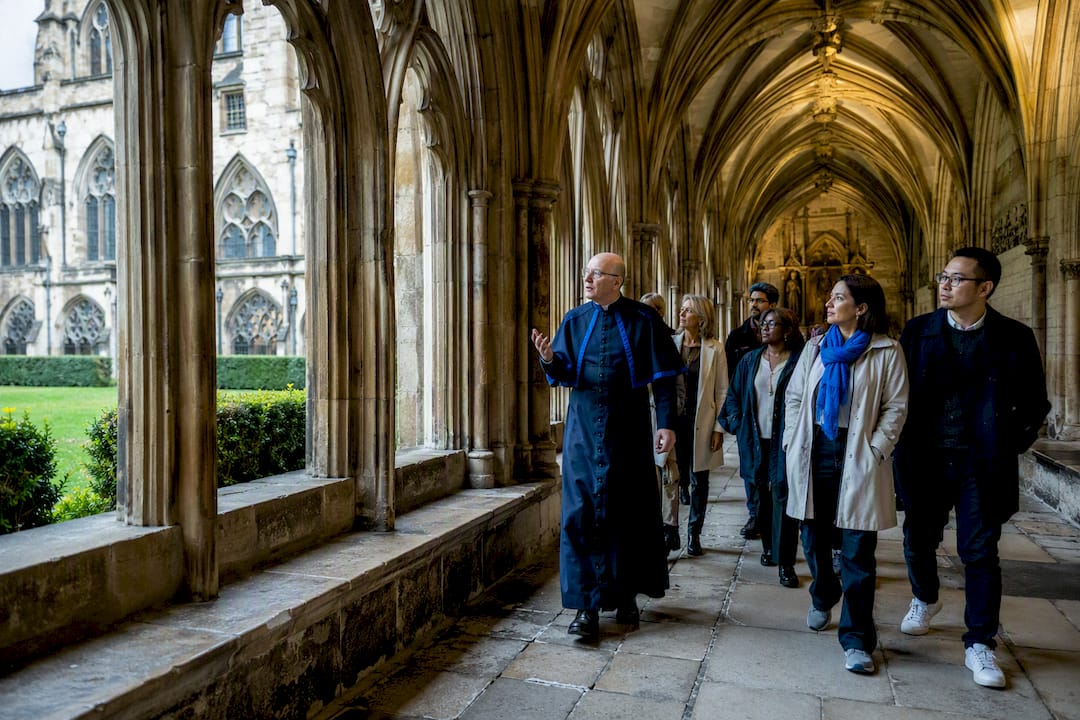
St Paul’s Cathedral. The north transept entrance gives ramped, step-free access into the nave, and lifts reach the Crypt, where the café and shop sit. Disabled visitors receive a free ticket alongside one accompanying carer, which matters given standard admission runs into double figures. The climb to the Whispering Gallery and dome remains stairs only, so if that’s the highlight you’re after, ask staff about the video content offered as an alternative.
Kew Gardens. Spread across 320 acres of largely flat, tarmacked paths, Kew is one of the easiest full days out for wheelchair and scooter users anywhere in London. Kew’s accessibility map shows mobility scooter hire points (book ahead, as stock is limited) and 11 Blue Badge spaces in the main car park. The Broad Walk and Palm House loop are the smoothest routes if you’re managing fatigue on a manual chair.

ZSL London Zoo. Despite occupying a Victorian site with twelve listed buildings, the zoo has worked hard on ramped or level access to most enclosures. It runs a Changing Places facility at Animal Adventure, plus mobility scooters and wheelchairs for hire against a deposit, pre-booked. The zoo also partners directly with disability organisations and treats access as something to keep improving rather than a box already ticked.
Tower Bridge. The exhibition and glass walkways have lift access throughout, though the Engine Rooms sit slightly apart and involve a short walk. Weekday mornings before the coach parties arrive are calmer for anyone sensitive to crowds or noise.
SEA LIFE London Aquarium. Level access runs through the whole visitor route, with wide paths built for pushchairs that work equally well for wheelchairs. It gets loud near the shark tunnel, so if sensory overload is a concern, ask about quieter entry windows.
Natural History Museum. Lifts connect all public floors, and the museum runs induction loops, tactile maps, large-print guides and loan wheelchairs. It also schedules quieter hours, branded Early Birds and Night Owls, specifically for visitors who find busy galleries overwhelming. The Science Museum next door mirrors most of this.
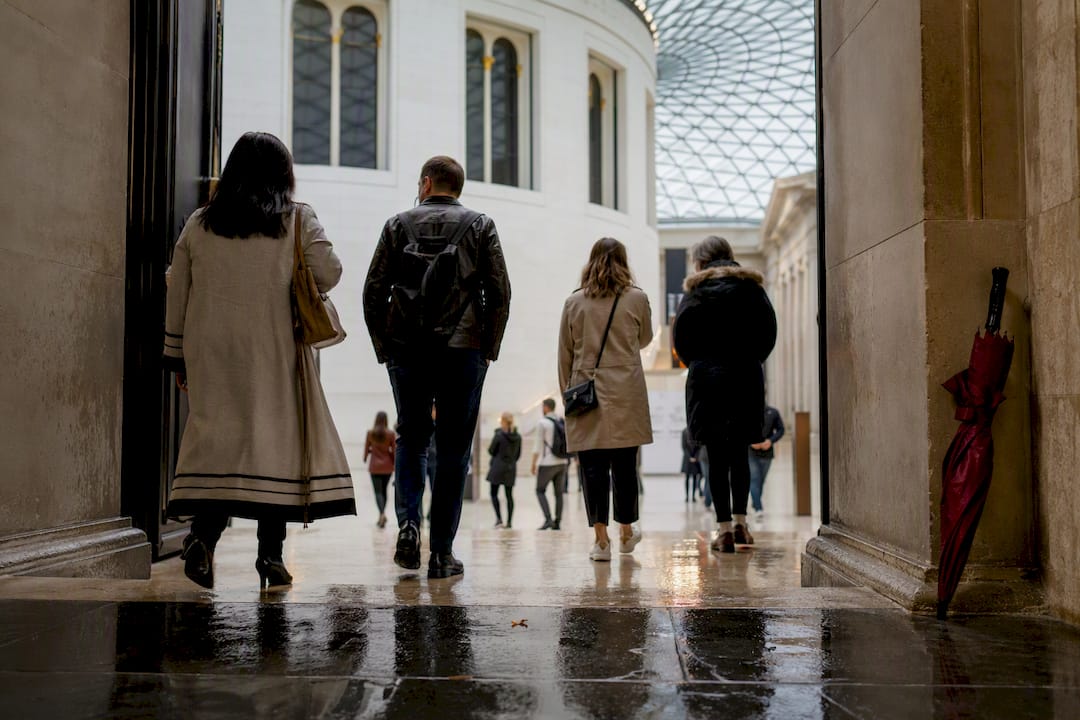
British Museum. Level access covers the Great Court and most galleries via lifts, with wheelchairs available to borrow at the entrance. The Egyptian sculpture gallery gets packed by mid-morning, so aim for opening time if you want room to manoeuvre.
Buckingham Palace. State Rooms open in summer with step-free routes and an Access Companion ticket scheme, though parts of the working palace remain closed regardless of mobility needs. VisitLondon’s access guidance is worth checking each season, since opening arrangements shift.
Warner Bros. Studio Tour London. The Leavesden site is purpose-built rather than retrofitted, so it has wide, flat routes throughout the Great Hall and backlot, plus wheelchair loan on arrival.
Statistic callout: The London Eye’s cap of eight wheelchair users at any one time, across the entire attraction, is the tightest capacity limit on this list. Book your slot the moment you buy tickets, not the week before.
Getting around: accessible transport beyond the tube
Step-free London Underground stations remain patchy, particularly on older Zone 1 lines. That’s exactly why the river deserves more attention than most visitors give it.
Uber Boat by Thames Clippers runs accessible services from 24 piers along the Thames, making it a genuinely practical way to string together riverside attractions without touching the tube at all. A handful of piers aren’t step-free, including Cadogan, London Bridge City and Wandsworth Riverside Quarter, so check the specific pier you need before building a route around it. The Thames Clipper network links the London Eye, Tower Bridge and Greenwich in one uninterrupted, level-access hop, which beats changing lines underground with a manual chair.
For everything else:
- London’s buses are fully low-floor and step-free, and drivers deploy ramps on request, making them more reliable than the tube for cross-city journeys.
- Black cabs are wheelchair accessible by law and can be flagged or booked through most ride apps.
- TfL’s step-free journey planner flags which stations actually have lifts, not just escalators, so check both legs of any tube journey before committing to it.
- Blue Badge holders can park free at many on-street bays in central London, though red routes and some boroughs have separate rules worth checking ahead.
Pro Tip: Tide conditions affect pier boarding at some Thames Clipper stops, especially at low tide when gangway gradients steepen. If you’re using a scooter rather than a manual chair, call ahead on the day rather than assuming morning conditions will match the afternoon.
A Thames river cruise also works well as a sightseeing leg in its own right, not just transport between stops.
Booking tickets, wheelchair slots and companion passes
Sort these four things before you leave home, ideally the same day you book anything else:
- Reserve your wheelchair time slot where the attraction requires it. The London Eye is the clearest example: with only eight wheelchair spaces available across the whole wheel at any given moment, advance booking is effectively mandatory if you want a guaranteed capsule.
- Claim your free or discounted companion ticket early. St Paul’s offers a disabled visitor and one carer free of charge, but you still need to request this when booking rather than at the door.
- Pre-book hire wheelchairs or scooters with a deposit. Kew Gardens and ZSL London Zoo both offer scooter or wheelchair loan, but stock is limited and allocated on a first-come basis.
- Confirm your booking 48 to 72 hours out. Venue policies shift seasonally, and a confirmation call catches any last-minute access changes, like a lift out of service, before you’ve already travelled across town.
VisitBritain’s guidance on accessible breaks in London makes the same point: pre-booking isn’t bureaucracy for its own sake, it’s what protects your day from unravelling.
Facilities checklist: toilets, parking and scooter rules
A standard accessible toilet and a Changing Places facility are not the same thing, and the difference matters enormously if you or someone travelling with you needs one. Changing Places toilets include an adult-sized changing bench and a hoist, features a standard accessible cubicle simply doesn’t have.
Before booking anything, confirm:
- Whether the venue has a Changing Places facility (ZSL London Zoo has one at Animal Adventure) or only standard accessible toilets.
- Lift dimensions, if you use a larger powered chair, since some historic buildings have Victorian-era lift shafts that weren’t built with modern scooters in mind.
- Whether a hoist or sling is available, or whether you need to bring your own.
- Blue Badge parking availability and whether the venue’s own car park has designated bays, as Kew Gardens does with 11 spaces.
- Mobility scooter policy specifically, since historic buildings such as St Paul’s Cathedral often permit manual wheelchairs everywhere but restrict scooters to certain routes because of narrow doorways or listed flooring.
None of this is listed consistently across venues, which is exactly why checking each attraction’s own access page beats relying on a general assumption that “accessible” means the same thing everywhere.
Planning your visit: timing, neighbourhoods and where to stay
South Bank, South Kensington and Westminster work best as accessible sightseeing bases, mostly because each cluster keeps major attractions within a short, mostly flat walk of one another rather than forcing tube transfers between them. South Kensington in particular puts the Natural History Museum, Science Museum and V&A within rolling distance of each other.
Timing matters as much as location. Early-morning entry, ideally the first hour after opening, or late-afternoon slots in the final ninety minutes before close, consistently mean shorter queues, more room to manoeuvre a chair through galleries, and calmer conditions for anyone managing sensory sensitivity. The Natural History Museum’s Early Birds and Night Owls sessions exist precisely for this reason.
When booking somewhere to stay, prioritise:
- Level access from the street to reception, not just a step or two with a temporary ramp.
- A wet-room bathroom rather than a bath-only en suite.
- Ceiling hoist availability if you need one, confirmed directly with the hotel rather than assumed from a general “accessible room” listing.
London Vacation Guide’s neighbourhood guides break down transport links and step-free routes area by area, which is worth cross-checking against whichever attractions sit top of your list. Pairing a South Bank stay with river transport, for instance, can cut out several tube changes entirely.
A practical accessible day out, start to finish

One workable route: start at the Natural History Museum for the first hour after opening, when galleries are quietest and lift queues barely exist. Head to South Bank for lunch around midday, then book a London Eye wheelchair slot for early afternoon, well before the after-school crowd arrives. Finish at Tower Bridge in late afternoon, when the exhibition thins out.
Book the Eye slot the same day as everything else, since availability tightens fast on weekends. The habit worth building: call ahead to the first venue on any list and ask what’s changed since their page was last updated. Staff on the ground know about a broken lift or a rerouted ramp before the website catches up.
— Matt
Official pages and practical resources to check before you go
Before booking, check the London Eye’s accessibility page, Kew Gardens’ access guide, ZSL London Zoo’s accessibility information, and VisitLondon’s accessible London overview for the latest facility details.
For a fuller first-time visitor plan that pairs neighbourhoods with attractions, London Vacation Guide’s essential guide for first-time visitors is a good next step for building out your itinerary.
Sources
This guide draws on official venue accessibility pages, published TfL and Thames Clippers guidance, and VisitBritain’s national accessible-tourism resources. Local knowledge and neighbourhood curation shaped the routing and timing advice throughout. Accessibility provisions change: lifts go out of service, scooter policies shift, Changing Places facilities open or close for maintenance. Always confirm live details, and if you need specific measurements such as lift dimensions or doorway widths, contact the venue directly before you travel.
- Accessibility | The London Eye
- Accessibility at the Cathedral | St Paul’s Cathedral
- Accessibility | Kew Gardens
- Accessibility | ZSL London Zoo
- Accessible guide to London | VisitBritain / VisitEngland
FAQ
What are some accessible attractions in London for disabled visitors?
The London Eye, St Paul’s Cathedral, Kew Gardens, ZSL London Zoo, Tower Bridge, the Natural History Museum and SEA LIFE London Aquarium all offer step-free routes, lifts or ramps, and dedicated wheelchair spaces, though booking ahead is essential at high-demand sites like the Eye.
What are the top attractions in London?
Beyond accessibility, London’s most visited sites include the British Museum, the London Eye, Buckingham Palace, the Tower of London and Kew Gardens, most of which also offer meaningful step-free or ramped access for disabled visitors.
How do you see London with limited mobility?
Combine step-free bus routes and accessible Thames Clipper piers with pre-booked wheelchair slots at major attractions, and base yourself in a flat, well-connected area such as South Bank or South Kensington to cut down on tube transfers.
What are free places to visit in London?
The British Museum, Natural History Museum, Science Museum, V&A, National Gallery and Tate Modern all offer free general admission, and most provide free or discounted entry for disabled visitors and their carers, as VisitBritain’s accessible London guidance confirms.