Skip queues on a rainy day in London: book one activity, then a free museum
For a rainy day in London, your best bets are the British Museum or Natural History Museum for a long free wander, Borough Market or Covent Garden for grazing and shelter with atmosphere, and a West End matinee or immersive gallery for something more theatrical. Families do well pairing the Science Museum’s Wonderlab with a calmer museum stop. Book timed slots where they exist and go midweek if you can.
TL;DR:
- Booking timed slots in popular museums like the Natural History Museum and Tate Modern is essential on rainy days to avoid long queues and wait times.
- Major indoor attractions such as the British Museum, Natural History Museum, and Sky Garden provide extensive shelter and impressive views, making them ideal for rainy weather.
- Covered markets like Borough Market, Covent Garden, and Leadenhall Market offer atmospheric indoor browsing and dining options, regardless of rain intensity.
- Planning visits early or midweek can help beat the crowds, especially at free museums where queues tend to spike in wet weather.
- Combining free museums with ticketed attractions or active pursuits, like escape rooms or mini golf, creates balanced indoor itineraries for groups and families.
Table of Contents
- Rainy day London: top indoor highlights to choose from
- Family-friendly rainy day activities that actually hold kids’ attention
- How to beat the queues: museum booking and timing tips
- Where covered markets and arcades turn rain into atmosphere
- West End shows and cinema for a proper wet-afternoon escape
- Escape rooms, mini golf and immersive galleries for active groups
- Two ready-made rainy day itineraries you can follow today
- Insider tips London Vacation Guide swears by for wet weather
- Indoor historical sites that don’t need blue skies
- Public libraries and literary indoor spots worth a detour
- Accessibility at London’s key indoor rainy-day venues
- Rainy day pubs and traditional indoor social spots
- A local’s honest take on rainy days in London
- Plan around the weather with neighbourhood and visitor guides
- Sources
- FAQ
Rainy day London: top indoor highlights to choose from
Rain in London isn’t a scheduling disaster. It’s a nudge towards the version of the city that doesn’t need blue sky to work: cavernous museum halls, glasshouse gardens, market roofs that have kept Londoners dry for centuries.
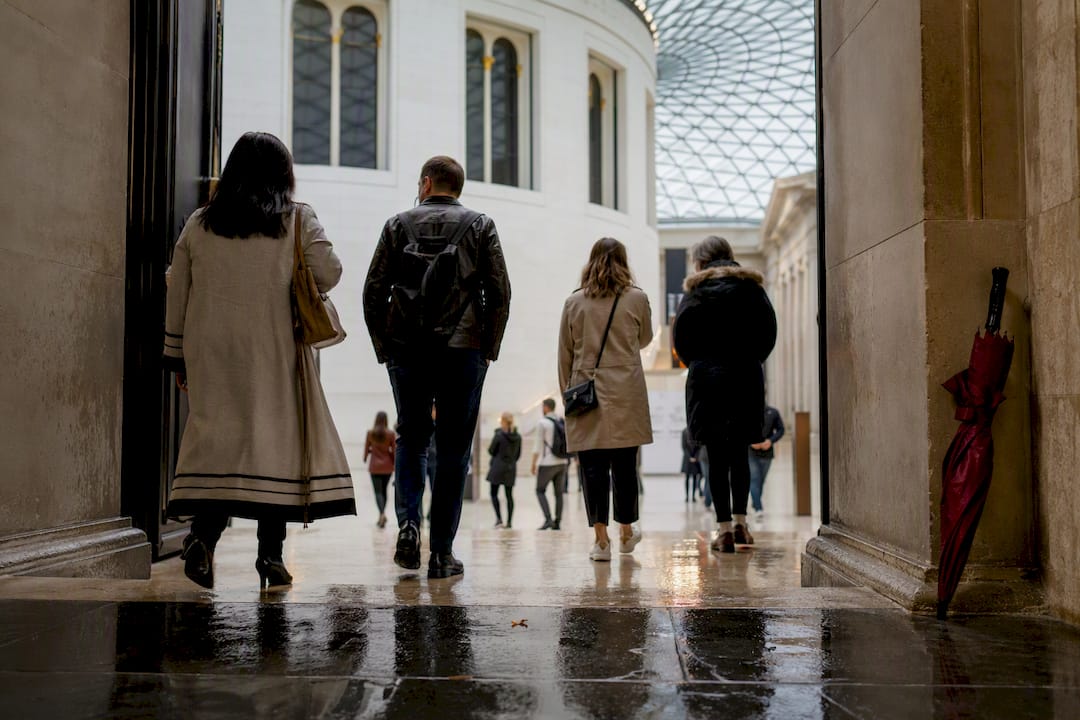
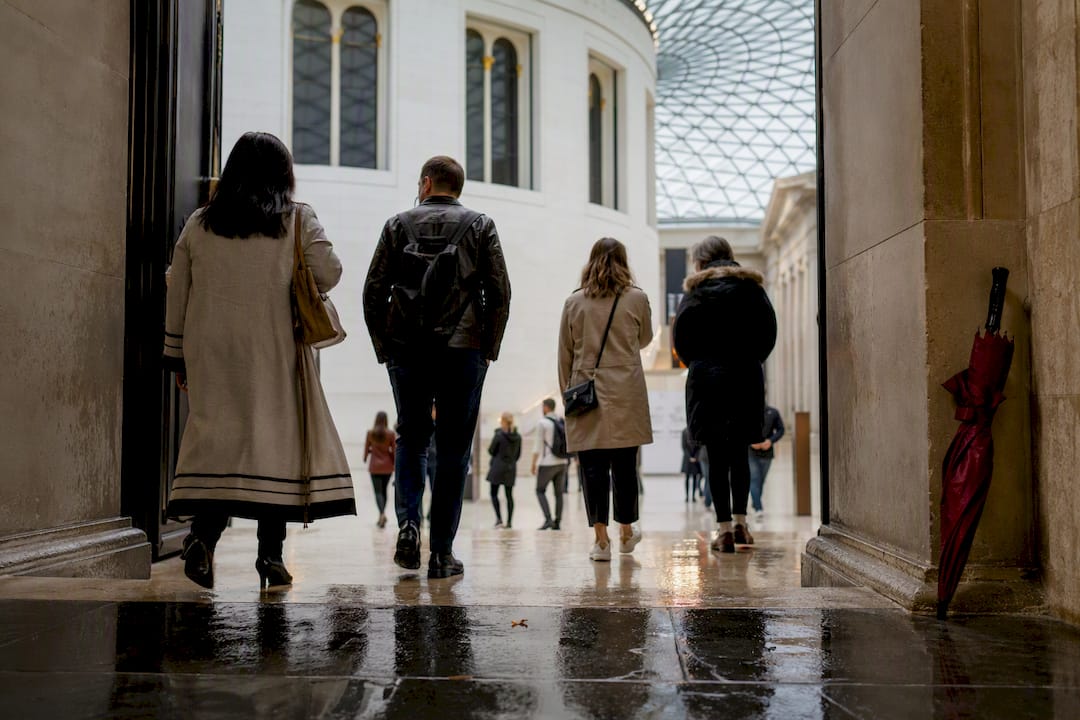
Start with the big free museums if you want hours of shelter without spending a penny. The British Museum costs nothing to enter for its permanent collection, and the Great Court alone, with its latticed glass roof, can swallow an hour before you’ve even reached a gallery. Budget two to three hours if you want to actually see the Rosetta Stone and the Parthenon sculptures rather than just walk past them. The Natural History Museum and Tate Modern work the same way: free entry, vast indoor footprints, and enough content to fill a whole wet afternoon each.
For something with a view, Sky Garden at 20 Fenchurch Street gives you floor-to-ceiling glass looking out over a grey, dripping City skyline, which is arguably more atmospheric than a sunny one. It’s free but ticketed, and slots go quickly, so this is not a same-morning decision. The Barbican Conservatory, one of London’s largest indoor gardens, only opens on selected weekends, so check dates before building a day around it.
Here’s a quick shelter-and-mood menu to pick from:
- Curious and want culture: British Museum, Natural History Museum, or Tate Modern
- Want a view without the weather: Sky Garden or the Barbican Conservatory (weekend-only)
- Hungry and want atmosphere: Borough Market or Leadenhall Market
- Need a proper long shelter with shopping and food: Liberty on Regent Street or the food halls at Harrods and Selfridges
Department stores are underrated rainy-day refuges. Selfridges and Harrods both run full food halls where you can eat, browse, and dry off without anyone hurrying you along, and neither requires a ticket or a plan.
Family-friendly rainy day activities that actually hold kids’ attention
The Natural History Museum works for almost any age, but the dinosaur gallery and the Wildlife Garden’s indoor cocoon area are the two that consistently win over children under ten. At the Science Museum, Wonderlab runs hands-on experiments and live demonstrations that suit five to twelve-year-olds especially well, and some sessions recommend booking ahead rather than turning up and hoping.
Younger children who want something more immersive tend to do well at SEA LIST London Aquarium near the London Eye, while Madame Tussauds suits older kids and teenagers who want photos more than facts.
Practical points that save a day from unravelling:
- Most major museums have free cloakrooms, so wet coats and buggies don’t have to travel round with you
- Quiet or sensory-friendly zones exist at the Natural History Museum and Science Museum for overstimulated toddlers
- Wonderlab and similar ticketed exhibits run 45 to 90-minute sessions, so plan a free museum either side
Pro Tip: Pair one ticketed, high-energy attraction with one free museum. The ticketed stop gives structure and excitement for an hour or two; the free museum lets everyone wander at their own pace once the excitement wears off.
How to beat the queues: museum booking and timing tips
Rain sends everyone to the same handful of buildings, so timing your visit matters more than which museum you pick.
- Book timed slots where they’re offered. The Natural History Museum uses free timed-entry tickets at busy periods, and it’s explicit that rainy days cause serious queue spikes. Reserve online rather than risk a wait at the door.
- Go early or go midweek. Tuesday to Thursday mornings are consistently quieter than weekends, and slots for popular free museums sometimes open up shortly before doors open or again in the mid-afternoon once school groups have moved on.
- Arrive at opening time if you can’t shift the day. The first hour after opening is reliably the calmest window, even in wet weather.
- Combine neighbours. The British Museum, Wellcome Collection, and Foundling Museum sit close enough in Bloomsbury to link into one loop, so a downpour doesn’t force you into a single building for the whole day.
- Use the café as a reset, not just a break. Most major museums have decent in-house cafés, which means you can wait out the heaviest rain without leaving the building at all.
Cloakrooms are free at nearly every major museum, which is worth knowing before you lug a soaked umbrella through three galleries.
Where covered markets and arcades turn rain into atmosphere
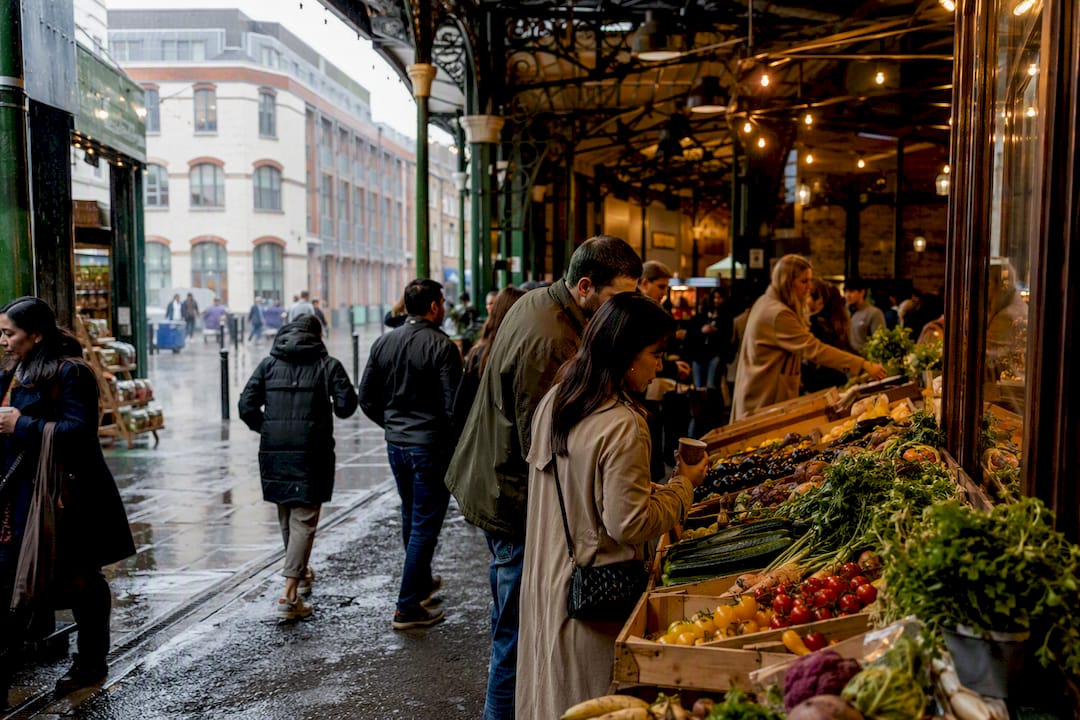
Borough Market near London Bridge has enough covered walkways and stalls that a wet day barely registers once you’re inside, and it’s genuinely one of the better lunch stops in London regardless of weather. Covent Garden’s main piazza has a full glass-roofed market hall, plus the surrounding streets are lined with awnings and arcades. Leadenhall Market, tucked into the City, is a smaller but strikingly Victorian covered arcade that’s easy to combine with a Sky Garden visit nearby.
For pure atmosphere, Burlington Arcade off Piccadilly and Liberty on Regent Street both give you ornate, dry browsing that photographs beautifully in grey light, something most visitors overlook entirely while chasing outdoor landmarks. If the rain turns heavy, find a café with a view of the market crowd: Monmouth Coffee in Borough Market or the upstairs seating in Covent Garden’s Apple Market are both solid places to sit it out with a hot drink.
West End shows and cinema for a proper wet-afternoon escape
A matinee is one of the best rainy-day fixes London offers. Same-day discount booths around Leicester Square and official theatre box offices both release day-of tickets, though arriving early gives you first pick of the cheaper seats.
- Check TodayTix or individual theatre websites the morning of for matinee availability
- BFI Southbank runs retrospectives and special programmes, plus a Mediatheque where you can watch archive footage on demand
- Prince Charles Cinema near Leicester Square specialises in cult and repertory screenings at prices well below the West End multiplexes
- Pair a matinee with an early dinner at a covered market like Covent Garden so you’re never outside for long
Escape rooms, mini golf and immersive galleries for active groups
If sitting still isn’t the mood, London has plenty of higher-energy indoor options. Escape rooms across the city typically run 60 minutes and cost around £25 to £35 per person. Swingers, the crazy golf and cocktail bar concept with venues in the City and West End, runs sessions of roughly 90 minutes and works well for groups of adults. Axeperience offers supervised axe-throwing sessions, usually an hour long, aimed at small groups rather than families.
- Immersive digital galleries and illusion museums typically run open-ended visits of 45 to 75 minutes
- Book escape rooms and axe-throwing at least a day ahead, since weekend slots fill fast in wet weather
- Follow an active session with a calmer stop nearby, a small gallery or a long café sit, to avoid group energy crashing halfway through the day
Two ready-made rainy day itineraries you can follow today
Family plan: Start at 10am at the Natural History Museum for the dinosaur gallery and Wildlife Garden cocoon. Walk or take the Tube one stop to South Kensington for lunch, then book an 1pm Wonderlab session at the Science Museum. Finish at 3.30pm with hot chocolate at a nearby café before heading back via the Piccadilly line.
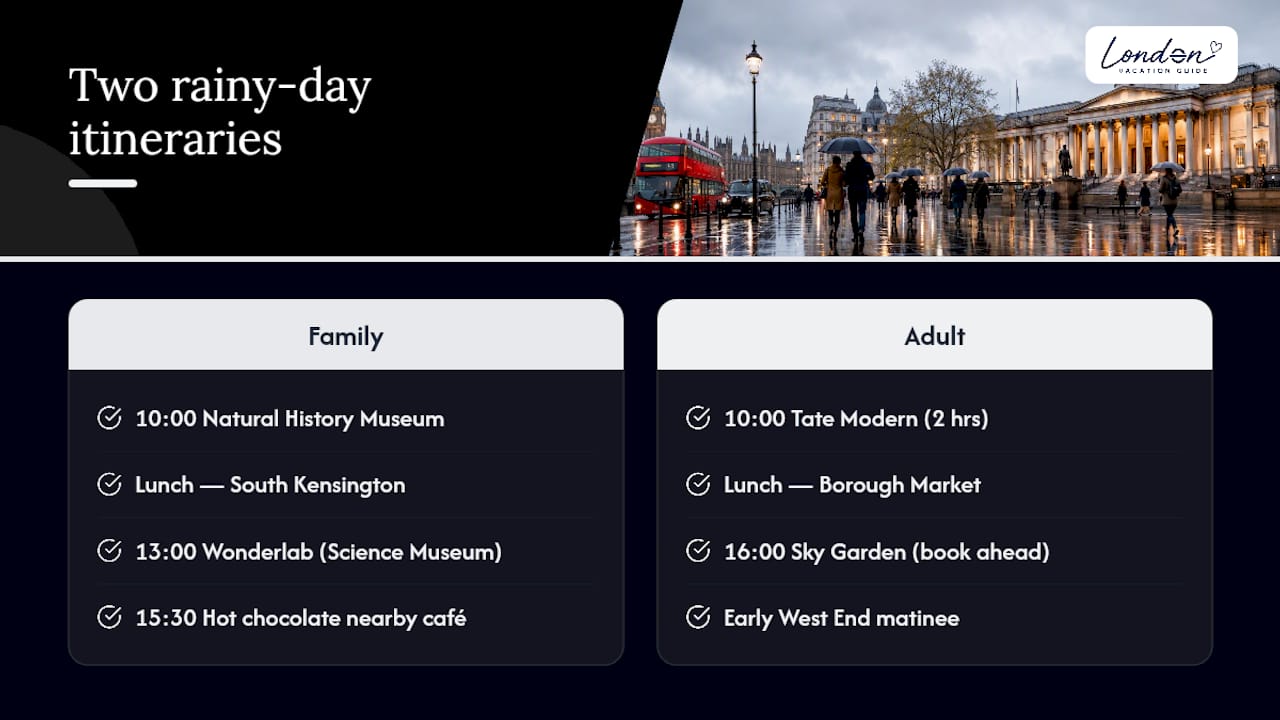
Adult cultural plan: Begin at 10am at Tate Modern, allowing two hours for the main collection. Take the Tube or a riverside walk to Borough Market for a late lunch among the covered stalls. Book a 4pm Sky Garden slot in advance for skyline views without the rain, then finish with an early West End matinee, checking same-day ticket booths near Leicester Square before 5pm.
Both plans assume you’ve booked ahead where tickets are involved. Build in one contingency swap, a second museum or an extra café stop, in case a booking falls through.
Insider tips London Vacation Guide swears by for wet weather
Pack a compact umbrella and a waterproof outer layer rather than relying on a raincoat alone; London rain is often sideways rather than straight down. Wear shoes you don’t mind getting wet, since kerbside puddles are unavoidable on older pavements.
Pro Tip: Locals dodge queues by checking timed-entry availability first thing in the morning, when cancelled slots sometimes reappear. Pair one active booking with one free, unticketed stop so a delay never wrecks the whole day.
Indoor historical sites that don’t need blue skies
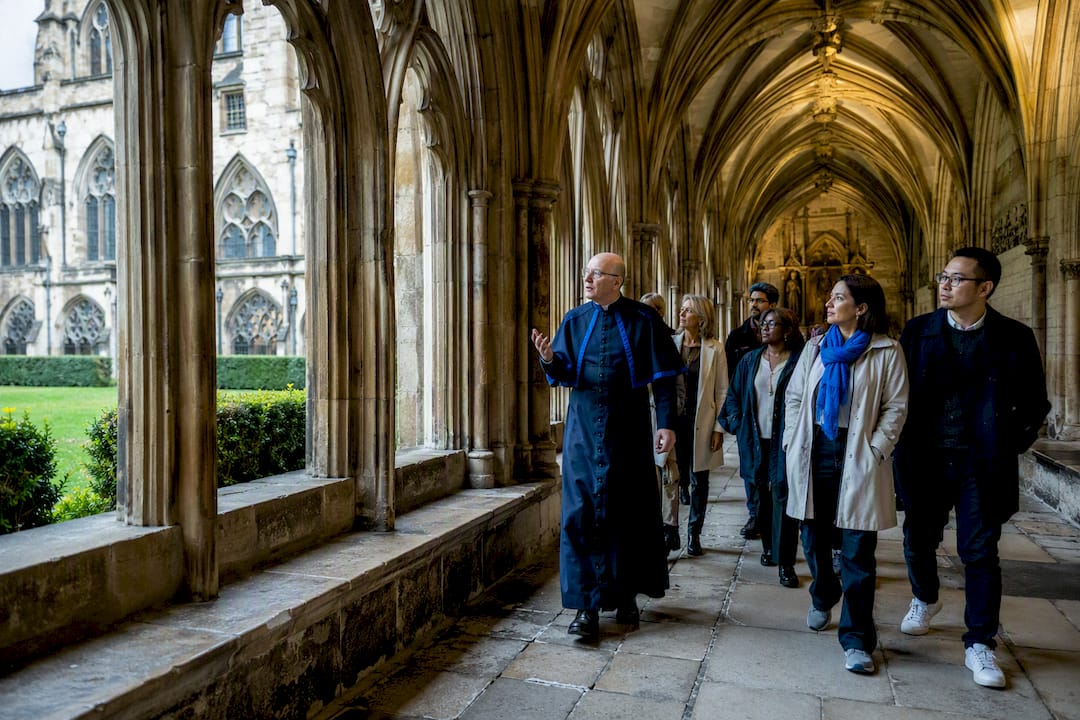
The Tower of London is almost entirely an indoor experience once you’re inside its walls: the Crown Jewels exhibition, the White Tower armouries, and the medieval palace rooms are all covered, and the Yeoman Warder tours run regardless of weather. Westminster Abbey offers a similar advantage. Its nave, cloisters, and Poets’ Corner are all indoors, and audio-guided tours mean you can spend well over an hour without stepping outside once you’ve queued at the entrance.
Both sites get busy on rainy days for the same reason museums do, so book timed tickets online in advance rather than queuing at the door. Kensington Palace is a quieter alternative with fewer crowds and entirely indoor state rooms, useful if the Tower feels too packed. Hampton Court Palace, a short train ride from central London, offers the same logic on a grander scale: hours of indoor Tudor rooms plus covered courtyards, ideal if you’re happy to travel slightly further to escape city-centre crowds entirely.
None of these need sunshine to be worthwhile. If anything, a wet, grey light through Westminster Abbey’s stained glass is more atmospheric than a bright one.
Public libraries and literary indoor spots worth a detour
The British Library on Euston Road is free to enter and holds treasures like a Magna Carta copy and Beatles lyric manuscripts in its permanent Treasures gallery, alongside a reading room atmosphere that rewards slow browsing. It’s rarely crowded even in bad weather, which makes it a reliable overflow option when the big museums are packed.
Daunt Books in Marylebone, with its long oak galleries and skylight, is worth visiting purely for the architecture, though the travel section is genuinely excellent too. The Poetry Library on the Southbank, inside the Royal Festival Hall complex, is free, quiet, and almost never mentioned in standard guides, making it a genuine hideaway on a wet afternoon. Southbank Centre itself has enough covered walkways and café space to link a library visit with lunch without stepping back outside.
Accessibility at London’s key indoor rainy-day venues
Most of London’s major indoor attractions have made real strides on accessibility, though the details vary enough to check before you go. The British Museum and Natural History Museum both offer step-free access throughout, lifts between floors, and wheelchairs available to borrow at the entrance. Tate Modern, built with wide, modern floor plans, is one of the easiest major galleries to navigate with a wheelchair or pushchair.
Older buildings need more care. Westminster Abbey has step-free access via a side entrance rather than the main door, so it’s worth requesting this when booking. The Tower of London’s cobbled courtyards and uneven stone floors are trickier for wheelchairs and prams, though the main exhibition buildings themselves are accessible once you’re inside. Sky Garden provides lift access to the viewing floors, and Borough Market’s covered walkways are flat and step-free throughout, making it one of the easier market visits for mobility aids or buggies.
Hearing loops and BSL-interpreted tours are available at the British Museum and Natural History Museum on selected dates, usually bookable in advance through each museum’s access team. If a specific access need is essential to your visit, ringing ahead beats relying on a website description that may be a season out of date.
Rainy day pubs and traditional indoor social spots
A wet afternoon is exactly what a proper London pub was built for. The Lamb & Flag in Covent Garden, one of the area’s oldest pubs, has low ceilings and a snug, wood-panelled interior that feels made for grey weather. Ye Olde Cheshire Cheese near Fleet Street, rebuilt after the Great Fire of London, has warren-like rooms and open fires that make it one of the cosiest indoor refuges in the City.
Beyond pubs, traditional indoor social pursuits fit the mood just as well: a game of darts or bar billiards, a slow pint over a newspaper, or a proper pub quiz on a weeknight. Many pubs near Borough Market and Leadenhall Market make natural pairings with an afternoon of market browsing, since you can duck straight from the stalls into a dry, wood-panelled bar without crossing a single exposed street.
A local’s honest take on rainy days in London
Rain thins the crowds and softens the light, and that’s when London’s indoor spaces show their real character: quieter galleries, moodier photos, arcades that finally feel like Victorian relics rather than shortcuts. My honest advice is to stop treating rain as a problem to survive and start treating it as a reason to go somewhere you’d otherwise skip, like Leadenhall Market or the Poetry Library.
— Matt
Plan around the weather with neighbourhood and visitor guides
Rain has a way of scrapping a loose plan, so having a proper structure to fall back on matters more than any single attraction; consult the Cotswolds Directory — Villages, Pubs, Walks & More for excellent regional guides if you want to extend your wet-day escape beyond London. London Vacation Guide’s London for First-Time Visitors guide gives you a full framework for sequencing museums, markets, and shows around transport links, so a downpour just means swapping one indoor stop for another rather than rebuilding the day from scratch. Our neighbourhood guides work the same way at a smaller scale: pick a hub like Bloomsbury for museum-heavy days or London Bridge for market and river views, and you’ve got covered options within a short walk whatever the sky does. Start with the first-time visitor guide, then pick a neighbourhood that matches the day you actually want to have.
Sources
- British Museum
- Wonderlab | Science Museum
- London in the rain — Anywhere We Roam
- Natural History Museum
FAQ
How many rainy days does London get a year?
London typically sees rain on roughly a third of days across the year, concentrated more in autumn and winter, though no month is truly dry.
Is London a very rainy city?
London gets less annual rainfall than cities like Manchester or Cardiff; its reputation for rain comes more from frequent light drizzle and overcast skies than from heavy downpours.
Is London a rainy city compared to the rest of the UK?
Relative to the rest of the UK, London is actually one of the drier major cities, though its grey, changeable weather makes rain feel more constant than the numbers suggest.
Where can you go in London when it’s raining?
Free museums like the British Museum and Natural History Museum, covered markets like Borough Market, and booked attractions like Sky Garden all offer hours of shelter, and London Vacation Guide’s neighbourhood guides can help you build a full day around whichever hub suits you.
Do I need to book museums in advance for a rainy day visit?
Free entry doesn’t always mean walk-in access. The Natural History Museum uses timed slots at busy periods, so booking ahead, especially on a forecast wet day, is the safest way to avoid a long queue at the door.