London’s top must-see places for unforgettable visits
London is one of the most visited cities on the planet, welcoming over 30 million tourists each year, yet the sheer variety of things to see and do can leave even experienced travellers feeling paralysed by choice. Should you spend a morning at Buckingham Palace or lose yourself inside the British Museum? Is the Tower of London worth the ticket price when world-class art is free just across the river? This guide cuts through the noise. It walks you through how to choose the right attractions, which sites genuinely deserve a place on your list, and how to match your itinerary to your interests, budget, and time on the ground.
Table of Contents
- How to choose your must-see London attractions
- The essential must-see places in London
- Free museum highlights and their impact
- Comparison table: Paid vs free attractions at a glance
- Situational picks and quick recommendations
- A fresh perspective on must-see London spots
- Plan your London adventure with expert resources
- Frequently asked questions
Key Takeaways
| Point | Details |
|---|---|
| Iconic sites first | Prioritise Buckingham Palace, Big Ben, and the Tower of London for classic London experiences. |
| Free museums offer immense value | The British Museum and National Gallery deliver world-class culture at no cost. |
| Efficient travel saves time | Organise your sightseeing by area and use buses or walking routes to see more with less effort. |
| Adapt to your trip style | Tailor your must-see list to the length of your stay and traveller preferences for a deeper experience. |
How to choose your must-see London attractions
Building a London sightseeing checklist is not simply about picking the most famous names and working backwards from there. The most satisfying trips are the ones where every stop feels purposeful rather than obligatory. Before you book a single ticket, it is worth stepping back and asking a few practical questions about how you actually want to spend your time.
Time is your most limited resource. A first-time visitor spending three days in the city faces entirely different decisions from someone who visits regularly and wants to go deeper. If you only have 48 hours, trying to cover every landmark will leave you exhausted and underwhelmed. Focusing on three or four sites you genuinely care about, and giving each one real time, produces far stronger memories.
Interests should drive your choices, not obligation. History enthusiasts will find the Tower of London and the Houses of Parliament endlessly absorbing. Art lovers could spend an entire week inside the National Gallery alone. Families with young children tend to gravitate towards the Natural History Museum and the Science Museum, both of which are free. Photographers and those chasing iconic views gravitate towards the Thames embankment, Tower Bridge, and the London Eye.
Cost is a real factor. London has an enviable mix of free world-class institutions and premium paid experiences. Knowing which category each attraction falls into before you arrive lets you allocate your budget wisely rather than realising too late that you have overspent on entrance fees. Our budget sightseeing tips cover this in detail, but the short version is: the free museums are genuinely exceptional and should never be treated as a fallback option.
Seasonality matters more than people realise. The State Rooms at Buckingham Palace are only accessible during a limited seasonal window. Some outdoor ceremonies are weather dependent. The summer months bring longer queues at every major site, so visiting popular spots early in the morning, or booking online in advance, saves you considerable time.
When it comes to moving efficiently around the city, direct flights to Heathrow are the starting point for most US travellers, and combining a hop-on-hop-off bus pass with the Underground gives you maximum flexibility. The bus routes thread through all the major tourist corridors, while the Tube gets you quickly between zones.
Key factors to weigh when building your list:
- Available days: one day, three days, or a full week each call for a completely different approach
- Interests: history, art, architecture, food, outdoor spaces, or a mix
- Budget: balance free museums against paid experiences
- Group type: solo, couple, family with children, or group of friends
- Physical comfort: some sites involve significant walking on uneven ground
Pro Tip: Book tickets for high-demand experiences such as the State Rooms at Buckingham Palace as early as possible. They sell out weeks in advance during peak summer months. The same applies to the Crown Jewels at the Tower of London during school holidays.
For first-time visitors who want a structured starting point, our essential London guide lays out exactly how to approach the city if you are navigating it for the very first time.
The essential must-see places in London
Having set the criteria, let’s go through the must-see places that fulfil those standards. The following sites are not simply the most famous. They are genuinely exceptional experiences that justify the time and, where applicable, the cost.
-
Buckingham Palace is the working residence of the British monarch and one of the most recognisable buildings in the world. The Changing of the Guard is free to watch from outside the gates and remains one of London’s most theatrical daily spectacles. The seasonal opening of the State Rooms gives visitors rare access to one of the world’s most lavishly decorated interiors, complete with paintings by Rembrandt, Rubens, and Vermeer. Check our detailed Buckingham Palace visitor tips for current opening dates.
-
The Houses of Parliament and Big Ben form one of the most photographed landmarks in Europe. The Elizabeth Tower, which houses the famous bell known as Big Ben, completed its restoration work and the chimes are once again a defining feature of the Westminster skyline. The Gothic Revival architecture along the Thames embankment is genuinely breathtaking, particularly at dusk.
-
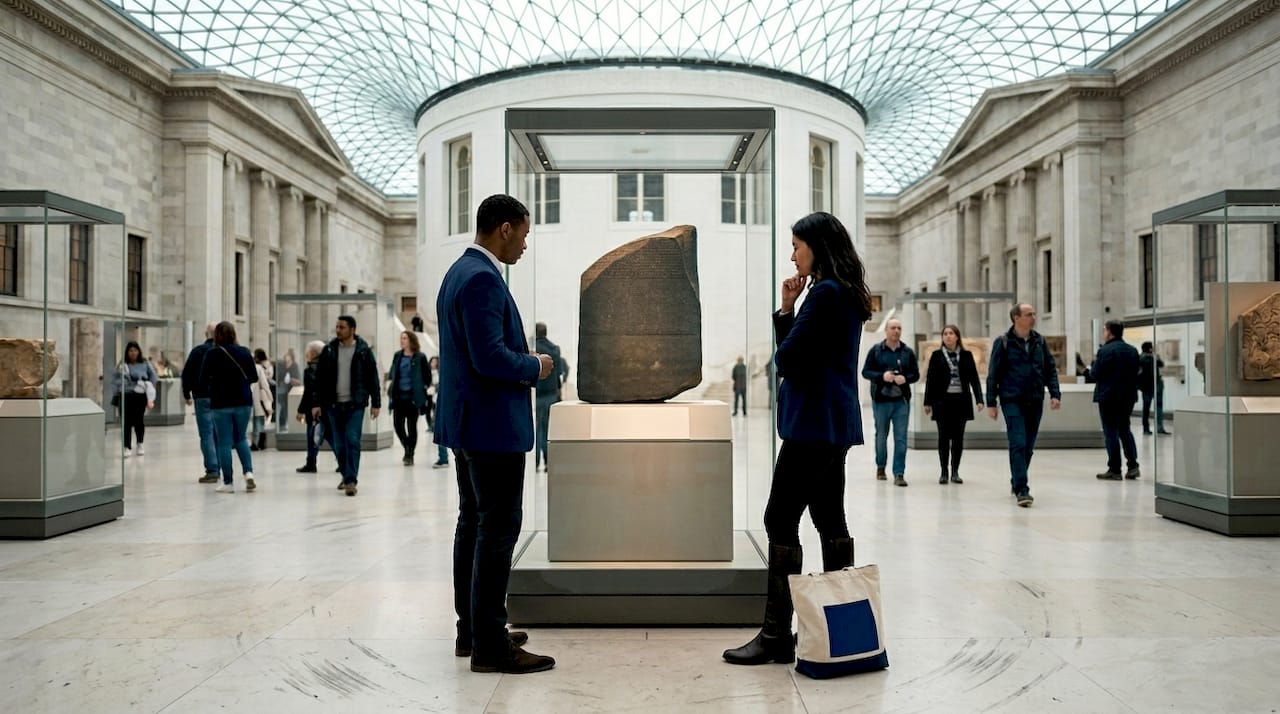
The British Museum in Bloomsbury houses one of the greatest collections of human history on earth, from the Rosetta Stone to the Elgin Marbles to the Lewis Chessmen. Admission is free. You could visit every day for a week and still not see everything.
-
The National Gallery sits directly on Trafalgar Square and contains over 2,300 works spanning seven centuries of Western European painting. Van Gogh, Monet, Turner, da Vinci, and Velázquez are all here. Entry is free.
-
The Tower of London is a UNESCO World Heritage Site that has served as a royal palace, a prison, and an execution site over nearly a thousand years. The Crown Jewels alone justify the ticket price. It consistently ranks as the city’s top paid attraction.
-
The London Eye on the South Bank offers unobstructed 360-degree views across the city from a height of 135 metres. It is a paid attraction but provides a genuinely useful geographical orientation, particularly for first-time visitors trying to understand how the city fits together.
“London does not reveal itself all at once. Each landmark you visit shifts your understanding of the ones you have already seen, and makes the ones ahead more meaningful.”
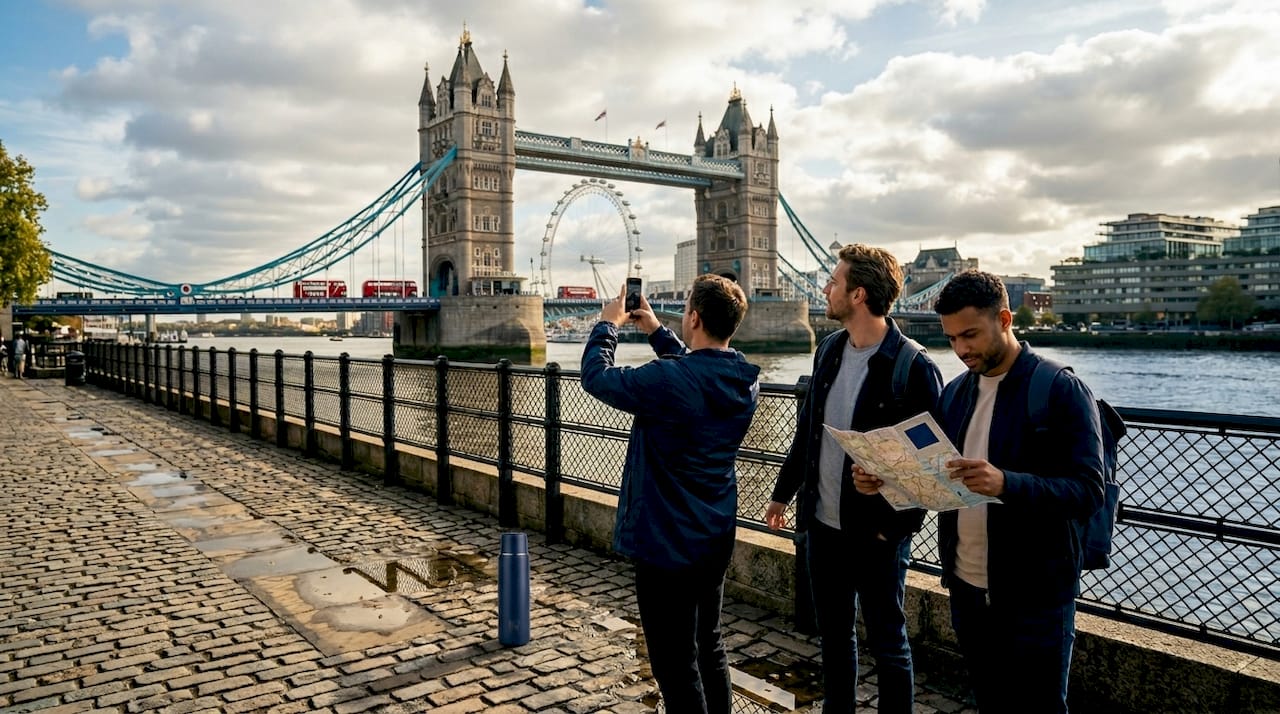
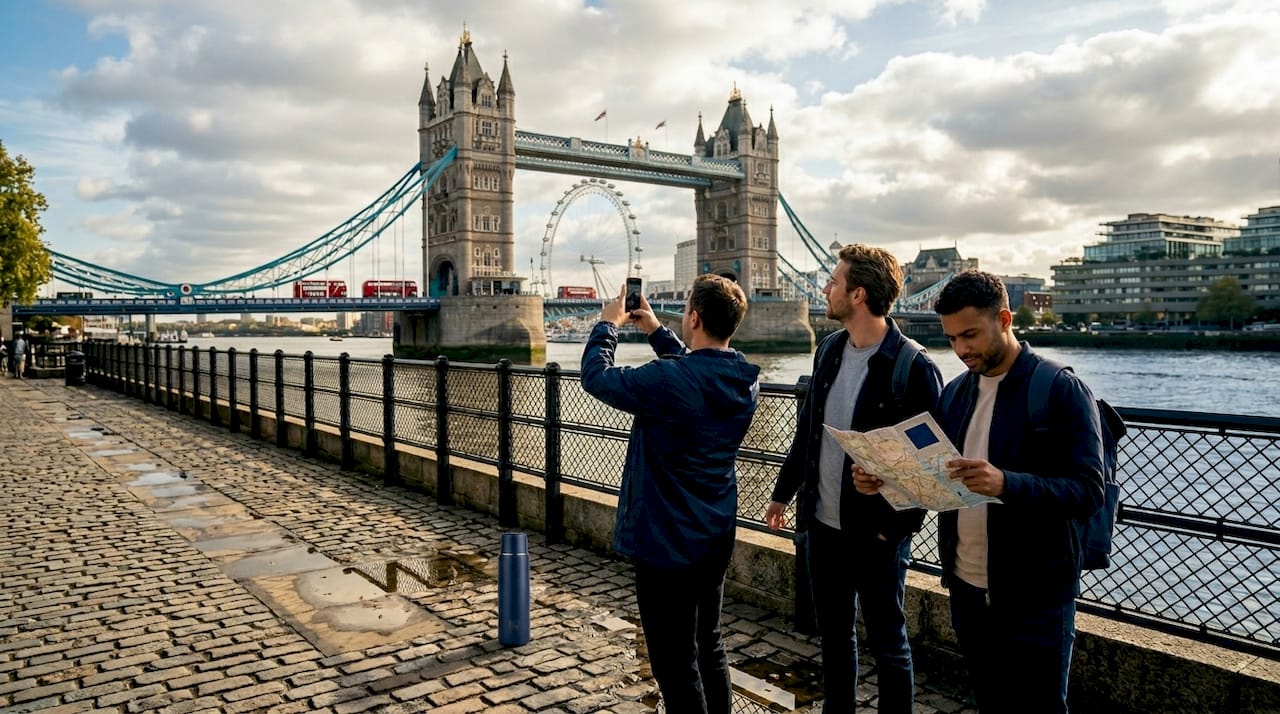
A few additional sites that belong on any serious list include Tower Bridge (free to walk across, paid for the interior), St Paul’s Cathedral (paid entry to the interior), the Tate Modern (free for the permanent collection), and Hyde Park (free and exceptional year-round). For a structured approach to fitting these into a coherent trip, our 3-day itinerary maps out exactly how to sequence them.
Pro Tip: The National Gallery and the British Museum both offer free audio guides via their apps. Download them before you arrive to avoid relying on spotty museum Wi-Fi.
Free museum highlights and their impact
While paid attractions are legendary, London’s free museums offer remarkable value and culture that many visitors underestimate until they are actually standing inside them. The scale and quality of what is available at no cost is genuinely unusual on a global level. Very few cities offer anything comparable.
The British Museum draws approximately 6.5 million visitors annually, which places it firmly in the top tier of the world’s most visited cultural institutions. The National Gallery attracts similarly enormous numbers. Both routinely outpace paid sites in raw visitor volume. The Tower of London, despite its premium ticket price, is the city’s leading paid attraction but operates at a significantly smaller scale by comparison.
The practical takeaway is straightforward: free does not mean inferior. In many cases, the free institutions house collections that the world’s greatest paid museums would struggle to match.
Making the most of free museums:
- Arrive when the doors open to avoid the midday and afternoon crowds, which build quickly at the British Museum in particular
- Focus on two or three rooms or collections per visit rather than trying to see everything in one go
- Pick up a printed floor plan at the entrance and mark your priorities before you start walking
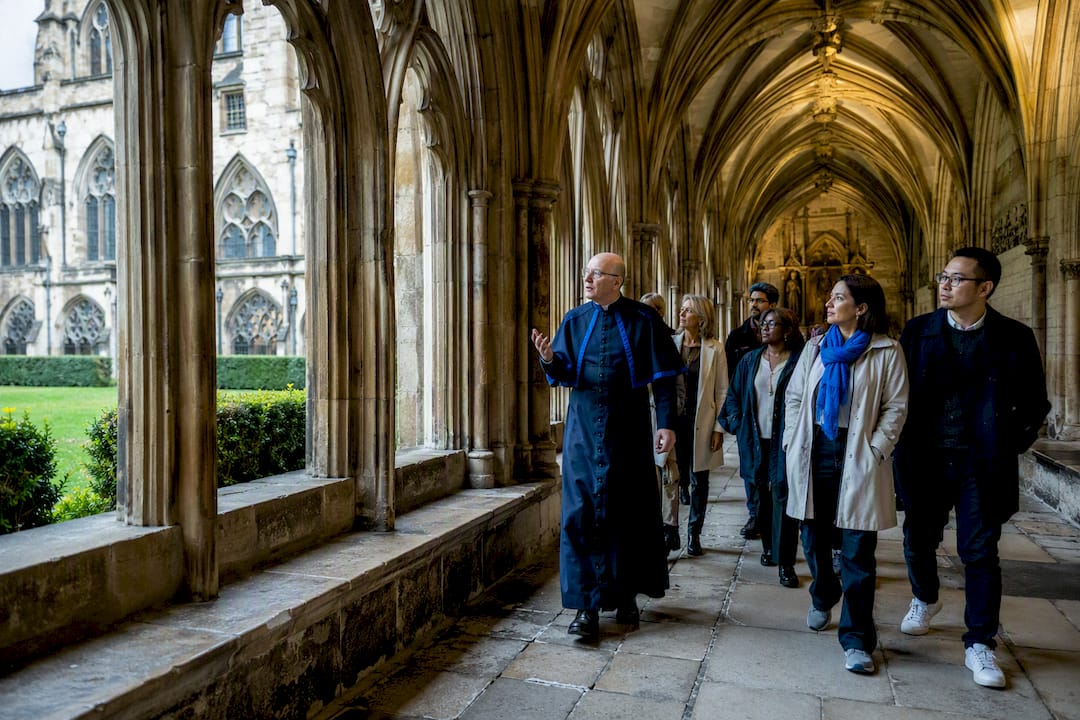
- Join a free guided highlights tour if one is available during your visit
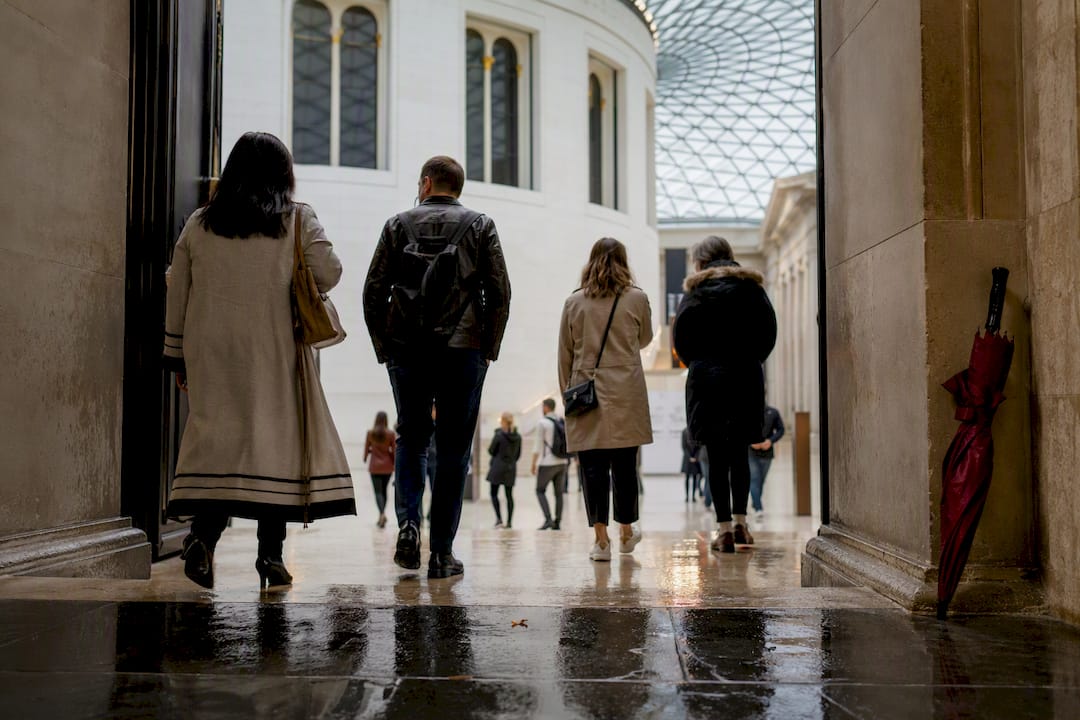
- Visit the British Museum’s Great Court, the largest covered public square in Europe, even if you have limited time for the galleries themselves
Must-see highlights in each free museum:
British Museum: The Rosetta Stone (Room 4), the Sutton Hoo Helmet (Room 41), Egyptian mummies (Rooms 62 to 63), and the Lewis Chessmen (Room 40).
National Gallery: Van Gogh’s Sunflowers (Room 43), Turner’s The Fighting Temeraire (Room 34), Vermeer’s A Young Woman Standing at a Virginal (Room 16), and da Vinci’s The Virgin of the Rocks (Room 66).
Tate Modern: Rothko’s Seagram Murals (permanent collection), Louise Bourgeois’s Maman spider sculpture (exterior), and the Turbine Hall installations that change seasonally.
Natural History Museum: The blue whale skeleton in the Hintze Hall, the dinosaur gallery, and the Vault which houses meteorites and gems.
For a full breakdown of what London offers without spending a penny, our guide to free things to do goes well beyond museums and covers parks, markets, and architectural walks. And if you want a consolidated overview before your trip, our roundup of top sites for first-timers covers both paid and free experiences in a single, easy-to-follow format.
Comparison table: Paid vs free attractions at a glance
To help you weigh your options, here is a summary comparison of the biggest attractions. Use this as a quick reference when prioritising based on your time, interests, and available budget.
| Attraction | Cost | Key highlights | Best for |
|---|---|---|---|
| British Museum | Free | Rosetta Stone, Egyptian galleries, world history | History fans, all ages |
| National Gallery | Free | Van Gogh, Turner, da Vinci masterpieces | Art lovers, couples |
| Tate Modern | Free (permanent) | Modern and contemporary art, Turbine Hall | Contemporary art, photographers |
| Natural History Museum | Free | Blue whale skeleton, dinosaurs, gems | Families, children |
| Tower of London | Paid | Crown Jewels, medieval history, Beefeaters | History enthusiasts, first-timers |
| Buckingham Palace State Rooms | Paid (seasonal) | Royal interiors, paintings, ceremonial rooms | Royal family fans, culture seekers |
| London Eye | Paid | 360-degree city views, 135m height | Photographers, first-time visitors |
| Tower Bridge | Free (to cross) / Paid (interior) | Victorian engineering, glass floor walkway | Architecture fans, photographers |
| St Paul’s Cathedral | Paid | Wren’s dome, Whispering Gallery, city views | Architecture, history, solo visitors |
The British Museum’s 6.5 million annual visitors are a testament to how powerfully free admission drives engagement with culture. Meanwhile, the Tower of London leads paid attendance, reflecting the unique draw of tangible history combined with the spectacle of the Crown Jewels.
The table above reinforces a key planning insight: balancing your time between two or three paid experiences and the best free institutions gives you an exceptional breadth of experience without breaking your travel budget. For further guidance on stretching your pounds further, our London budget advice is a worthwhile read before you finalise your itinerary.
Situational picks and quick recommendations
Now let’s match recommendations to your trip length and travel style for customised suggestions. Not every visitor arrives in London with the same priorities, and a one-size-fits-all list is only marginally more useful than no list at all.
If you have one day in London:
Focus on a single geographic corridor rather than trying to cross the city repeatedly. The Westminster to South Bank route covers Buckingham Palace, the Houses of Parliament, Westminster Bridge, Tate Modern, and Borough Market within comfortable walking distance. Add the National Gallery if your legs are still willing by late afternoon. Our one-day itinerary maps out the precise sequence.
If you have three days:
Day one: Westminster and South Bank. Day two: the City of London, covering the Tower of London, Tower Bridge, and St Paul’s Cathedral. Day three: Bloomsbury and the British Museum, followed by Trafalgar Square and the National Gallery. This structure keeps travel time short and thematic coherence high.
If you have a full week:
Slow down. Return to sites you rushed through on your first pass. Add Greenwich (the Cutty Sark and the Royal Observatory), Kew Gardens, Hampton Court Palace, and the Victoria and Albert Museum. Explore neighbourhood markets like Portobello Road and Columbia Road Flower Market.
Profile-based recommendations:
- Families with children: Natural History Museum, Science Museum, Tower of London, Hyde Park, and the Diana Memorial Playground
- Solo travellers: British Museum, Tate Modern, neighbourhood walks through Shoreditch or Notting Hill, and evening theatre in the West End
- Art and history fans: National Gallery, Victoria and Albert Museum, the British Museum, and a walking tour of Inns of Court
- Photographers: Tower Bridge at dawn, the South Bank at dusk, Greenwich Park for skyline shots, and Columbia Road on a Sunday morning
Hidden gems when main sites are crowded:
If the Tower of London has a long queue, the Museum of London Docklands nearby offers an equally gripping historical experience at no cost. If Trafalgar Square feels overwhelming, the courtyard of Somerset House just along the Strand provides a quieter moment of architectural beauty. The Sir John Soane’s Museum in Lincoln’s Inn Fields is one of London’s best-kept secrets, free to enter and extraordinarily atmospheric.
For travellers arriving via Heathrow, combining hop-on-hop-off bus routes with the Tube gives you the best of both worlds: scenic orientation from the upper deck and fast, direct travel underground when time is short.
Pro Tip: Use neighbourhood clustering as your primary planning tool. Group attractions by postcode rather than by category. Visiting the Tower of London, Tower Bridge, and the Monument on the same morning saves you hours compared to spreading them across different days.
A fresh perspective on must-see London spots
Here is a thought that most attraction guides will not share with you: the checklist approach to London, however well organised, can actually work against the very experiences it promises to deliver.
We have seen thousands of visitors move through this city with their heads buried in itineraries, rushing between landmarks to photograph them and move on. The photos are taken. The boxes are ticked. And yet, when you ask them later what they actually remember about London, the answers are rarely what you might expect. They remember the afternoon they wandered into a Clerkenwell pub and got talking to a retired architect. They remember sitting on the grass in St James’s Park and watching the pelicans. They remember stumbling across Borough Market on a Saturday morning and eating something they could not name but could not forget.
The irony of London is that its best experiences frequently happen in the spaces between the iconic sites. The city is extraordinarily dense with life, character, and texture at street level. If you spend every hour sprinting between landmarks, you never slow down enough to encounter any of it.
This is not an argument against visiting the Tower of London or the National Gallery. Those places are remarkable and they genuinely deserve your time. The point is that they work best when they are part of a rhythm rather than a race. Spend a morning in the British Museum, then wander into Bloomsbury for lunch and a slow walk. That combination, the grand institution and the quiet neighbourhood, is what London actually feels like.
Our 3-day London strategy is built around this philosophy. It balances the must-see landmarks with the kind of unscheduled time that lets the city reveal itself on its own terms. The travellers who leave London feeling that they have genuinely been there, rather than simply passed through it, are almost always the ones who gave themselves permission to slow down.
Create memories, not just a catalogue of ticked boxes. London will reward you for it.
Plan your London adventure with expert resources
If you are ready to go beyond lists and shape your own adventure, our resources can help you build something genuinely personal. London Vacation Guide brings together expertly curated itineraries, neighbourhood deep-dives, and insider recommendations that go well beyond the standard tourist trail. Whether you are planning a bespoke itinerary across several days or looking for the best restaurants, transport options, and local services, our local business directory connects you with top-rated experiences across the city. For visitors based near some of London’s great royal and cultural landmarks, our Victoria area guide is an ideal starting point for exploring one of the city’s most rewarding neighbourhoods.
Frequently asked questions
What are the most visited free places to see in London?
The British Museum and the National Gallery are the top free attractions, with the British Museum drawing 6.5 million visitors annually, making it one of the busiest cultural institutions in the world.
Is Buckingham Palace open to the public all year?
The State Rooms open seasonally, typically in late summer, but the Changing of the Guard ceremony takes place outside the gates and is free to watch throughout the year.
How can I visit both paid and free attractions efficiently in London?
Cluster your visits by neighbourhood and use hop-on-hop-off buses alongside the Underground to minimise travel time between sites and make the most of each day.
Which paid London attraction is the most popular?
The Tower of London is the city’s leading paid attraction, consistently drawing the highest ticketed visitor numbers of any entry-fee site in the capital.
Recommended
- Top 10 Things to Do in London for First-Time Visitors - The London Journal | London Vacation Guide
- Plan your perfect London vacation: tips for US visitors - The London Journal | London Vacation Guide
- Hidden London: Secret Spots Most Tourists Miss - The London Journal | London Vacation Guide
- Best Free Things to Do in London (2025 Guide) - The London Journal | London Vacation Guide