Plan your perfect London vacation: tips for US visitors
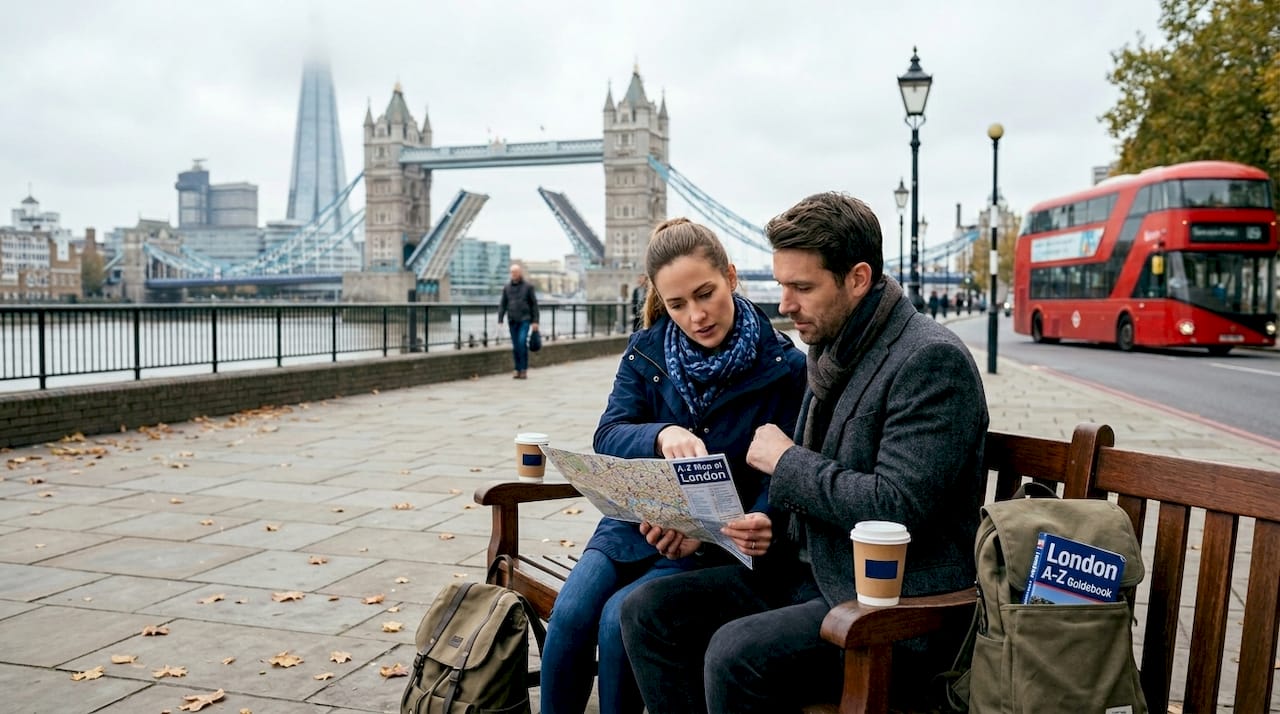
London is one of those cities people think they already know before they’ve arrived. You’ve seen the Tower Bridge on postcards, spotted the red telephone boxes in films, and maybe caught a glimpse of Buckingham Palace on a news broadcast. But here’s what most travel advice glosses over: the real magic of a London holiday isn’t in ticking off the famous sights alone. It’s in the contrast between a grand historic monument and a tucked-away street market, between a Michelin-starred neighbourhood and a centuries-old wine cellar. This guide gives you both worlds, curated and practical, so you can build a trip that’s genuinely unforgettable.
Table of Contents
- Essential London sights: must-see icons for first-timers
- Hidden gems and neighbourhoods: discover London like a local
- London dining: from historic pubs to buzzing food markets
- Where to stay: choosing the right London accommodation
- London on any budget: practical ways to save and splurge
- Why blending classic and local London creates the most memorable trip
- Ready to plan your London adventure?
- Frequently asked questions
Key Takeaways
| Point | Details |
|---|---|
| Iconic must-sees | London’s top attractions are essential, but don’t attempt to see everything in one go. |
| Local neighbourhood gems | Exploring distinct neighbourhoods like Soho and Richmond adds unforgettable flavour to your trip. |
| Food for every taste | London’s dining offers far more than pub fare—markets and global cuisine abound. |
| Stay smart | Opt for boutique or centrally located hotels to elevate comfort and save transit time. |
| Budget wisely | Enjoy free museums and budget meals while reserving splurges for unique London experiences. |
Essential London sights: must-see icons for first-timers
Every great London trip starts with the classics. Not because they’re obligatory, but because they genuinely live up to the hype when you experience them properly. The trick is knowing how to plan around them rather than being swallowed up by the crowds.
The London Eye is one of the most popular attractions in London, and for good reason. The slow 30-minute rotation gives you a bird’s-eye panorama that stretches from Wembley in the north-west to the City’s glass towers in the east. Book online in advance to skip the queues, and aim for a late afternoon ride when the light is golden across the Thames.
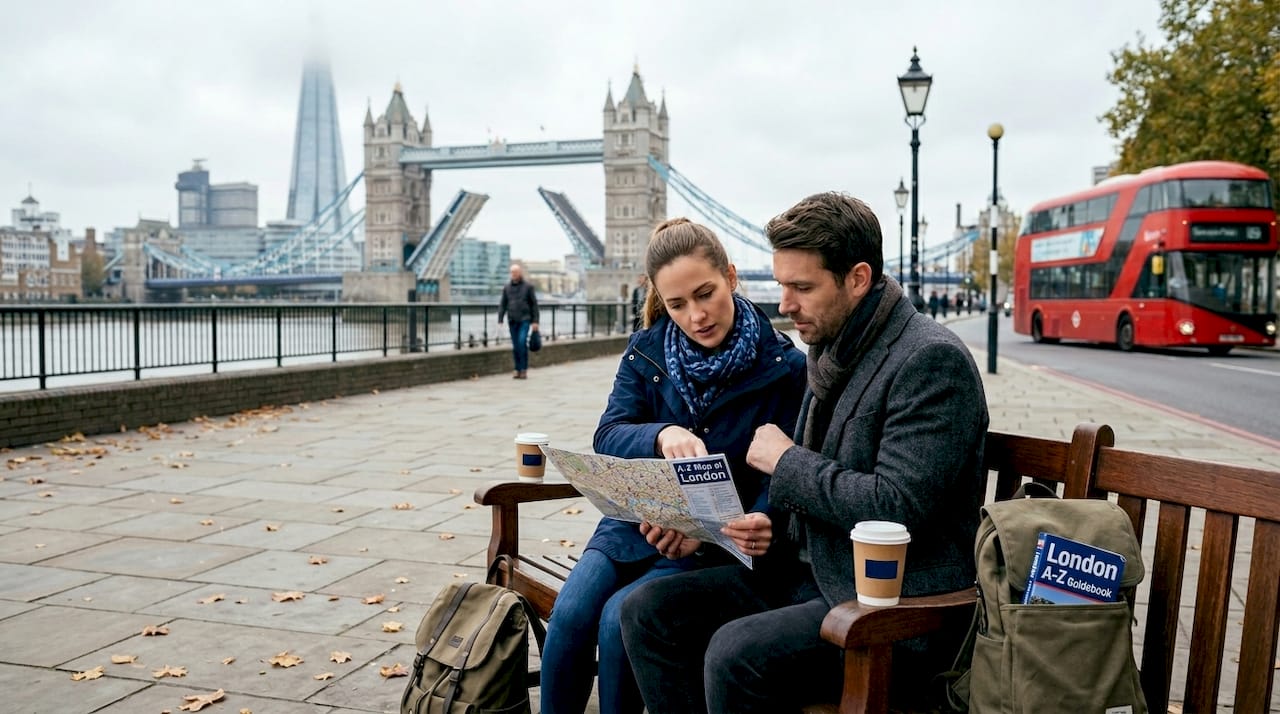
Tower Bridge is another icon worth slowing down for. Most visitors snap a photo from the riverbank and walk on, but the Bridge Exhibition inside lets you walk the glass-floored high-level walkway and see the original Victorian engine rooms. It’s a surprisingly detailed look at how a working piece of London infrastructure became a global symbol.
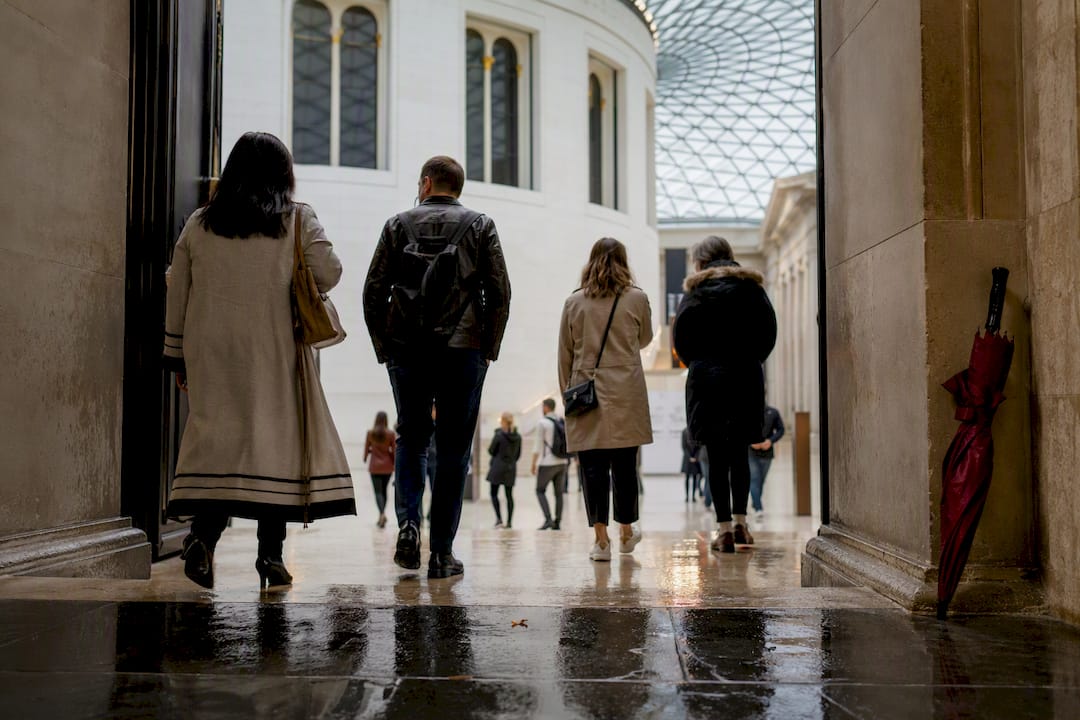
Buckingham Palace’s Changing of the Guard runs at specific times, usually 11am, and the full ceremony lasts about 45 minutes. Arrive early to secure a spot near the palace gates. The British Museum in Bloomsbury is free to enter and houses the Rosetta Stone, the Elgin Marbles, and Egyptian mummies, all under one spectacular glass-roofed courtyard. You could spend half a day there without seeing everything.
Here’s a quick comparison to help you balance your time between major tourist sites and local gems:
| Attraction | Type | Entry cost | Best time to visit |
|---|---|---|---|
| London Eye | Iconic landmark | Paid | Late afternoon |
| British Museum | World-class museum | Free | Weekday mornings |
| Tower Bridge | Historic bridge/exhibition | Paid | Midday |
| Buckingham Palace | Royal residence | Free/Paid (seasonal) | 10.30am for guard change |
| Tate Modern | Contemporary art gallery | Free | Any time |
| Columbia Road Flower Market | Local street market | Free | Sunday mornings |
| Leadenhall Market | Victorian market hall | Free | Weekday lunchtime |
| Greenwich Park | Royal park | Free | Weekend afternoons |
Useful things to do before your trip include checking out the top things to do for first-timers and building your days around a three-day London itinerary so you’re not wasting time doubling back across the city.
Key planning tips for iconic sights:
- Book tickets online at least a week ahead for the London Eye, Tower of London, and Buckingham Palace (summer)
- Arrive at the British Museum before 10am on weekdays to beat school groups and tour buses
- Use the Tube rather than taxis to get between major sights quickly
- Download the Visit London app for real-time queue updates at busy locations
Pro Tip: The Tower of London is best visited on a Tuesday or Wednesday morning. Beefeater-guided tours start at the main gate and run roughly every 30 minutes. These tours are free with entry and bring the history to life far more effectively than the audio guide alone.
Hidden gems and neighbourhoods: discover London like a local
With the classic sights under your belt, it’s time to explore the neighbourhoods that locals actually love. London isn’t one city, it’s dozens of villages stitched together, each with a completely different character. Knowing which areas suit your travel style can transform a good trip into a great one.
Soho is famed for nightlife and eclectic dining, offering some of the most diverse eating and entertainment in the city. It’s the kind of place where you might walk from a Japanese izakaya to a decades-old jazz club within the space of five minutes. It suits night-owls, food lovers, and anyone who enjoys a lively, creative atmosphere.
Richmond offers a picturesque escape from the city centre with riverside walks and genuine local charm. Richmond Park is home to around 630 red and fallow deer that roam freely, and on a clear day the view from King Henry’s Mound stretches all the way to St Paul’s Cathedral, more than 10 miles away. It’s the sort of afternoon that resets your entire perspective on what London can be.
Here’s a breakdown of key neighbourhoods to help you match areas to your interests:
| Neighbourhood | Best for | Evening vibe | Family-friendly |
|---|---|---|---|
| Soho | Dining, nightlife, theatre | Buzzing until late | Moderate |
| Richmond | Parks, riverside, tranquility | Quiet and local | Very much so |
| Bloomsbury | Museums, bookshops, history | Calm and literary | Yes |
| Chelsea | Boutique shopping, galleries | Sophisticated | Yes (with older children) |
| Victoria | Transport links, classic London | Mixed | Yes |
| City of London | Architecture, history, finance | Quiet after 6pm | Moderate |
“The most rewarding London experiences often happen when you follow a side street rather than a map route. Every neighbourhood has a café, a courtyard, or a market stall that isn’t in any guidebook.”
Five off-the-beaten-track sites that are absolutely worth your time:
- Dennis Severs’ House in Spitalfields: A preserved 18th-century merchant’s home where you walk through ten rooms staged as if the family has just stepped out. It’s genuinely eerie and beautiful.
- God’s Own Junkyard in Walthamstow: A warehouse packed floor-to-ceiling with neon signs, vintage film props, and light installations. Free to browse.
- Little Venice in Paddington: A canal junction lined with moored narrowboats and waterside cafés. Quieter than Camden Lock and far less crowded.
- The Charterhouse in Clerkenwell: A Tudor manor complex that has survived the Black Death, the Great Fire, and the Blitz. Guided tours run regularly and rarely sell out far in advance.
- Crossbones Graveyard in Southwark: A small, atmospheric memorial garden on the site of a medieval burial ground. It’s touching, unusual, and just a five-minute walk from Borough Market.
London dining: from historic pubs to buzzing food markets
London’s food scene has been quietly one of the world’s best for the past decade, but many first-time visitors from the US still arrive expecting bland pub grub. That expectation could not be further from reality. From celebrated South Asian restaurants to inventive Caribbean street food, the city’s kitchens reflect every corner of the globe.
Gordon’s Wine Bar is one of the oldest and most atmospheric bars in London, operating since 1890 in a candlelit cellar near Embankment. The wine list is robust, the cheese boards are generous, and the low-ceilinged, cave-like room makes it feel like a genuinely secret discovery even when it’s busy. It’s the perfect stop before or after a walk along the Thames.
Dishoom Covent Garden offers a highly rated Indian dining experience inspired by the old Irani cafés of Bombay. The bacon naan roll at breakfast is something of a London legend, and the black dal has been slow-cooked for 24 hours. Queues form early, so book online or arrive before noon on weekdays.
For something more casual and genuinely excellent, the Borough Market Kitchen is a top choice for a diverse food hall experience right next to Borough Market itself. Think freshly made pasta, Ethiopian stews, and Sri Lankan hoppers all in one building.
Five dining experiences that represent the full range of London’s food culture:
- Gordon’s Wine Bar (Embankment): Order the charcuterie board and a carafe of house red. Sit outside in summer under the vine-covered courtyard.
- Borough Market (London Bridge): Arrive hungry on a Thursday, Friday, or Saturday. The Neal’s Yard Dairy stand is unmissable for cheese lovers.
- Dishoom Covent Garden: Book two weeks in advance for dinner. Try the chicken ruby, the gunpowder potatoes, and the house black dal.
- Poppies Fish and Chips (Spitalfields): Proper East End fish and chips in a 1950s diner setting. The rock eel is adventurous; the cod is perfect.
- The Anchor and Hope (Waterloo): A beloved gastropub with a no-reservations policy for most tables. Arrive at opening time and settle in with a pint and the set lunch menu.
Pro Tip: For affordable budget dining tips, Borough Market on a Saturday morning is your best friend. Stallholders frequently offer samples, the coffee is outstanding, and a full and satisfying lunch can come in well under £15 per person if you graze from multiple stalls rather than sitting down at a restaurant.
On booking etiquette: most mid-range London restaurants now require reservations for dinner, especially at weekends. Lunch is often easier to book last-minute. It’s perfectly acceptable to ask for tap water rather than bottled, and tipping 10 to 12.5 per cent is standard rather than the 20 per cent norm in the US.
Where to stay: choosing the right London accommodation
Where you base yourself in London shapes your entire experience. A hotel in the right neighbourhood can save you an hour of travel each day and put you within walking distance of the things you actually want to see. A poor location, however well-priced, can make the city feel exhausting rather than exhilarating.
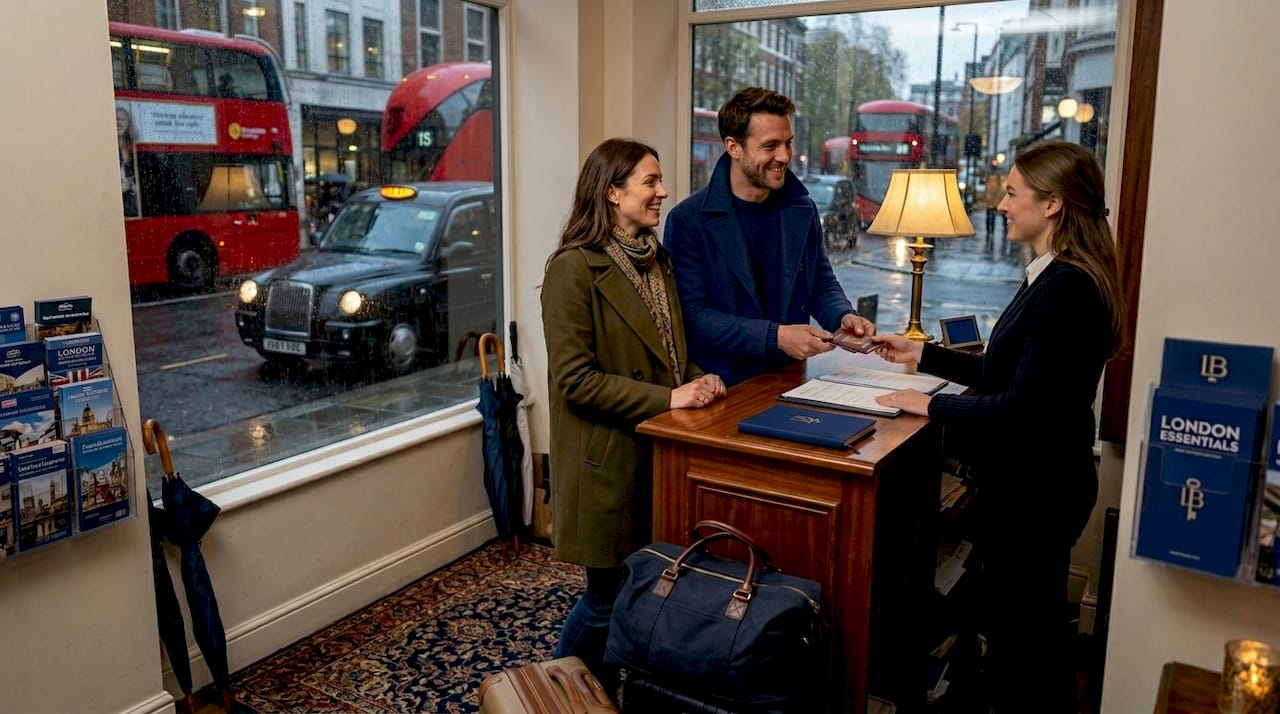
Boutique hotels offer a truly personal stay in London that larger chains simply can’t replicate. Many boutique properties occupy converted Georgian townhouses or Victorian warehouses, giving them a character rooted in the city’s architectural history. Staff tend to know their local area well and can make genuine recommendations rather than reciting a printed sheet of tourist attractions.
For those who prefer reliability and value, Premier Inn London County Hall sits directly on the South Bank, a short walk from the London Eye, Tate Modern, and Westminster Bridge. It’s one of the best-positioned mid-range hotels in the city.
Key steps for choosing where to stay in London:
- Decide on your key priorities first. Are you here for museums, theatre, day trips, nightlife, or a combination? Your answer changes which area makes most sense.
- Map your itinerary before booking. Identify the three or four places you most want to visit each day and pick accommodation that sits roughly in the middle.
- Check transport links. Being near a Zone 1 Tube station is more useful than being near a specific landmark, since the Tube connects you to everything else.
- Consider neighbourhood character. A hotel in Covent Garden suits theatre and dining lovers. Kensington suits museum-goers. Shoreditch suits those who want nights out and creative culture.
- Read recent reviews on tone, not just star rating. Look for comments about noise, service speed, and whether the neighbourhood felt safe to walk at night.
The benefits of staying in central London go well beyond convenience. You’re more likely to stumble upon unexpected experiences, from impromptu street performances to evening gallery openings, when you’re based in a lively central area rather than a quieter outer zone.
Pro Tip: Zones 1 and 2 of the London Underground cover the vast majority of everything a first-time visitor wants to see. Staying within these zones means you’ll save money on daily travel and spend less time in transit, which adds up to real extra time enjoying the city.
London on any budget: practical ways to save and splurge
London has a well-earned reputation as an expensive city. That reputation is partially deserved: accommodation, theatre tickets, and taxis can all hit hard. But the city is also remarkably generous with what it offers for free, and exploring London affordably with the right insider knowledge makes an enormous difference to your overall spend.
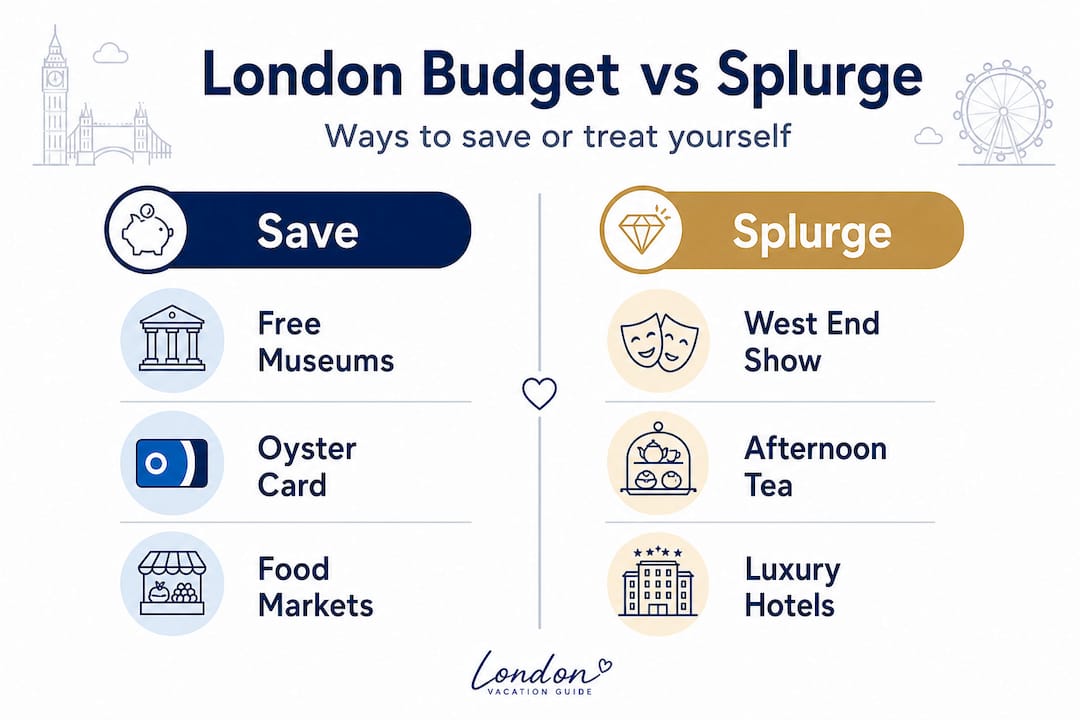
Here’s the headline fact that surprises most American visitors: the majority of London’s world-class museums and galleries are completely free to enter. This includes the British Museum, the National Gallery, the Victoria and Albert Museum, the Natural History Museum, the Science Museum, Tate Modern, Tate Britain, the National Portrait Gallery, and the Museum of London. That’s an extraordinary amount of cultural access at no cost.
Practical ways to stretch your budget further in London:
- Use an Oyster card or contactless bank card for all Tube and bus travel. You’ll automatically pay the lowest possible fare and benefit from a daily price cap.
- Visit free parks daily. Hyde Park, Regent’s Park, Victoria Embankment Gardens, and Greenwich Park are all free, beautiful, and great for a mid-afternoon rest between sights.
- Eat lunch rather than dinner at destination restaurants. Many highly regarded London restaurants offer set lunch menus at a fraction of the dinner price.
- Book theatre tickets through TKTS on Leicester Square for same-day or next-day discounts of up to 50 per cent on West End shows.
- Look at budget tips for 2026 before you travel so you have the most current information on prices and passes.
Where to splurge for maximum impact:
A proper London afternoon tea is worth every penny. Places like Claridge’s or The Ritz represent a genuine London ritual, though many mid-range hotels now offer excellent versions at half the price. If West End theatre is on your agenda, spend on a good seat in a beautiful old venue rather than a cheap seat at the back. The difference in experience is significant. Specialist guided walks, particularly the ones led by historians or architects in areas like the City of London or East End, typically cost £15 to £25 per person and offer insight you simply cannot get from a podcast or guidebook.
Why blending classic and local London creates the most memorable trip
Here’s an opinion we hold firmly, based on years of watching visitors plan their London holidays: the travellers who have the best time are almost never those who have the most packed itinerary. They’re the ones who gave themselves permission to slow down in one neighbourhood, eat somewhere they hadn’t planned, and let the city show them something unexpected.
Most travel guides are built around checklists. Tick off the Tower of London, tick off the Eye, tick off Buckingham Palace. There’s a psychological satisfaction in that approach, but it often leaves people feeling like they’ve seen London without actually experiencing it. The city’s real personality lives in the contrast between its layers.
Try the following as a framework for each day of your trip. Pick one landmark or major attraction in the morning, the kind of thing that’s on every London list. Then spend the afternoon in a neighbourhood you weren’t planning to visit. Wander without a fixed destination. Find a café and sit in it for an hour. The sample itinerary we recommend blends highlights with exactly this kind of exploratory time built in.
The uncomfortable truth about sightseeing is that the Tower Bridge looks like the Tower Bridge whether you’re standing there for 10 minutes or an hour. But the afternoon you spent wandering through Bermondsey’s antique stalls or watching a free lunchtime concert at St Martin-in-the-Fields, that becomes a story. That’s the memory you’ll actually tell people when you get home.
London rewards curiosity above all else. The visitors who leave most satisfied are those who combined the iconic with the intimate, who saw the city from the top of the Eye and also from a bench in Richmond Park, watching deer cross the path twenty metres away. Both experiences are London. Only together do they make a trip genuinely worth remembering.
Ready to plan your London adventure?
Now that you have a clear picture of what London can offer, from its grand iconic landmarks to its tucked-away neighbourhood gems, it’s time to bring those ideas together into a real plan. London Vacation Guide has everything you need to move from inspiration to a fully shaped itinerary. Start with the detailed first-time visitor guide for a structured overview of where to go and what to prioritise. If the riverside tranquility of exploring Richmond caught your attention, dive into the neighbourhood guide for the best local walks, restaurants, and hidden spots. And if you’re considering booking the London Eye, our listing has all the up-to-date ticket information, opening hours, and access details you need. Your perfect London holiday is closer than you think.
Frequently asked questions
What is the best time of year to visit London for US tourists?
Spring (April to June) and early autumn (September to October) offer the most pleasant weather with milder temperatures and fewer peak-season crowds, though London’s cultural calendar runs year-round with something worth seeing in every season.
Is it easy to get around London without a car?
Absolutely. London’s public transport network, including the Underground, Overground, and bus routes, covers virtually every part of the city, and a contactless card or Oyster card makes navigating it straightforward without the hassle of parking or traffic.
How can I save on London attractions and meals?
Prioritise free entry museums and royal parks, use the Tube on an Oyster card daily price cap, and visit food markets like Borough Market Kitchen for affordable, high-quality meals without restaurant prices.
Are popular sights in London wheelchair friendly?
Many of London’s main attractions, including the London Eye, offer fully accessible facilities and dedicated entrance routes, though it’s always worth checking individual venue websites before visiting to confirm current access arrangements.
Recommended
- London Itineraries: Plan Your Perfect Trip | London Vacation Guide
- The ultimate 2-day London itinerary for US visitors - The London Journal | London Vacation Guide
- London for First-Time Visitors: The Essential Guide | London Vacation Guide
- 1 Day in London: The Perfect Itinerary | London Vacation Guide