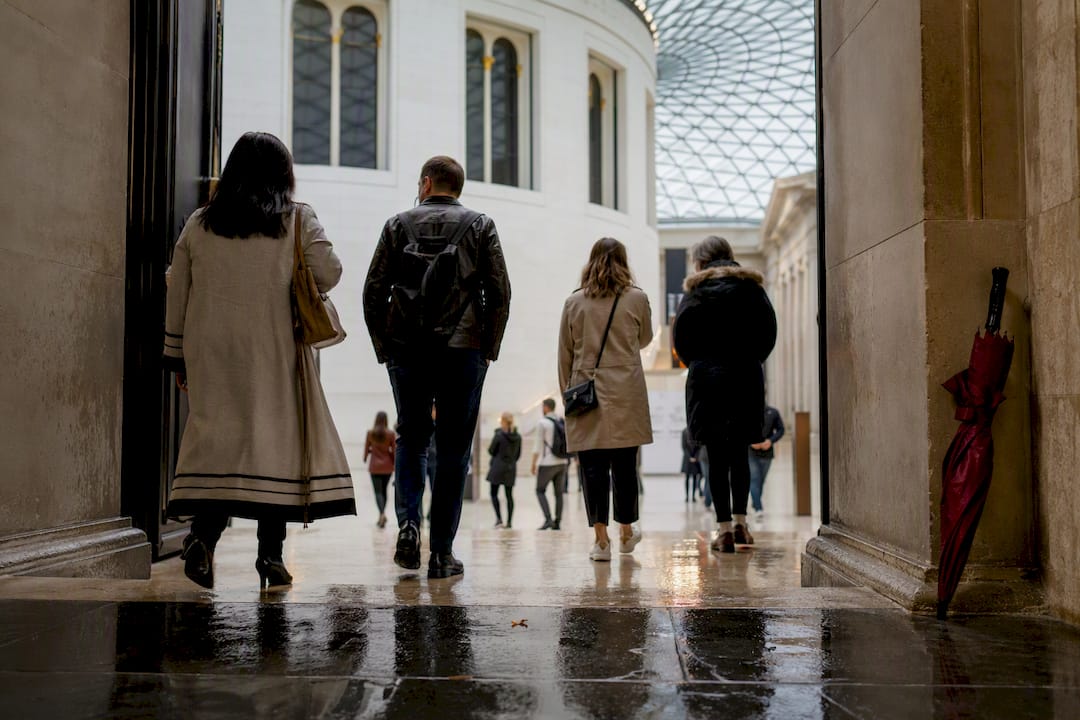
Best places to eat in London: your 2026 dining guide

London is home to over 85 Michelin-starred restaurants and 48 Bib Gourmand venues, making it one of the most rewarding cities in the world for food lovers. The places to eat in London span every budget, cuisine, and occasion, from a £12 bowl of Sri Lankan curry in Tooting to a tasting menu at a two-star restaurant in Mayfair. The mistake most visitors make is staying in Zone 1 and eating near the tourist sights. The real dining scene lives in the neighbourhoods, the markets, and the side streets that most guidebooks skip entirely.
1. What are the top places to eat in London for fine dining?
London’s Michelin-starred restaurants represent the pinnacle of the city’s culinary ambition. The Michelin star system awards one, two, or three stars based on the quality of cooking alone. One star signals a very good restaurant. Two stars indicate excellent cooking worth a detour. Three stars mark exceptional cuisine worth a special journey.
The city’s finest dining spots are spread across multiple neighbourhoods, not just the West End. Sketch in Mayfair holds three stars and is as famous for its surrealist décor as its food. The Clove Club in Shoreditch brings modern British cooking to a former town hall. Core by Clare Smyth in Notting Hill has held two stars and consistently ranks among the best restaurants in the UK. Alain Ducasse at The Dorchester in Mayfair offers classical French cooking at its most polished.
Booking is non-negotiable at this level. Most starred restaurants open reservations four to eight weeks in advance, and the most sought-after tables go within hours. Walk-in spaces exist at some venues, particularly at the bar or counter, but only outside peak hours. Arriving at 5:30 PM or after 8:30 PM gives you the best chance without a reservation.
- Sketch (Mayfair): Three Michelin stars, afternoon tea, and a dining room that looks like a Dalí painting.
- The Clove Club (Shoreditch): Modern British tasting menus with a strong focus on British produce.
- Core by Clare Smyth (Notting Hill): Ingredient-led cooking from one of the UK’s most decorated chefs.
- Alain Ducasse at The Dorchester (Mayfair): Classical French technique in a grand hotel setting.
- Ikoyi (St James’s): West African-inspired cooking with two Michelin stars and an adventurous flavour profile.
Pro Tip: Book a Michelin-starred lunch instead of dinner. Lunch menus at starred restaurants are often significantly shorter and cheaper, sometimes half the price of the evening equivalent, with the same kitchen and the same quality.
2. Where to find high-quality affordable meals: London’s Bib Gourmand restaurants
The Bib Gourmand award is the Michelin Guide’s marker for exceptional cooking at accessible prices. London’s 48 Bib Gourmand restaurants cover a wide range of cuisines and neighbourhoods, and they are consistently underrated by visitors who focus only on starred venues. These are the places where quality and value genuinely meet.
The award identifies restaurants where you can eat well for a reasonable sum without compromising on cooking standards. That makes Bib Gourmand venues the most practical choice for travellers who want memorable food without a special-occasion budget.
Several standout options represent the breadth of London’s Bib Gourmand list:
- Kiln (Soho): Thai cooking over open fire, with a short menu that changes daily and a queue that forms before the doors open.
- Brat (Shoreditch): Basque-influenced wood-fire cooking with a strong reputation for whole fish and aged beef.
- Padella (Borough): Fresh pasta at prices that feel almost unreasonably fair, with queues to match.
- Brigadiers (City of London): Indian barbecue inspired by the military messes of India, with a lively atmosphere and strong cocktails.
- Smoking Goat (Shoreditch): Thai barbecue with bold, smoky flavours and a no-reservations policy that rewards early arrivals.
The price difference between a Bib Gourmand meal and a Michelin-starred dinner is significant. The table below gives a realistic comparison.
| Dining category | Typical spend per person |
|---|---|
| Bib Gourmand (two courses) | £25–£45 |
| One-star restaurant (tasting menu) | £90–£150 |
| Two-star restaurant (tasting menu) | £150–£250 |
| Three-star restaurant (full experience) | £250–£400+ |
Bib Gourmand restaurants also tend to be easier to book. Many open reservations two to three weeks out, and several operate a walk-in or partial walk-in policy. For travellers who want to eat well every day without planning every meal months ahead, these venues are the most reliable option in the city.
3. How exploring London’s neighbourhoods uncovers authentic dining experiences
The best meals in London are frequently found outside Zone 1. Neighbourhood dining hubs offer better value, fewer crowds, and a far more accurate picture of how Londoners actually eat. Each area has its own culinary identity, shaped by the communities that have settled there over generations.
Tooting
Tooting, in south London, is the city’s most concentrated destination for South Asian cooking. Tooting High Street and Upper Tooting Road are lined with Sri Lankan, Indian, and Pakistani restaurants that have been feeding the local community for decades. Apollo Banana Leaf is a local institution for Tamil cuisine. The prices are low, the portions are generous, and the cooking is the real thing.
Dalston
Dalston in east London draws a younger crowd and a more eclectic mix of cuisines. Turkish mangal restaurants sit alongside Vietnamese canteens, Caribbean takeaways, and natural wine bars. Mangal 2 on Arcola Street is one of the most respected Turkish restaurants in the city, known for its wood-fired cooking and long-standing reputation.
Clapham
Clapham offers a more polished neighbourhood dining scene without the central London price premium. The area around Clapham Old Town and Abbeville Road has a strong selection of independent restaurants covering French bistro cooking, modern British menus, and casual Italian. Neighbourhood dining scenes in areas like Clapham consistently deliver better value than equivalent restaurants in Soho or Covent Garden.
Notting Hill and Portobello Road
Notting Hill combines upmarket restaurants with the weekly Portobello Road Market, which runs every Saturday. The area around Ledbury Road and Westbourne Grove has a strong concentration of independent cafés, wine bars, and restaurants. The neighbourhood rewards slow exploration on foot.
Shoreditch
Shoreditch has evolved from a creative district into one of London’s most reliable dining destinations. The area covers everything from Bib Gourmand spots to street food markets, with Boxpark Shoreditch offering a permanent collection of independent food vendors in a converted shipping container complex.
Pro Tip: Visit neighbourhood restaurants on a Tuesday or Wednesday evening. These are the quietest nights of the week, tables are easier to get, and the kitchen is often at its most focused without the weekend rush.
4. What are London’s best food markets and casual dining spots?
Borough Market is London’s largest and most celebrated food market, operating near London Bridge since the 11th century in various forms. The current market runs Tuesday through Saturday, with Saturday being the busiest and most atmospheric day. Traders sell everything from Neal’s Yard cheese to Gujarati street food, and the quality across the board is genuinely high.

The market works best as a grazing experience rather than a sit-down meal. Pick up a salt beef bagel from Monty’s Deli, a Scotch egg from the Scotch Egg Challenge stall, or a portion of paella from one of the Spanish traders. The London Bridge area surrounding the market has a strong concentration of restaurants and wine bars that make it worth spending a full afternoon there.
Beyond Borough, London’s market scene covers a wide range of styles and neighbourhoods:
-
Greenwich Market runs Wednesday through Sunday and specialises in hot food from independent vendors, with a strong mix of Asian street food, Caribbean cooking, and artisan baked goods. The covered market sits within a UNESCO World Heritage Site, which makes it one of the more atmospheric places to eat in the city.
-
Portobello Road Market in Notting Hill is best known for antiques, but the food stalls along the northern end of the road are worth seeking out on a Saturday morning. Portuguese custard tarts, jerk chicken, and fresh juice are all available within a short stretch.
-
Market Halls Victoria is a permanent indoor food hall near Victoria station with a rotating selection of independent restaurant concepts. It is one of the most practical options for groups with varied tastes, as the format allows everyone to order from different vendors and eat together.
-
Maltby Street Market in Bermondsey runs on Saturday and Sunday mornings and is significantly less crowded than Borough Market. The traders here tend to be producers and specialists: smoked fish, artisan bread, and small-batch preserves. It is the better choice for visitors who find Borough Market overwhelming at weekends.
Pub dining deserves a mention alongside the markets. Traditional pub food is a genuine part of London’s food culture, not a tourist afterthought. A well-kept Sunday roast at a neighbourhood pub, with proper gravy and roast potatoes, is one of the most satisfying meals the city offers. The Anchor and Hope in Waterloo and The Eagle in Clerkenwell are two pubs with serious kitchens that have been setting the standard for gastropub cooking for years.
Pro Tip: Arrive at Borough Market before 11:00 AM on a Saturday to avoid the worst of the crowds. The traders are fully stocked, the atmosphere is lively but manageable, and you can actually hold a conversation while you eat.
Key takeaways
London’s dining scene rewards travellers who look beyond central tourist areas, combining Michelin-starred excellence, Bib Gourmand value, and authentic neighbourhood cooking into one of the world’s most varied food cities.
| Point | Details |
|---|---|
| Michelin-starred dining | London has over 85 starred restaurants; book four to eight weeks ahead for the best tables. |
| Bib Gourmand value | 48 recognised venues offer outstanding cooking for £25–£45 per person, far below starred restaurant prices. |
| Neighbourhood dining | Areas like Tooting, Dalston, and Clapham deliver authentic, affordable meals with fewer crowds than central London. |
| Food markets | Borough Market, Maltby Street, and Greenwich Market offer diverse, high-quality casual eating across the city. |
| Booking strategy | Walk-in tables at popular restaurants are most available before 6:00 PM or after 8:30 PM on weekdays. |
What I’ve learned after years of eating across London
The single most common mistake I see visitors make is treating London’s dining scene as a checklist of famous names. They book the restaurant they read about in a Sunday supplement, eat a perfectly competent meal, and leave feeling like they’ve ticked a box. That is not how this city works.
The meals I remember most vividly from years of eating across London are almost never from the places with the longest queues or the most Instagram posts. They are from a Sri Lankan place in Tooting where the owner brought out a dish that wasn’t on the menu because she thought I’d like it. From a Turkish mangal in Dalston where the bread came straight off the fire. From a counter seat at Kiln in Soho where I watched the cooks work over open flames for two hours and ate everything they put in front of me.
My honest view is that the authentic food experiences in this city require a willingness to be slightly uncomfortable. To eat somewhere with no English menu. To queue for 40 minutes for pasta. To sit at a bar rather than a table. The restaurants that demand something from you almost always give more back.
The Michelin stars and the Bib Gourmand awards are useful guides, and I use them. But the best piece of advice I can give is to spend one evening of your trip in a neighbourhood you wouldn’t normally visit, eat somewhere with no reviews in English, and see what happens. London’s restaurant tips and insider knowledge can get you started, but the best discoveries are still the ones you make yourself.
— Matt
Planning your London dining with London Vacation Guide
London Vacation Guide has built detailed resources to help you eat well across every part of the city. Whether you are a first-time visitor to London trying to plan a week of meals or a returning traveller looking to push further into the neighbourhoods, the guides cover the practical detail that makes the difference. The neighbourhood guides profile each area’s dining character, best streets to walk, and the type of restaurants you’ll find there. Use them to build an itinerary that balances the iconic with the genuinely local, and you’ll eat far better than any tourist map would suggest.
FAQ
How many Michelin-starred restaurants does London have?
London has over 85 Michelin-starred restaurants as of 2026, making it one of the most decorated cities in the world for fine dining.
What is a Bib Gourmand restaurant?
A Bib Gourmand is a Michelin Guide award for restaurants that offer exceptional quality at accessible prices. London has 48 such venues covering a wide range of cuisines.
Where should I eat in London without a reservation?
Arriving before 6:00 PM or after 8:30 PM gives you the best chance of a walk-in table at popular restaurants. Markets like Borough Market and Maltby Street Market require no booking at all.
Which London neighbourhood is best for authentic international food?
Tooting is the strongest single destination for South Asian cooking, while Dalston covers Turkish, Vietnamese, and Caribbean cuisines. Both areas offer authentic neighbourhood dining at prices well below central London.
What is the best food market in London?
Borough Market near London Bridge is the largest and most celebrated, open Tuesday through Saturday. Maltby Street Market in Bermondsey is the better choice on weekends if you prefer a quieter, more specialist experience.
Recommended
- London restaurant tips: your 2026 insider guide - The London Journal | London Vacation Guide
- Sustainable dining in London: your complete 2026 guide - The London Journal | London Vacation Guide
- Must-try London foods: the definitive 2026 guide - The London Journal | London Vacation Guide
- London’s Best Restaurants: Where to Eat in Every Neighborhood - The London Journal | London Vacation Guide