Local dining guide London: find authentic food experiences
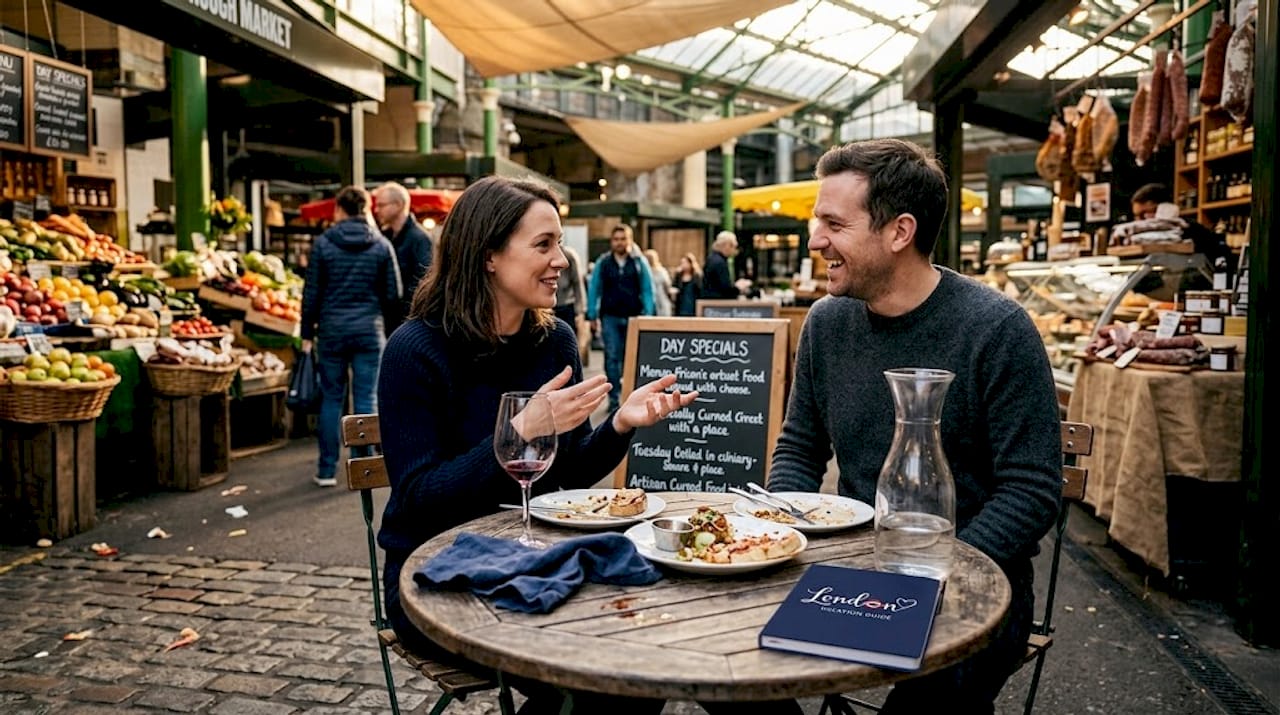
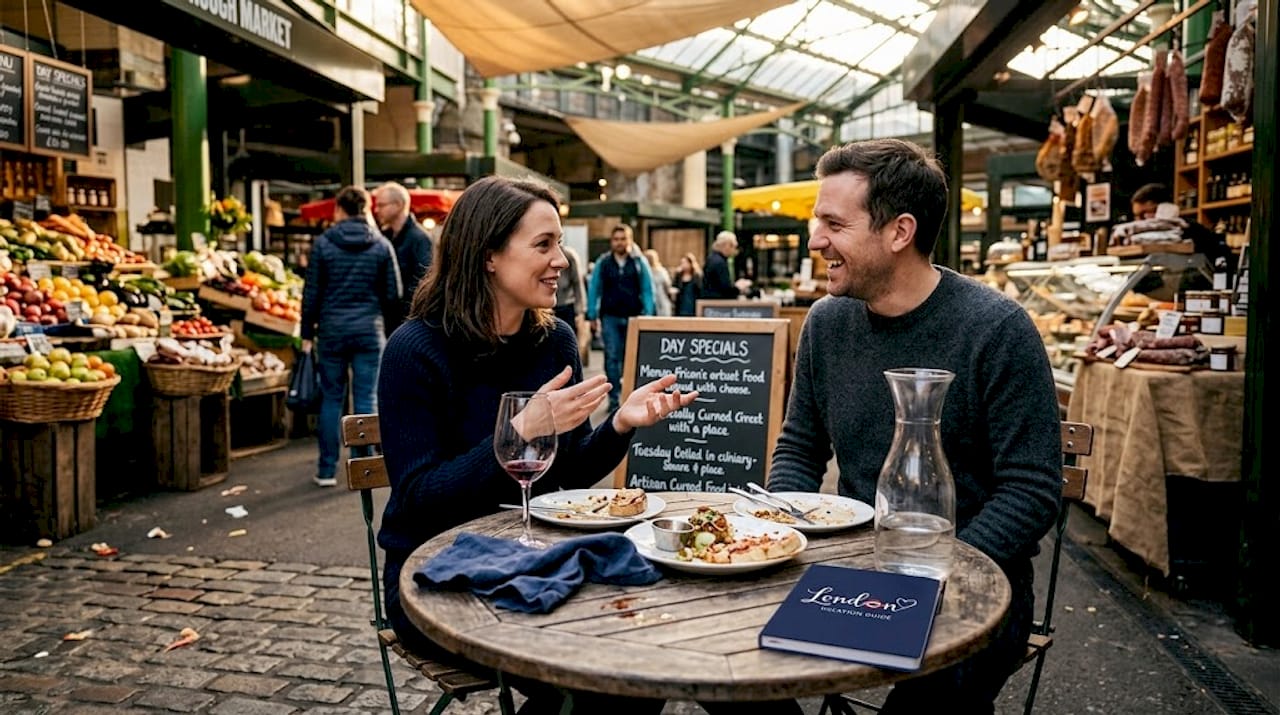
London’s food scene is, frankly, one of the most demanding in the world to navigate well. Not because the quality is lacking, but because the sheer breadth of it can send even seasoned food enthusiasts into a paralysing spiral of open tabs and indecision. This local dining guide London visitors actually need cuts through the noise with practical tools, neighbourhood knowledge, market timing, and booking strategies that work. Whether you are chasing oysters under railway arches, a Michelin tasting menu in Shoreditch, or the best jerk chicken in Brixton, this guide gets you there without the guesswork.
Table of Contents
- Understanding London’s local dining scene
- Planning your dining adventure: what you need to know before you go
- Navigating London’s food markets: where to go and what to try
- Discovering London’s Michelin-starred and innovative dining spots
- Tips for enhancing your local dining experience in London
- Why embracing London’s diverse dining culture transforms your visit
- Plan your delicious London journey with expert guides and local insights
- Frequently asked questions
Key Takeaways
| Point | Details |
|---|---|
| Diverse dining options | London offers a rich variety of local and international cuisines from markets to Michelin-starred restaurants. |
| Plan ahead | Visiting popular markets early and booking restaurants weeks in advance improve your dining experience. |
| Use technology | Apps like Deliveroo Reservations simplify finding and booking tables at in-demand London eateries. |
| Explore markets | Food markets provide authentic, affordable, and vibrant local food culture experiences. |
| Embrace local culture | Engaging with London’s diverse food scene reveals the city’s cultural heritage and innovative spirit. |
Understanding London’s local dining scene
London is not one food city. It is about thirty of them layered on top of each other. That is what makes it extraordinary and, at times, utterly overwhelming. London’s food destination appeal is built on centuries of immigration, trade, and cultural collision that no other European capital can quite replicate.
The numbers alone tell part of the story. London holds 88 Michelin-starred restaurants alongside a street food market culture that rivals Bangkok and Mexico City. But statistics only go so far. What really defines this city’s food identity is the way those extremes coexist. You can eat a £2 pork bun at a market on Saturday morning and sit down for a £150 tasting menu that evening, and both experiences will feel authentically London.
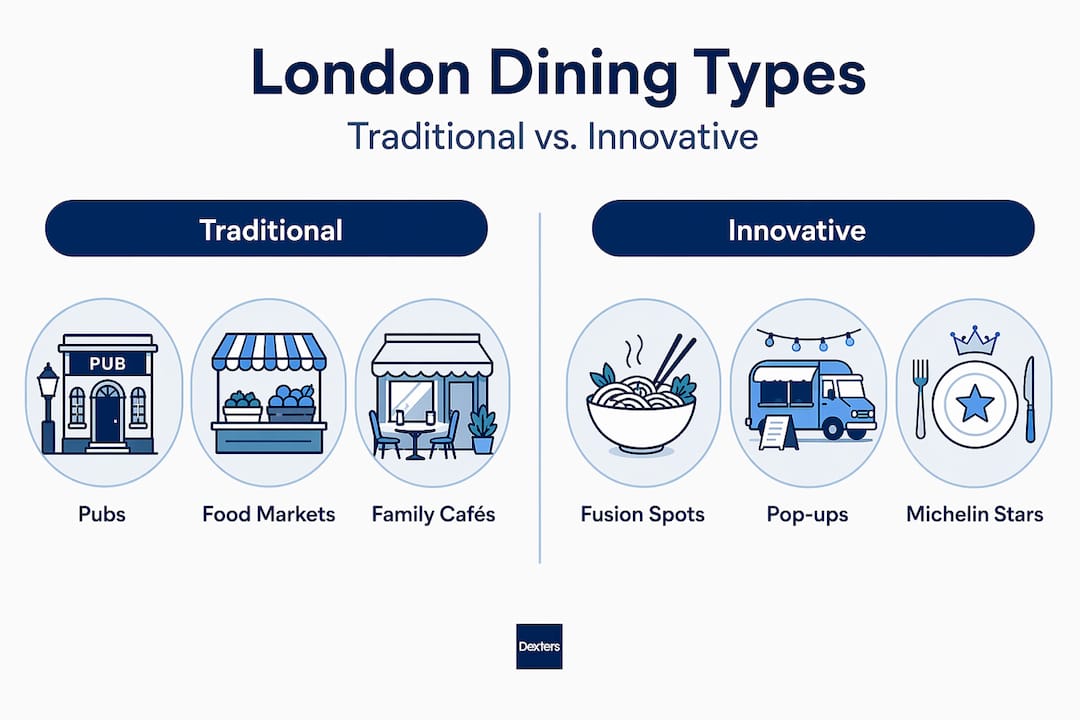
Understanding the types of London dining experiences available to you helps enormously before you begin planning. Here is a practical breakdown:
- Historic food markets such as Borough, Maltby Street, and Broadway Market, offering artisan produce, hot street food, and direct access to small-batch suppliers
- Neighbourhood restaurants and local pubs, which vary dramatically by area and often reflect the cultural heritage of the community around them
- Michelin-starred and Bib Gourmand venues, ranging from formally white-tablecloth affairs to relaxed neighbourhood spots with exceptional cooking
- International dining enclaves, including Chinatown in the West End, Little Portugal in Stockwell, and the South Asian corridor along Brick Lane and beyond
- Pop-ups and supper clubs, particularly active in East London, offering temporary dining experiences that rarely appear on mainstream booking platforms
Knowing which category suits your mood, budget, and available time is the first real decision in any good London dining reservation guide.
Planning your dining adventure: what you need to know before you go
Preparation is the difference between a legendary food trip and an afternoon spent queuing for something mediocre because every other option was closed or fully booked. London rewards those who do thirty minutes of research before they leave the hotel.
Start with markets, since they have the most rigid timing. Borough Market operates Tuesday through Saturday, and arriving before 11am is the difference between unhurried browsing and shoulder-to-shoulder shuffling. On Saturdays especially, the crowd doubles by midday and the best stalls begin selling out.
For restaurants, spontaneity is a beautiful idea that London will regularly punish. The booking situation in this city is genuinely difficult. A striking 56% of Londoners experience what has been dubbed “Booking Dread,” and 60% have abandoned plans entirely because they could not secure a table. Tools like Deliveroo Reservations now address this with real-time availability across popular venues, making it far easier to find and confirm tables at short notice.
Here is a practical pre-trip planning checklist:
- Identify your priority restaurants and check whether they require advance booking or have walk-in policies
- Note which days your chosen food markets operate and cross-reference with your itinerary
- Download a booking app such as Deliveroo Reservations or OpenTable before you travel
- Research neighbourhood dining areas rather than individual restaurants, so you always have nearby alternatives
- Check allergen and dietary menus online in advance, as London restaurants are legally required to provide this information but markets vary in how clearly they display it
For payments, carrying cash is increasingly unnecessary. London is almost entirely contactless, with market traders using mobile card readers and keeping minimal cash. A contactless card or phone payment is accepted almost universally, even at small outdoor stalls.
Pro Tip: If you are visiting from outside the UK, notify your bank before arrival. Contactless limits and foreign transaction fees can catch you out at the worst possible moment, usually mid-order at a market with a queue behind you.
At popular spots like Dishoom Covent Garden, booking ahead is essential rather than optional. Dishoom does not take reservations for lunch but does for dinner, and the queue for walk-ins regularly stretches to over an hour. Knowing this before you arrive saves real frustration.
Navigating London’s food markets: where to go and what to try
London’s food markets are not tourist attractions. Or rather, they are, but they are also working parts of the city’s food supply chain, with independent traders, seasonal produce, and a rhythm that rewards repeat visitors. Getting the most from them means knowing where to go and when.
| Market | Best visiting time | Signature foods | Atmosphere |
|---|---|---|---|
| Borough Market | Weekdays before 11am, or Thursday evening | Wild mushroom risotto, oysters at £2-5, artisan cheese | Historic, covered, premium |
| Camden Market | Weekend afternoons | Global street food, vegan options, Japanese-inspired bites | Young, energetic, eclectic |
| Maltby Street Market | Saturday and Sunday mornings | Smoked meats, craft beer, sourdough | Local, intimate, low-key |
| Broadway Market | Saturday only | Vietnamese bánh mì, specialty coffee, fresh pasta | Neighbourhood, creative, busy |
| Portobello Road Market | Friday and Saturday | Antiques alongside Caribbean street food and international snacks | Chaotic, colourful, mixed |
Borough Market is the anchor of any London food guide worth reading. The wild mushroom risotto and oysters, priced between £2 and £5 each, are genuinely among the best-value bites in the city. Go before 11am on a weekday and it feels like a local secret. Go at 1pm on a Saturday and it feels like an airport.
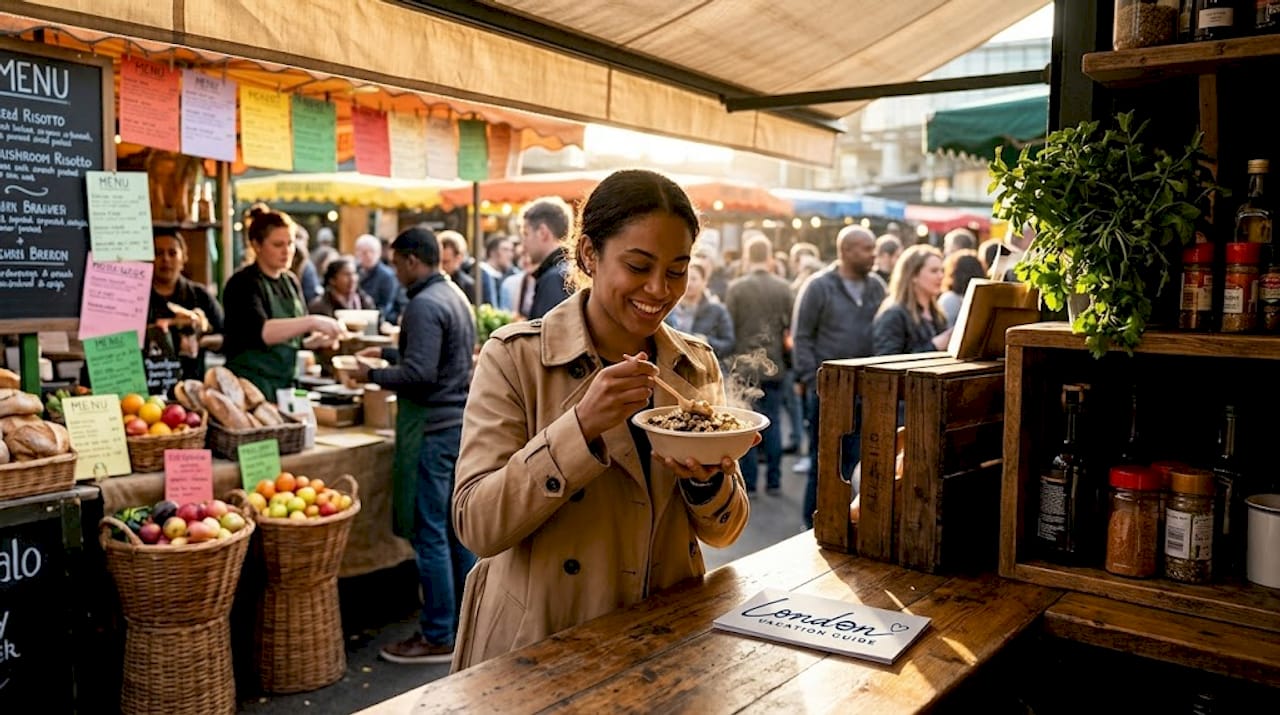
Camden Market food stalls operate on a completely different frequency. The food is global, chaotic in the best sense, and representative of exactly the kind of multicultural street eating that London does better than anywhere. Look past the obvious stalls near the entrance and explore the Stables Market area at the back for more interesting options.
Maltby Street is the one to mention if you want to sound like a local. It sits tucked under railway arches in Bermondsey and runs on Saturday and Sunday mornings. The crowd is almost entirely local, the traders genuinely care about their products, and you will not find it on most tourist itineraries.
Portobello Road Market in Notting Hill blends antique stalls with food vendors in a way that feels accidental and wonderful. The Caribbean food options here reflect the neighbourhood’s West Indian heritage and are some of the most authentic you will find in Central London.
Pro Tip: At Borough Market, position yourself near the Jubilee Place entrance on a Thursday evening when the lunch crowd has thinned out. The traders are more relaxed, samples are more generous, and the experience is far more conversational than the weekend crush allows.
A few insider notes on market eating:
- Most hot food stalls have limited seating, so dress comfortably and be prepared to eat standing or find a nearby bench
- Many artisan traders at Borough accept advance orders for cheese, charcuterie, and baked goods, which is worth knowing for self-catering accommodation
- Street food portions at London markets tend to be generous but prices have risen considerably since 2022, with most hot dishes now at £8 to £14
Discovering London’s Michelin-starred and innovative dining spots
This is where London’s dining scene genuinely separates itself from other world cities. The density and variety of serious restaurants here is extraordinary. London gained two new Two-Star and nine new One-Star Michelin restaurants in 2026, alongside a crop of Bib Gourmand awards recognising exceptional value, which means affordable excellence is far more accessible than the word “Michelin” typically implies.
Singburi in Shoreditch is one of those Bib Gourmand finds worth knowing about. A Thai restaurant that draws heavily on the chef’s own family recipes rather than a pan-Asian approximation, it represents exactly the kind of venue that gets rewarded for cooking with genuine intent rather than commercial polish.
The Shoreditch dining guide is a good starting point for anyone wanting to explore East London’s rising food reputation. The neighbourhood has evolved from a curry house strip into a genuine destination for creative cooking, with a mix of independent restaurants, natural wine bars, and experimental dining concepts that changes faster than most published guides can keep pace with.
For booking top-tier restaurants, here is what actually works:
- Plan four to six weeks ahead for popular Michelin spots. Booking via OpenTable or Deliveroo Reservations gives you real-time slot visibility and significantly reduces the back-and-forth of email enquiries
- Try for early or late sittings if peak times are fully booked. Many restaurants hold back a number of tables for 6pm or 9:30pm slots that feel less desirable but deliver the same kitchen
- Check the bar or counter seats at fine dining venues. Counter dining at Michelin spots is often available with less notice and provides a more interactive experience
- Use Bib Gourmand lists as your practical entry point. These are Michelin-endorsed restaurants that deliver exceptional cooking at under £40 for three courses, making them the best-value fine dining proposition in the city
- Consider gastropubs with serious kitchens. Walk-ins are rare at Michelin restaurants but midweek at a well-regarded gastropub, you can often secure a table on the day
The best london restaurant booking platforms for Michelin-level venues are Deliveroo Reservations for last-minute real-time availability and OpenTable for advance planning across a broader restaurant database. Neither requires a subscription and both allow cancellation in most cases.
Key neighbourhoods with the highest concentration of top dining spots London:
- Mayfair and Marylebone: Traditional fine dining with the highest concentration of starred venues
- Shoreditch and Hackney: Creative, independent, and internationally diverse
- Notting Hill and Kensington: Relaxed neighbourhood dining at a consistently high standard
- Borough and Bermondsey: Where chefs choose to eat on their nights off
Tips for enhancing your local dining experience in London
Knowing where to go is only part of it. How you navigate the experience once you are there makes a significant difference, particularly in a city where social norms around dining are genuinely different from those in other countries.
London restaurant culture is more relaxed than Paris and less regimented than Tokyo, but it has its own codes. Service here is typically friendly but not effusive. Do not expect servers to hover or check in repeatedly. If you need something, make eye contact and raise a hand. Waving is considered rude; a gentle nod or verbal “excuse me” works far better.
On tipping, the standard in London is 12.5%, and most restaurants add an optional service charge to the bill automatically. You are within your rights to ask for it to be removed if service was poor, but this is rarely done and can feel awkward. In markets and street food settings, tipping is not expected at all.
Here are practical london dining tips to take with you:
- Book at restaurants that suit your group size. Tables for five or more require advance notice almost everywhere, and walk-in groups larger than four are turned away more often than not
- Check for set lunch menus at fine dining venues. Many Michelin restaurants offer weekday lunch at roughly half the dinner price, which is the most efficient way to experience serious cooking without serious expenditure
- Ask about the menu before dietary restrictions become a crisis. London’s allergy legislation requires restaurants to flag 14 major allergens, but at markets this is much less standardised
- Travel on foot between market visits when your itinerary allows. Some of London’s best independent food shops, bakeries, and cheese shops are found on the routes between major food destinations rather than at them
- Avoid peak tourist areas for casual dining. Covent Garden, Leicester Square, and Oxford Street are convenient but consistently overpriced and underwhelming compared to what one neighbourhood step away offers
Pro Tip: If you struggle to find availability at the best restaurants by neighbourhood, try searching on a Tuesday or Wednesday lunch. These are statistically the quietest slots in London restaurants and the most likely times to find last-minute availability even at well-regarded venues.
Understanding “Booking Dread” as a real phenomenon rather than personal bad luck helps too. The frustration that 60% of Londoners feel when plans fall through due to booking difficulties is a feature of London’s genuinely competitive restaurant market, not a reflection of your timing or effort. Using real-time availability tools takes much of the stress out of the process.
Why embracing London’s diverse dining culture transforms your visit
Here is the view we have developed over years of covering this city’s food scene: the visitors who leave London genuinely changed by what they ate are almost never the ones who stuck to the Tripadvisor top ten. They are the ones who ate goat curry in Brixton on a Tuesday afternoon, stumbled into a Georgian wine bar in Peckham, or found themselves at a supper club run from a Victorian townhouse in Hackney.
London’s food diversity is not a marketing slogan. Michelin chef Clare Smyth has described London’s food culture as one of the world’s best precisely because it reflects a living, constantly evolving city rather than a curated version of national identity. You are not eating a fixed cuisine when you eat in London. You are eating a conversation between cultures that has been happening for centuries.
The deepest dining experiences here come from eating at the intersection of tradition and innovation. A Nigerian-owned restaurant in Peckham that serves suya alongside natural wine from Georgia. A Japanese-Italian fusion counter in Soho that makes no concessions to either tradition but somehow honours both. These places do not exist in most cities. In London, they exist on most streets.
Our genuine advice is to resist the urge to optimise your itinerary purely around prestige. London as a top food destination earns that status not from its Michelin count but from the density of brilliant, unpretentious cooking that never makes any list at all. Balance your Michelin evening with a market morning. Follow a tasting menu with a pub Sunday roast. The contrast is the point.
What you will find is that every layer of London’s food culture tells you something about the city that no museum or guidebook can. Eating here is not just pleasure. It is a form of understanding.
Plan your delicious London journey with expert guides and local insights
Ready to put these recommendations into action? London Vacation Guide has done the curation work for you. Whether you are planning your first trip or returning for a deeper food-focused visit, our first-time visitor guide includes food itineraries that balance market mornings, neighbourhood lunches, and evening dining at the city’s most talked-about tables. Explore the Shoreditch neighbourhood guide for East London’s most exciting eating destinations, or go straight to booking details for iconic spots like Dishoom Covent Garden. Every listing includes practical information on opening times, booking links, and what to order, so you arrive informed rather than overwhelmed.
Frequently asked questions
What are the best food markets in London for authentic local cuisine?
Borough Market is widely considered London’s finest, with over 100 stalls offering artisanal produce and street food. Camden and Maltby Street are strong alternatives for a more neighbourhood feel.
How far in advance should I book London’s Michelin-starred restaurants?
Four to six weeks ahead is the standard recommendation. Platforms like OpenTable and Deliveroo Reservations show real-time availability, and midweek lunch slots are often bookable with considerably less notice.
Can I pay with cash at London food markets?
Cards and contactless phone payments are now the norm. Most London traders use mobile card readers and hold little to no cash, so leaving your wallet at home is genuinely an option.
What is “Booking Dread” and how can I avoid it in London?
It is the frustration of being unable to find available tables at popular restaurants. Using Deliveroo Reservations for live booking data significantly reduces the problem, particularly for last-minute or spontaneous dining plans.
Recommended
- Why London is a top food destination for culinary travellers - The London Journal | London Vacation Guide
- How to experience London like a local: your essential guide - The London Journal | London Vacation Guide
- London’s Best Restaurants: Where to Eat in Every Neighborhood - The London Journal | London Vacation Guide
- Discover local London: Why exploring beyond tourist spots matters - The London Journal | London Vacation Guide