Why London is a top food destination for culinary travellers
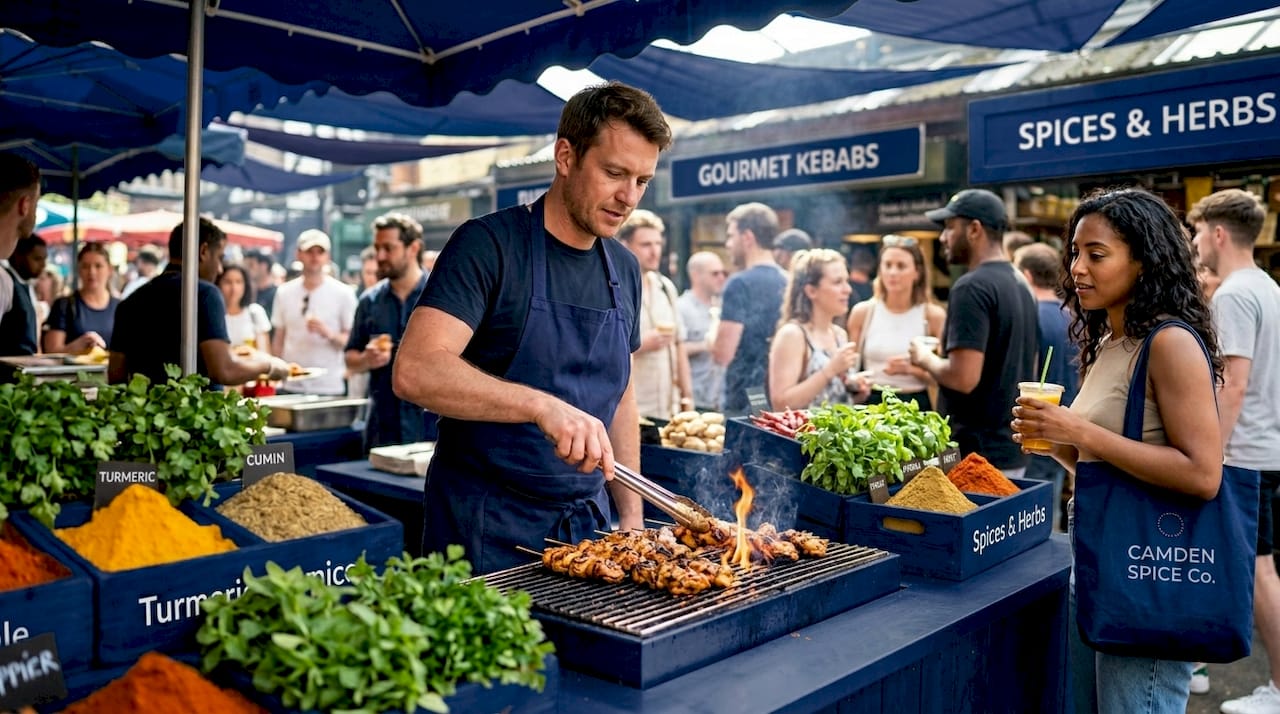
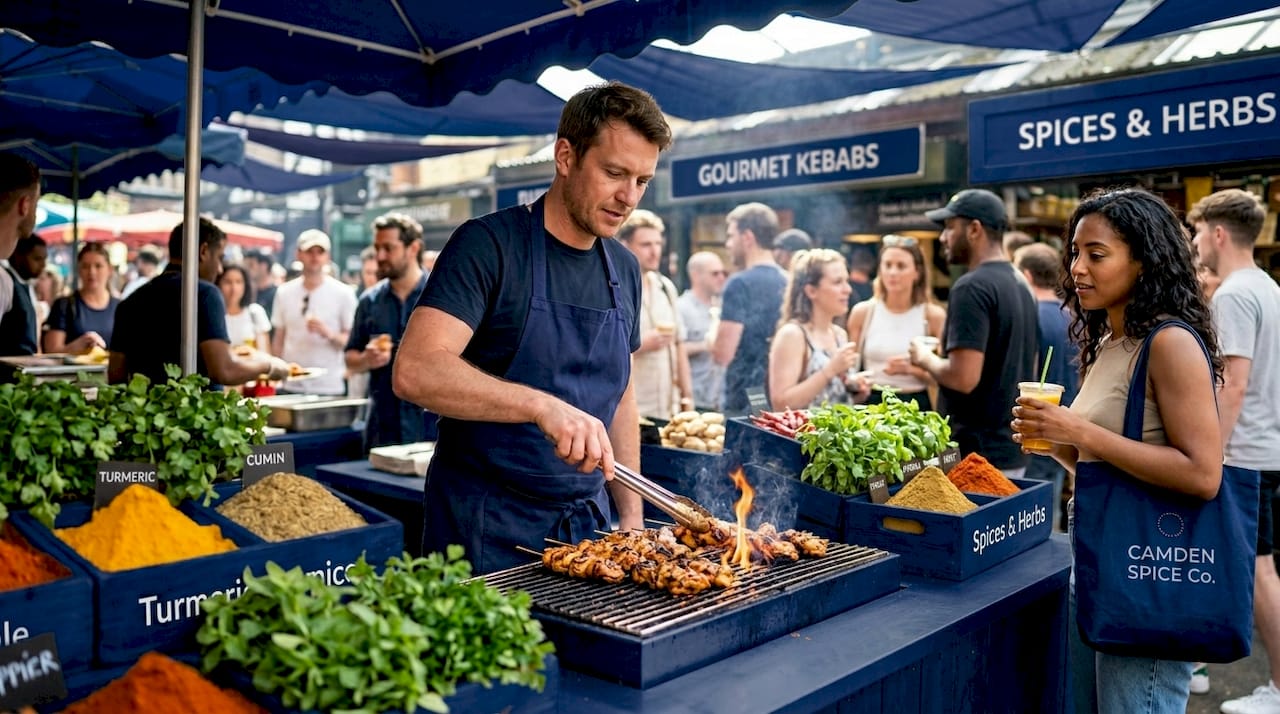
Few things surprise first-time visitors to London more than the food. The old cliché about bland British cooking evaporates within hours of arrival, replaced by the realisation that this city contains one of the most extraordinary collections of food experiences on the planet. London’s food scene represents over 200 nationalities, meaning you can genuinely eat your way around the world without leaving the city. Whether you are planning a weekend break or a longer stay, understanding London’s food landscape will transform your trip from a standard holiday into something far more memorable.
Table of Contents
- London’s culinary roots: why diversity drives the food scene
- From street eats to Michelin stars: London’s culinary spectrum
- Trending global flavours: today’s most exciting cuisines in London
- How to eat like a Londoner: insider advice for a true culinary adventure
- The real London food story: what most guides miss
- Plan your London food adventure with expert local guides
- Frequently asked questions
Key Takeaways
| Point | Details |
|---|---|
| Unmatched culinary diversity | London offers food from over 200 cultures, making it one of the top choices for international dining. |
| Experiences for every budget | From vibrant street food to luxury Michelin-starred meals, there are options for all price points and preferences. |
| Constant innovation | New cuisines and restaurant concepts appear frequently, meaning there’s always something fresh and exciting to try. |
| Plan like a local | Using insider advice and neighbourhood guides helps you find authentic, memorable meals often missed by tourists. |
London’s culinary roots: why diversity drives the food scene
To truly appreciate what you are eating in London, you need to understand how the city’s food got this way. This is not a scene that happened accidentally or overnight. It was built across centuries of trade, conquest, migration, and cultural exchange, and every layer of that history still shows up on your plate today.
“London’s culinary evolution stems from its history as a global trade hub during the British Empire and waves of immigration, fostering fusion and niche regional specialties.”
The British Empire connected London to South Asia, the Caribbean, West Africa, East Asia, and beyond. Soldiers, merchants, and administrators came home with new tastes and ingredients. Then, in the twentieth century, waves of immigration brought entire culinary traditions with them. South Asian families settled in Brick Lane and Southall. Chinese communities built Chinatown in Soho. Caribbean culture took root in Brixton. Each community brought recipes, techniques, and ingredients that gradually wove themselves into the city’s everyday eating habits.
What makes London particularly remarkable is that this diversity across 200+ nationalities does not simply sit in separate boxes. Chefs and food entrepreneurs here actively combine influences, creating genuinely original dishes that could only exist in London. A single afternoon at Borough Market can take you from Ghanaian groundnut stew to Basque pintxos to Japanese-Peruvian ceviche. That creative collision is what keeps the food world paying attention to this city.
Several forces have shaped London’s unique position in the European and global food landscape:
- Historical trade routes introduced spices, techniques, and ingredients from across Asia, Africa, and the Americas centuries before globalisation
- Post-war immigration brought fully formed culinary traditions from South Asia, the Caribbean, Cyprus, and Hong Kong
- Restaurant innovation accelerated in the 1990s and 2000s, with a new generation of chefs reinterpreting heritage cuisines for modern palates
- Food market culture created low-barrier spaces where small producers, street food vendors, and experimental cooks could test ideas without the overhead of a full restaurant
- International investment drew chefs and restaurant groups from New York, Tokyo, Melbourne, and Copenhagen to open London outposts, raising the overall standard further
The city’s unique local flavours shift noticeably from neighbourhood to neighbourhood, which means that exploring London’s food scene is inseparable from exploring the city itself. Our detailed neighbourhood guides can help you plan which areas to prioritise based on the flavours you most want to chase.
From street eats to Michelin stars: London’s culinary spectrum
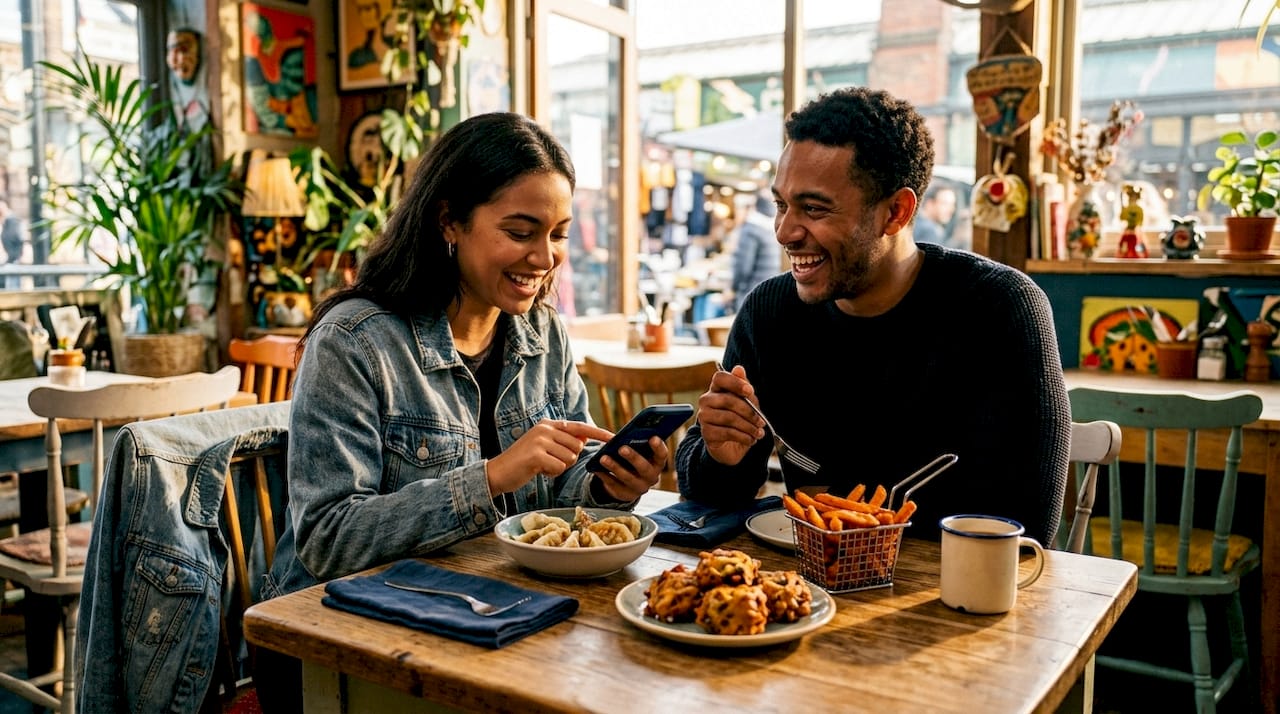
One of the most useful things to understand before your trip is that London caters to every level of food ambition and every budget. You do not have to choose between affordability and quality. Some of the most memorable meals you will eat here cost less than a cinema ticket.
Borough Market in Southwark is the obvious starting point for the street food end of the spectrum. Open on Thursdays, Fridays, and Saturdays, it brings together an extraordinary concentration of artisan producers, hot food vendors, and specialist ingredient suppliers. You can eat salt beef bagels, wild mushroom arancini, pulled pork from Monmouth coffee country, and freshly shucked oysters all within fifty metres of each other. Maltby Street Market, just a short walk away, is slightly less crowded and arguably more interesting for its rotating roster of independent traders.
At the other end of the scale, London holds an impressive number of Michelin-starred restaurants, ranging from contemporary British tasting menus at places like The Ledbury and Core by Clare Smyth to the theatrical Japanese-Peruvian experience at Nobu and the inventive modern European cuisine at Sketch. A Michelin-starred meal in London is genuinely competitive in quality with the best restaurants in Paris, Copenhagen, or Tokyo, and the variety of styles available means you are not locked into a single vision of what fine dining should look like.
Between these two poles sits a rich middle ground that many travellers overlook. Traditional British pubs serving seriously good food (the gastropub remains one of London’s most underrated contributions to global dining), neighbourhood bistros run by passionate young chefs, innovative pop-up restaurants that take over old warehouses or rooftop spaces for a few months before disappearing, and modern food halls like Mercato Metropolitano in Elephant and Castle.
| Experience type | Example venues | Typical spend per person |
|---|---|---|
| Street food market | Borough Market, Maltby Street | £5 to £15 |
| Casual neighbourhood restaurant | Padella (pasta), Bao (Taiwanese) | £15 to £30 |
| Gastropub | The Marksman, The Harwood Arms | £25 to £45 |
| Modern bistro | Cornerstone, Lyle’s | £40 to £70 |
| Fine dining / Michelin starred | Core by Clare Smyth, The Ledbury | £100 to £250+ |
For travellers who want to stretch their budget further, our guide to budget-friendly food tips covers exactly how to eat brilliantly without overspending. The short answer is that London rewards curiosity and willingness to venture beyond the obvious tourist corridors.
Key venue types every culinary traveller should experience at least once:
- A traditional London market with hot food vendors (Borough, Brixton, or Maltby Street)
- A proper East End or South London curry house for regional Indian cooking
- A classic British gastropub for Sunday roast or a seasonal menu
- A food hall or pop-up space for a more experimental tasting experience
- At least one serious tasting menu if the budget allows, for the sheer theatre and skill involved
Pro Tip: The best value tasting menus in London are often found at lunch service rather than dinner. Many Michelin-starred restaurants offer three or four course lunch menus at prices significantly below their evening counterparts. Always check whether your target restaurant has a set lunch offering before assuming it is out of reach.
You can find our full overview of where to eat in every neighbourhood to match venues to specific areas you plan to visit.
Trending global flavours: today’s most exciting cuisines in London
London’s food scene never stands still. While the foundations remain, what is genuinely exciting right now is the second and third generation of immigrant-led restaurants, the new wave of chefs cooking regional cuisines their parents or grandparents brought to Britain and presenting them with full ambition and craft.
Nigerian cuisine is one of the most talked-about right now. Restaurants across East and South London are presenting suya, jollof rice, egusi soup, and pounded yam at a level of sophistication that would have been hard to find even five years ago. Chefs like Adejoké Bakare, who earned a Michelin star for Chishuru, are showing the world that West African cooking is not just comfort food but a serious culinary tradition deserving the same respect as French or Japanese cuisine.
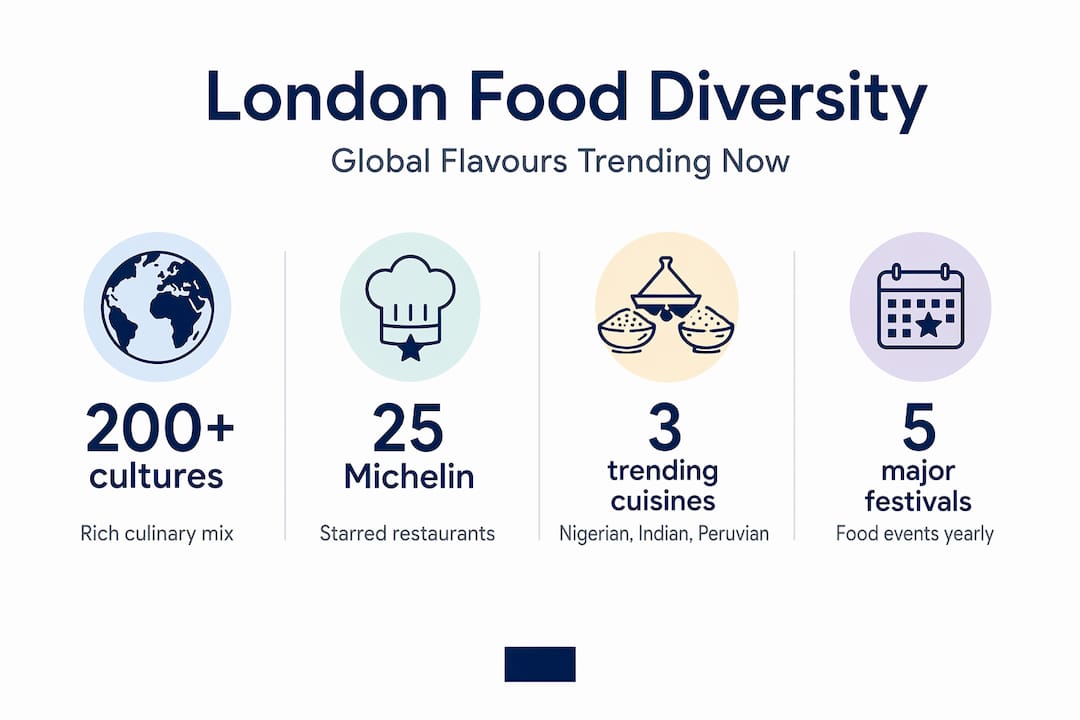
Awadhi Indian cooking, from the Lucknow region of northern India, is another cuisine making its presence felt. Distinct from the more familiar Punjabi or Bangladeshi dishes that dominated British Indian restaurants for decades, Awadhi food is known for its slow-cooked biryanis, delicate kebabs, and subtly spiced kormas. A handful of London restaurants are now presenting this cuisine with real fidelity to its origins, and new openings continue to push the boundaries even as high rents create real challenges for small operators.
Peruvian food has evolved from a trend into a permanent fixture of the London scene. Beyond the high-profile Nobu-adjacent Japanese-Peruvian fusion, there are smaller, more affordable spots where you can eat ceviche, tiradito, causa, and anticuchos cooked with genuine Peruvian technique. The flavour combinations, built around chilli, lime, coriander, and the extraordinary variety of Peruvian potato and corn varieties, feel unlike anything else available in the city.
Here is a comparison of some of the most exciting emerging cuisines making waves right now:
| Cuisine | Key dishes to try | Neighbourhoods to find it |
|---|---|---|
| Nigerian / West African | Suya, jollof rice, egusi soup | Peckham, Brixton, Dalston |
| Awadhi Indian | Slow-cooked biryani, galouti kebab | Whitechapel, Tooting |
| Peruvian | Ceviche, tiradito, anticuchos | Soho, Fitzrovia |
| Filipino | Kare-kare, lechon, halo-halo | Brixton, Tooting |
| Georgian | Khinkali, khachapuri, chakapuli | Notting Hill, Marylebone |
How to discover and enjoy new-wave restaurants before the crowds arrive:
- Follow London food critics and independent food writers on social media. Their early reviews often appear two to four weeks before mainstream coverage picks up.
- Check restaurant listing sites regularly, filtering by recent openings in specific postcodes you plan to visit.
- Browse neighbourhoods to explore on London Vacation Guide and read about the food culture of each area before you go.
- Ask your hotel concierge or Airbnb host for their personal recommendations rather than lists from generic review platforms.
- Look for restaurants that have just received their first positive write-up rather than those already trending on every major platform.
London’s cultural festivals are another brilliant way to encounter new cuisines in a low-commitment format. Festivals dedicated to specific food cultures, from Caribbean food festivals in Notting Hill to Japanese food markets in Battersea, pop up throughout the year and often feature chefs and vendors you would not easily find otherwise.
Pro Tip: When researching new restaurant openings, search Instagram by neighbourhood hashtag rather than restaurant name. Typing something like #peckhameats or #brixtonrestaurant surfaces local discoveries far earlier than any mainstream food publication would cover them.
Our essential travel tips include practical advice on how to structure your days to make time for both planned restaurant visits and spontaneous food discoveries.
How to eat like a Londoner: insider advice for a true culinary adventure
Understanding the mechanics of eating out in London is almost as important as knowing where to go. Local habits, reservation culture, and the rhythm of the dining week all affect your experience significantly.
Londoners treat eating out as a serious leisure activity rather than a functional necessity. Weekday lunches in business districts like the City or Canary Wharf are brisk and purposeful. Weekend brunches in Shoreditch, Brixton, or Notting Hill are long, social, and often preceded by a queue outside the door by 10am. Sunday roasts are a near-sacred institution, with the best gastropubs taking reservations weeks in advance.
The evolution of London’s food culture through immigration and trade means that genuine local eating habits are enormously varied depending on which community you are moving through. In Southall, you eat at a Punjabi dhaba on a plastic chair and pay six pounds for the most flavourful lamb curry you have ever tasted. In Mayfair, you eat a £30 starter in a restaurant where the lighting has been designed by an architect. Both experiences are authentically London.
Practical strategies for eating like a local:
- Book early for weekend dining. The most popular restaurants in London release reservations four to six weeks in advance. If you know where you want to eat on Saturday night, start looking well before your trip.
- Embrace the walk-in lunch culture. Many excellent restaurants that are impossible to book for dinner have walk-in availability at lunch. Show up at noon or just after 2pm for the best chance of a table.
- Use apps like Resy, OpenTable, and Dishpatch to find availability and discover restaurants you might not have come across otherwise.
- Attend a food market on a weekday morning. Weekend markets are brilliant but crowded. Borough Market on a Thursday morning is a genuinely different experience: quieter, more leisurely, and with more time to talk to the producers themselves.
- Learn which neighbourhoods have their own food identity. Brixton for Caribbean and African food, Chinatown and Bayswater for Chinese and Southeast Asian, Green Lanes for Turkish and Greek, Tooting for South Asian, Bermondsey Street for independent wine bars and modern British.
Navigating dietary requirements and food allergies in London is generally straightforward compared to many other major cities. Most restaurants are accustomed to handling requests around gluten, dairy, nuts, and vegetarian or vegan diets. The concentration of plant-based restaurants is particularly high, with dedicated vegan venues now operating at every price point from street food to fine dining. Always mention any serious allergies when making your reservation rather than at the table, as this gives the kitchen time to plan accordingly.
Pro Tip: If you are vegetarian or vegan, specifically seek out South Indian, Ethiopian, and Lebanese restaurants in London. These cuisines have deep traditions of plant-based cooking that produce far more interesting results than most dedicated vegan restaurants, which often rely on processed substitutes to recreate familiar Western dishes.
Those looking to stretch their dining budget will find genuinely useful guidance in our explore on a budget guide, while our local experience tips cover the broader art of experiencing the city the way residents actually live it. The essential travel guide rounds out the practical information with transport, timing, and neighbourhood logistics.
The real London food story: what most guides miss
Here is something that most food guides will not tell you plainly: the best meals in London right now are being cooked by people whose families were not born here.
That is not a political observation. It is a culinary one. The most exciting and authentic food experiences in this city are almost always found in restaurants run by first or second generation immigrants who are cooking the food they grew up eating, often in direct defiance of what mainstream British diners were expected to want. The risk-taking is real. The passion is undeniable. And the food that results from that combination is consistently more interesting than what most well-funded, well-reviewed restaurants with celebrity chefs produce.
At the same time, it would be dishonest to pretend that London’s food scene does not face serious pressures. Restaurant closures due to high rents are a genuine and painful feature of the landscape. Brilliant small restaurants that have built loyal followings over years disappear because their landlord doubles the rent or because a developer wants the site. The churn is real and it is accelerating.
What this means for you as a traveller is worth thinking about carefully. A restaurant that was glowing with five-star reviews when you researched your trip six months ago may be closed by the time you arrive. More interestingly, a restaurant that opened last month in a spot that used to be a carpet shop may be producing the most memorable food in the city right now.
This is why we believe the spirit of genuine culinary exploration in London requires a loose grip on your itinerary. Plan your anchors, book your must-visits, but leave deliberate space for the unexpected discovery. The restaurant with no Instagram presence, the food stall with a hand-painted sign, the market vendor who is only there on the second Saturday of each month. These are the experiences that people talk about for years. Our restaurant guide is designed to point you toward the reliable and the excellent, but the most memorable meal of your trip may well be one we could not have predicted.
The resilience of London’s food culture is extraordinary. Every time costs rise, a landlord evicts a beloved institution, or a trend burns out, something new and often more interesting takes its place. That dynamism is not always comfortable, but it is what keeps London genuinely ahead of cities that feel more curated and polished but far less alive.
Plan your London food adventure with expert local guides
You now have a richer picture of why London’s dining scene is genuinely world-class and how to approach it with confidence. Whether you are planning your very first visit or returning to find out what has changed since your last trip, making the most of London’s food requires a little planning alongside a willingness to be surprised. Our essential visitor guide for first-time travellers walks you through the practical logistics of getting around, timing your visits, and structuring your days around the neighbourhoods you most want to explore. For a deeper look at where to eat and drink across the city, the neighbourhood overview breaks London down area by area, with curated food and dining recommendations for each one. Start there and let the city’s extraordinary flavour guide the rest.
Frequently asked questions
What makes London stand out from other food cities?
London’s food scene is uniquely global, with over 200 national cuisines represented across its restaurants, markets, and street food vendors. No other European city matches the sheer breadth and variety of genuine culinary traditions available in a single afternoon.
Can you eat well in London on a budget?
Absolutely. London’s food markets, street food vendors, and neighbourhood eateries offer outstanding international flavours at very affordable prices, with many meals available for under £10. The city’s diversity of 200+ nationalities means that excellent value exists at every price point.
Why do so many new food trends start in London?
London’s constant flow of diverse chefs and immigrant communities creates an environment where new ideas find an audience quickly. Its history as a global trade hub and ongoing openness to new culinary influences mean the city incubates trends that later spread to other major food cities.
Are reservations necessary at top London restaurants?
For popular and high-end restaurants, reservations are strongly advised, often weeks in advance for weekend dining. Walk-in tables at lunch service are more achievable and often offer the same menu at a lower price.
Which neighbourhoods are best for trying new cuisines?
Brixton, Soho, Peckham, and Shoreditch all feature restaurants with boundary-pushing cuisines including Nigerian, Awadhi Indian, Filipino, and Georgian. Each area has a distinct food identity shaped by the communities who have settled there over generations.
Recommended
- London’s Best Restaurants: Where to Eat in Every Neighborhood - The London Journal | London Vacation Guide
- London’s top must-see places for unforgettable visits - The London Journal | London Vacation Guide
- Explore the best London neighbourhoods for locals - The London Journal | London Vacation Guide
- Plan your perfect London vacation: tips for US visitors - The London Journal | London Vacation Guide