London historical sites: The essential guide for visitors
London overwhelms first-time visitors with sheer historic density. There are thousands of old buildings, dozens of museums, countless blue plaques, and an unending stream of “top ten” lists competing for your attention. But here is the uncomfortable truth: most popular guides mix genuinely protected, internationally recognised historic sites with photogenic tourist attractions that simply happen to look old. This guide uses official registers, institutional records, and practical visitor knowledge to help you identify and prioritise the sites that genuinely matter, so that every hour you spend exploring London’s past is properly invested.
Table of Contents
- How to define a true London historical site
- Top 7 must-see historical sites in London
- Comparing London’s historic sites: Experiences and atmosphere
- Insider tips for planning your historical adventure
- What most London historical lists get wrong
- Plan your historical London journey
- Frequently asked questions
Key Takeaways
| Point | Details |
|---|---|
| Use official registers | Rely on Historic England’s database and institutional guidance for credible site selection. |
| Prioritise based on interests | Choose sites by their historical era, type, and visitor experience. |
| Plan visits carefully | Check access details and practicalities to enhance your historical exploration. |
| Question popular lists | Not all recommendations are equal; favour lists anchored in official verification. |
How to define a true London historical site
Not every old building carries equal weight. The distinction between a charming Victorian pub and a Grade I listed medieval palace may seem obvious, but popular travel content regularly treats them as equivalent. When planning a serious historical itinerary, the starting point should always be legal protection status.
In England, heritage protection is administered through a clear, publicly accessible system. A listed building is one that has been formally designated for its special architectural or historic interest. There are three grades: Grade I covers buildings of exceptional interest, Grade II* covers particularly important structures, and Grade II covers nationally important buildings. A scheduled monument is an archaeological site or historic structure protected under the Ancient Monuments and Archaeological Areas Act 1979. These categories are not marketing labels. They carry legal weight, meaning alterations require specific consent from the Secretary of State or the local planning authority.
Historic England provides an official, searchable database of listed buildings and protected heritage sites in London, which is free to use and updated regularly. Anyone planning a visit should spend ten minutes searching it. You can filter by location, type, and grade, giving you a clear picture of what has been officially verified as significant.
Historic sites can include listed buildings, scheduled monuments, archaeological remains, museums, and operational heritage attractions, making the category broader than most visitors realise. This means that a Roman wall buried beneath a Guildhall courtyard carries the same protection status as a cathedral standing in full view.
When evaluating which sites to include in your London itineraries, apply the following criteria:
- Official protection status: Is the site listed, scheduled, or inscribed on the World Heritage List?
- Accessibility: Can visitors actually enter, explore, or engage meaningfully with the site?
- Preservation quality: Is the historic fabric largely intact, or has it been heavily reconstructed?
- Interpretive offer: Does the site provide context through exhibitions, guided tours, or on-site resources?
- Operational reliability: Is the site open to the public on a regular, predictable basis?
“The National Heritage List for England is the only official, up-to-date database of all nationally protected historic buildings and sites. It is the definitive starting point for any serious heritage research or visit planning.” — Historic England
With these standards clearly in mind, you are ready to explore the sites that truly earn the label “historic.”
Top 7 must-see historical sites in London
With these standards in mind, here is our authoritative list of London’s most essential historic sites, each selected on the basis of official protection status, historical depth, and genuine visitor experience.
-
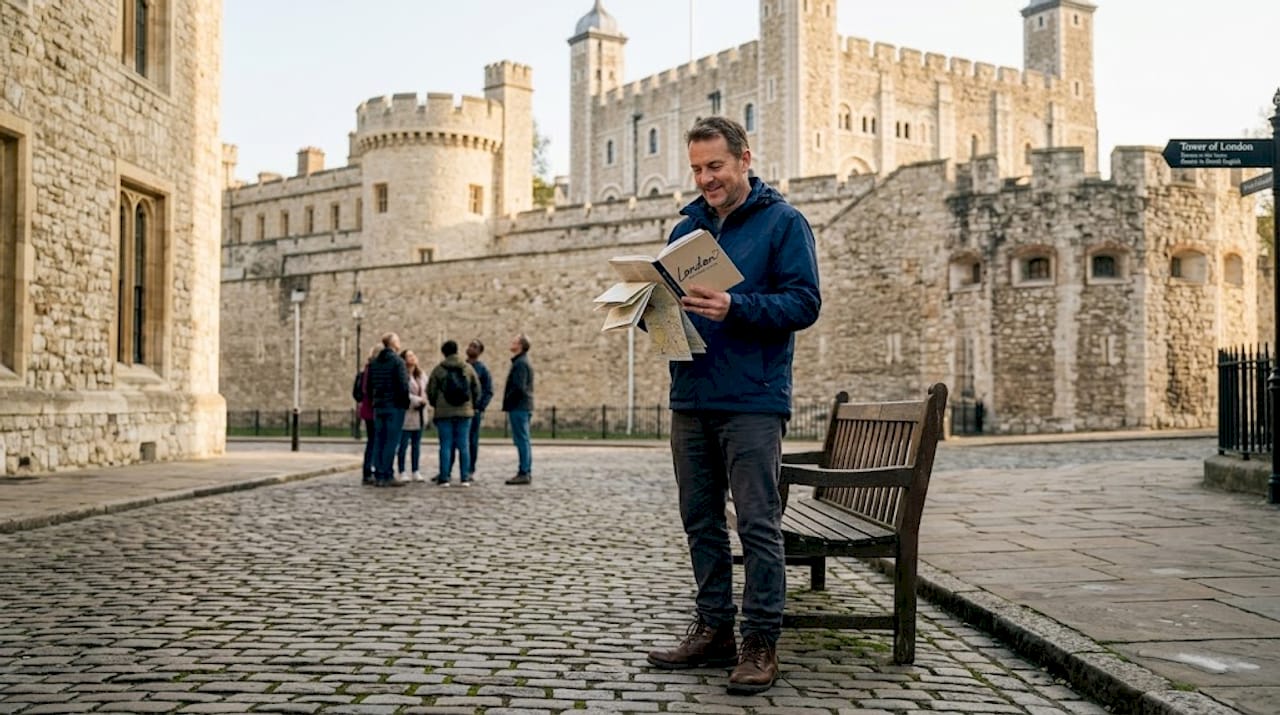
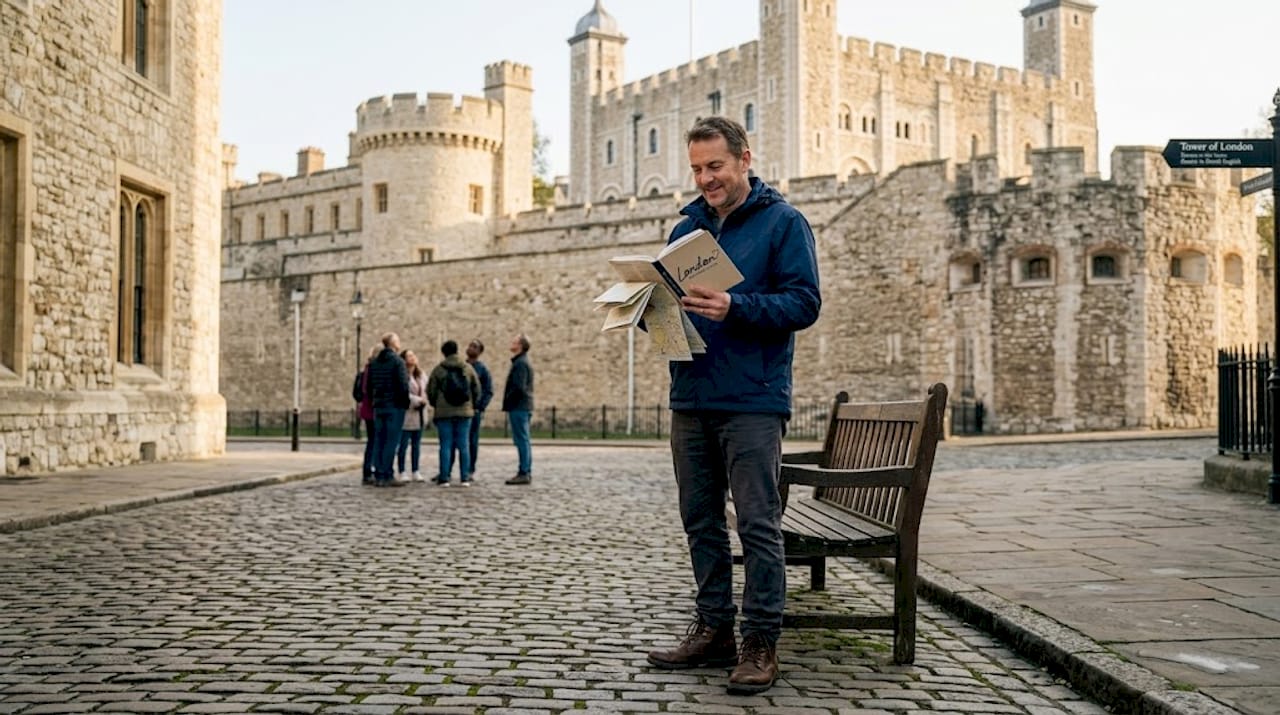
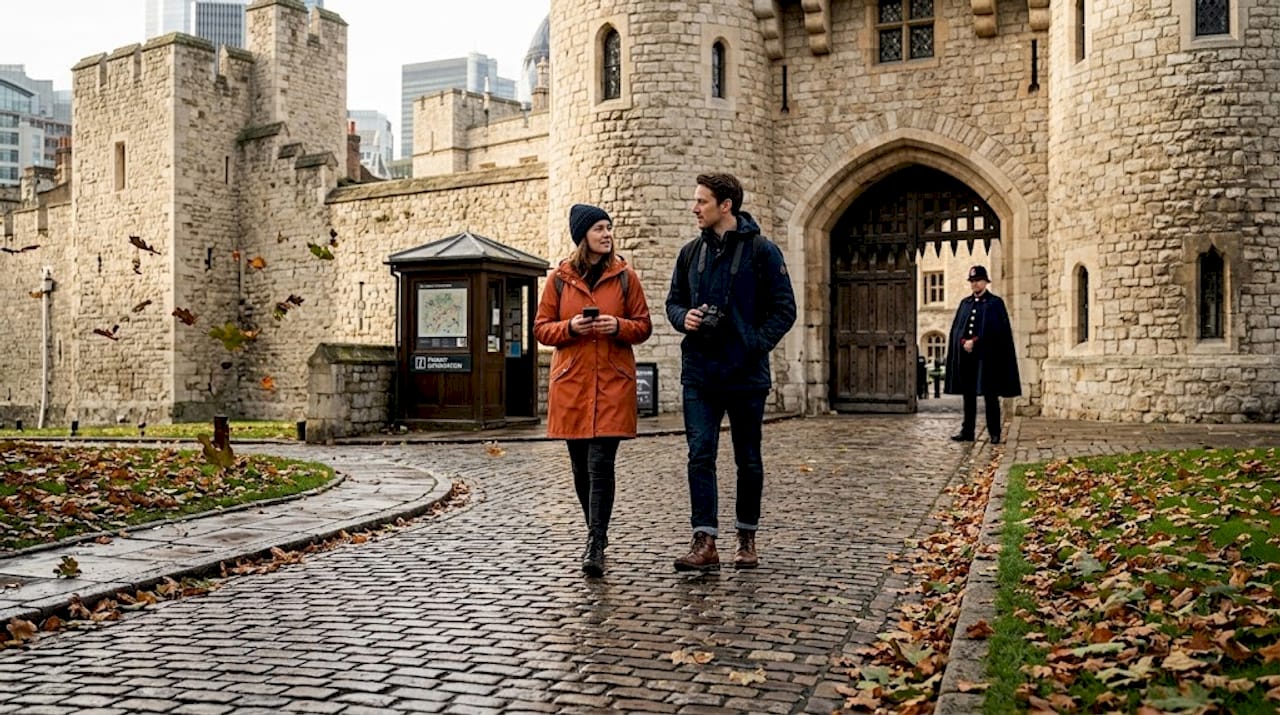
Tower of London The White Tower at the heart of this complex was built by William the Conqueror around 1078, making it one of the oldest and best-preserved Norman buildings in Britain. The Tower of London is a UNESCO World Heritage Site and one of the most layered historic sites in the country. Over the centuries it has functioned as a royal palace, a prison, a place of execution, an armoury, a treasury, and even a royal menagerie. Today it houses the Crown Jewels and is managed by Historic Royal Palaces. Visitor information is detailed on their official site, and booking in advance is strongly recommended. Allow at least three hours to do it justice.
-
Westminster Abbey Founded in 960 AD and rebuilt under Edward the Confessor in the eleventh century, Westminster Abbey positions itself as a World Heritage Site with over a thousand years of continuous religious life. Every English monarch since William the Conqueror has been crowned here. The Abbey also contains the tombs of over 3,000 notable figures, from medieval monarchs to poets, scientists, and prime ministers. It remains an active place of worship, which means access is sometimes limited during services. Visiting during a choral evensong is one of the most atmospheric experiences London offers.
-
St Paul’s Cathedral Sir Christopher Wren’s masterpiece was completed in 1710 after the original cathedral was destroyed in the Great Fire of London in 1666. St Paul’s is Grade I listed and served as a powerful symbol of national resilience during the Blitz, when it famously survived surrounding destruction. The Whispering Gallery inside the dome is a remarkable acoustic feature, and the views from the Golden Gallery at the top are extraordinary. The cathedral is still an active place of worship, and free entry is available during services.
-
London’s Roman Amphitheatre For something genuinely surprising, the Roman Amphitheatre beneath the Guildhall Art Gallery is one of London’s most underrated historic sites. Discovered in 1988 during building work, the remains date to around 70 AD and once seated approximately 6,000 spectators for gladiatorial contests. The City of London Corporation describes its rediscovery and reopening in detail. Entry is free, which makes it an excellent addition to any City of London heritage walk. The atmospheric lighting and sound design in the underground gallery genuinely evoke the ancient site.
-
Banqueting House The only surviving above-ground portion of the Palace of Whitehall, Banqueting House was designed by Inigo Jones and completed in 1622. It represents England’s first purpose-built Renaissance building and is Grade I listed. The painted ceiling by Peter Paul Rubens, commissioned by King Charles I, is breathtaking. Grimly, Charles I was executed on a scaffold erected outside this very building in 1649. It is managed by Historic Royal Palaces and is often quieter than the Tower, making it ideal if you prefer depth over crowds.
-
Palace of Westminster The Houses of Parliament occupy a site with royal associations stretching back to the eleventh century, though the current Gothic Revival building dates largely from the mid-nineteenth century following a catastrophic fire in 1834. It is both a functioning parliament and a World Heritage Site. Guided tours are available when Parliament is in recess, and the State Opening of Parliament each autumn offers a remarkable public spectacle. Westminster Hall, which dates from 1097, is one of the largest medieval halls in Europe and is considered the most historically significant part of the complex.
-
Greenwich Park and the Old Royal Naval College The Old Royal Naval College, designed by Wren on the banks of the Thames, is one of Britain’s finest examples of baroque architecture and is a Grade I listed building within the Maritime Greenwich World Heritage Site. The Painted Hall, often called the “Sistine Chapel of the UK,” took artist Sir James Thornhill nineteen years to complete. Greenwich Park itself has been a royal park since 1433. The National Maritime Museum and the Royal Observatory are both within walking distance, making Greenwich an ideal full-day historical destination.
Pro Tip: If you are a first-time visitor, consider starting with Westminster Abbey and the Tower of London on separate days to avoid historical fatigue. Each site carries enough depth to fill a morning comfortably on its own.
Comparing London’s historic sites: Experiences and atmosphere
To help you prioritise which sites best fit your interests, here is a structured comparison of what each offers at a glance.
| Site | Era | Type | Entry cost | Best for |
|---|---|---|---|---|
| Tower of London | Norman, 1078 | Royal fortress, museum | Paid (timed entry) | History, spectacle, Crown Jewels |
| Westminster Abbey | Medieval, 960 AD | Abbey, World Heritage Site | Paid | Royalty, religion, tombs |
| St Paul’s Cathedral | Baroque, 1710 | Cathedral | Paid (free during services) | Architecture, city views |
| London’s Roman Amphitheatre | Roman, 70 AD | Archaeological site | Free | Ancient history, quiet visits |
| Banqueting House | Stuart, 1622 | Royal palace | Paid (modest) | Art, political history, intimacy |
| Palace of Westminster | Gothic Revival, 1840s | Parliament | Paid tours (seasonal) | Government, medieval hall |
| Old Royal Naval College | Baroque, 1696 | Naval college, museum | Free (Painted Hall charged) | Maritime history, architecture |
The atmosphere at each site varies considerably, and that matters for planning. Some visitors want drama and spectacle; others prefer quiet reflection or scholarly detail.
- The Tower of London is vibrant and busy, particularly around the Crown Jewels vault. It suits families and visitors who enjoy theatrical interpretation, including the famous Yeoman Warder tours. The Historic Royal Palaces itinerary guide is excellent for structuring your time on-site.
- Westminster Abbey and St Paul’s both offer moments of genuine stillness, especially during services. If you are seeking spiritual atmosphere alongside historical depth, these are your anchors.
- London’s Roman Amphitheatre and Banqueting House attract a quieter, more specialist crowd. You are unlikely to queue, and the experience feels more personal.
- The Old Royal Naval College in Greenwich benefits from the Historic England Local Heritage Hub approach to understanding clusters of sites, which works particularly well in the City of London and in Maritime Greenwich, where heritage is geographically concentrated.
For visitors who want to cross-reference multiple unforgettable places in London in a single trip, grouping sites by neighbourhood is highly effective. Westminster, the City, and Greenwich each offer a distinct historical theme and can each be explored in a single day. If you are building a structured trip, the 3-day London plan on our site assigns these clusters sensibly across a short break.
Insider tips for planning your historical adventure
Beyond the main attractions, thoughtful planning helps you enjoy the full historical richness of your trip without exhaustion, long queues, or missed opportunities.
Book early and arrive at opening time. The Tower of London, Westminster Abbey, and St Paul’s Cathedral all draw significant crowds by mid-morning. Arriving at or before the official opening time gives you access to spaces that feel genuinely contemplative, before group tours and school parties fill the rooms. The difference in experience is remarkable.
Dress appropriately and practically. Historic Royal Palaces advises wearing flat, sturdy footwear at the Tower of London due to uneven cobblestones and medieval flooring. This advice applies broadly across London’s older sites. Westminster Abbey’s floors are largely stone, and Greenwich Park involves walking on grass that can be slippery after rain.
Look for open days and special events. English Heritage, Historic Royal Palaces, and the Church of England all operate periodic special access days, night tours, and temporary exhibitions that are not always prominently advertised. Signing up to their newsletters or checking their event pages a month before your visit can unlock genuinely extraordinary experiences, such as private access to areas normally closed to the public.
The Palace of Westminster and Westminster Abbey group was inscribed as a cultural World Heritage Site in 1987, which means the entire area around Parliament Square carries protected status. Walking from the Abbey to Banqueting House via Parliament Square and Whitehall is itself a heritage experience, with notable buildings at almost every step.
Pro Tip: Dedicate one full day exclusively to the City of London’s historic sites. Start at the Roman Amphitheatre beneath the Guildhall, walk to St Paul’s, then trace the Roman city wall remnants along London Wall. It is an extraordinary two-thousand-year journey within a single square mile.
Consider these practical steps when structuring your historical visit:
- Check each site’s official website for opening hours, as bank holidays and special events frequently cause changes.
- Purchase combination tickets where available: Historic Royal Palaces offers annual membership that covers multiple sites.
- Use the efficient sightseeing guide to map walking routes between sites and reduce transit time.
- If you have four or five days, the 4-5 day itinerary allows for a much slower, more rewarding pace at each location.
- Consider visiting Greenwich by river boat from central London. The journey along the Thames adds context to the maritime history you are about to explore.
- Carry a printed or downloaded backup of your tickets, as mobile signal inside thick medieval walls can be unreliable.
What most London historical lists get wrong
Every year, hundreds of “best historic sites in London” articles are published, and most of them share the same fundamental flaw: they are assembled by marketers, not historians or heritage professionals. The result is a peculiar blend of genuinely significant sites, fashionable attractions that look well in photographs, and paid placements that have nothing to do with heritage significance.
The deeper problem is that popularity and historical significance are not the same thing. A site can receive two million visitors annually and still be largely reconstructed, poorly preserved, or historically misrepresented. Conversely, some of the most significant heritage assets in London receive very little attention precisely because they lack visual drama. The Roman Amphitheatre beneath Guildhall, for example, is arguably more historically extraordinary than many sites on standard tourist lists, yet it rarely appears in top-ten roundups.
Our approach, rooted in official protection status and institutional authority rather than social media reach, corrects this. When the City of London Corporation documents a site’s rediscovery and public opening, that is a more reliable endorsement than the number of times it has been tagged on social media.
We would also encourage you to apply healthy scepticism to this list itself. Heritage research is ongoing. New archaeological discoveries, changes in access, and evolving scholarly consensus mean that any static list will eventually date. The correct habit is to consult official registers directly and to use curated London itineraries as a starting framework rather than a final authority.
There is also a quieter issue worth naming: some genuinely significant sites are excluded from popular guides because they are less accessible to casual tourism. Medieval undercrofts, early Norman chapels embedded in later buildings, and protected archaeological zones often require advance booking, specialist knowledge, or a willingness to seek them out. These are often the most rewarding sites of all. If your interest in London’s history runs deep, do not stop at the obvious landmarks. Search the National Heritage List, read local heritage hub pages, and allow yourself to be drawn off the beaten path.
The mindset shift we advocate is simple: treat official registers as your primary source and visitor guides, including ours, as a useful but secondary layer. That combination will serve you far better than relying on any single list, however well-intentioned.
Plan your historical London journey
If this guide has sparked a genuine enthusiasm for exploring London’s past, the resources on London Vacation Guide are designed to help you convert that enthusiasm into a well-structured, memorable trip. Our London itineraries cover everything from focused single-day heritage walks to extended multi-day programmes that balance historical depth with practical comfort. You can also browse our visitor directory to find top-rated restaurants, accommodation, and services near each historic site, so that your logistical planning is as thoughtful as your historical itinerary. For a broader feel of each area, our neighbourhood insights pages place each site within its local context, helping you understand the living city that surrounds these extraordinary places.
Frequently asked questions
How can I find a complete, up-to-date list of all protected historic sites in London?
You can search the National Heritage List for England by London keyword to access an official, current inventory of all protected historic assets, which is maintained by Historic England and updated regularly.
Are there any historic London sites that require pre-booking or special access?
Major sites like the Tower of London and Westminster Abbey recommend or require timed entry tickets, and the Tower of London’s visitor page notes specific practical conditions including accessibility and on-site restrictions during special events.
What’s the difference between a ‘listed building’ and a ‘World Heritage Site’ in London?
A listed building is protected for its special architectural or historic interest under English law, while a World Heritage Site holds international cultural or natural significance as recognised by UNESCO. The Palace of Westminster and Westminster Abbey was inscribed as a World Heritage Site in 1987, though its component buildings are also individually listed.
Are historical sites in London accessible to visitors with reduced mobility?
Many sites offer step-free access and dedicated facilities, but some older buildings have inherent physical limitations due to their age and protected status; always check the official site pages directly before visiting for the most current accessibility information.
Can I access historic site interiors, or are some only viewable from the outside?
Access varies considerably: Westminster Abbey and the Tower of London offer full interior tours, the Roman Amphitheatre provides an immersive underground experience, while certain scheduled monuments and some protected buildings may only be viewed from the exterior or accessed on specific open days.
Recommended
- London for First-Time Visitors: The Essential Guide | London Vacation Guide
- Your essential London travel guide: tips and local experiences - The London Journal | London Vacation Guide
- London’s top must-see places for unforgettable visits - The London Journal | London Vacation Guide
- Plan your perfect London vacation: tips for US visitors - The London Journal | London Vacation Guide