The London cocktail class guide for visitors and locals
For hands-on learning in a purpose-built space, book TT Liquor (Shoreditch). For a luxury, intimate masterclass choose Harvey Nichols’ Fifth Floor Bar or The Egerton House Hotel. For a budget-friendly night in, The Goat’s virtual class runs from £10 per household. For themed, theatrical drama, Mr Fogg’s Apothecary wins. This guide compares price, duration, format and group size across two dozen London venues so you can book tonight’s class without trial and error.
Here’s the shortlist and why each one earns its place:
- TT Liquor (Shoreditch) — around £75 for a two-hour, fully hands-on class with your own bar station (House & Garden).
- Harvey Nichols (Fifth Floor Bar) — roughly £100 including breakfast and lunch, a full dining-and-drinking experience.
- Serata Hall — around £50, informal and distillery-flavoured, best for small groups.
- The Egerton House Hotel — about £35, martini-focused and intimate, ideal for pairs.
- The Goat (virtual) — £10 per household, the cheapest way to try mixology from your own kitchen.
- The Lucky Pig — private masterclasses from £50 per person with sober options built in (The Lucky Pig).
Pro Tip: Book public classes at least two weeks ahead for weekend slots — venues like TT Liquor and Mixology Events run limited weekly sessions, and Friday/Saturday evenings sell out fastest.
Group bookings and hen parties tend to favour private hire over public schedules, since most venues will negotiate pricing once you’re past eight or ten guests.
Key Takeaways
Choosing the right London cocktail class comes down to matching format, group size and budget to the occasion, not simply picking the most famous name.
| Point | Details |
|---|---|
| Match format to occasion | Hands-on studios like TT Liquor suit hen/stag groups; intimate hotel classes suit date nights. |
| Budget realistically | Expect £35 to £100 per person in-person, or from £10 per household for virtual classes. |
| Confirm inclusions before booking | Ask whether food, extra drinks, or a take-home recipe card are part of the price. |
| Check sober and accessibility options | Venues like The Lucky Pig build alcohol-free adaptations into standard bookings. |
| Plan your evening around the venue | London Vacation Guide’s neighbourhood and itinerary guides help you pair a class with dinner or sightseeing nearby. |
Table of Contents
- Best cocktail making classes London has to offer, compared
- How to pick the right cocktail class for you
- What to expect: format, tools, and how to practise afterwards
- What past participants actually say about London cocktail classes
- COVID-19 safety measures at London cocktail venues
- Planning more than just a cocktail class
- Sources
- FAQ
Best cocktail making classes London has to offer, compared
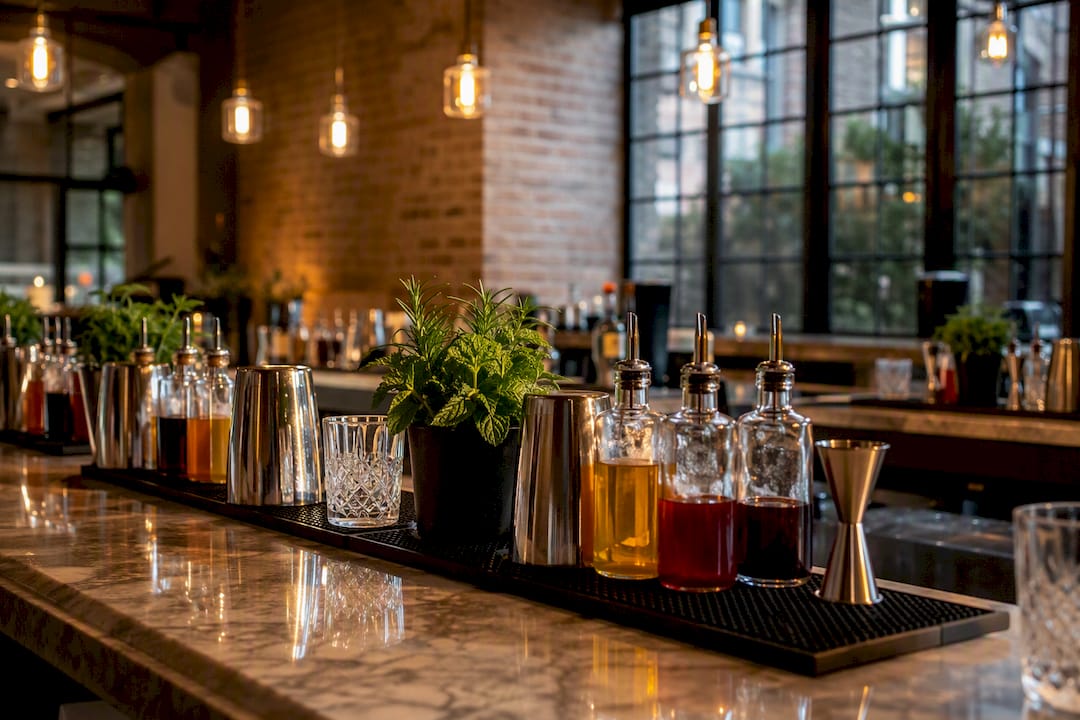
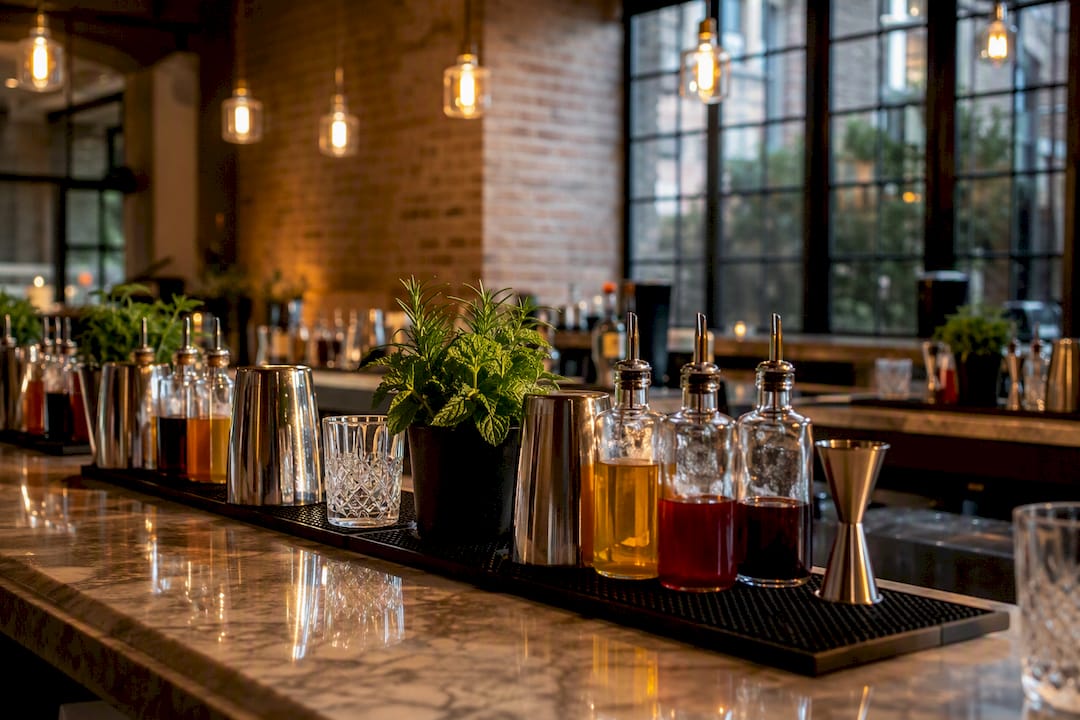
London’s cocktail class scene splits fairly cleanly into three categories: purpose-built studios that run public sessions daily, restaurant or hotel masterclasses that lean on ambience and food pairing, and mobile or virtual formats built for groups who can’t get to a venue. Purpose-built studios are more likely to give every guest their own working bar station for the full session, while pub and hotel classes often blend demonstration with hands-on time and run in smaller, more intimate groups, according to TT Liquor’s own class breakdown.
TT Liquor’s studio setup means the venue can also travel to you. According to a HeadBox listing for TT Liquor’s mobile service, a full mobile bar setup with fresh ingredients and multiple stations can be running in under 90 minutes, which matters if you’re planning an office party or a private house event rather than a venue visit.
Beyond the headline six, several venues fill specific niches worth knowing about:
- 69 Colebrooke Row — a serious cocktail bar in Islington known for precision technique rather than party atmosphere; worth it if you want to learn from bartenders who take the craft seriously.
- Artesian (at The Langham) — award-winning bar setting, best suited to guests who want a masterclass wrapped in five-star hotel polish.
- Sauce by Langham — hotel-hosted sessions that pair well with an overnight stay near Oxford Circus.
- Pan Pacific London — a City-adjacent option handy for corporate groups near Liverpool Street.
- Opium and Royal Cocktail Exchange — both lean into speakeasy styling for guests who want atmosphere alongside instruction.
- Homeboy Islington, Moyagi, Basement Sate, and Avora — smaller neighbourhood venues better suited to casual groups than large private hire.
- Cocktail Masterclass with Brian Silva – Rules — hosted at one of Covent Garden’s oldest restaurants, a solid pick if you want history alongside your Martini.
House & Garden’s reviewers noted that several venues fold food into the price. Harvey Nichols includes breakfast and lunch in its quoted rate, and Bread Street Kitchen pairs its class with a vegan tasting platter, which changes how you should compare the headline price against a bare-bones studio session.
Pro Tip: If you’re staying near Knightsbridge, pair a Harvey Nichols masterclass with an afternoon browsing the Kensington neighbourhood before your evening slot — you’ll avoid rushing across town.
How to pick the right cocktail class for you
Match the format to the occasion before you match the venue. A stag or hen do wants a hands-on studio like TT Liquor where everyone gets a station; a date night suits Bread Street Kitchen or The Egerton House Hotel, where the group is small and the pace is slower.
Run through this checklist before booking:
- Skill level: beginners do better with hands-on formats over pure demonstrations, since you retain technique faster by shaking your own drink.
- Group size: public classes cap around 4-5 guests per bar station; anything larger needs private hire.
- Budget: virtual classes start around £10 per household; in-person hands-on sessions typically run £35 to £100 per person.
- Dietary needs: ask about alcohol-free adaptations. The Lucky Pig and Mixology Events both build sober options into their standard offering.
- Accessibility: confirm step-free access and seating if anyone in your group needs it.
Before you pay, ask the host these questions:
- What’s the cancellation policy, and how far ahead must you cancel for a refund?
- Are ingredients and equipment provided, or do virtual attendees need their own kit?
- What’s the maximum number of guests per bar station?
- Is there a non-alcoholic option for anyone not drinking?
Watch for red flags: no public schedule listed anywhere, vague wording around what’s “included,” or private-hire pricing that only appears after you’ve submitted contact details. A legitimate operator will quote a per-person or per-household price upfront.
If you’re buying a cocktail class gift experience, check the voucher’s validity window before purchasing. Mixology Events, for instance, sells vouchers with a fixed validity period and confirms transferability to a friend if the recipient can’t make the date.
Pro Tip: Buy vouchers directly from the venue’s own site rather than a resale marketplace. You’ll get accurate validity dates and avoid third-party booking fees.
What to expect: format, tools, and how to practise afterwards
Most in-person classes follow a similar shape: a welcome drink, a short demonstration of technique, then hands-on time where you make your own round of drinks, often finishing with a friendly competition or a shared tasting. TT Liquor’s public sessions run guests through four cocktails each across a two-hour class, which is roughly the industry standard for a full hands-on session.
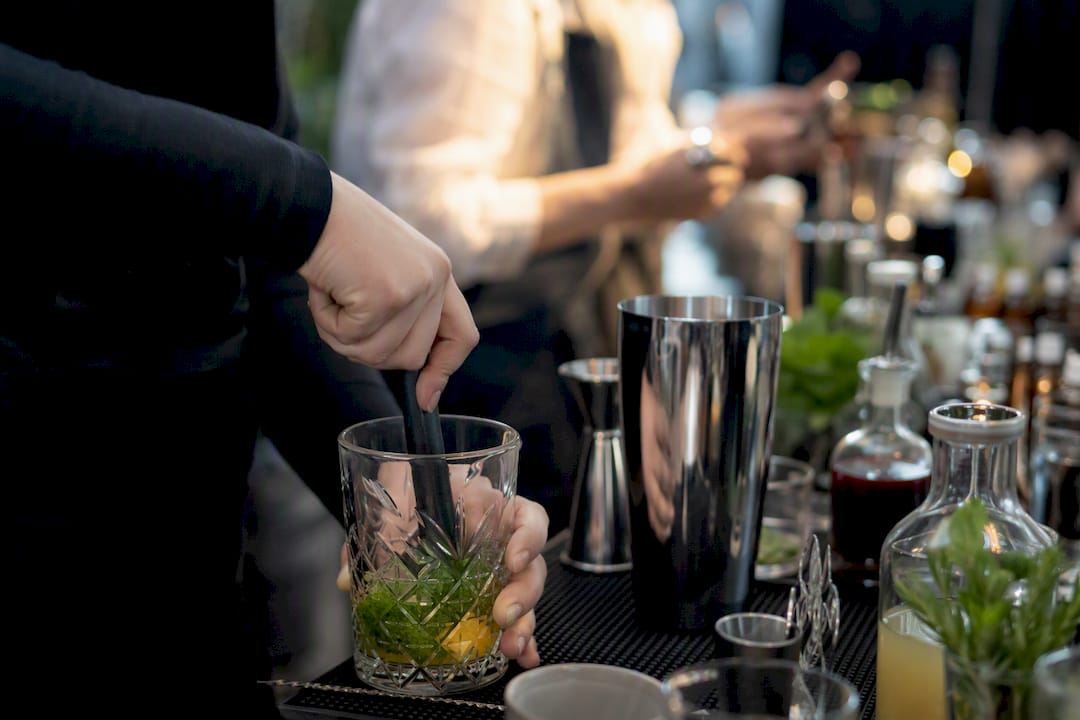
You’ll typically learn four core techniques: shaking (for citrus and egg-white drinks), stirring (for spirit-forward cocktails like a Martini), muddling (for crushing fruit or herbs), and straining. A simple example to try: a Whisky Sour needs 50ml whisky, 25ml lemon juice, and 20ml sugar syrup, shaken hard with ice and strained into a glass.
Venues supply the full kit for in-person sessions. For virtual classes, you’ll usually need your own:
- Cocktail shaker
- Jigger (measure)
- Bar spoon
- Fine strainer
After the class, three quick drills keep the skills fresh: practise your pour count until it’s consistent without measuring, remake one recipe from memory within a week, and try swapping one ingredient (a different citrus, a flavoured syrup) to see how it changes the balance.
What past participants actually say about London cocktail classes
Reviewer feedback across these venues tends to cluster around a few consistent themes. Guests praise TT Liquor and similar studio formats for genuine hands-on time rather than watching a bartender perform. Mixology Events points to its own long track record, citing 15 years of running public classes and over 7,000 five-star Google reviews, a scale that suggests consistency across a high volume of sessions rather than a one-off good night.
Smaller, more intimate venues like The Egerton House Hotel and Bread Street Kitchen tend to draw feedback about the quality of one-to-one attention from the host, since group sizes rarely exceed a handful of guests. Reviewers of hotel-based classes, including Harvey Nichols, often mention the food pairing as much as the drinks themselves. That’s worth weighing if you’re comparing a £100 hotel masterclass against a £50 studio session: the higher price frequently buys a meal alongside the tuition, not just extra cocktails.
Common criticism across the category, where it appears, tends to focus on unclear private-hire pricing rather than the classes themselves. Reading recent reviews on a venue’s own booking page, rather than a third-party aggregator, usually gives the most accurate sense of what a specific session is like right now.
COVID-19 safety measures at London cocktail venues
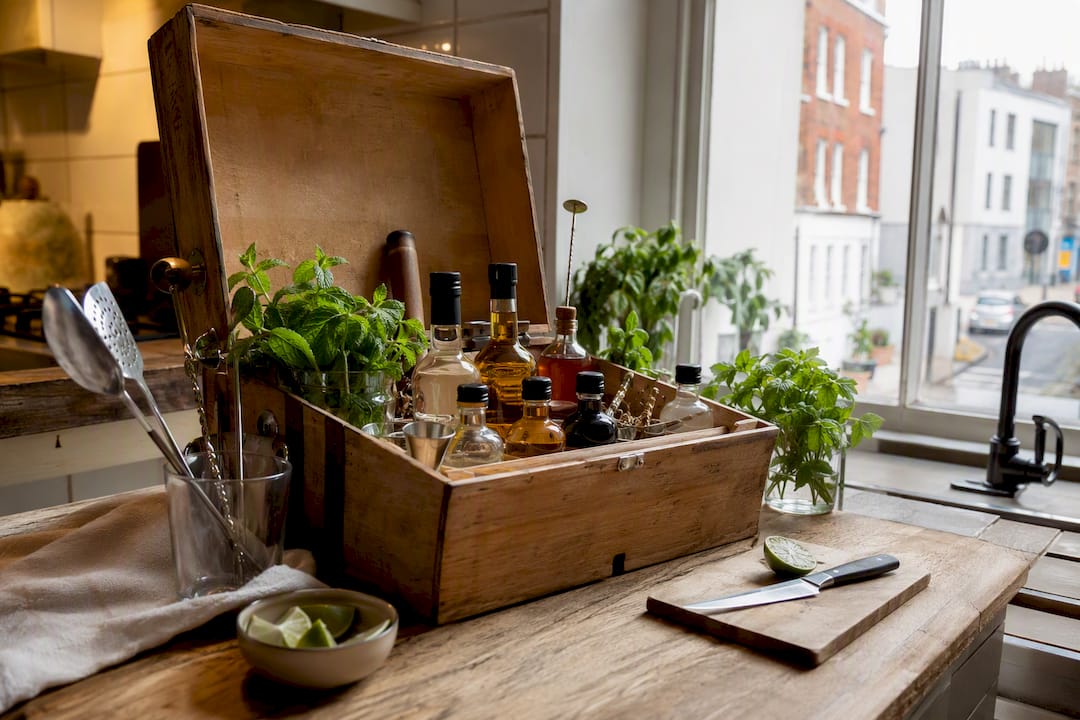
Most London cocktail venues have returned to standard pre-pandemic operations, though several practical habits from that period have stuck around in useful ways. Virtual and hybrid class formats, originally built as a lockdown workaround, remain widely available. Providers including TT Liquor and The Goat still run Zoom-hosted sessions with ingredient kits delivered in advance, which suits anyone who prefers to skip a crowded room entirely or can’t get into central London.
If you have specific concerns about ventilation, group density, or hygiene protocols at a particular venue, contact the host directly before booking. Policies vary by venue and change over time, so a call or email to confirm current practice is more reliable than relying on older reviews or listings.
Publisher perspective: why we recommend these venues
This shortlist comes from cross-referencing venue listings, published pricing, and independent reviews rather than promotional copy alone. We’ve prioritised venues with clear public schedules and transparent inclusions over ones that only quote on enquiry. If you’re visiting from abroad, book a class near your hotel’s neighbourhood rather than crossing town after dinner. For deeper local context, our neighbourhood guides cover transport and timing around each area.
Planning more than just a cocktail class
Booking a single class is easy once you know the venues; building a full evening or trip around it takes more legwork, and that’s where hiring a class provider alone leaves a gap. London Vacation Guide isn’t a cocktail class operator, but it’s the resource that helps you slot that class into a wider plan: which neighbourhood to base yourself in, what to eat beforehand, and what else is worth seeing that night. Rather than juggling separate searches for a venue, a restaurant and a place to stay, you get it mapped out in one place, specific to London rather than generic travel advice. If you’re visiting for the first time and want a class to fit into a broader itinerary, start with the essential guide for first-time visitors and build your evening out from there.
Sources
- Six of the best cocktail masterclasses in London | House & Garden
- Cocktail Making Classes | TT Liquor | TT - London
- Public Cocktail Making Classes in London
- The Lucky Pig | MASTERCLASSES
FAQ
Where can I find the best cocktail classes in London?
The strongest options cluster in Shoreditch, Mayfair, Knightsbridge and Covent Garden. TT Liquor (Shoreditch) leads for hands-on studio classes, while Harvey Nichols and The Egerton House Hotel suit those wanting a more luxury, intimate setting.
What is the 2:1:1 rule for cocktails?
It’s a basic ratio for balancing a sour-style cocktail: two parts spirit, one part sour (usually citrus juice), one part sweet (syrup or liqueur). Most beginner classes teach a version of this ratio before moving on to more complex builds.
How much does a cocktail making class cost?
Prices typically range from £35 to £100 per person for in-person hands-on classes, depending on the venue and whether food is included, while virtual classes can cost as little as £10 per household.
Can you give me a beginner cocktail guide?
Start with four techniques: shaking, stirring, muddling and straining, and one simple recipe such as a Whisky Sour (50ml whisky, 25ml lemon juice, 20ml sugar syrup, shaken and strained). Most beginner classes, including TT Liquor’s public sessions, build around exactly this foundation before adding more complex drinks.
Recommended
- Hidden London Pubs: A Guide to the City’s Best-Kept Drinking Secrets - The London Journal | London Vacation Guide
- London tasting menu guide: best picks by budget and occasion - The London Journal | London Vacation Guide
- London for First-Time Visitors: The Essential Guide | London Vacation Guide
- How to experience London like a local: your essential guide - The London Journal | London Vacation Guide