Advantages of guided walks in London: your 2026 guide

Guided walks are expert-led tours where a professional guide manages your route, pace, and storytelling so you can focus entirely on the experience. The advantages of guided walks go well beyond simple convenience. A skilled guide removes every logistical burden, reads the city’s conditions in real time, and unlocks stories that no app or guidebook can replicate. For travellers visiting London, where history layers itself across every street corner from the City of London to Hackney, that depth of local knowledge transforms a pleasant stroll into something genuinely memorable.
1. How guided walks remove logistical stress
The single greatest practical benefit of a guided walk is that someone else handles everything. Guides manage 100% of route planning, navigation, and safety adjustments before you even lace up your shoes. That means no hours spent cross-referencing maps, checking transport disruptions, or worrying whether a particular street is safe after dark.
London’s transport network is famously complex. Tube closures, road works near major construction zones, and seasonal crowd surges around attractions like the Tower of London or Borough Market can derail even a well-researched self-guided plan. A professional guide monitors all of this in advance and adjusts the route without you ever noticing the problem existed.
The mental relief this creates is significant. When you are not managing logistics, you absorb more. You notice the Georgian brickwork above a shop front, the blue plaque on a Bloomsbury terrace, or the way the Thames light shifts at low tide. That quality of attention is what separates a great trip from a forgettable one.
- Route planning and navigation handled entirely by the guide
- Real-time adjustments for weather, crowds, and road closures
- No pre-trip research burden on the traveller
- Time management built into the walk’s structure from the start
Pro Tip: Before booking, ask the guide whether the walk’s pace and distance suit your fitness level. Most reputable guides in London offer walks ranging from a gentle 90-minute stroll to a three-hour historical deep-dive, and choosing the right one makes the difference between energised and exhausted.
2. Safety advantages that solo walking cannot match
Professional guides continuously assess risk throughout a walk. Expert guides provide real-time risk management that improves both safety and success rates, particularly on unfamiliar or urban routes. In a city as dynamic as London, that matters more than most visitors realise.
Urban terrain presents its own hazards. Uneven cobblestones in Bermondsey, poorly lit passages near Smithfield Market, and sudden crowd surges outside major venues all require someone who knows the environment well. A guide recognises these conditions instantly and steers the group clear without drama.
Safety on a guided walk also extends to pacing. Guides watch the group’s energy levels and adjust rest stops accordingly. Nobody gets left behind, nobody pushes beyond their limit, and the walk ends when it should rather than when exhaustion forces the decision.
- Continuous risk assessment throughout the route
- Local knowledge of hazardous spots, unlit passages, and congested areas
- Emergency protocols known and ready if needed
- Pacing adjusted to protect every member of the group
Guides also carry practical knowledge that most visitors lack: which areas to avoid during specific events, where the nearest medical facilities are, and how to respond if a group member needs assistance. That preparedness is invisible when everything goes smoothly, but it is the reason everything goes smoothly.
3. Local knowledge and storytelling that guidebooks miss
The most memorable guided walk experiences come from what the guide says, not just where they take you. Local guides deliver richer storytelling by drawing on native cultural familiarity to convey subtle humour, context, and meaning that no printed guide can replicate. A guide who grew up near Southwark will tell you things about the area that took decades to learn.

This insider knowledge takes several forms. A guide might point out a Victorian pub that survived the Blitz because it sat in the shadow of a taller building, or explain why a particular alley in Clerkenwell was the centre of London’s watchmaking trade for two centuries. These are the details that make a city feel real rather than scenic.
A guide’s linguistic proficiency also shapes the quality of storytelling. The ability to land a dry joke about Henry VIII, or to explain the social politics of a Georgian coffee house with genuine wit, depends on cultural fluency that goes beyond translation. That fluency is what makes a walk feel like a conversation rather than a lecture.
- Hidden landmarks and lesser-known routes not found in standard guides
- Local legends, neighbourhood histories, and architectural details
- Cultural context that explains why London looks and feels the way it does
- Anecdotes tailored to the group’s interests and questions
Pro Tip: Ask your guide a specific question early in the walk, such as what the neighbourhood looked like 100 years ago or which building they find most underrated. Guides respond to genuine curiosity with their best material, and that exchange often produces the most memorable moments of the entire tour.
4. Social benefits that most travellers underestimate
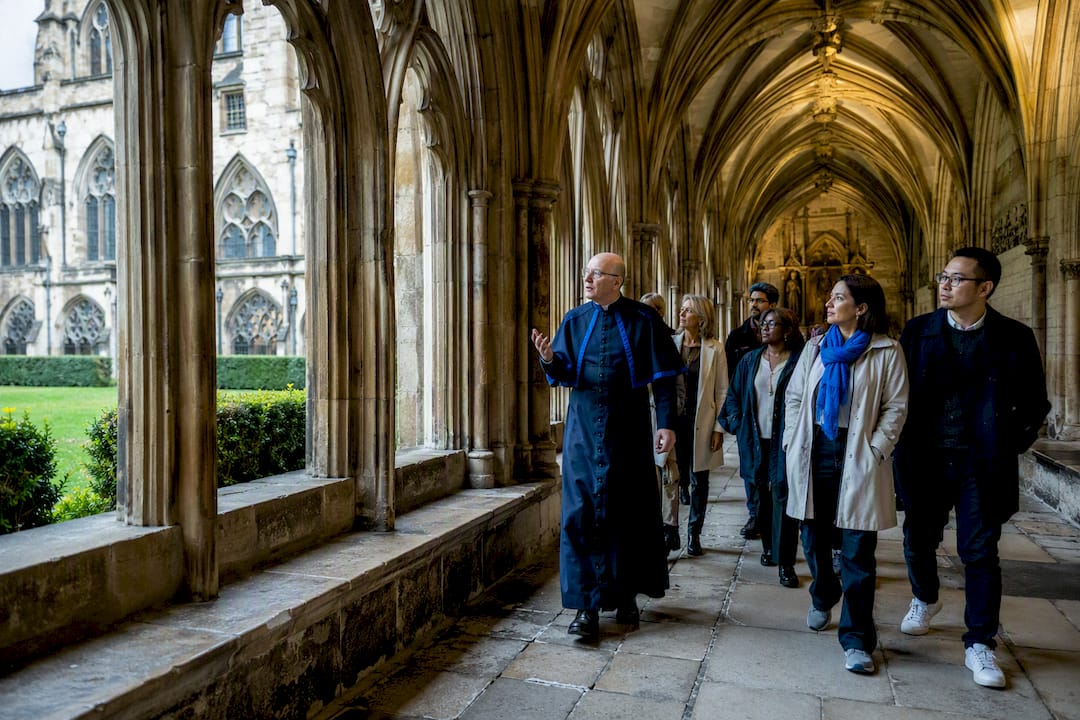
The social aspect of guided walks is one of the most overlooked advantages. Shared experiences in small groups promote natural conversation and mutual support without any of the awkwardness of self-organised group activities. You arrive as strangers and often leave with people you genuinely want to stay in touch with.
Solo travellers benefit most from this dynamic. Walking into a city alone can feel isolating, particularly in a place as large as London. A guided walk places you immediately within a friendly, structured social setting where conversation happens naturally around shared reactions to what the guide is showing you.
Groups of 6–12 participants represent the ideal size for this kind of interaction. Larger groups require amplification equipment and limit spontaneous questions. Smaller groups can feel overly intimate for travellers who prefer a degree of anonymity. The 6–12 range hits the point where everyone can hear the guide clearly, ask questions freely, and still have space to walk comfortably.
- Natural conversation flows from shared reactions to the guide’s stories
- Solo travellers find immediate social connection without effort
- Small group sizes allow direct interaction with the guide
- No pressure to organise or lead the social dynamic yourself
The guide also acts as a social facilitator without appearing to do so. By directing attention outward, to a building, a story, or a view, they give the group a shared focus that makes conversation easy. That is a social skill most people do not consciously notice, but they feel its effect by the end of the walk.
5. Tailored pacing and personalised experience
Guided walks adapt to the people on them. Experienced guides dynamically adjust pace and pauses based on the group’s collective energy, ensuring everyone can enjoy the walk comfortably rather than struggling to keep up or waiting around impatiently. This is something a self-guided audio tour simply cannot do.
Good guides consider start times, weather changes, and crowd conditions in advance, building flexibility into the day’s structure. If rain arrives unexpectedly, the route shifts to covered arcades or indoor stops. If a particular street is gridlocked, the guide finds an alternative that is equally interesting. The walk always feels considered, never reactive.
This tailored approach also extends to content. A group of architecture enthusiasts will get a different walk through Marylebone than a group of food lovers, even if the route overlaps. Guides read their audience and weight their commentary accordingly. That responsiveness is the defining quality of a great guided walk experience.
Private walks take personalisation further still. With a private guide, the entire programme is built around your specific interests, fitness level, and available time. You can ask to linger at a particular spot, skip a section that does not interest you, or add a detour to a neighbourhood you read about before arriving. That level of control is simply not available on a self-guided tour.
6. Types of guided walks in London and how to choose
London offers a wide range of guided walk formats, and choosing the right one shapes the entire experience. Understanding what each type delivers helps you match the walk to your interests before you book.
| Walk type | Best for | Group size | Key benefit |
|---|---|---|---|
| Historical themed walk | Culture and heritage enthusiasts | 6–15 | Deep narrative on specific eras or events |
| Nature and green space walk | Families and wellbeing-focused visitors | 6–12 | Relaxed pace through parks and riverside paths |
| Food and neighbourhood walk | Culinary travellers | 6–10 | Tastings, market visits, and local food culture |
| Private bespoke walk | Individuals or small parties | 1–4 | Fully customised route, pace, and content |
| Night walk | History and mystery enthusiasts | 8–15 | Atmospheric storytelling after dark |
Historical and cultural walks suit travellers who want narrative depth. Routes through areas like Whitechapel, the Inns of Court, or the South Bank carry centuries of layered history that a knowledgeable guide can bring to life in ways that a plaque on a wall never will. These walks tend to run 90 minutes to three hours and cover between two and four kilometres.
Nature-oriented walks through Richmond Park, Hampstead Heath, or the Thames Path offer a different kind of value. The guide’s role here shifts from historian to naturalist and local expert, pointing out seasonal wildlife, explaining the ecology of the heath, or describing how the river shaped the city’s development. These walks suit visitors who want to explore beyond tourist spots and see London through a less crowded lens.
When evaluating a guide, look for evidence of specialist knowledge rather than general enthusiasm. A guide who leads Clerkenwell walks should be able to speak specifically about the area’s radical political history and its craft industries. Flexibility matters too. The best guides treat their route as a starting point, not a script.
Key takeaways
Guided walks deliver their greatest value through the combination of expert knowledge, logistical relief, and social ease that no self-guided alternative can match.
| Point | Details |
|---|---|
| Logistics handled entirely | Guides manage route, navigation, and real-time adjustments so you focus on the experience. |
| Safety built into every walk | Professional risk assessment and local hazard knowledge protect every member of the group. |
| Storytelling unlocks the city | Local cultural fluency produces insights and anecdotes that guidebooks and apps cannot replicate. |
| Social connection happens naturally | Small group sizes of 6–12 create relaxed settings where conversation flows without effort. |
| Pacing adapts to the group | Experienced guides adjust speed, stops, and content in real time to suit everyone present. |
Why I think guided walks are the best way to see London
I have walked London’s streets in every way imaginable: with a map, with an audio guide, with a phone in one hand and a coffee in the other. None of those approaches comes close to what a good human guide delivers. The difference is not information. You can find information anywhere. The difference is judgement.
A skilled guide reads the day. They know when the group needs a rest before anyone asks for one. They know which story to tell when the weather turns grey and energy dips. They know when to stop talking and let a view do the work. That kind of professional judgement, the sort described by guides themselves as matching routes to the day, group, and conditions, is what separates a good walk from a great one.
What surprises most people is how much they learn about themselves as travellers. Walking with a guide who genuinely loves their subject changes the way you look at a city. You start noticing things you would have walked past. You ask questions you would not have thought to ask. You leave with a mental map of London that feels personal rather than generic.
My honest recommendation: if you are visiting London for the first time, book a guided walk before you do anything else. Not because it is the most efficient use of your time, but because it recalibrates how you see everything that follows. The tips for visiting London in 2026 all point in the same direction. Start with someone who knows the city. Everything else gets better from there.
— Matt
Plan your London walk with London Vacation Guide
London Vacation Guide brings together the city’s best neighbourhood walks, local expertise, and practical travel advice in one place. Whether you are drawn to the grandeur of Victoria, the creative energy of Hackney, or the riverside calm of Richmond, the guides and resources on the site help you choose the right walk for your interests and pace. First-time visitors can start with the essential London itinerary, which pairs neighbourhood guides with practical planning advice to make your first days in the city feel effortless. London rewards the curious. London Vacation Guide helps you be ready for it.
FAQ
What are the main advantages of guided walks in London?
Guided walks remove logistical stress, improve safety through expert risk management, and deliver insider knowledge that self-guided tours cannot match. They also create natural social settings that benefit solo travellers and groups alike.
How large are typical guided walk groups in London?
Most guided walks in London run with groups of 6–12 participants. This size allows direct interaction with the guide, access to sensitive sites, and spontaneous questions without the need for amplification equipment.
Are guided walks suitable for all fitness levels?
Yes. Professional guides adjust pace and rest stops based on the group’s energy and ability. Before booking, confirm the walk’s distance and terrain with the guide to find the best match for your fitness level.
What is the difference between a private and a small group guided walk?
A private guided walk is fully customised to your interests, pace, and schedule, while a small group walk follows a set route with shared commentary. Private walks cost more but offer complete flexibility in content and timing.
How do I know if a London guide is qualified and knowledgeable?
Look for guides with specialist knowledge of a specific area or theme, such as Victorian Whitechapel or the architecture of the South Bank. Reading reviews that mention specific stories or insights the guide shared is a reliable indicator of genuine expertise.
Recommended
- What is a city walk? Your complete 2026 guide - The London Journal | London Vacation Guide
- Benefits of exploring neighbourhoods: your 2026 guide - The London Journal | London Vacation Guide
- Tips for visiting london in 2026: your expert guide - The London Journal | London Vacation Guide
- Historic sites to visit in 2026: the essential guide - The London Journal | London Vacation Guide