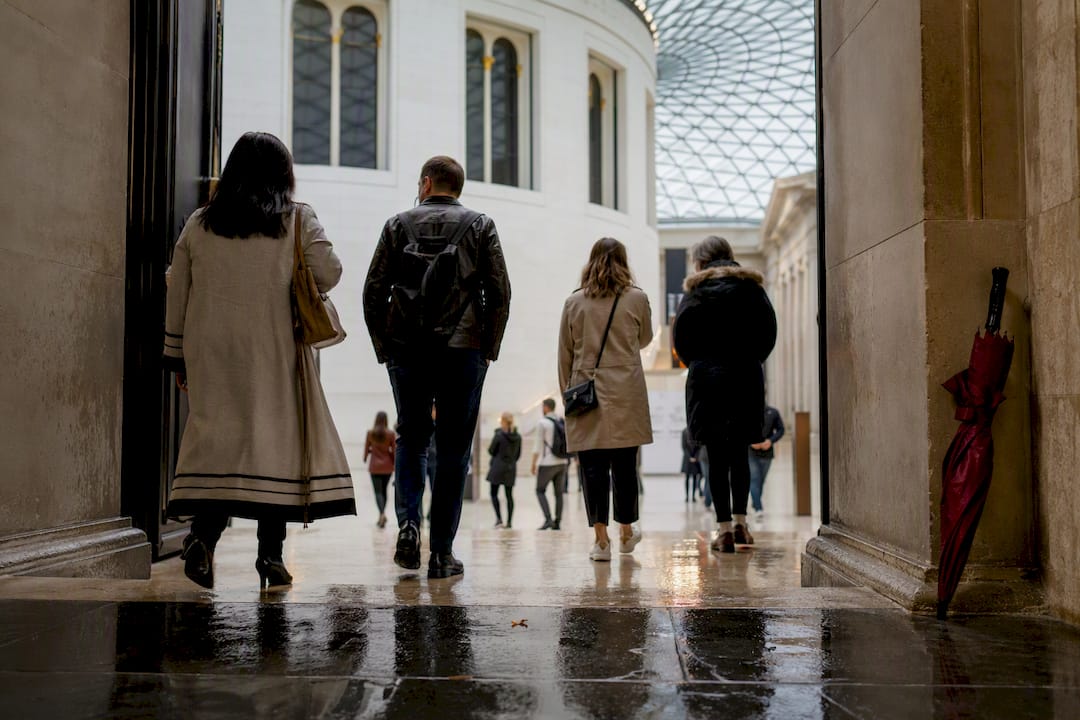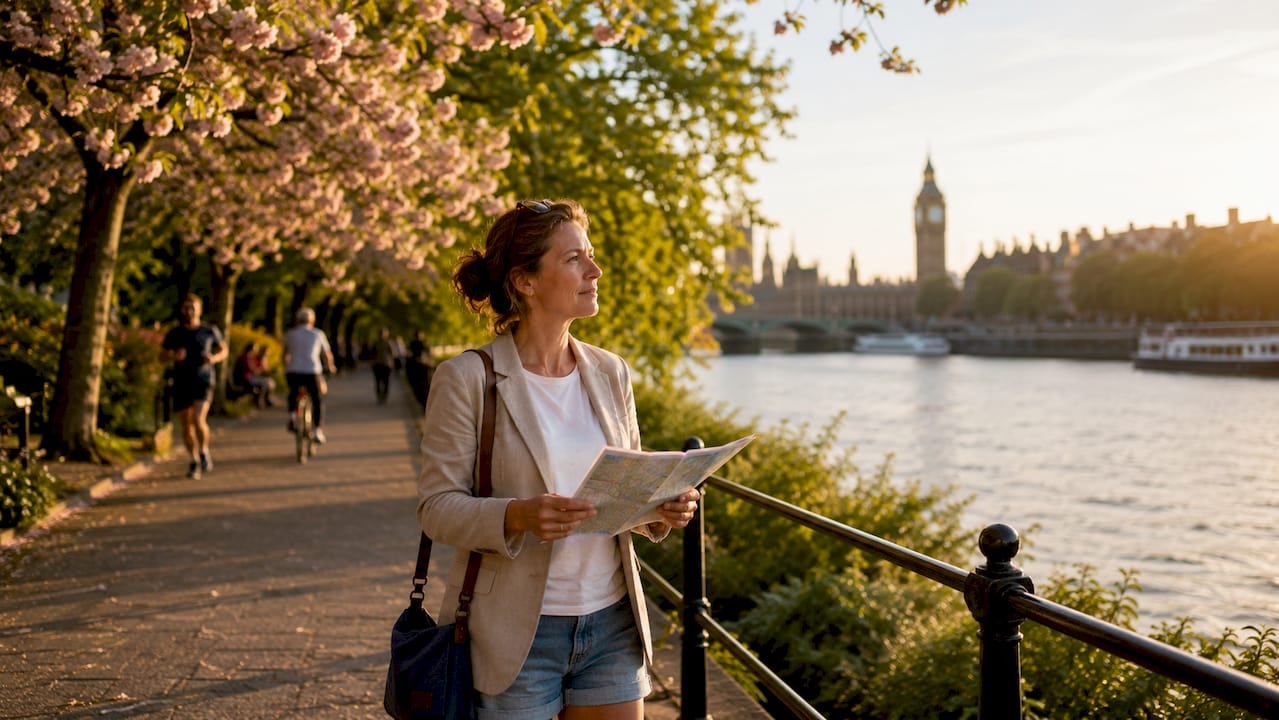
Tips for visiting london in 2026: your expert guide
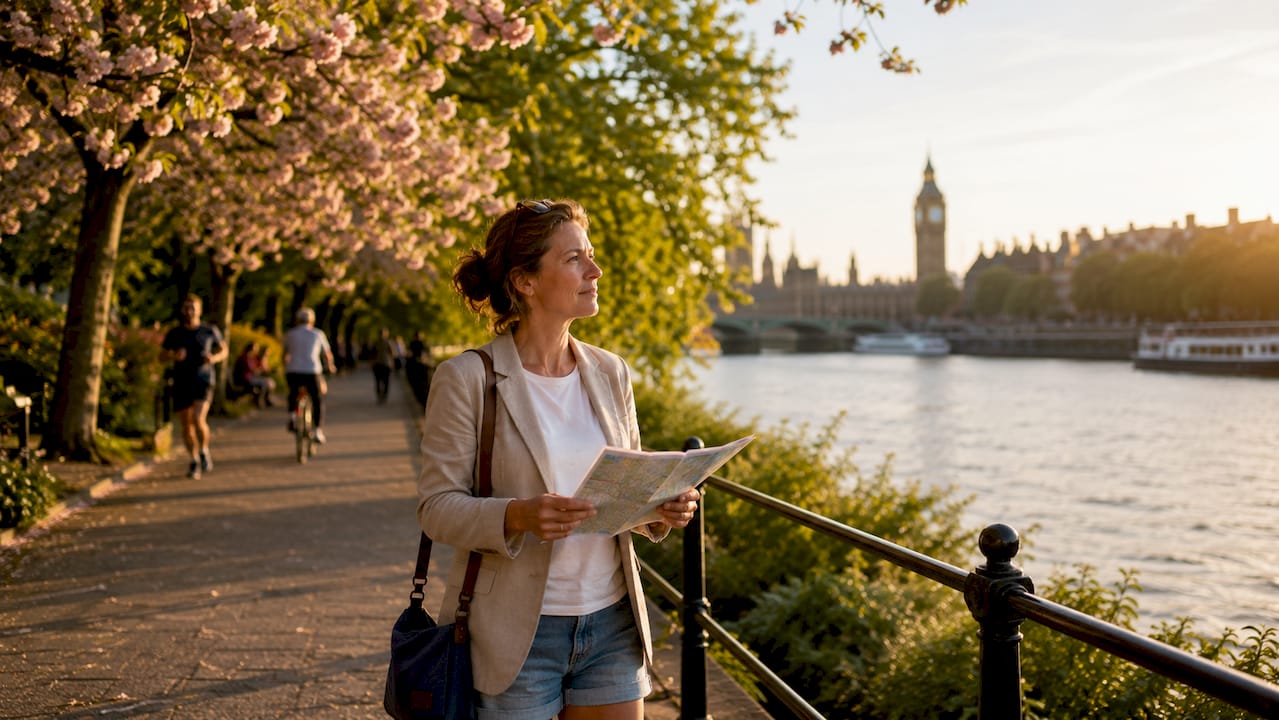
London in 2026 is one of the most rewarding city trips you can take, provided you arrive prepared. The single most important tip for visiting London in 2026 is this: sort your Electronic Travel Authorisation before you fly, tap your bank card on every bus and Tube gate, and stay within walking distance of the centre. Get those three things right and the rest falls into place. This guide covers everything from updated entry requirements and the best travel months to neighbourhood choices, transport hacks, and sightseeing strategy. Every tip here is specific, current, and built around how London actually works today.
1. sort your entry requirements before you book anything
The ETA is a mandatory digital entry requirement for visitors from many countries, costing £20 per person as of april 2026. That is not a visa, but it is a legal requirement. Apply at least 72 hours before departure through the UK Visas and Immigration website or the official UKVI app.
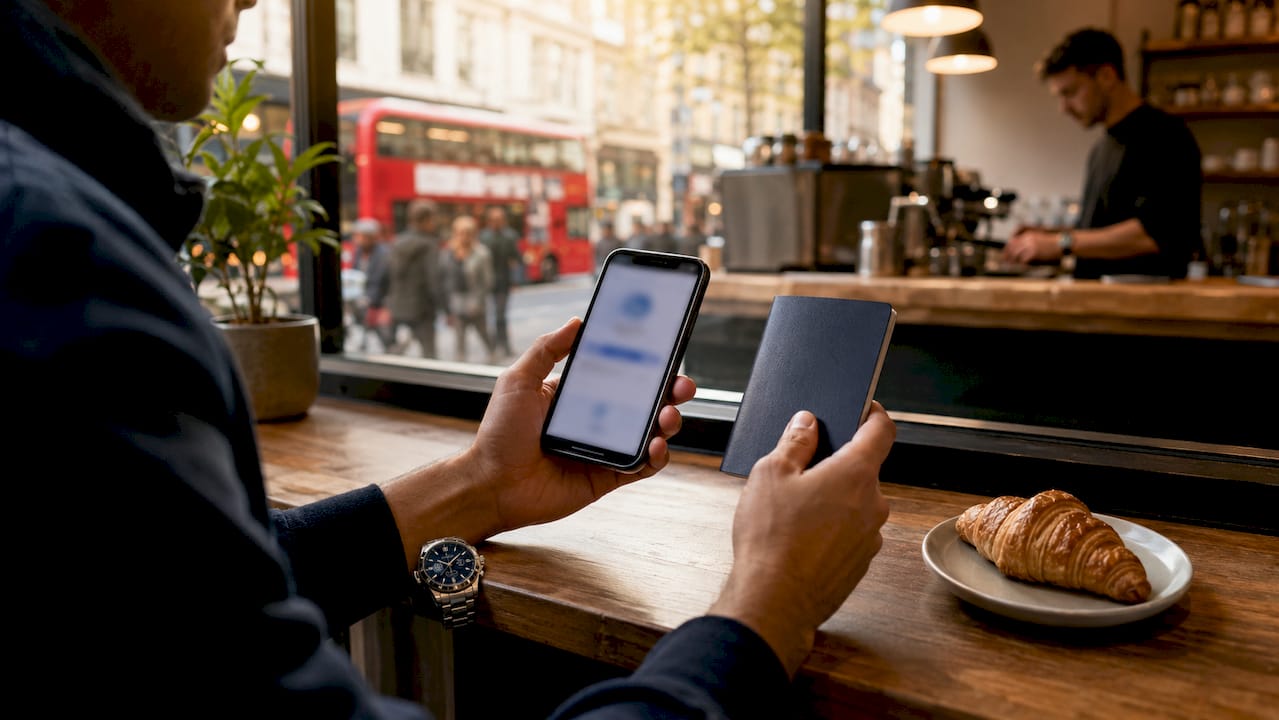
The ETA links digitally to your passport, so you do not carry a physical document. If you are travelling as a family of four, budget £80 just for authorisations. Missing this step means you may be denied boarding at your departure airport, not at the UK border.
Check the UK government’s official eligibility list as soon as you confirm your travel dates. Citizens of the EU, USA, Canada, and Australia are among those currently required to hold one.
2. pack for london’s unpredictable weather
Temperatures can fluctuate by up to 20°C within days, which makes packing versatile layers and a waterproof jacket non-negotiable. London’s weather does not follow a script. You can have bright sunshine at 10am and a downpour by 2pm, even in July.
Pack light, breathable layers you can add or remove throughout the day. A compact, packable rain jacket takes up almost no space and saves you from paying £15 for a tourist umbrella near Buckingham Palace. Comfortable, broken-in walking shoes matter more than almost anything else. London’s best experiences, from Borough Market to Portobello Road, are on foot.
Carry a reusable water bottle. The Tube gets genuinely hot in summer, and staying hydrated underground makes a real difference to how you feel by mid-afternoon.
Pro Tip: Pack a small crossbody bag or anti-theft daypack for sightseeing. Pickpocketing is rare but does occur on the Central and Northern lines during peak hours.
3. apply the best time to visit london in 2026
Late may through early july and mid-september through mid-october are the two optimal windows for balancing weather, daylight, and crowd levels. Temperatures in those periods average 12°C–22°C, which is comfortable for walking all day without overheating.
The summer window gives you the Chelsea Flower Show in late may, Trooping the Colour in june, and up to 16 hours of daylight. That extra light means you can visit the Tower of London at 8am and still catch sunset from Primrose Hill at 9pm. The autumn window, september to october, brings noticeably thinner crowds at major attractions and lower hotel rates, while the city stays mild and green.
Winter travel, november through february, offers the cheapest flights and hotels of the year. Queues at the British Museum and the National Gallery shrink dramatically. The trade-off is short days, around 8 hours of daylight, and a higher chance of grey skies. If you are on a tight budget and flexible on weather, winter is genuinely underrated.
- Late may to early july: Chelsea Flower Show, Trooping the Colour, long evenings, peak prices
- Mid-september to mid-october: Shoulder season pricing, mild weather, shorter queues
- November to february: Lowest prices, fewest crowds, limited daylight
4. choose the right neighbourhood to stay in
Covent Garden, Soho, and the South Bank are the three strongest base locations for first-time visitors in 2026. Each puts you within walking distance of major attractions, multiple Tube lines, and a dense concentration of restaurants and bars.
Here is a quick comparison to help you decide:
| Neighbourhood | Best For | Tube Access | Price Range |
|---|---|---|---|
| Covent Garden | Families, theatre-goers, central access | Covent Garden (Piccadilly) | Mid to high |
| Soho | Nightlife, dining, LGBTQ+ scene | Oxford Circus, Tottenham Court Road | Mid to high |
| South Bank | Culture, riverside walks, Tate Modern | Waterloo, Southwark | Mid |
| Bloomsbury | Museums, quiet streets, literary history | Russell Square, Holborn | Mid |
| Victoria | Transport hub, budget options, day trips | Victoria (multiple lines) | Budget to mid |
Avoid booking hotels east of King’s Cross or south of Vauxhall for short stays. Both areas require extra Tube journeys to reach central attractions, which adds up quickly in both time and fare cost.
Soho’s appeal for visitors goes beyond nightlife. Its central position means you can walk to the National Gallery, Covent Garden, and Oxford Street without touching the Tube. For a full breakdown of every central area, London Vacation Guide’s neighbourhood comparison guide covers each district in detail.
Pro Tip: Book accommodation at least three months in advance for summer travel. London hotel prices rise sharply from april onwards, and the best-located properties sell out first.
If you want something beyond a standard hotel, home swapping in London is a growing option that puts you in a real residential neighbourhood at a fraction of the nightly hotel rate.
5. master london’s transport system
The daily contactless fare cap for Zones 1 and 2 is approximately £8.90 in 2026. Once you hit that cap, every subsequent journey that day is free. This makes contactless payment the most cost-effective way to travel.
Bank cards, Apple Pay, and Google Pay are preferred over Oyster cards by most visitors because they eliminate the need to top up or manage an unused balance. An Oyster card is only worth considering if your bank charges heavy foreign transaction fees on every tap.
Here are the key transport rules to follow:
- Tap in and tap out on every journey. Failing to tap out triggers a maximum fare charge.
- Stand on the right on all escalators. Standing on the left will draw immediate, pointed looks from commuters.
- Let passengers exit first before boarding any Tube carriage. This is a firm social norm, not a suggestion.
- Avoid rush hours (7:30–9:30am and 5:00–7:00pm). Trains are packed to capacity and the experience is unpleasant for anyone carrying luggage.
- Avoid the Tube after midnight at weekends. Prefer black cabs or Uber after midnight on Fridays and Saturdays, and avoid unmetered pedicabs in the West End, which can charge extortionate fares.
The Elizabeth Line from Heathrow to central London takes around 30 minutes and costs a fraction of a taxi. Route 11 bus passes the Houses of Parliament, Trafalgar Square, and St Paul’s Cathedral for the price of a standard bus fare. It is the best free sightseeing tour in the city.
Pro Tip: Download the TfL Go app before you arrive. It shows live service disruptions, journey times, and step-free access routes. Check it every morning before you leave your accommodation.
Central London has a congestion charge zone and extremely limited parking, making car hire both expensive and impractical. Public transport covers every major attraction and is always the faster option.
6. book attractions in advance and beat the queues
Booking tickets for the London Eye, Tower of London, and The Shard in advance saves both money and significant waiting time. The Tower of London regularly has 45-minute queues at the gate for walk-up visitors, while pre-booked guests walk straight in.
The British Museum, Tate Modern, and the Victoria and Albert Museum are all free to enter. All three now operate timed entry slots for popular exhibitions, so book those slots online even though the general collection is free. This is the detail most visitors miss until they are standing outside in a queue.
Smart travellers use world-class museums as quiet retreats during midday, when outdoor sightseeing is at its hottest or wettest. Arrive at outdoor attractions like the Tower of London or Greenwich Park before 9:30am. By 11am, tour groups have arrived and the experience changes completely.
Here is a practical sightseeing schedule that works:
| Time of Day | Best Activity |
|---|---|
| 8:00–10:00am | Outdoor landmarks (Tower of London, St Paul’s, Greenwich) |
| 10:00am–12:00pm | Paid attractions with pre-booked tickets |
| 12:00–2:00pm | Free museums (British Museum, V&A, Tate Modern) |
| 2:00–5:00pm | Neighbourhoods, markets, walking routes |
| 5:00–7:00pm | Riverside walks, parks, pub stops |
For dining, skip the tourist menus around Leicester Square and head instead to Soho, Brixton Market, or Maltby Street Market near London Bridge. London’s food scene in 2026 is genuinely world-class. A meal at a Soho restaurant costs roughly the same as a mediocre tourist trap near the Strand, but the quality difference is significant.
Pro Tip: Explore beyond Zone 1 for authentic experiences. Dalston, Peckham, and Walthamstow each offer food markets, independent bars, and local culture that most visitors never see.
For a curated list of the top London museums with timed entry advice, London Vacation Guide has a dedicated guide covering the ten best options across the city.
7. understand london’s unwritten social rules
London has a distinct set of social norms that are rarely explained in standard travel guides. Tube etiquette, including standing on the right of escalators and allowing passengers to exit first, is a cultural expectation enforced by locals with quiet but unmistakable disapproval.
Queueing is taken seriously. Do not jump a queue at a bus stop, a coffee shop, or a museum entrance. Locals notice and will say something. Beyond transport, tipping in restaurants is appreciated but not mandatory. Around 10–12.5% is standard if service is not already included on the bill.
Pubs operate on a self-service basis at the bar. You do not wait to be seated in a traditional pub, and you order and pay at the bar directly. Sitting down and waiting for table service in a pub will result in a long wait and confused looks from staff.
Londoners are not unfriendly, but they are reserved with strangers. A direct question gets a direct, helpful answer. Attempting prolonged small talk on the Tube is not the norm and will be received with polite but obvious discomfort.
Key takeaways
Visiting London in 2026 requires advance planning on entry requirements, transport, accommodation, and attraction bookings to get the most from your time in the city.
| Point | Details |
|---|---|
| Apply for your ETA early | The £20 Electronic Travel Authorisation is mandatory for many visitors and must be secured before departure. |
| Use contactless for transport | Bank cards and mobile wallets hit the £8.90 daily cap in Zones 1–2, making them cheaper than any alternative. |
| Stay central for short trips | Covent Garden, Soho, and South Bank give you the best access, walkability, and dining options. |
| Book attractions in advance | Pre-booking the Tower of London, London Eye, and The Shard eliminates queues and often saves money. |
| Travel outside peak hours | Avoid the Tube between 7:30–9:30am and 5:00–7:00pm and use buses or black cabs after midnight at weekends. |
What i have learnt from years of watching visitors get london wrong
Most visitors to London make the same mistake: they over-plan the sights and under-plan the logistics. They book the Tower of London and the London Eye on the same morning, then spend 40 minutes on the Tube between them when they could have walked in 25. They stay in a hotel near Paddington because it was slightly cheaper, then spend £3–£4 per journey getting anywhere interesting.
The ETA requirement catches people off guard more than anything else right now. I have spoken to travellers who arrived at check-in and had no idea the requirement existed. That is an avoidable disaster.
My honest advice on neighbourhoods: Soho and Covent Garden are not just convenient, they are genuinely enjoyable places to spend time. The streets between Seven Dials and Carnaby Street reward slow walking. You do not need to be heading anywhere specific. That kind of spontaneous exploration is what makes London memorable, and it only works if you are staying somewhere central enough to do it on foot.
On safety, London is a safe city by any international standard. The precautions worth taking are practical rather than fearful: tap out of the Tube every time, do not use your phone openly on a crowded platform, and book a black cab or licensed Uber rather than accepting unlicensed rides outside clubs. The travel safety checklist from PilotTravelDeals covers the practical pre-trip side of this well if you want a structured approach.
The travellers who get the most from London are the ones who plan the first two days tightly and leave the rest open. The city rewards curiosity. A wrong turn in Bermondsey or Marylebone almost always leads somewhere worth stopping.
— Matt
Plan your 2026 london trip with london vacation guide
London Vacation Guide has everything you need to move from inspiration to a confirmed itinerary. The first-time visitor guide covers day-by-day itineraries built around real logistics, not just a list of landmarks. If you are still deciding where to stay, the full London neighbourhood guides break down every major area by transport links, dining, and atmosphere. For something more specific, the Covent Garden neighbourhood guide is a strong starting point for central stays. And if you want a genuinely local evening out, Gordon’s Wine Bar in Covent Garden is one of the oldest wine bars in London and consistently one of the best.
FAQ
Do i need an ETA to visit london in 2026?
Visitors from many countries, including the USA, Canada, Australia, and EU member states, must hold an Electronic Travel Authorisation costing £20 before travelling to the UK. Apply through the official UKVI website or app at least 72 hours before departure.
What is the cheapest way to get around london?
Using a contactless bank card or mobile wallet on the Tube and buses is the most cost-effective method, with a daily fare cap of approximately £8.90 for Zones 1 and 2. After reaching the cap, all further journeys that day are free.
Which london attractions should i book in advance?
The Tower of London, London Eye, and The Shard all benefit from advance booking to avoid long queues and secure lower prices. Free museums like the British Museum and the V&A require timed entry slots for popular exhibitions, which should also be reserved online before your visit.
When is the best time to visit london for good weather?
Late may through early july offers the best combination of warm temperatures (12°C–22°C), long daylight hours, and major events including the Chelsea Flower Show and Trooping the Colour. Mid-september to mid-october is a quieter, slightly cheaper alternative with similarly mild conditions.
Is london safe for tourists in 2026?
London is a safe city for international visitors. The main precautions are practical: tap out of the Tube after every journey, keep your phone secure on crowded platforms, and use only licensed black cabs or Uber after midnight at weekends rather than unlicensed vehicles in the West End.
Recommended
- London restaurant tips: your 2026 insider guide - The London Journal | London Vacation Guide
- How to explore London on a budget: tips for 2026 - The London Journal | London Vacation Guide
- Plan your perfect London vacation: tips for US visitors - The London Journal | London Vacation Guide
- London for First-Time Visitors: The Essential Guide | London Vacation Guide