The role of free museums in the UK: why it matters
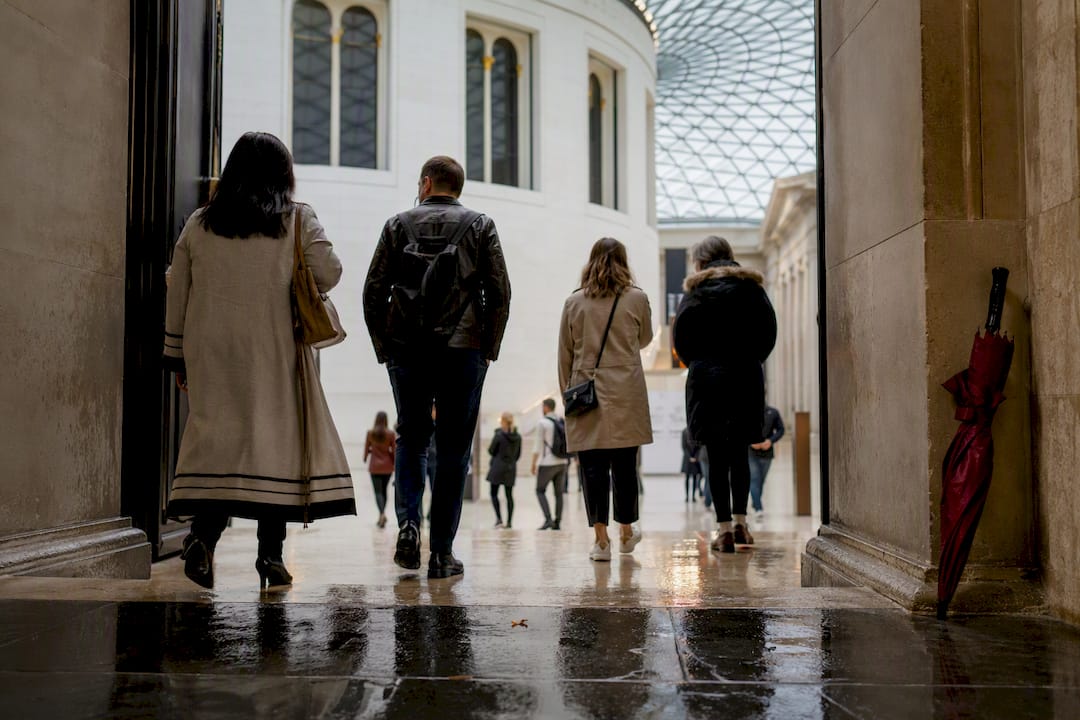
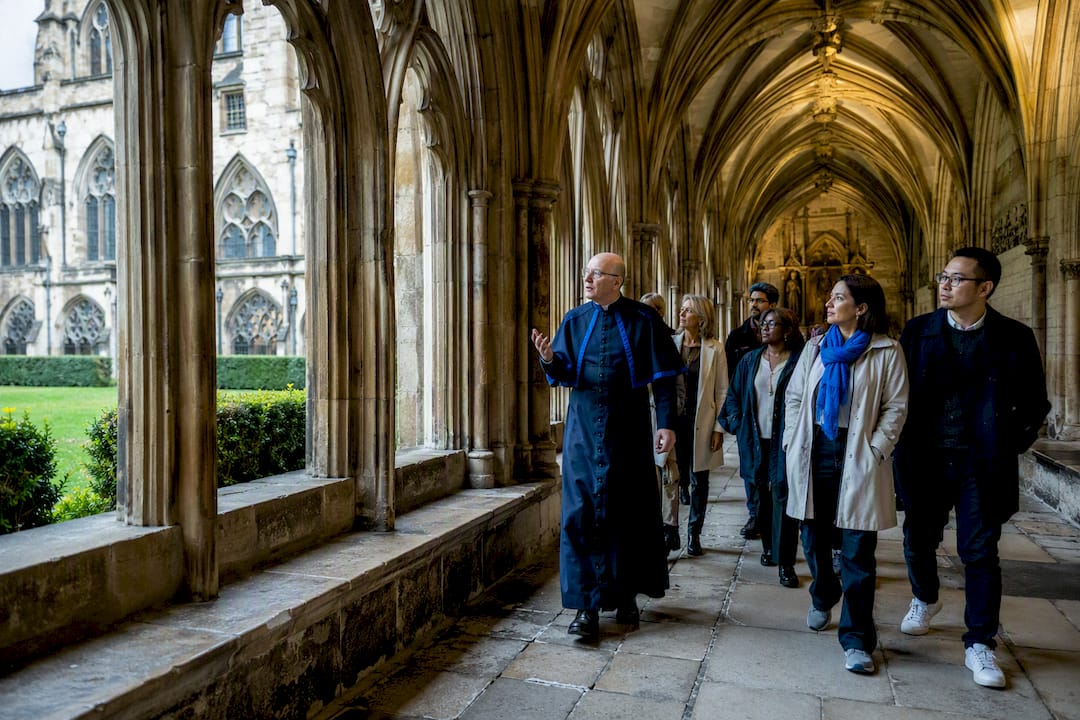
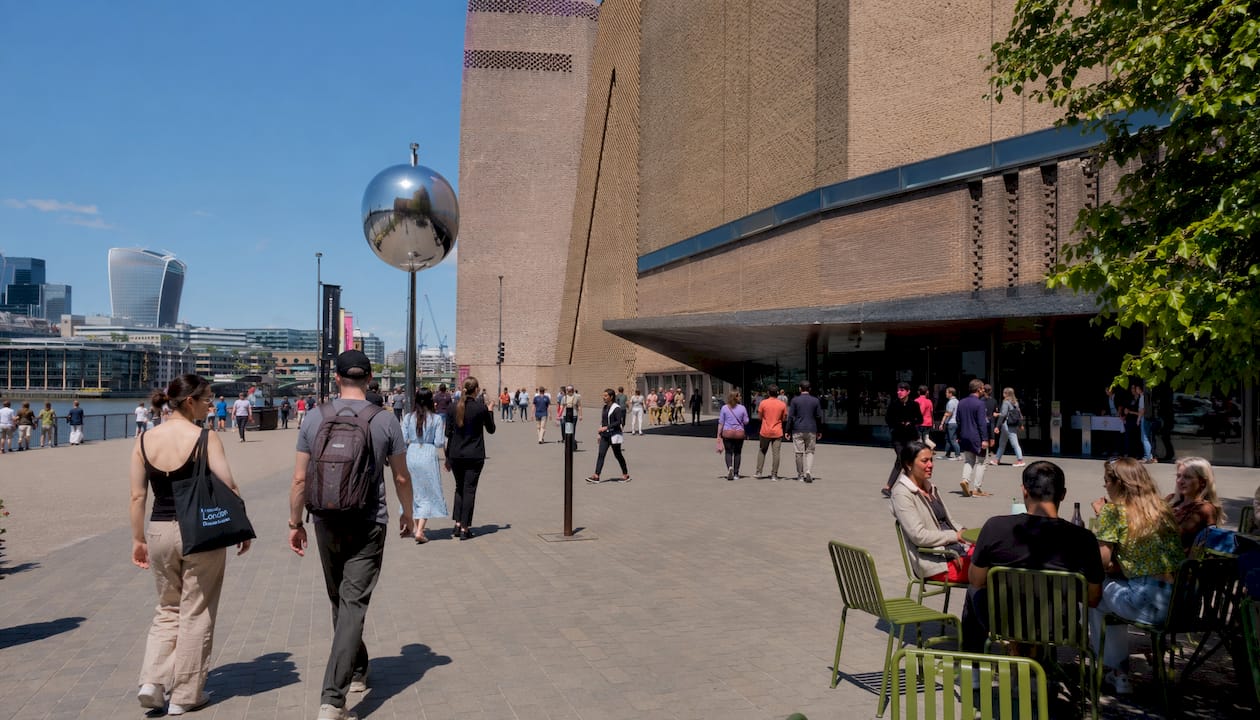
Free museums in the UK are one of the most significant public policy decisions in modern cultural life. Since 2001, national institutions have opened their permanent collections to everyone at no charge, turning places like the British Museum, the Natural History Museum, the Victoria and Albert Museum (V&A), and the Tate galleries into genuine civic spaces rather than privileges for those who can afford a ticket.
The short version:
- Free entry to DCMS-sponsored national museums was introduced in 2001 and is credited with a dramatic rise in visitor numbers, with one museum reporting attendance rising from about 7 million to almost 18 million within a decade.
- The policy covers permanent collections at nationally sponsored institutions; temporary exhibitions typically carry a separate charge.
- Public funding via the Department for Culture, Media and Sport (DCMS) and grants from Arts Council England and the National Lottery underpin the model, but that funding is under real pressure in 2026.
The rest of this guide covers the history, economic effects, equity debates, funding mechanics, and what you can actually do to help keep it this way.
Table of Contents
- How did free entry to UK museums come about?
- What roles do free museums actually play in society?
- How do free museums affect the economy and tourism?
- How do UK museums fund free entry, and is it sustainable?
- Does free entry actually reach everyone?
- What are the main criticisms of free museums?
- What are the policy options being debated in the UK?
- What can visitors and citizens do to support free museums?
- Key takeaways
- Why free museums are worth fighting for
- FAQ
- Useful sources and further reading
How did free entry to UK museums come about?
The shift to universal free admission did not happen overnight. Before 2001, most national museums charged entry fees, and attendance reflected that: visits were concentrated among those with disposable income and cultural confidence. The policy change under the Labour government removed charges for permanent collections at all DCMS-sponsored national museums in England, a decision that was politically bold and, by most measures, enormously effective.
Key milestones:
- Pre-2001: National museums charged admission; visits skewed heavily towards higher-income groups.
- 2001: Universal free entry introduced for DCMS-sponsored national museums in England.
- 2001–2011: Visitor numbers at major institutions rose sharply; the attendance growth at one museum from about 7 million to almost 18 million within a decade became the headline evidence for the policy’s success.
- 2010s: Funding pressures began to mount as government grants were squeezed; museums diversified revenue through commercial activity, philanthropy, and ticketed exhibitions.
- 2020s: Post-pandemic recovery, inflation, and renewed political debate about tourist levies and ringfencing have put the model under its most serious scrutiny yet.
The scope matters. “Free” applies to permanent collections at nationally sponsored institutions: the British Museum in Bloomsbury, the Natural History Museum and V&A in South Kensington, Tate Modern on Bankside, and Tate Britain at Millbank, among others. Temporary and touring exhibitions at these same venues routinely carry ticket prices of £20 or more. Regional museums operate under a different funding structure, relying on Arts Council England grants, local authority support, and private philanthropy, which creates uneven capacity across the country.
What roles do free museums actually play in society?
The role of free museums goes well beyond saving visitors a few pounds at the door. These institutions function simultaneously as educational resources, civic gathering points, symbols of national identity, and tools of soft power.
Primary roles:
- Public education: School groups from across the UK visit the Natural History Museum and the British Museum without the financial barrier that would otherwise exclude many state schools. Informal learning, from a child pressing their nose against a dinosaur skeleton to an adult discovering Islamic art at the V&A, happens at a scale that no paid model could replicate.
- Civic space: Free museums are among the few genuinely public spaces in central London where anyone can spend an afternoon without spending money. That matters for social cohesion.
- Cultural democracy: When the National Gallery or Tate Modern is free, a first-generation university student and a retired banker stand in front of the same Turner. The price signal that normally sorts cultural participation by income is removed.
- Soft power and tourism: The British Museum’s collection of global artefacts, the V&A’s design holdings, and the Natural History Museum’s scientific collections draw millions of international visitors annually, projecting British cultural authority in a way that a ticket barrier would diminish.
Museum advisers and sector leaders have been vocal about this during the 2026 funding debates. As one analysis put it, free museums function as civic spaces that project national soft power and support informal education and civic pride — a view that has gained urgency as funding pressures mount.
“Many question why a universal public good should be the first thing to go when there are other options, including a tourist tax.” — Museums Association editorial, May 2026
Community programming extends the reach further. Tate’s outreach work in schools and the British Museum’s community partnerships attempt to bring in audiences who might not self-select into a museum visit even when entry is free. The cultural impact of free museums on London’s identity is hard to overstate: the city’s reputation as a world-class cultural destination rests partly on the fact that its greatest collections are open to all.

How do free museums affect the economy and tourism?
The economic case for free entry is strong, though it is not straightforward. The attendance surge after 2001 generated significant spillover benefits for the surrounding economy: hotels, restaurants, cafés, and shops near major museums all gained from the increased footfall. The British Museum’s position in Bloomsbury and the cluster of South Kensington institutions (Natural History Museum, V&A, Science Museum) have shaped entire hospitality ecosystems around them.
Spillover effects in practice:
- Visitors who spend nothing at the museum door typically spend in the café, the shop, or a nearby restaurant.
- Free anchor institutions pull tourists into neighbourhoods they might otherwise skip, benefiting paid attractions nearby.
- International research supports this: a study of over 150 institutions found that free admission can reduce cost per visitor and increase attendance, though the effect is most pronounced in smaller cities rather than huge metropolitan institutions.
For London specifically, the concentration of world-class free museums is a decisive factor in the city’s appeal as a holiday destination. A family visiting from abroad can spend three days at the Natural History Museum, the British Museum, and Tate Modern without paying a penny in admission, which makes London competitive against cities where cultural access costs money. London Vacation Guide’s analysis of how museums shape London tourism shows how deeply visitor behaviour is structured around this free-access model.
The counterargument is that tourists, who often have higher disposable incomes than local visitors, benefit disproportionately from a subsidy funded by UK taxpayers. That tension sits at the heart of the tourist levy debate discussed later.
How do UK museums fund free entry, and is it sustainable?
Free entry to the permanent collection does not mean museums operate for nothing. The funding model is layered, and each layer carries its own vulnerabilities.
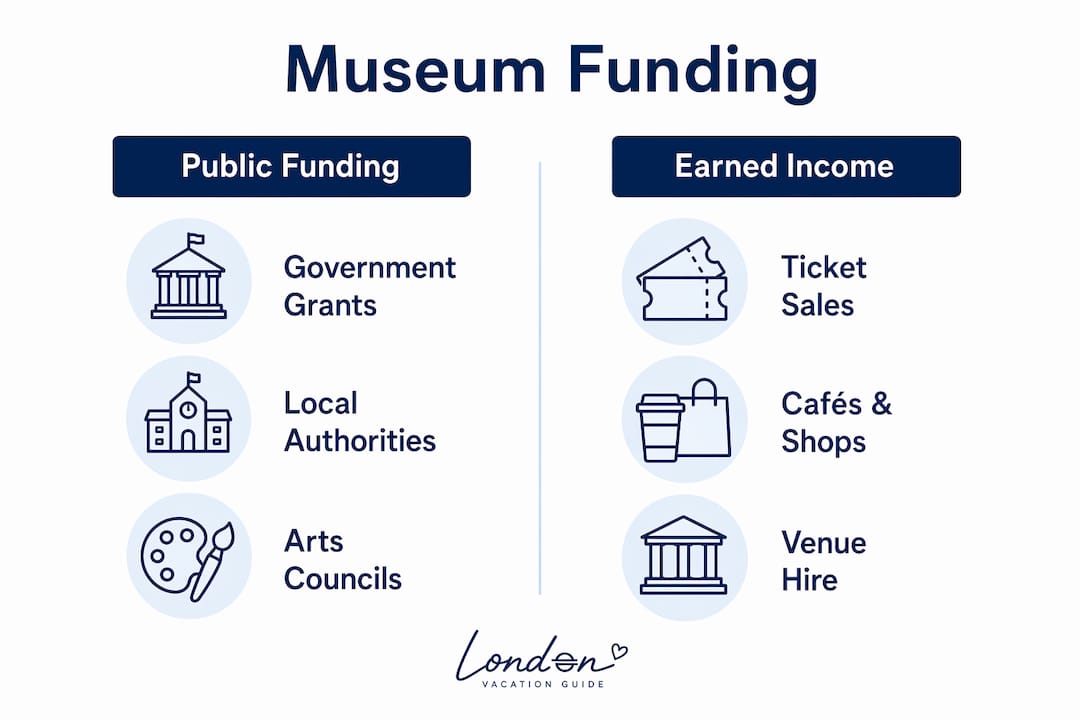
| Funding stream | How it works | Pressure point |
|---|---|---|
| DCMS government grant | Direct annual funding to nationally sponsored museums | Subject to spending reviews; real-terms cuts since 2010 |
| Arts Council England / National Lottery | Project and programme grants | Competitive; not guaranteed year-on-year |
| Philanthropy and endowments | Donations, corporate sponsorship, bequests | Cyclical; harder to sustain during economic downturns |
| Commercial income | Cafés, shops, venue hire, licensing | Dependent on footfall; squeezed post-pandemic |
| Ticketed temporary exhibitions | Paid shows subsidise free galleries | Increasingly relied upon; risks pricing out some visitors |
| Memberships | Annual passes for individuals and families | Growing revenue stream but limited ceiling |
The V&A and British Museum are DCMS-sponsored and receive direct government support; many regional museums depend on a patchwork of Arts Council England grants, local authority funding, and private philanthropy, which creates very different capacities to absorb a funding shock.
Ticketed temporary exhibitions are the most visible part of the hybrid model. A blockbuster show at the Natural History Museum or a major retrospective at Tate Modern can charge £20–£25 per ticket and sell out months in advance. As reporting confirms, these ticketed shows contribute materially to revenue and effectively subsidise the free galleries. Maxwell Anderson and other international museum leaders have argued that endowments and philanthropy, rather than ticket sales, are the more durable long-term answer to institutional solvency.
The sustainability question has become acute. Inflation has driven up conservation, staffing, and energy costs. Government grants have not kept pace. The tourist levy proposal — a small charge on hotel stays, ringfenced for culture — has been put forward as a way to raise substantial sums without charging museum entry. Museum leaders and some London mayors have backed the idea; it remains unimplemented.
Does free entry actually reach everyone?
This is where the policy gets complicated. The intuitive case for free museums rests on the idea that removing the price barrier democratises access. The evidence is more nuanced.
Academic analysis by Hume (2025) argues that free admission does not reliably reach the most disadvantaged groups and may actually reinforce spatial and social inequalities when museums are clustered in wealthier urban areas. Someone in a deprived community in the north of England faces travel costs, time costs, and cultural distance that a zero entry price does not address. The policy can also divert resources away from targeted outreach programmes that would do more to shift participation.
Policy implications:
- Geographic clustering of major free museums in London and a handful of other cities means the benefit is unevenly distributed across the UK.
- Socioeconomic barriers beyond price (transport, confidence, cultural familiarity) persist even when entry is free.
- Reallocating some funding to outreach, regional infrastructure, and targeted programming may produce better equity outcomes than a blanket universal free policy alone.
- Community festivals and cultural events can serve as entry points for audiences who would not self-select into a museum visit; London’s festival culture demonstrates how programming can reach underserved audiences.
A practical example: the Harris Museum in Preston, recently revamped and free to enter, was reportedly full of engaged visitors on a weekday morning outside school holidays. That kind of regional institution, embedded in its community, may do more for genuine access than a London blockbuster that draws primarily tourists and middle-class day-trippers.
Pro Tip: If you want to support genuine access rather than just free entry, look for museums running targeted community programmes or outreach partnerships with schools in deprived areas. Donating to those specific funds makes a more direct difference than a general gift.
What are the main criticisms of free museums?
Free entry is not without genuine costs and trade-offs. The strongest criticisms are worth taking seriously.
- Crowding: The most popular free museums in London, particularly the Natural History Museum and the British Museum, can be overwhelmingly busy, especially during school holidays. The visitor experience suffers, and conservation risks increase with high footfall.
- Regressive subsidy: Tourists and higher-income visitors use free national museums more than the most disadvantaged groups, meaning the taxpayer subsidy disproportionately benefits those who need it least.
- Resource diversion: Maintaining free entry requires significant public funding that might alternatively fund regional museums, outreach programmes, or conservation projects with broader social reach.
- Conservation costs: High visitor numbers accelerate wear on buildings, objects, and galleries. Free entry makes it harder to manage visitor flow and generate the revenue needed for conservation.
Practical mitigations are already in use. Timed entry slots for popular galleries, charges for temporary exhibitions, and membership schemes that offer perks in exchange for annual fees all help manage demand and generate income. The NPR-covered Remuseum research suggests that going fully free may suit smaller and medium-sized city museums more than huge metropolitan institutions where crowding and operational costs are hardest to manage.
What are the policy options being debated in the UK?
The 2026 debate has crystallised around a handful of realistic options, each with distinct trade-offs.
| Policy option | Pros | Cons |
|---|---|---|
| Maintain universal free entry | Preserves civic access and soft power; politically popular | Requires sustained public funding; unsustainable without new revenue |
| Tourist levy (hotel tax) ringfenced for culture | Raises new revenue without charging museum entry; tourists contribute | Requires legislation; risk of revenue not being ringfenced in practice |
| Selective charging (non-UK visitors) | Targets those with higher ability to pay | Administratively complex; risks diplomatic friction; deters tourism |
| Increased public grant funding | Direct and reliable; maintains the model | Competes with other public spending priorities; politically difficult |
| Stronger philanthropy and membership drives | Diversifies revenue; builds community ownership | Cyclical; cannot replace public funding at scale |
Current state of the debate:
- Museum leaders and sector advisers have urged ringfencing of tourist tax proceeds specifically for culture and free entry.
- The tourist levy proposal has attracted support from museum directors and some London politicians, though it has not yet been legislated.
- The Museums Association has argued publicly that a universal public good should not be the first casualty of a funding squeeze when alternatives exist.
- Public opinion surveys consistently show strong support for free entry; the political cost of scrapping it would be high.
- Proposals to charge overseas visitors specifically have drawn serious reservations from the Museums Association, which has warned of the practical and reputational risks.
What can visitors and citizens do to support free museums?
The funding debate can feel abstract, but there are concrete things you can do whether you are visiting London for a week or living here year-round.
When you visit:
- Use the museum café or restaurant; that revenue goes directly to the institution.
- Buy from the museum shop, particularly exhibition catalogues and books, which carry better margins than souvenirs.
- Book a ticketed temporary exhibition; this is the single most direct way a visitor subsidises the free galleries.
- Join a membership scheme (the British Museum, V&A, Natural History Museum, and Tate all offer them) for regular visitors; annual fees typically start under £100 and include free exhibition access.
As a citizen or supporter:
- Make a small donation at the exit; most major museums have donation points and gift-aid options.
- Volunteer: museums regularly need gallery assistants, education programme helpers, and community outreach workers.
- Write to your MP supporting ringfenced tourist levy revenue for culture.
- Follow and share campaigns by the Museums Association and Arts Council England when funding debates reach Parliament.
For planning your visit, staying near the museums makes a real difference. The Bloomsbury neighbourhood puts you within walking distance of the British Museum, while Kensington is the natural base for the V&A and Natural History Museum. If you are combining free collections with paid exhibitions and want a full London cultural itinerary, London Vacation Guide’s first-time visitor guide covers the logistics in detail. International visitors planning a trip can also find useful context at Mappamundis’ London travel archive for a broader European perspective on the city.
Key takeaways
Free museums in the UK serve as civic infrastructure, not just cultural amenities, and their long-term survival depends on a funding model that goes beyond government grants alone.
| Point | Details |
|---|---|
| Policy introduced in 2001 | Free entry to permanent collections at DCMS-sponsored national museums has been in place for 25 years. |
| Attendance rose sharply | One museum saw visitors grow from about 7 million to almost 18 million within a decade of free entry. |
| Funding is under pressure | DCMS grants, National Lottery funding, and commercial income all face constraints; ticketed exhibitions fill the gap. |
| Equity is not automatic | Academic research (Hume 2025) shows free entry does not reliably reach the most disadvantaged without targeted outreach. |
| A tourist levy is the leading proposal | Ringfencing a hotel levy for culture is the most-discussed alternative to either charging entry or cutting services. |
Why free museums are worth fighting for
The free museum debate is sometimes framed as a binary: keep it free or start charging. That framing misses the point. The real question is whether the UK is willing to fund its cultural infrastructure properly, and the tourist levy discussion is the most honest version of that question anyone has raised in years.
What strikes me about the 2026 debate is how much the argument has shifted. A decade ago, the case for free entry rested almost entirely on attendance numbers and social inclusion rhetoric. Now, the more interesting voices are the ones acknowledging the limits: that free entry alone does not fix geographic inequality, that a teenager in Barnsley still faces real barriers that a zero ticket price does not remove, and that the conservation costs of millions of visitors a year are not trivial.
The pragmatic position, and the one that sector leaders seem to be converging on, is to keep general admission free while building new revenue through ringfenced levies and targeted philanthropy. That is not a perfect solution. But it is a more honest one than pretending the current model is sustainable without change, or that scrapping free entry would somehow democratise access rather than simply reduce it.
For visitors to London, the practical reality is this: you can walk into the British Museum, the Natural History Museum, the V&A, or Tate Modern without paying a penny, and what you find inside is genuinely world-class. That is not something to take for granted.
FAQ
Why are museums free in the UK?
Free entry to permanent collections at nationally sponsored museums was introduced by the UK government in 2001, funded through DCMS grants, with the aim of broadening public access to cultural heritage. The policy has remained in place for 25 years, and attendance at least one museum rose from about 7 million to almost 18 million within a decade, though its funding base is under growing pressure.
How do free museums make money?
Free museums generate revenue through ticketed temporary exhibitions, cafés, shops, venue hire, memberships, philanthropy, and endowments, alongside their core government grant. Ticketed special exhibitions are particularly important, often charging £20 or more per ticket and selling out well in advance.
What are the main benefits of free entry to museums?
Free entry removes the price barrier to public education, civic participation, and cultural engagement, and has been linked to a large rise in visitor numbers since 2001. It also supports London’s tourism economy through spillover spending in surrounding businesses.
Does free entry mean everyone benefits equally?
Not automatically. Academic research by Hume (2025) argues that free admission can fail to reach the most disadvantaged groups and may reinforce inequalities when museums are concentrated in wealthier urban areas, suggesting targeted outreach is needed alongside free entry.
Could tourists be charged to enter UK museums?
Proposals to charge overseas visitors have been raised but have attracted serious reservations from the Museums Association over practical and reputational risks. The more widely supported alternative is a ringfenced tourist or hotel levy that raises revenue for culture without introducing a ticket barrier at the museum door.
Useful sources and further reading
The sources below underpin the claims in this article and are recommended for anyone researching UK museum policy in depth.
- Hume 2025, “Openness, Priority, and Free Museums” (UCL Discovery) — The most rigorous recent academic critique of free admission policy; essential for the equity and redistribution debate. Supports the equity and reach section.
- The National: “Why free access to Britain’s national museums is a universal good under imminent threat” (2026) — Policy context, attendance history, and museum leader perspectives. Supports the history, civic roles, and policy debate sections.
- The Independent: “UK’s free museums are in trouble. Should tourists start paying?” (2026) — Best single source on the tourist levy debate and funding pressures. Supports the funding and policy sections.
- Museums Association editorial: “The value of free entry” (May 2026) — Sector perspective on the funding debate and the case for retaining free entry. Supports the policy debate and criticisms sections.
- Museums Association: “Serious reservations about proposal to scrap free entry for overseas visitors” (2026) — Sector response to selective charging proposals. Supports the policy options section.
- artnet News: “U.S. Museums Could Benefit From Offering Free Admission: Report” (Remuseum study) — International comparative evidence on free admission economics; useful for contextualising the UK model. Supports the economic impact and funding sections.
- NPR: “Report: Museums should make admission free — at least in small cities” (2025) — Accessible summary of the Remuseum findings with director perspectives. Supports the economic impact section.
- The Art Newspaper: “Fee or free — how entry charges affect museums in the US” (2026) — Maxwell Anderson and other leaders on endowments, philanthropy, and the limits of ticket revenue. Supports the funding sustainability section.
- Centre for Public Impact: Universal free admission to the UK’s national museums — Policy case study with historical context and impact assessment. Useful for researchers and journalists covering the 2001 policy origins.
- DCMS: Taking Part Survey 2019/20 (gov.uk) — Official government data on museum participation rates by demographic. Primary source for audience and equity claims.
Recommended
- How museums shape London tourism: Facts and traveller tips - The London Journal | London Vacation Guide
- London Museums Guide: The Best in the City for 2026 - The London Journal | London Vacation Guide
- The role of art in London’s identity: a 2026 guide - The London Journal | London Vacation Guide
- Best Free Things to Do in London (2025 Guide) - The London Journal | London Vacation Guide