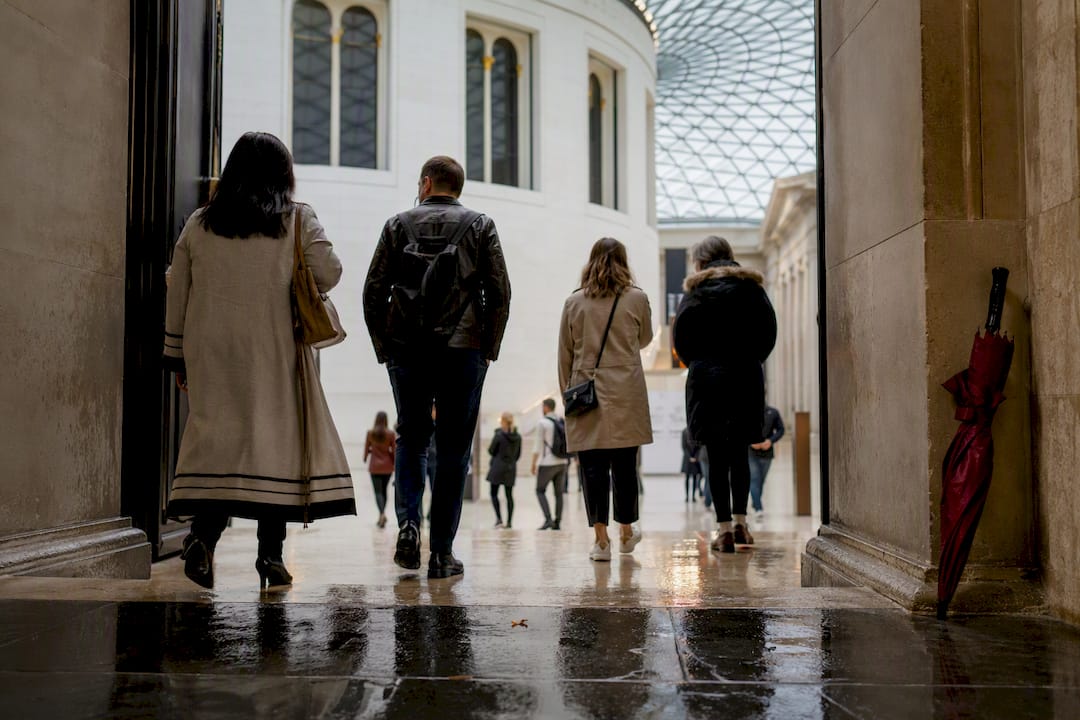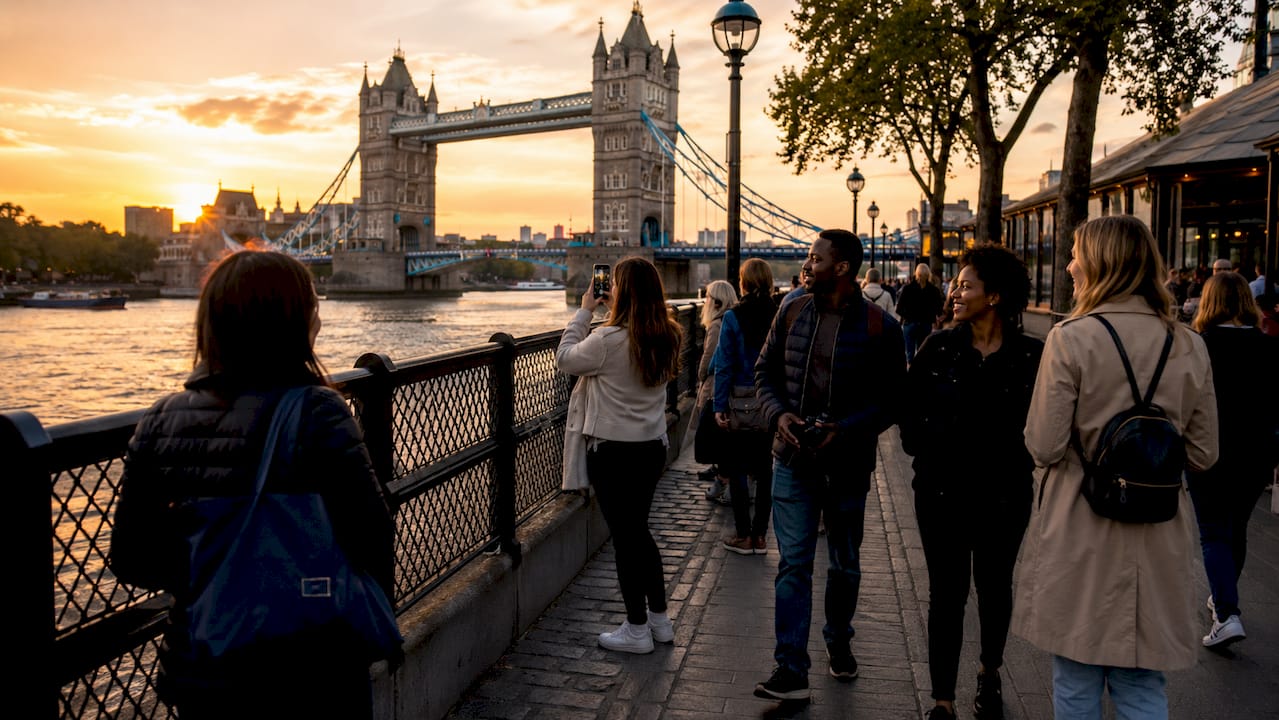
What is a city walk? Your complete 2026 guide
A city walk is defined as an on-foot urban exploration practice where participants move through a city to experience its authentic culture, history, and everyday life rather than simply collecting landmark photographs. A 2023 poll shows 82% of respondents prefer city strolls over other travel modes. That figure signals a fundamental shift in how people want to experience urban places. City walks originated in the UK as cultural and historical explorations promoting authentic experiences beyond popular sightseeing routes. London Vacation Guide covers the full picture here, from the types of walks available to practical planning advice for getting the most from any city on foot.
What is a city walk and how does it differ from sightseeing?
A city walk is the practice of traversing urban streets on foot with the deliberate aim of engaging with a city’s living culture, not just its monuments. The standard industry term for the organised version is a “walking tour,” but city walk has become the broader label covering everything from professionally guided experiences to solo wandering with a social media route saved on your phone.

Traditional sightseeing tends to be passive. You arrive at a famous building, photograph it, and move on. A city walk inverts that model. The journey between places carries as much meaning as the destinations themselves. You notice the Georgian terraces giving way to Victorian warehouses, the smell of a bakery on a side street, the way a neighbourhood’s character shifts block by block.
Urban-behavioural research describes this as “environmental-behavioral engagement,” a process that transforms transit space into a collection of authentic urban rhythms. The result is that walkers reclaim the city as a pedestrian space filled with sensory and lived experience. That is a fundamentally different outcome from a bus tour or a taxi ride between attractions.
What types of city walks exist and how do they differ?
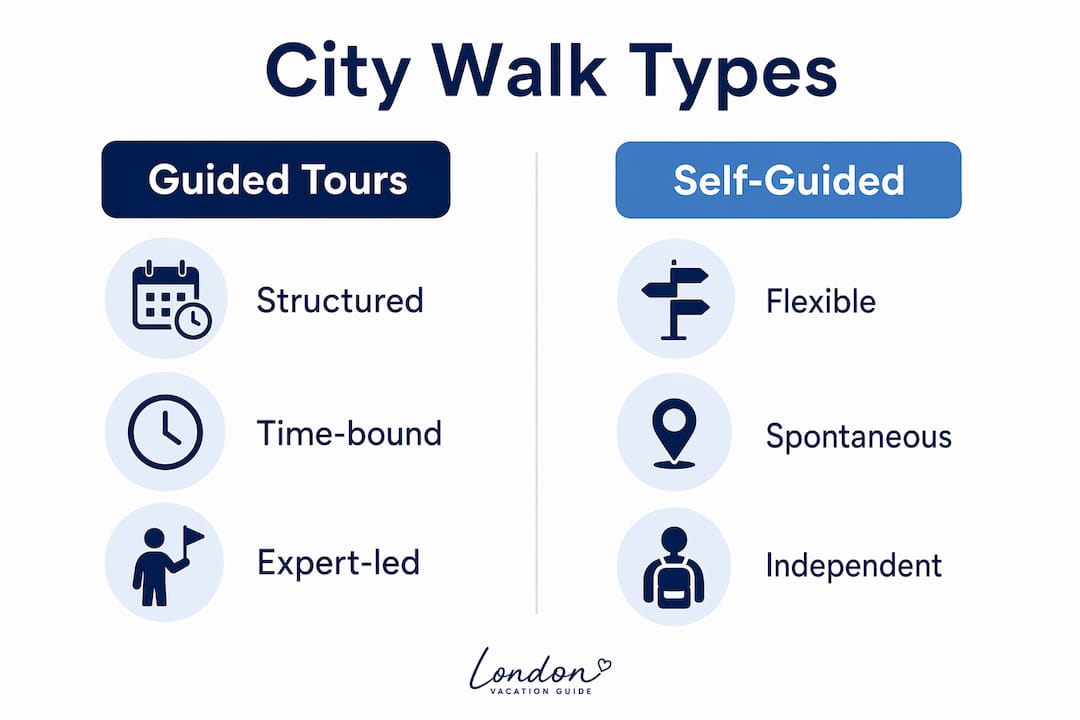
City walks fall into two broad categories: professionally guided walking tours and self-guided or spontaneous explorations. Each has a distinct character, and choosing between them shapes the entire experience.
Professionally guided walking tours
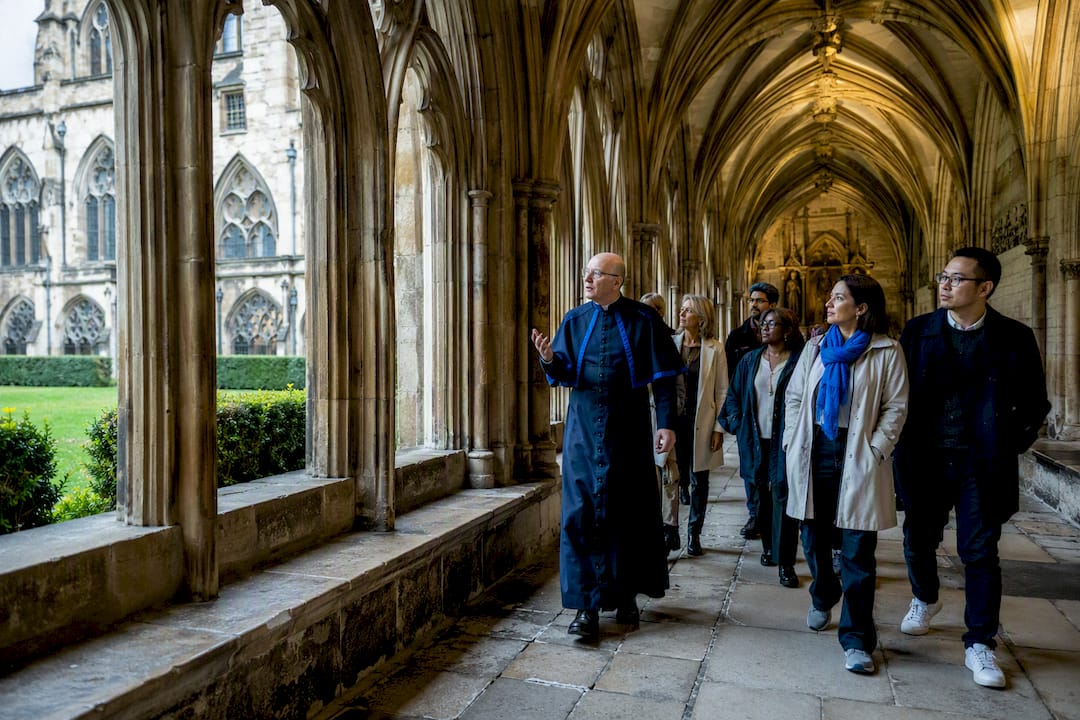
Guided city walks typically last 2–3 hours, cover a defined neighbourhood or theme, and are fully walkable without any transport. Context Travel, one of the better-known operators in this space, structures its tours around the “connection of sights” concept rather than a checklist of landmarks. The guide links what you see to a broader narrative, so a Roman wall in London or a canal in Amsterdam becomes part of a continuous story rather than an isolated fact.
Group sizes are deliberately capped. Free walking tours often require bookings for groups as small as 8 people, precisely because quality suffers in larger crowds. Most guided tours operate in all weather unless extreme safety hazards arise. They typically end with local dining or activity recommendations, which extends the experience beyond the walk itself.
Self-guided and spontaneous city walks
Self-guided walks are driven by personal curiosity and, increasingly, by social media routes. Platforms like Instagram and, in China, Rednote have turned city walking into a shareable cultural practice. The #citywalk trend spread rapidly across China before reaching global audiences, with participants treating social media routes as flexible frameworks rather than fixed itineraries. The real reward comes from pausing for a serendipitous encounter: an artisanal café, a piece of street art, a market that was not on any list.
The table below summarises the key differences between the two formats.
| Feature | Guided walking tour | Self-guided city walk |
|---|---|---|
| Duration | 2–3 hours, structured | Flexible, set your own pace |
| Group size | Capped, often 8 or fewer | Solo or any group size |
| Narrative | Expert-led, contextual | Personal, discovery-driven |
| Cost | Free (tip-based) to paid | Free |
| Best for | First visits, deep context | Repeat visitors, spontaneous explorers |
Pro Tip: Book a guided tour for your first morning in a new city. The spatial orientation it provides reduces navigation friction for every subsequent day of your trip.
Why are city walks gaining popularity?
City walks respond to a clear shift in travel values. Shorter, affordable, and authentic urban experiences are replacing the long, expensive, all-inclusive holiday for a growing segment of travellers. Research confirms that affordability and health benefits make city walks particularly attractive to Gen Z, who prioritise local social connections over passive mass tourism.
The motivations behind this shift cluster around several themes:
- Authenticity. Walkers want to see how a city actually functions, not a curated version of it.
- Affordability. A city walk costs nothing beyond comfortable shoes and, optionally, a tip for a guide.
- Physical and mental health. Regular walking reduces stress, improves cardiovascular health, and sharpens attention. These benefits compound over a multi-day trip.
- Social connection. Guided walks create shared experiences with strangers. Solo walks create personal narratives that translate well to social media.
- Flexibility. A walk can be abandoned, extended, or redirected in a way that a coach tour cannot.
Social media has been the accelerant. The #citywalk hashtag generated millions of posts in China before the format spread globally, with influencers and travel boards actively promoting localised spending in urban neighbourhoods.
“City walks transform the pedestrian’s role, turning city spaces from transit zones into immersive sensory experiences. Participants do not just pass through a city. They read it.”
Urban-behavioural design research, Atlantis Press, 2025
Younger travellers in particular treat urban exploration as a form of wellness practice. The combination of physical movement, cultural stimulation, and social engagement produces a quality of experience that a museum visit or a restaurant meal alone cannot replicate.
What are the benefits of guided city walks versus independent ones?
The benefits of a city walking tour depend heavily on where you are in your relationship with a city. Guided and independent walks are not competing options. They are complementary stages of the same process.
The case for guided walks
Expert guides do something that no map or app can replicate: they connect what you see to why it matters. Context Travel’s approach in Athens and Amsterdam demonstrates this clearly. A guide does not just point at the Acropolis. They explain how past and present share space, so that the ruins become legible rather than merely impressive. That contextual understanding builds confident navigation for everything that follows.
Guided walks also provide spatial orientation. Seasoned travellers consistently report that taking a guided walk early in a trip reduces later navigation needs and improves the overall efficiency of their time in a city. You leave knowing where the neighbourhoods are, how they relate to each other, and which areas reward further exploration.
The case for independent walks
Independent walks deliver something guided tours cannot: genuine surprise. When you have no fixed endpoint, you are free to follow a sound, a smell, or a visual detail down a street you had not planned to visit. Social-media-driven routes offer a useful middle ground, providing a loose framework while leaving room for serendipitous local encounters.
Independent walks also suit repeat visitors who already have a mental map of a city and want to test its edges. In London, this might mean walking from Soho through Covent Garden and down to the Embankment, pausing wherever something catches your attention rather than following a prescribed route.
Practical tips for both formats
- Book guided tours at least 24 hours in advance. Popular routes fill quickly, especially in summer.
- For free walking tours, budget a tip of £10–£20 per person. Free tours operate on a tipping economy, and guides depend on that income.
- Start independent walks with a rough anchor point, such as a market or a park, then allow the route to develop organically.
- Carry a portable charger. Navigation apps drain batteries faster than most people expect.
- Plan your walk to end near a café or restaurant. The benefits of exploring neighbourhoods extend well beyond the walk itself when you finish with a local meal.
Pro Tip: Wear shoes you have already broken in. New trainers on a 3-hour walk through cobbled streets will end the day early.
How to plan and enjoy a city walk effectively
Planning a city walk well means making a few deliberate choices upfront, then releasing control once you start moving.
Timing and duration
The best time to walk most cities is early morning, between 7:00 AM and 10:00 AM. Streets are quieter, light is better for photography, and the city reveals its working rhythms rather than its tourist face. In London, this is especially true in areas like Victoria, where the morning commuter flow gives way to a completely different atmosphere by mid-morning.
Aim for 2–3 hours as your baseline. That is long enough to cover meaningful ground without fatigue undermining the experience. If you want to go longer, build in a 20-minute café stop at the midpoint.
What to bring
- Comfortable, worn-in walking shoes
- A refillable water bottle
- A lightweight layer, even in summer (London weather changes without warning)
- A small notebook or voice memo app for capturing observations
- A downloaded offline map as a backup
Balancing structure with spontaneity
The most rewarding city walks combine a planned route with deliberate openness to deviation. Choose two or three anchor points, such as a market, a park, and a specific street, then treat everything between them as open territory. This approach works particularly well in London’s denser neighbourhoods, where streets like Berwick Street in Soho or Strutton Ground near Victoria reward slow, attentive walking.
Research on urban-behavioural engagement confirms that participants who engage actively with their surroundings, rather than moving through them efficiently, report higher levels of satisfaction and recall. Walking slowly is not inefficiency. It is the point.
After the walk
A city walk is not complete when your feet stop moving. The best guides end their tours with local dining recommendations, and that practice is worth adopting for independent walks too. Eating in the neighbourhood you have just explored consolidates the experience and often leads to further discoveries. London Vacation Guide’s neighbourhood guides include specific post-walk dining suggestions for exactly this reason.
Key takeaways
A city walk is the most direct way to understand a city’s character, and combining a guided tour early in a visit with independent exploration afterwards produces the richest overall experience.
| Point | Details |
|---|---|
| Definition | A city walk is on-foot urban exploration focused on culture and lived experience, not landmarks. |
| Two main formats | Guided tours offer expert context; self-guided walks offer spontaneity and personal discovery. |
| Best timing | Walk early in the morning and early in your trip to maximise orientation and atmosphere. |
| Guided tour etiquette | Tip £10–£20 per person on free tours and book at least 24 hours ahead. |
| Mental and physical value | Regular walking reduces stress and improves attention, making city walks a wellness practice as much as a travel one. |
Why city walks changed how I think about travel
I have spent years walking cities, and the single most useful shift in my thinking came when I stopped treating a walk as a way to get somewhere and started treating it as the destination itself.
The conventional travel mindset is extractive. You arrive, you collect experiences, you leave. A city walk forces a different posture. You slow down. You notice that the Georgian terrace on one side of a street was built for merchants and the Victorian tenements on the other were built for their workers. That contrast tells you more about a city’s history than any museum label.
What surprises most people is how quickly a guided walk changes their confidence. I have seen first-time visitors to London arrive overwhelmed by the scale of the city and leave a three-hour walk through the City of London feeling genuinely oriented. Not just geographically, but culturally. They understand why certain streets are wide and others are narrow. They know which pub has been there since the 1600s and which one is pretending. That knowledge changes how they move through the rest of their trip.
Social media has democratised this. The #citywalk trend, which spread from the UK to China and back again, has introduced millions of people to the idea that a walk can be a planned, shareable, intentional experience rather than just a way to get from A to B. That is genuinely good for cities and for travellers.
My honest recommendation: do one guided walk on your first full day in any new city. Then spend the rest of your time testing what you learned on your own terms. The two approaches feed each other in a way that neither can achieve alone.
— Matt
London walks, planned for you
London Vacation Guide has built neighbourhood walk guides specifically for visitors who want to explore the city on foot without spending hours researching routes. The first-time visitor guide includes curated walking itineraries across central London, with timing advice, local dining stops, and insider notes on what to look for along the way. For visitors who want to go deeper into specific areas, the Victoria neighbourhood guide and Soho neighbourhood guide each include walkable routes with practical recommendations. These guides are built for people who want to arrive knowing exactly where to start.
FAQ
What is a city walk exactly?
A city walk is an on-foot exploration of an urban area focused on engaging with local culture, history, and everyday life rather than visiting landmarks. It can be guided by an expert or self-directed using a planned or spontaneous route.
How long does a city walking tour typically last?
Most guided city walks last 2–3 hours and cover a single neighbourhood or theme without requiring any additional transport.
Are city walks suitable for first-time visitors?
City walks are particularly well suited to first-time visitors. A guided tour on the first day provides spatial orientation that reduces navigation difficulty for the rest of the trip.
How much should I tip on a free walking tour?
The standard tip for a free walking tour is £10–£20 per person, reflecting the guide’s local expertise and the value of the experience.
What is the difference between a city walk and a sightseeing tour?
A sightseeing tour moves between fixed landmarks, often by vehicle. A city walk prioritises the experience of moving through urban space on foot, with the journey itself forming the core of the experience rather than the destinations.
Recommended
- Benefits of exploring neighbourhoods: your 2026 guide - The London Journal | London Vacation Guide
- What is a guided walking tour? Your London guide - The London Journal | London Vacation Guide
- Tips for visiting london in 2026: your expert guide - The London Journal | London Vacation Guide
- Your essential London travel guide: tips and local experiences - The London Journal | London Vacation Guide