Historic sites to visit in 2026: the essential guide

The best historic sites to visit in 2026 are defined by three qualities: UNESCO or equivalent cultural recognition, a visitor experience that goes beyond passive sightseeing, and a reason specific to this year to make the trip now rather than later. That last criterion matters more than most travel guides admit. Mystras in Greece reopened in june 2026 after 42 years of restoration. Fort Ticonderoga in New York runs special 250th anniversary reenactments through october. The Ninety Six National Historic Site in South Carolina unveiled new interactive exhibits in june. These are not ordinary years for these places. They are moments. The top historical attractions 2026 rewards travellers who plan with purpose.
1. Which historic sites to visit in 2026 draw the most visitors globally?
UNESCO recognises 1,248 sites worldwide as of mid-2026. The top 10 of those sites receive over 50% of all global cultural tourism visits. That concentration tells you something important: a handful of places carry the weight of the world’s historical imagination, and visiting them requires planning rather than spontaneity.
The Great Wall of China, Machu Picchu in Peru, the Acropolis in Athens, and Angkor Wat in Cambodia sit at the top of that list year after year. Each enforces visitor caps or timed entry systems. Machu Picchu limits daily admissions and requires pre-booked tickets tied to specific entry windows. Angkor Wat’s most photographed sunrise spot fills before 5 AM during peak months.
The Royal Yacht Britannia in Edinburgh and the Sagrada Família in Barcelona rank among the most visited attractions for 2026 according to TripAdvisor rankings. Their popularity comes from immersive, story-rich experiences that engage visitors beyond visual sightseeing. Britannia succeeds because every room tells a specific story about the people who lived and worked aboard. Sagrada Família succeeds because Gaudí’s architecture demands interpretation, and the site provides it well.
- Book tickets for Machu Picchu, Angkor Wat, and the Acropolis at least 6–8 weeks in advance during peak season (june to august).
- Sagrada Família sells out weeks ahead. Book the tower access ticket separately from general admission.
- The Great Wall sections at Mutianyu and Jinshanling are less crowded than Badaling and offer a more authentic experience.
- Angkor Wat’s outer galleries are significantly quieter than the central towers and equally impressive architecturally.
Pro Tip: For the Great Wall, arriving at the Mutianyu section by 7 AM gives you the first cable car up and at least 90 minutes before tour groups arrive. The light is also better for photography in the early morning.
2. What are the most significant newly reopened sites in 2026?
Three sites stand out this year for offering genuinely new experiences, not just the same visit with a fresh coat of paint.
Mystras, Greece
The Byzantine castle town of Mystras fully reopened in june 2026 after 42 years of restoration work. The site had been partially closed since the 1980s. What visitors now access is not ruins in the traditional sense. Mystras presents itself as a living narrative of Byzantine civilisation, with new exhibitions framing the frescoes, palaces, and churches as chapters in a story rather than fragments of a lost world. The site sits on a steep hillside above the Laconian plain in the Peloponnese, and the views alone justify the climb. Plan a full day. The restored sections include areas that have not been publicly accessible in living memory.
Ninety Six National Historic Site, South Carolina, USA
The museum at Ninety Six reopened on 24 june 2026 with new interactive exhibits, including a tactile map of the 1781 siege and multimedia storytelling stations. The site marks one of the longest sieges of the American Revolutionary War. Interactive exhibits like these transform passive sightseeing into active learning, which increases visitor retention of historical knowledge significantly. The tactile map is particularly well designed for visitors with visual impairments, making this one of the more accessible Revolutionary War sites in the country.
Fort Ticonderoga, New York, USA
Fort Ticonderoga runs its 2026 event season from 2 may to 25 october, with major reenactments on 3–5 july, 28 july, 19–20 september, and 24–25 october. The programming marks the 250th anniversary of key battles in the American War of Independence. These are not casual living history displays. The july reenactments in particular involve large-scale troop movements, period artillery, and costumed interpreters who engage visitors in structured historical dialogue. If you are travelling through upstate New York this summer, this is the most historically dense single-day experience available.
Pro Tip: For Fort Ticonderoga, the july 3–5 reenactment weekend is the centrepiece event of the season. Book accommodation in the Lake Champlain area at least two months ahead, as nearby towns fill quickly during anniversary weekends.
3. How do endangered historic sites offer unique visits in 2026?
The National Trust for Historic Preservation publishes an annual list of America’s 11 Most Endangered Historic Places. The 2026 list includes sites that rarely appear in mainstream travel guides, and that is precisely what makes them worth visiting.
Each listed site receives a $25,000 grant to support conservation efforts. Visiting these places directly supports their survival. Admission fees, guided tour bookings, and on-site purchases all contribute to the financial case for continued preservation funding.
The 2026 list includes the Tule Lake Segregation Center in California, which held Japanese American citizens during the Second World War, and the Detroit Association of Women’s Clubs building in Michigan, a rare surviving example of African American civic architecture from the early 20th century. Both sites offer educational programming that you will not find at mainstream heritage attractions.
“Visiting endangered historic sites in 2026 offers travellers meaningful engagement by supporting preservation efforts and learning from overlooked histories.” — National Trust for Historic Preservation
What to expect at endangered sites differs from flagship UNESCO locations. Crowds are smaller. Guides are often specialists rather than generalists. The experience tends to be slower and more personal. Smaller historic towns and sites encourage deeper cultural immersion and often produce more memorable experiences than rushed tours of famous landmarks. The trade-off is that facilities may be basic, opening hours limited, and advance contact with the site advisable before travelling.
- Tule Lake Segregation Center, California: one of the most significant sites of Japanese American incarceration history.
- Detroit Association of Women’s Clubs, Michigan: a landmark of African American civic and cultural life.
- Check the National Trust for Historic Preservation website before travelling to confirm current access and programming.
- Many endangered sites offer volunteer opportunities alongside standard visits, which deepens the experience considerably.
4. What practical tips make historic site visits more rewarding in 2026?
Timing is the single most controllable factor in the quality of a heritage site visit. Arriving early at major sites like the Great Wall or the Acropolis gives you quieter conditions and better light for photography. It also reduces the physical discomfort of navigating crowded pathways in summer heat.
Use public transport where sites cluster
Cities with dense heritage zones reward visitors who leave the car behind. Vienna is the clearest example: its public transit network connects Gothic, Baroque, and Art Nouveau heritage sites within a compact central area. A single day on the U-Bahn and tram network can take you from the Kunsthistorisches Museum to the Belvedere to St Stephen’s Cathedral without the stress of parking or navigation. Rome, Athens, and Kyoto follow the same logic.
Combine sites by theme, not just geography
The most satisfying multi-site itineraries are built around a historical thread rather than a map. Grouping Revolutionary War sites in the American northeast, Byzantine sites in Greece and Turkey, or colonial-era sites across South America gives each visit context that standalone tourism cannot provide. Fort Ticonderoga, Saratoga National Historical Park, and Valley Forge form a coherent narrative arc about the American War of Independence that no single site can deliver alone.
Use guided tours and multimedia tools strategically
Not every site warrants a guided tour. At smaller or less-documented sites, a knowledgeable guide adds enormous value. At well-documented sites like the Colosseum or the Tower of London, a quality audio guide or a pre-downloaded podcast series often delivers a richer experience than a group tour, because you control the pace. The museums that shape visitor experience most effectively are those that blend physical exhibits with digital storytelling, exactly the model Ninety Six and Mystras have adopted in 2026.
Pro Tip: Download offline maps and site-specific apps before you travel. Many heritage sites in rural areas have poor mobile connectivity, and having content cached locally saves considerable frustration.
- Arrive at major sites at least 30 minutes before opening time.
- Book skip-the-queue tickets for the Acropolis, Colosseum, and Sagrada Família well in advance.
- Pack water and sun protection for outdoor sites. Many heritage sites in Greece, Jordan, and Peru have minimal shade.
- Check for free admission days. Many national historic sites in the USA offer free entry on specific federal holidays.
5. Which London historic sites belong on a 2026 itinerary?
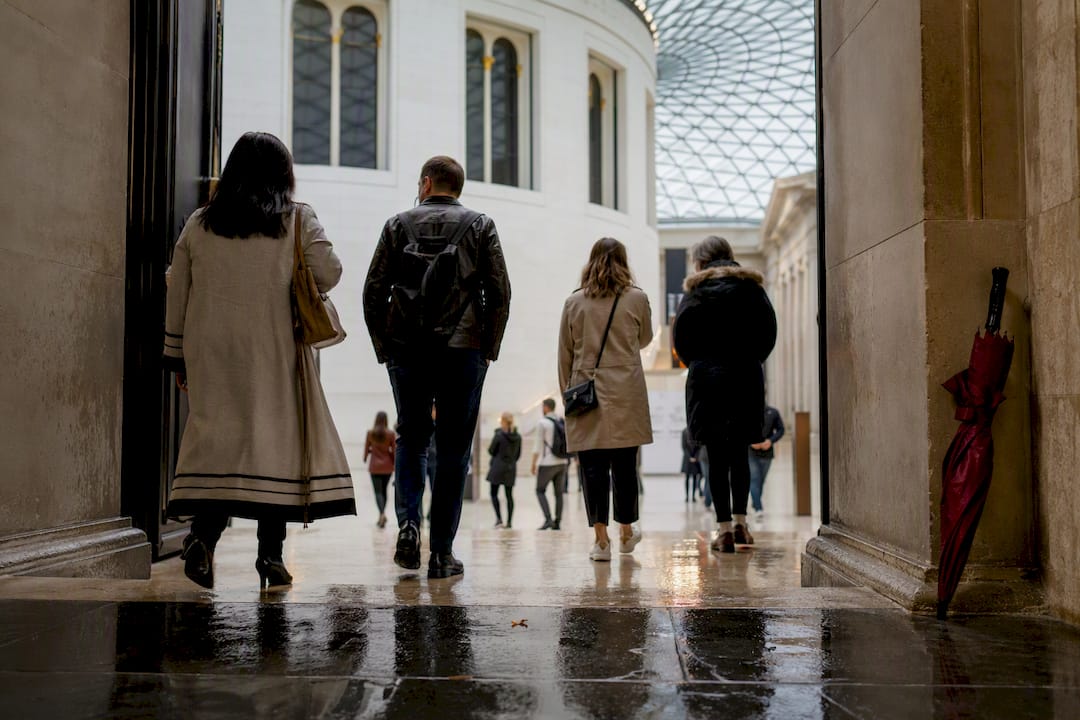
London ranks among the world’s most historically layered cities, and its cultural experiences for history lovers span two millennia of continuous occupation. The Tower of London, founded by William the Conqueror in 1066, holds the Crown Jewels and offers one of the most narrative-rich heritage visits in Europe. The British Museum houses the Rosetta Stone, the Elgin Marbles, and the Sutton Hoo helmet, making it one of the few places on earth where you can trace human civilisation across continents in a single afternoon.

Greenwich is the site that most visitors underestimate. The Royal Observatory, the Cutty Sark, and the National Maritime Museum sit within walking distance of each other on a hill above the Thames. The Prime Meridian Line runs through the observatory courtyard, and standing on it costs nothing. The Queen’s House, designed by Inigo Jones in 1616, is one of the finest examples of classical architecture in Britain and is frequently overlooked in favour of more famous London landmarks.
The Victoria neighbourhood anchors some of London’s most significant historic institutions. Westminster Cathedral, the Tate Britain, and the Churchill War Rooms all sit within a short walk of Victoria station. The Victoria neighbourhood guide covers the area in detail, including the best entry points and timing for each site. For first-time visitors combining London with international heritage travel, the density of history per square mile in central London is genuinely unmatched.
Key takeaways
The most rewarding historic site visits in 2026 combine UNESCO-recognised landmarks with newly reopened destinations and endangered sites, planned around specific events and early arrival times.
| Point | Details |
|---|---|
| Book flagship sites early | Machu Picchu, Sagrada Família, and Angkor Wat require advance tickets, often 6–8 weeks ahead. |
| Prioritise 2026-specific events | Fort Ticonderoga’s 250th anniversary reenactments and Mystras’s reopening offer once-in-a-generation visits. |
| Visit endangered sites for depth | America’s 11 Most Endangered Historic Places offer smaller crowds, specialist guides, and direct preservation impact. |
| Arrive early at major sites | Reaching the Great Wall or Acropolis at opening time avoids crowds and improves the experience significantly. |
| Use public transport in heritage cities | Cities like Vienna and London cluster historic sites within efficient transit networks, making car-free visits practical. |
Matt’s view: why 2026 is the year to go beyond the obvious
I have planned heritage itineraries for long enough to know that the sites people remember most are rarely the ones they expected to. The Colosseum is extraordinary, but it is also extremely crowded and extremely familiar before you arrive. Mystras, by contrast, will stop you cold. Walking through a Byzantine city that has been closed to the public for most of your lifetime, with frescoes still vivid on church walls and a palace that once housed the last emperors of a civilisation, is a different category of experience entirely.
My honest view is that 2026 is an unusually good year to plan a heritage trip precisely because the calendar has aligned in a way it rarely does. You have Mystras reopening after four decades. You have Fort Ticonderoga running its most ambitious event programme in a generation. You have Ninety Six offering a genuinely new museum experience at a site that deserves far more attention than it receives. These are not manufactured tourism events. They are the result of years of scholarship, conservation work, and institutional commitment.
The practical advice I give to anyone planning a heritage-focused trip is this: anchor your itinerary around one major event or reopening, then build secondary visits around it. Fort Ticonderoga in july pairs naturally with Saratoga and the Hudson Valley. Mystras pairs with the wider Peloponnese, including Olympia and Epidaurus. London pairs with everything, because its tips for visiting in 2026 cover a city where Roman walls stand next to Georgian townhouses and Victorian railway stations. The depth is inexhaustible.
Do not treat heritage travel as a checklist. The sites that change how you think about the world are the ones you give time to.
— Matt
Planning your London historic visit with London Vacation Guide
London holds more historic layers per square mile than almost any city on earth, and London Vacation Guide has mapped them all. The first-time visitor guide covers curated itineraries built specifically for history lovers, from the Tower of London and Greenwich to lesser-known gems like the Charterhouse and the Inns of Court. Alongside site recommendations, you will find neighbourhood guides, dining suggestions near major attractions, and insider timing tips that save hours of research. Whether you are combining London with a wider European heritage trip or making it your sole destination, London Vacation Guide gives you the local knowledge to visit with confidence.
FAQ
What qualifies a site as a top historic destination in 2026?
The strongest heritage sites combine UNESCO or equivalent cultural recognition with a visitor experience that goes beyond passive sightseeing. In 2026, sites with new openings, restorations, or anniversary events offer additional reasons to visit now.
How far in advance should I book tickets for major heritage sites?
Book 6–8 weeks ahead for high-demand sites like Machu Picchu, Sagrada Família, and Angkor Wat during peak season. Fort Ticonderoga’s july 2026 reenactment weekends and nearby accommodation also fill quickly.
What is Mystras and why is it significant in 2026?
Mystras is a Byzantine castle town in the Greek Peloponnese that reopened in june 2026 after 42 years of restoration. It is one of the most complete surviving examples of Byzantine urban architecture in the world.
Are endangered historic sites worth visiting if facilities are limited?
Visiting endangered sites directly supports their preservation through admission and tour revenue. The experience is typically more personal and educationally rich than at flagship sites, even if facilities are more basic.
Is London a worthwhile destination for heritage travel in 2026?
London offers one of the world’s densest concentrations of historic sites, from Roman-era remains to Victorian landmarks. The Tower of London, British Museum, Greenwich, and the Churchill War Rooms alone justify a dedicated heritage itinerary.
Recommended
- Tips for visiting london in 2026: your expert guide - The London Journal | London Vacation Guide
- London historical sites: The essential guide for visitors - The London Journal | London Vacation Guide
- Benefits of exploring neighbourhoods: your 2026 guide - The London Journal | London Vacation Guide
- London Museums Guide: The Best in the City for 2026 - The London Journal | London Vacation Guide