Top London cultural experiences for tourists and enthusiasts
London hands you an impossible problem: too much culture, not enough time. With over 300 museums, hundreds of live venues, ancient landmarks, and world-class galleries all competing for your attention, choosing the top London cultural experiences can feel genuinely overwhelming. This guide cuts through that noise. We have curated the standout options across immersive performances, must-visit London museums, historic sites, and special exhibitions, then layered in practical advice on timing, booking, and budgeting so you can build a cultural itinerary that actually works for you.
Table of Contents
- Criteria for choosing London cultural experiences
- Immersive performance experiences in London
- Iconic museums and exhibitions offering deep cultural insight
- Historic landmarks and spiritual sites central to London’s cultural heritage
- Comparing London’s cultural experiences: what suits your trip best?
- Beyond the usual: fresh perspectives on immersing yourself in London culture
- Plan your London cultural journey with expert guides
- Frequently asked questions
Key Takeaways
| Point | Details |
|---|---|
| Define your priorities | Choose cultural experiences based on your interests, budget, and audience fit for best engagement. |
| Plan using timing rules | Account for museum last-entry times and performance door openings to maximise visit enjoyment. |
| Balance free and ticketed | Combine free museum admission with paid exhibitions or immersive shows for richer cultural insight. |
| Booking saves money | Compare booking options to avoid unnecessary fees on tickets, especially for performances. |
| Explore beyond landmarks | Discover less-known venues and neighbourhood gems for authentic and less crowded cultural experiences. |
Criteria for choosing London cultural experiences
To confidently select among London’s rich cultural offerings, start by understanding what truly separates a memorable experience from a forgettable afternoon. Not all cultural activities are created equal, and the right choice depends on more than just popularity.
Value for money sits at the top of most visitors’ priorities. 73% of immersive audiences prioritise value for money when choosing cultural experiences. That does not simply mean cheap. It means the experience justifies what you pay in terms of depth, originality, and engagement. A £25 temporary exhibition at a world-class gallery can deliver more value than a £10 entry to something generic.
Here are the key criteria worth weighing before you book anything on your cultural experiences list for London:
- Type of experience: Are you drawn to immersive theatre, live orchestral concerts, world-class museum collections, or iconic historic landmarks? Knowing this narrows your options fast.
- Duration and pacing: A full day at the Natural History Museum requires different planning than a two-hour evening show. Be realistic about what fits your itinerary.
- Audience fit: Some experiences are ideal for families with children; others suit a romantic evening or a solo deep-dive into art history.
- Accessibility and location: Check proximity to Tube stations and your accommodation, particularly for evening performances when transport frequency drops.
- Booking complexity: Some of the best London cultural activities sell out weeks in advance. Others offer walk-in access. Knowing this in advance prevents disappointment.
For immersive performances specifically, booking method matters too. Online tickets often carry booking fees that can add £3 to £6 per ticket. Buying in person or via membership schemes frequently waives those fees entirely.
Pro Tip: London’s cultural calendar moves quickly. Visit the festivals and events calendar before finalising your trip dates. Aligning your visit with a major cultural festival can add free and ticketed events to your itinerary without extra planning effort.
Immersive performance experiences in London
Building on those selection criteria, London’s immersive performance scene is genuinely world-leading. These are not passive experiences where you sit quietly in a row. You are placed inside the story, the music, or the atmosphere, and that shift changes everything.
ABBA Voyage at the custom-built ABBA Arena in Stratford remains one of the most technically ambitious shows on the planet. Digital avatars of the four original ABBA members perform alongside a live band, and the production quality has to be seen to be believed. It is consistently cited among the best cultural sites in London for sheer spectacle.
Cleopatra: The Immersive Experience takes a different route. Audiences move through a series of richly designed environments that reconstruct ancient Egypt, blending theatrical performance, digital art, and scent-based storytelling into a single 90-minute journey. It is particularly strong for visitors who want London art and culture tours that feel genuinely unlike anything else.
The Jury Experience offers something more confrontational. Participants take on the role of jurors in a realistic courtroom drama, making it one of the most talked-about unique experiences in London for those who want to feel personally invested rather than simply entertained.
On the orchestral side, the Southbank Centre continues to programme brilliantly conceived evenings. The Royal Philharmonic Orchestra’s Turangalîla: Infinite Love is a 2026 example that blends Messiaen’s colossal symphony with visual art projections for a genuinely immersive classical experience, with detailed timing and booking fee information published to help attendees plan properly.
| Experience | Type | Typical duration | Best suited for | Approx. price range |
|---|---|---|---|---|
| ABBA Voyage | Digital concert | 90 minutes | Groups, couples | £40–£100 |
| Cleopatra: Immersive | Immersive theatre | 90 minutes | Adults, date nights | £25–£45 |
| The Jury Experience | Participatory drama | 2 hours | Groups, solo | £30–£50 |
| RPO at Southbank Centre | Orchestral concert | 2 hours | Adults, music lovers | £20–£65 |
Value for money ranks highly among immersive audiences precisely because these shows require commitment. You are giving up an evening, arranging transport, and often booking well in advance. The experience needs to justify all of that.
Pro Tip: For evening shows at the Southbank Centre, doors typically open 45 minutes before the performance. Arriving early is not just about finding your seat. It gives you time to absorb the riverside setting, visit the bar without queuing, and transition properly into the experience. Check the essential London travel guide for transport advice near Waterloo if you are arriving from further afield.
“The best immersive experiences in London do not just show you something remarkable. They make you feel part of it. That distinction is worth every penny of the premium.”
Iconic museums and exhibitions offering deep cultural insight
From live performances, next explore London’s museum treasures and special exhibitions. These are not just rainy-day backups. London’s museums rank among the most significant cultural institutions on earth, and knowing how to navigate them properly transforms a casual visit into something genuinely enriching.
The Natural History Museum offers free admission to its grounds and permanent displays, which makes it one of the most accessible entries on any must-visit London museums list. However, some temporary exhibitions carry a charge, and those ticketed shows frequently represent the museum’s most focused and intellectually rewarding experiences. Do not skip them simply to save money.
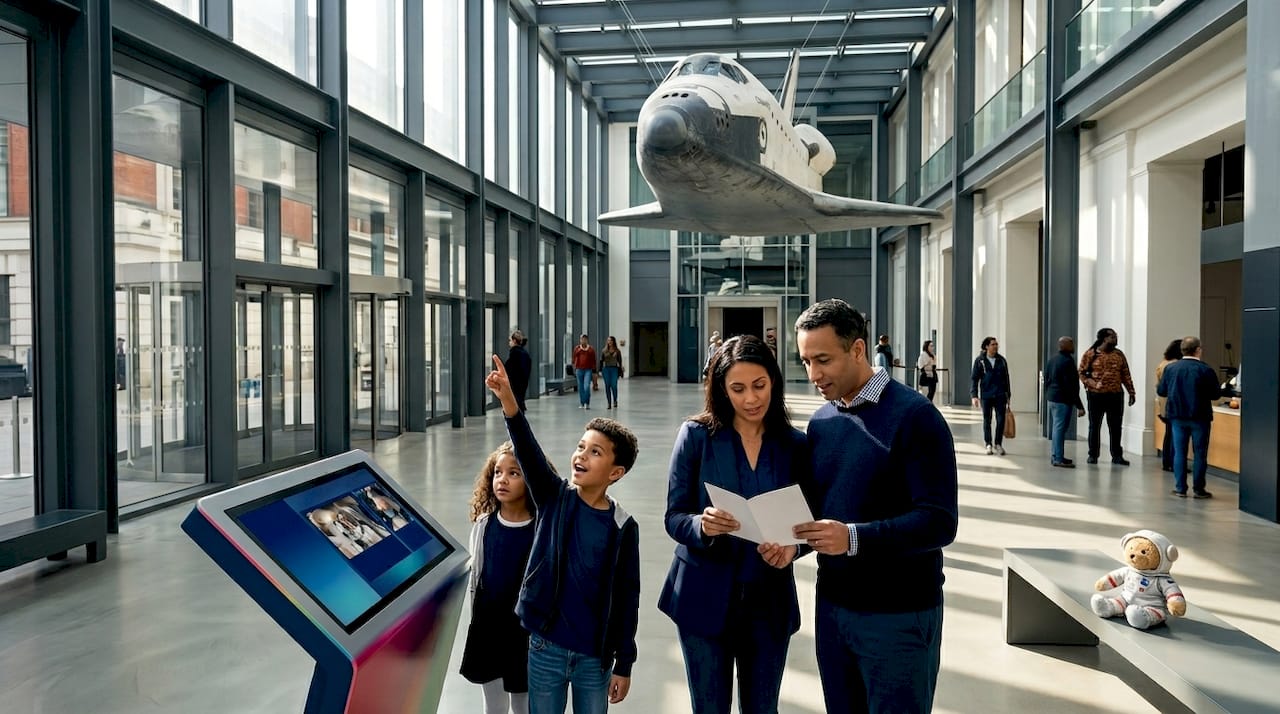
Timing matters enormously. Last entry at the Natural History Museum is at 17:30, and staff begin asking visitors to leave up to 20 minutes before closing. That means arriving after 16:30 for a free walk-through leaves you with under an hour to see the permanent collection properly. Plan to arrive by 10:30 for a full visit.
Here is a practical approach to getting the most from London’s major museums:
- Pre-book ticketed exhibitions online at least a week in advance, especially during school holidays. Popular shows sell out, and disappointment at the door is common.
- Combine free and paid content on the same visit. Start with a paid temporary exhibition while you are fresh, then explore the permanent galleries before you leave.
- Check accessibility options before you go. Most major institutions offer quieter visiting sessions and audio-described tours.
- Eat before you arrive or bring your own food. Museum cafés are expensive and often crowded. Spending 45 minutes queuing for lunch wastes valuable cultural time.
- Buy a catalogue for exhibitions you love. They are written by curators and contain context and images that outlast the experience itself.
The Zurbarán exhibition at the National Gallery is a compelling example of a ticketed show that earns its price. Francisco de Zurbarán remains one of the least-known giants of the Spanish Golden Age, and this is one of the largest collections of his work ever assembled outside Spain. It offers the kind of slow, concentrated encounter with great painting that no digital reproduction can replicate.
Pro Tip: Explore the top London museums and galleries guide for a curated list of institutions worth combining on a single day out. And if you want to sidestep the crowds entirely, the hidden cultural gems guide points you towards genuinely undervisited spaces with serious collections.
Historic landmarks and spiritual sites central to London’s cultural heritage
Beyond museums and theatres lies London’s rich historical and spiritual heart. These are not just photo opportunities. They are places where centuries of real history are embedded in the stone itself.
Westminster Abbey stands apart from every other landmark in the city. It is a royal church and World Heritage Site with over a thousand years of continuous history, and it has been the location of every coronation since 1066. You are not looking at history from the outside here. You are standing in it.
Key reasons to include Westminster Abbey in your best cultural sites in London itinerary:
- Architectural depth: The building blends early Gothic from the 13th century with later additions through to the 16th century, creating a visual record of how English ecclesiastical architecture evolved over 400 years.
- Historic artefacts and tombs: The Abbey holds memorials to monarchs, poets, scientists, and statesmen. Poets’ Corner alone rewards an hour of quiet reading and reflection.
- Royal ceremonies: Coronations, royal weddings, and state funerals have all taken place here. That ongoing ceremonial function makes it a living institution, not a museum.
- Daily services: Attending Choral Evensong is free and offers one of the most atmospheric cultural experiences available anywhere in London. The choir, the architecture, and the liturgy combine into something that secular guided tours simply cannot replicate.
Pro Tip: Visitor ticket entry to Westminster Abbey is ticketed and timed. But Choral Evensong, held on most weekdays at 17:00, is free to attend and requires no booking. It is one of the genuinely unmissable experiences in London that most tourists walk past without realising it is available.
Avoid peak visitor windows between 11:00 and 14:00 on weekdays if you want meaningful time with the monuments rather than a slow shuffle through crowds. Early morning entry, shortly after opening, gives you a qualitatively different experience in every sense.
Comparing London’s cultural experiences: what suits your trip best?
To help you decide, here is a practical comparison of London’s cultural experience types tailored to different visitor priorities.
| Experience type | Typical cost | Duration | Best for | Booking required? | Transport access |
|---|---|---|---|---|---|
| Immersive performances | £25–£100 | 90 min to 2.5 hrs | Adults, couples, groups | Yes, advance | Central or well-connected |
| Major museums (free entry) | Free to £25 | Half to full day | All ages | Recommended | Excellent |
| Historic landmarks | £20–£30 | 2 to 3 hours | All ages | Yes for ticketed | Central |
| Temporary exhibitions | £15–£30 | 1 to 2 hours | Adults, enthusiasts | Yes, advance | Excellent |
| Orchestral concerts | £20–£65 | 2 hours | Adults, music lovers | Yes, advance | Good |
A few observations that comparison tables cannot fully capture:
- Immersive performances are highest risk and highest reward. The wrong show for the wrong audience feels like a waste of an evening; the right one becomes the memory you talk about for years.
- Free museums are the most forgiving option. You can arrive without a fixed agenda and follow your curiosity. They are also the safest choice when travelling with children.
- Historic landmarks reward visitors who do their reading beforehand. Arriving at Westminster Abbey knowing who is buried there makes it three times as powerful.
- Temporary exhibitions are the most time-sensitive. Immersive experience prioritisation around value and timing applies here too, so check end dates and book early.
For visitors planning just a few days, the ultimate 3 day London itinerary balances these experience types into a realistic and genuinely satisfying schedule.
Beyond the usual: fresh perspectives on immersing yourself in London culture
Most guides tell you to visit the British Museum, catch a West End show, and call it cultural. That is not wrong. But it is the surface. Here is what years of observing how visitors actually experience London has taught us.
Free admission does not mean free time. The Natural History Museum’s no-charge entry policy is wonderful, but visitors consistently underestimate how much the last-entry timing shapes the experience. Arriving at 16:30 thinking you have the evening does not work. You have about 40 usable minutes. Plan your arrival as deliberately as you would for a ticketed show.
Paid exhibitions often deliver more, not less, than free galleries. The curation in a temporary show is tighter. The interpretive material is deeper. The visitor flow is managed. People skip them to save £15 and then wonder why their museum visit felt rushed and thin. The Zurbarán show at the National Gallery is a good example of exactly what a well-funded temporary exhibition can do that a permanent collection rarely achieves on its own.
Booking fees are worth scrutinising. The Southbank Centre booking details are a good model for what to check across all performance venues. In-person booking, membership benefits, and direct venue websites frequently offer fee-free options that third-party ticketing platforms do not. On a pair of tickets, that can mean a £12 difference for the same seats.
Popularity is the wrong filter for unique experiences in London. The shows and sites that dominate every listicle are popular because they market themselves well, not always because they deliver the most culturally meaningful experience. Some of the most rewarding London cultural activities are in smaller theatres, community-led galleries in Peckham and Dalston, and independent music venues that receive no mainstream coverage. The hidden London guide identifies several of these properly.
Match the experience to the audience, not the algorithm. A show that earns perfect reviews among 30-something Londoners may be entirely wrong for a couple visiting from abroad who are less familiar with the cultural references. Read the content descriptions carefully, not just the star ratings.
The visitors who get the most from London’s cultural scene are not the ones who tick the most boxes. They are the ones who choose fewer experiences and engage with each one fully.
Plan your London cultural journey with expert guides
Ready to turn this cultural experiences list for London into an actual trip? The London Vacation Guide has the tools to make that happen without the usual planning headaches. Start with the essential guide for first-time visitors to build a realistic framework around your time and interests, whether you have two days or two weeks. If your itinerary includes performances or museums in the West End, the Covent Garden neighbourhood guide covers where to eat, drink, and stay nearby. Heading to the British Museum or the Wellcome Collection? The Bloomsbury neighbourhood guide maps out everything in walking distance, from independent bookshops to excellent pre-show dining. Every guide is written with the same intention as this article: to save you time and help you experience London at its best.
Frequently asked questions
Is admission to London museums like the Natural History Museum always free?
General admission is free to the Natural History Museum and its permanent displays, but some special exhibitions and events require separate tickets.
What is the best way to save on booking fees for Southbank Centre performances?
Booking in person at the venue box office, or via certain membership schemes, typically avoids the online and phone booking surcharges that can add several pounds per ticket.
When is the best time to arrive before immersive performances start?
Arriving 45 minutes before showtime is the reliable rule. At the Southbank Centre, doors open at 6:45pm for 7:30pm performances, giving audiences time to settle before the show begins.
Are there quiet or relaxed visiting sessions at major exhibitions?
Yes. The Zurbarán exhibition at the National Gallery includes a dedicated relaxed session designed for visitors who benefit from a calmer, less crowded environment.
Recommended
- London’s top must-see places for unforgettable visits - The London Journal | London Vacation Guide
- Top 10 Things to Do in London for First-Time Visitors - The London Journal | London Vacation Guide
- How London festivals shape culture, community and tourism - The London Journal | London Vacation Guide
- Explore the best London neighbourhoods for locals - The London Journal | London Vacation Guide