How to save money in London: a practical guide
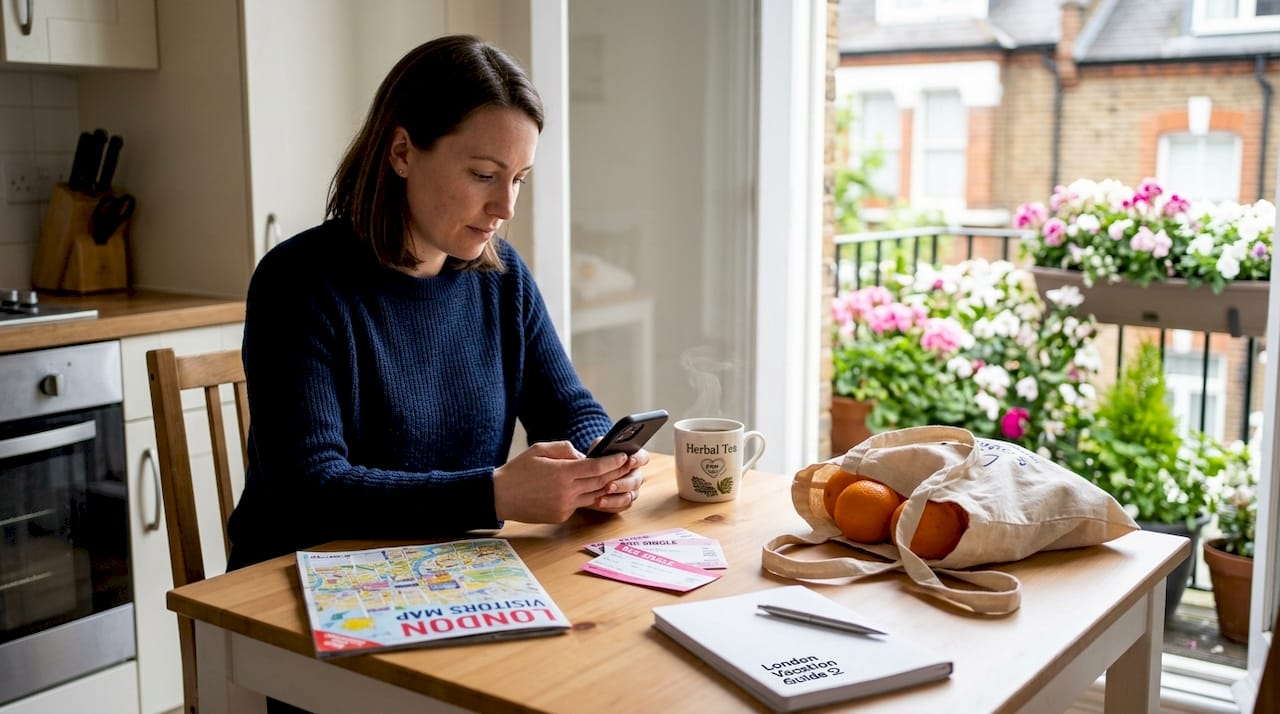
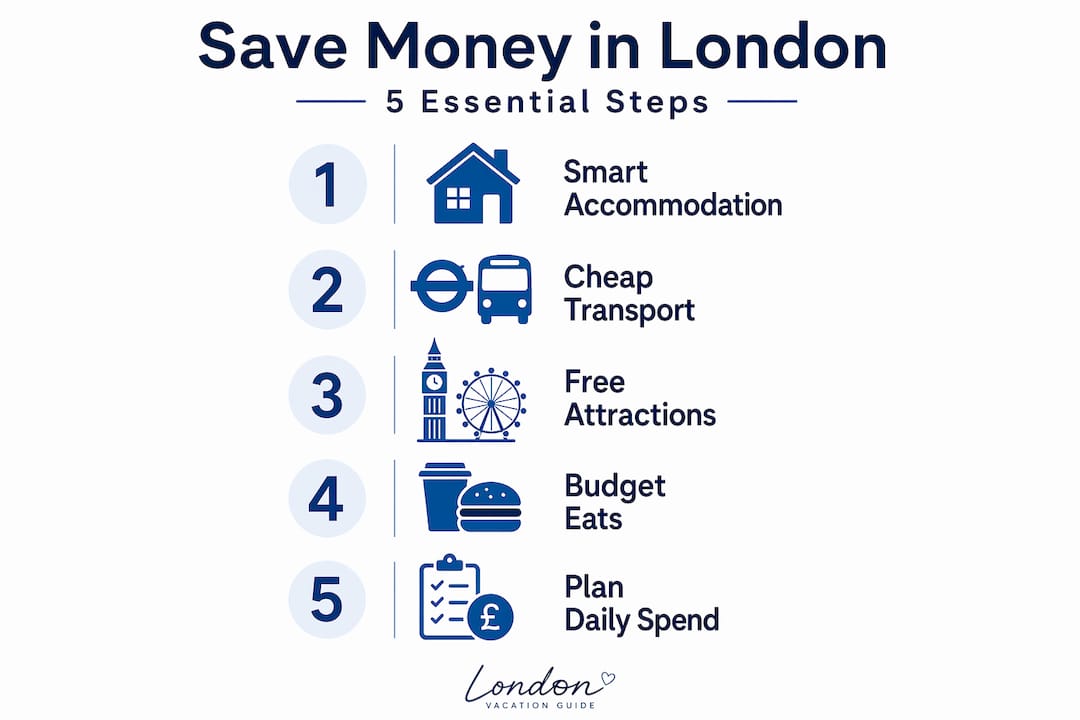
London has a reputation for draining your wallet before you’ve even left the airport, and in some ways it earns that reputation. But knowing how to save money in London can genuinely transform what feels like an expensive trip into an affordable one without sacrificing a single highlight. The difference almost always comes down to preparation. Choose the wrong payment card on the Tube, book a cheap hotel three zones out, or wander into a tourist-trap restaurant near Leicester Square, and you’ll feel every penny going. This guide covers accommodation, transport, attractions, and dining, with the specific detail you need to spend less and see more.
Table of Contents
- Key takeaways
- How to save money on accommodation in London
- Getting around London without overpaying
- Saving money on London’s best attractions
- Eating affordably without eating badly
- Creating a practical London travel budget
- My honest take on saving money in London
- Plan your London trip with Londonvacationguide
- FAQ
Key takeaways
| Point | Details |
|---|---|
| Location beats nightly rate | A hotel near a central Tube station saves transport fares and time, often costing less overall. |
| One card, one journey | Using the same contactless card or Oyster for every TfL tap unlocks daily fare capping. |
| Book free museums early | Free entry at places like the Natural History Museum requires pre-booking timed tickets in advance. |
| Supermarket meal deals | Lunch from a UK supermarket costs as little as £3.50 with a loyalty card, far below café prices. |
| Plan attractions by zone | Group nearby free and paid sights together to cut extra Tube journeys and daily transport spend. |
How to save money on accommodation in London
The first mistake most travellers make is shopping purely on nightly rate. A £90 room in Zone 4 might look cheaper than a £130 room in Zone 2, but once you add two return Tube journeys per day, an Oyster top-up, and an hour of lost time each way, the maths often reverses. Choosing accommodation near transit is more cost-effective overall than cheaper hotels far from Tube lines because of saved transport time and fare.
When comparing hotels, look beyond the headline figure. Some central properties include free breakfast, Wi-Fi, and no resort fee, which can add £15 to £25 per person per day in value. Others advertise low rates and then add tourist taxes, mandatory parking fees, or paid Wi-Fi at checkout. The real comparison is total cost for the stay, not the nightly number.
Where to look for good-value locations:
- Zones 1 and 2 near multiple Tube lines: Areas like Bethnal Green, Stockwell, Elephant and Castle, and Vauxhall sit within Zone 2 yet offer noticeably cheaper hotels than Soho or Covent Garden while staying well connected.
- Victoria and Pimlico: Victoria is served by the District, Circle, and Victoria lines as well as National Rail and coach services, making it one of the best-value central locations for keeping transport spend low.
- Hostels and apart-hotels: London hostels in central areas now regularly offer private rooms, and apart-hotels with kitchenettes allow self-catering, which cuts daily food costs significantly.
- Midweek stays: Hotel pricing in London drops noticeably from Sunday to Thursday compared to weekend rates. If your trip is flexible, shifting arrival to a Sunday night and departure to a Friday morning can save 20 to 30 per cent on the same property.
Pro Tip: Always calculate your accommodation shortlist by adding estimated daily transport costs to the nightly rate. A hotel that is a ten-minute walk from a Zone 1 station and includes breakfast will frequently beat the headline cheapest option once you account for the full picture.
Research at least three to five properties across different areas before booking. Check whether free cancellation is available, as London hotel rates can drop in the final two weeks before arrival, particularly for midweek stays outside the summer peak.
Getting around London without overpaying
Transport is one of the easiest areas to save on, yet it is also one of the most common places travellers lose money through small, avoidable errors.
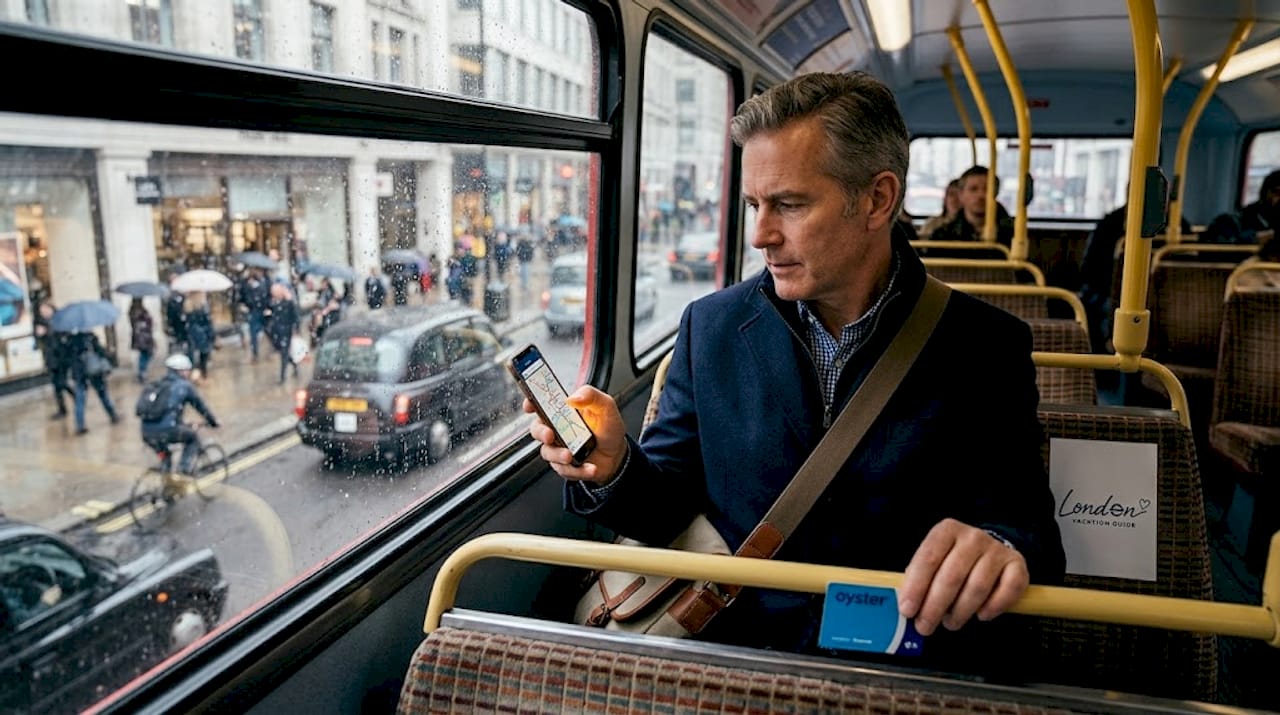
The foundation of cheap travel on the London Underground, Overground, Elizabeth line, and buses is using either a contactless debit or credit card, or an Oyster card, for every single journey. The critical detail is consistency. TfL’s fare capping applies when you use the same card or device for all journeys in a day. If you tap in with your Visa card and tap out with your phone’s digital wallet, those trips are treated as separate payment methods and the cap does not apply.
A further risk is “card clash,” where your contactless bank card and an Oyster in the same wallet both register when you tap. Keep them in separate pockets or use a dedicated card slot to avoid being charged on the wrong one.
Bus and tram travel
For bus and tram journeys, the Hopper fare allows unlimited journeys within one hour for £1.75. This means you can change buses or trams once (or multiple times) within that hour window for no extra charge. Bus and tram fares are currently frozen, making this one of the best-value ways to move around the city, particularly for distances that don’t justify the Tube.
Fare comparison by travel time
| Journey type | Peak fare (Zone 1–2) | Off-peak fare (Zone 1–2) | Bus/tram single |
|---|---|---|---|
| Tube single (contactless) | £2.80 | £2.70 | £1.75 |
| Daily cap (Zone 1–2) | £8.10 | £8.10 | N/A |
| Weekly cap (Zone 1–2) | £40.70 | N/A | N/A |
Peak hours on the Tube run from 06:30 to 09:30 and 16:00 to 19:00 on weekdays. Travelling just outside those windows saves money on every single Tube journey. If your sightseeing itinerary is flexible, planning major crosstown trips before 9:30 or after 19:00 adds up meaningfully across a week.
When changing between certain lines at stations with multiple operators, look for the pink card readers rather than the standard yellow ones. Using a pink reader when transferring between National Rail and TfL services in specific stations helps you avoid being charged for a separate journey.
Key transport saving tips:
- Use one card or device exclusively. Never split journeys between payment methods.
- Take the bus for short distances. The Hopper fare makes two-bus trips cost the same as one.
- Travel off-peak wherever possible, particularly for longer Tube journeys across zones.
- Check your journey history on the TfL app after each day to confirm fare capping is applying correctly.
- For stays of a week or longer, a weekly Travelcard can offer better value than pay-as-you-go daily caps.
Pro Tip: Keep your contactless payment card physically separate from your Oyster card at all times. Card clash, where both cards register when you tap, is a surprisingly frequent cause of unexpected charges and a forfeited daily cap.
Saving money on London’s best attractions
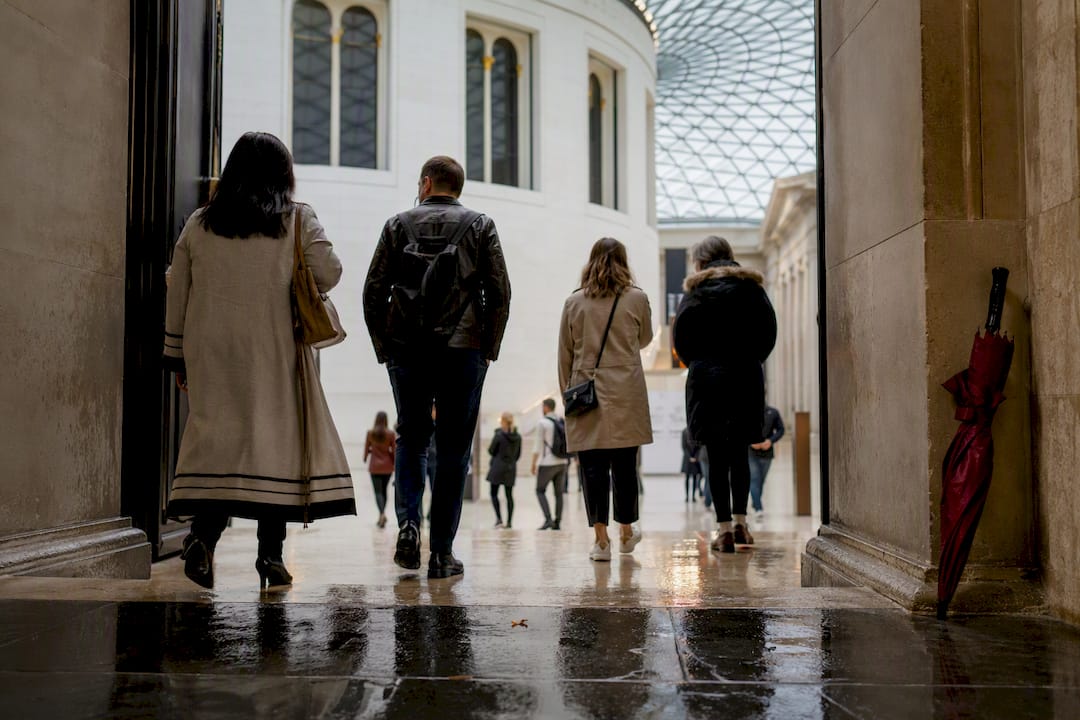
Here is something most travellers don’t fully believe until they’re standing in front of a world-class exhibit: a large number of London’s most prestigious museums and galleries are entirely free to enter. The Natural History Museum and the National Gallery both offer free general admission, as do the British Museum, the Victoria and Albert Museum, the Science Museum, Tate Modern, and the National Portrait Gallery.
The catch is that “free” does not mean “just turn up.” Free timed-entry tickets must be pre-booked at the Natural History Museum, particularly during school holidays, summer, and weekends. Walk-ins are only admitted if capacity allows, which is not guaranteed on busy days. The same applies at the National Gallery, where booking a free ticket online gets you fast-track entry and email updates. Treat free ticket booking with the same urgency you’d apply to a paid reservation.
Free and low-cost experiences worth building your itinerary around:
- Borough Market (London Bridge): One of the best food markets in Europe. Free to walk through, and tasting samples from traders is entirely normal. A meal here can be had for well under £10.
- Southbank riverside walk: The stretch from Westminster Bridge to Tower Bridge is a free cultural corridor. Street performers, public art, outdoor cafés, and views across the Thames cost nothing.
- Hyde Park, Regent’s Park, and Victoria Embankment Gardens: London’s royal parks are free, beautifully maintained, and excellent for a picnic lunch bought from a nearby supermarket.
- Tate Modern’s permanent collection: Free entry, with one of the strongest permanent modern and contemporary art holdings in the world.
- Brick Lane and Spitalfields Market: Free to explore, excellent street food, independent shops, and genuine neighbourhood character.
Discount passes such as the London Pass can offer savings on paid attractions, but they are only worth the investment if you plan to visit three or more paid sights in a single day. Many travellers buy a pass and then discover most of what they want to see is already free.
Pro Tip: Check Londonvacationguide’s free things guide before finalising your itinerary. Dozens of excellent, free experiences are easy to miss when you are planning from overseas.
Eating affordably without eating badly
Food costs in London are real, but the city’s extraordinary culinary diversity is actually your greatest ally. The most affordable and most interesting food is almost never found in the obvious tourist zones.
Supermarket meal deals are a practical and underrated tool for budget travel in London. UK supermarket meal deals range from around £3.50 to £5 for a main, a snack, and a drink. The cheapest options use loyalty cards: Co-op’s meal deal costs £3.50 with a membership card, Tesco’s runs at approximately £3.60 to £3.85 with a Clubcard, and Boots offers one at around £3.75. For a two-week trip, replacing just half your lunches with supermarket deals saves a significant amount compared to café prices.
Where to eat affordably and well:
- Brick Lane, Whitechapel, and Bethnal Green: This corridor has some of the cheapest and most authentic Bangladeshi and South Asian food in Europe. A curry, rice, and bread for under £8 is entirely achievable.
- Chinatown (Gerrard Street): The restaurants here are competitively priced, largely because they compete directly with each other. Set lunch menus at several restaurants come in under £10 per person.
- Pub lunches: Most traditional London pubs serve a roast on Sundays and a changing lunch menu midweek. Prices are generally £10 to £14 for a main, which undercuts nearby restaurants considerably.
- Covered markets and food halls: Maltby Street Market in Bermondsey, Leather Lane in Farringdon, and Exmouth Market in Clerkenwell offer street food at prices well below restaurant levels.
Avoid restaurants on the immediate perimeter of major tourist sites. The cafés within fifty metres of the Tower of London, Covent Garden piazza, or Camden Lock charge a premium purely for location. Walk one street back and prices drop noticeably.
Pro Tip: Pret a Manger, Leon, and Itsu all have afternoon markdown deals on food nearing end-of-day. If you are flexible about timing, arriving between 16:30 and 18:00 can get you a quality hot meal or sushi box for roughly half price.
Creating a practical London travel budget
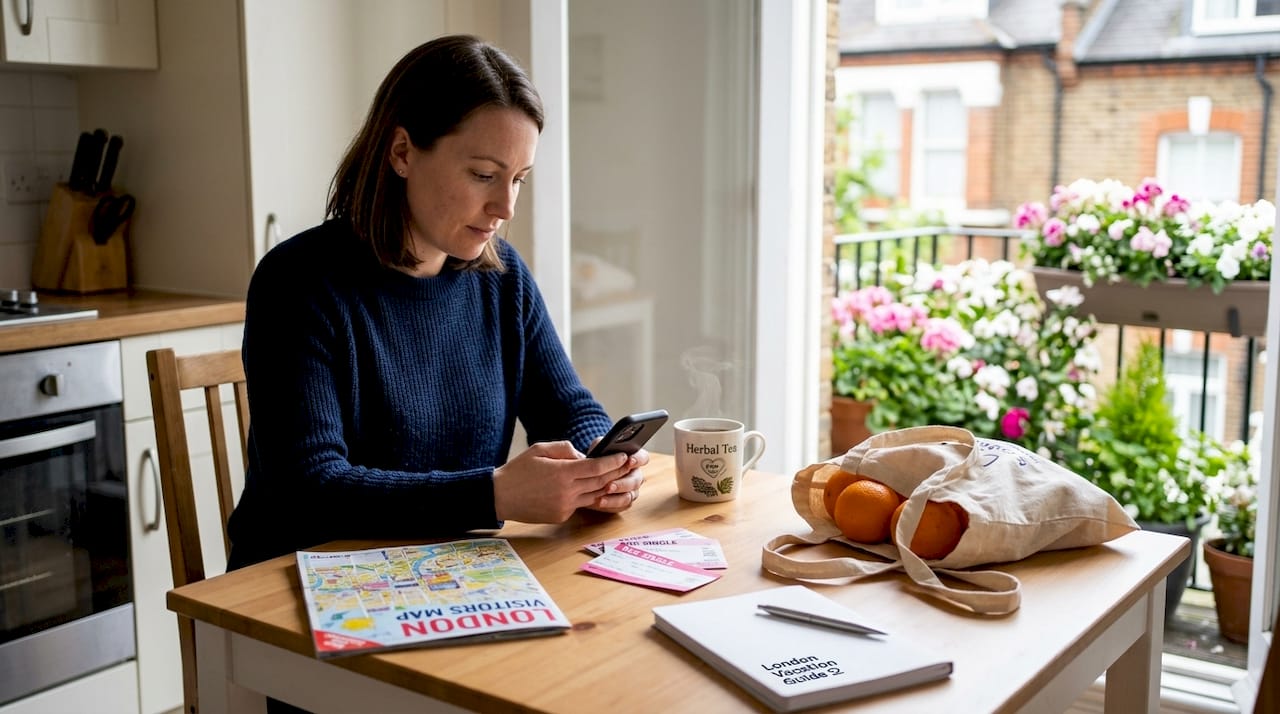
Knowing how to create a London travel budget before you arrive prevents the slow, demoralising drip of overspending. Here is a practical framework you can apply.
-
Set your daily budget by category. Accommodation is typically the largest single cost. After that, allocate roughly £8 to £10 per day for transport (using Zone 1–2 fare caps), £15 to £25 for food depending on whether you self-cater for some meals, and a discretionary amount for activities, with the understanding that many of your best days will cost very little on attractions.
-
Book accommodation and free museum tickets together. These have the longest lead times. For summer visits, popular museum slots and affordable central hotels fill up months in advance. Use the same day to sort both.
-
Map your sightseeing by geography. Group everything in a neighbourhood or area into one day. Travelling from south to north to east and back again is how transport costs balloon. The NY Times 2025 travel budget guidance specifically recommends mixing free museums with affordable activities like markets to reduce daily expenses.
-
Check your TfL journey history daily. Log into the TfL app or website each evening to confirm your fare capping applied correctly. Catching a missed tap-out or an incorrect card charge immediately is far easier than disputing it weeks later.
-
Leave a 10 per cent contingency in your budget. London has genuinely unexpected costs: a last-minute theatre ticket on TKTS, a spontaneous boat trip on the Thames, or a great independent bookshop. Building in flexibility means you say yes to those things without guilt.
-
Research free events before you go. Many of London’s best seasonal events, from the free Notting Hill Carnival to outdoor cinema screenings and park concerts, cost nothing. A budget travel itinerary built around free events can significantly reduce your discretionary spend.
The most common budgeting pitfall is underestimating food costs and overestimating how much paid entertainment you actually need. London’s free offer is extraordinary. The travellers who leave having spent the least are often the ones who simply planned which days to visit which free museums, bought their lunches from Tesco, and walked everywhere within thirty minutes of each other.
My honest take on saving money in London
I’ve seen a lot of first-time visitors to London fall into the same trap. They research accommodation for weeks and then lose £40 in unnecessary Tube fare in the first three days because they didn’t know about fare capping or card clash. The small operational details of London’s transport system have a disproportionate impact on total spend, and they are almost never explained clearly when you book a trip.
My best savings in London have never come from finding the cheapest hotel room. They’ve come from eating a £4 curry in Whitechapel, spending a free afternoon at the V&A, and watching the Changing of the Guard without paying a penny. The real advantage London offers budget travellers is its sheer density of excellent free experiences. Most cities at this level charge you at every door. London does not.
What I’d push back on is the idea that mixing free and paid experiences means compromising on quality. The Natural History Museum and Tate Modern would command £25 admission fees in almost any other major city. The fact that they’re free does not make them lesser experiences. It makes London, somewhat surprisingly, one of the more forgiving cities in Europe for budget travel.
The single change I’d recommend above all others: decide on your payment method before you arrive, load your Oyster or contactless card, and never deviate. That one habit alone saves the average visitor meaningfully across a week.
— Matt
Plan your London trip with Londonvacationguide
If you’re working through your first London itinerary, the first-time visitors guide on Londonvacationguide is a practical starting point. It maps out day-by-day recommendations that balance must-see sights with free and low-cost options, so you are not inadvertently spending money you don’t need to. For accommodation research, the London neighbourhood guides break down every major area by transport links, atmosphere, and the kind of dining and lodging you can expect at different price points. Whether you are considering Victoria’s transport connections, the character of Bethnal Green, or the access that Vauxhall offers, those guides give you the full picture. And when you are planning where to eat without paying restaurant prices, the Borough Market Kitchen listing is worth bookmarking for your first full day in the city.
FAQ
What is the cheapest way to get around London?
Bus travel using the Hopper fare is the cheapest option at £1.75 for unlimited journeys within one hour. For longer distances, contactless payment on the Tube with a daily fare cap of £8.10 in Zones 1 to 2 offers excellent value.
Are London museums really free?
Yes. Major institutions including the Natural History Museum, the British Museum, and the National Gallery offer free general admission. However, you should pre-book free timed tickets in advance, as walk-in access is not always guaranteed during busy periods.
How much should I budget per day in London?
A realistic daily budget for a traveller using public transport, visiting mostly free attractions, and eating a mix of supermarket and affordable restaurant meals is approximately £50 to £70 per person, excluding accommodation.
How can I avoid paying too much for food in London?
Use UK supermarket meal deals for lunch, which cost as little as £3.50 with a loyalty card, and choose neighbourhood restaurants in areas like Whitechapel or Chinatown for evening meals. Avoid restaurants immediately surrounding major tourist sites.
Does it matter which card I use on London transport?
Yes. You must use the same payment method for every journey to benefit from daily fare capping. Mixing cards or devices means TfL treats each tap separately, and your cap may not apply, costing you significantly more across a full day of travel.
Recommended
- How to explore London on a budget: insider tips - The London Journal | London Vacation Guide
- How to explore London on a budget: tips for 2026 - The London Journal | London Vacation Guide
- How to experience London like a local: your essential guide - The London Journal | London Vacation Guide
- Streamline your London sightseeing: efficient workflow guide - The London Journal | London Vacation Guide