Top 10 Day Trips from London: The Definitive 2026 Guide
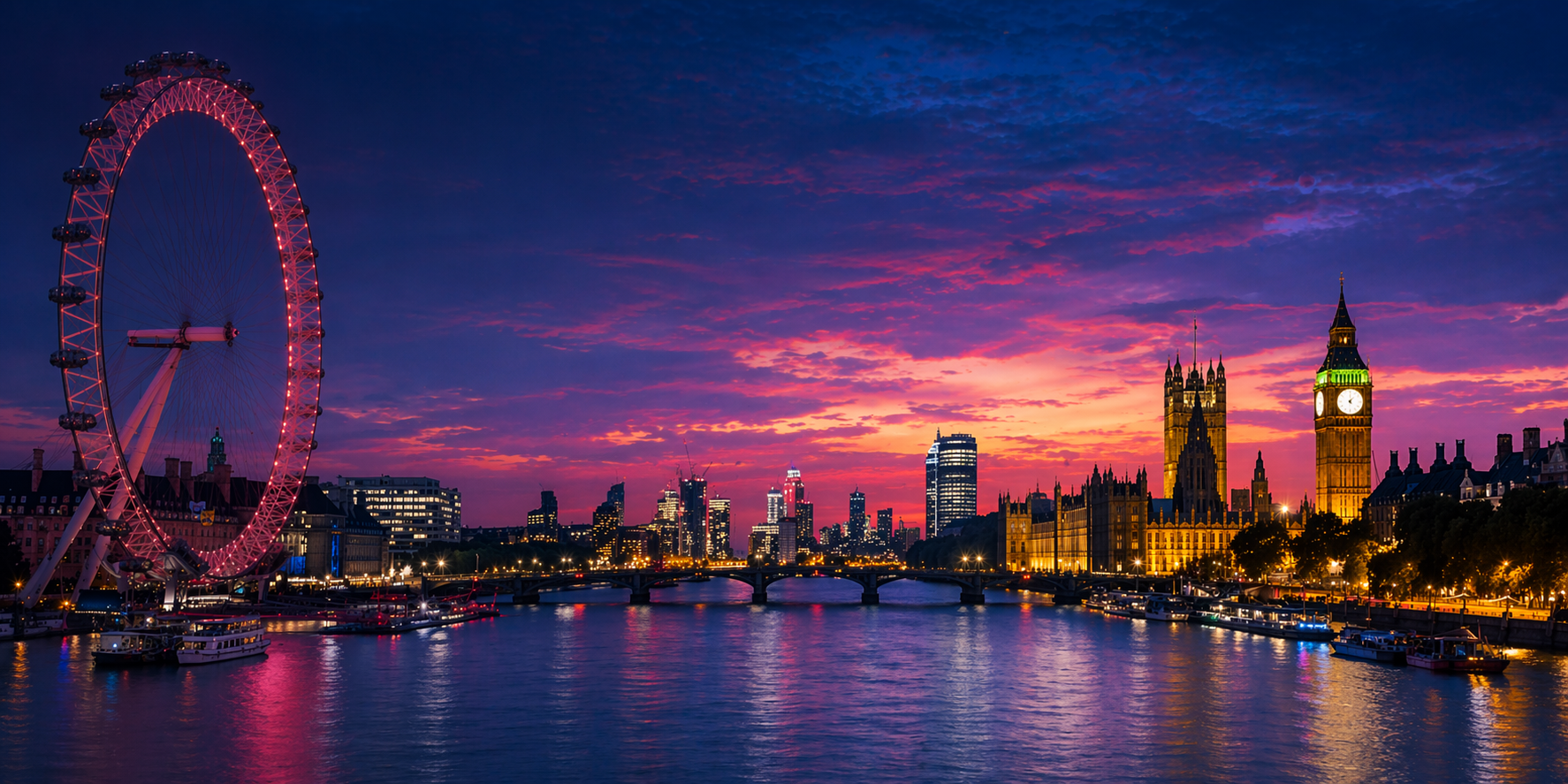
London is one of the world's most exciting cities, but every Londoner knows the feeling: the weekend arrives, the crowds thicken, and you need to be somewhere else — ideally somewhere with cobblestones, coastline, or a cathedral spire. The good news is that London sits at the heart of one of the most richly endowed day-trip regions in Europe. Oxford's dreaming spires, Bath's Roman thermal springs, Brighton's seaside energy — all reachable without an overnight bag.
This guide covers the ten best day trips from London in 2026, ranked by travel time, cost, and what you will actually experience when you get there. Prices are for off-peak day return train tickets unless noted.
Quick Reference: Travel Times and Costs
| Destination | Travel Time | Approximate Cost | Best For |
|---|---|---|---|
| Oxford | 50 min | From £22 return | Architecture, academic history, pubs |
| Cambridge | 50 min | From £22 return | University colleges, cycling, punting |
| Brighton | 65 min | From £16 return | Beach, nightlife, art galleries |
| Windsor Castle | 30 min | From £14 return | Royal history, family-friendly |
| Bath | 90 min | From £35 return | Roman history, Georgian architecture, spa |
| Hampton Court Palace | 30 min | From £10 return | Tudor history, gardens, maze |
| Canterbury | 60 min | From £25 return | Medieval cathedral, historic streets |
| Stonehenge | 120 min by bus | From £40 coach tour | Ancient history, UNESCO site |
| Stratford-upon-Avon | 120 min | From £35 return | Shakespeare, Tudor England |
| Cotswolds (Bibury) | 90 min | From £30 return + local bus | Scenery, honey-coloured villages, walks |
1. Oxford — 50 minutes from London Paddington
Oxford is the fastest university-city escape from London, and it is also the most architecturally dramatic. The dreaming spires — those copper-green dome silhouettes you see on every postcard — belong to institutions founded before the Norman Conquest. Christ Church, Trinity, and Balliol together form one of the most extraordinary collections of medieval and neoclassical architecture in Europe, all within a city small enough to walk end to end in an hour.
The Radcliffe Camera, the circular 18th-century library that sits at the heart of the Bodleian complex, is the single most photographed building in Oxford. You cannot enter it, but you can tour the Bodleian Library itself — the Divinity Schools are genuinely breathtaking, and Harry Potter fans will recognise the Duke Humfrey's Library from the films.
Oxford is also one of the best university cities in Britain for pubs. The Bear Inn on Alfred Street has been pulling pints since the 16th century. The Head of the River pub at Folly Bridge is the right answer on a warm day. The city is at its best in late spring when the college gardens are in bloom and the tourists have thinned out slightly.
- Getting there: GWR from London Paddington to Oxford, 50 minutes. Off-peak return from £22.
- Must-see: Christ Church (entry £15), Radcliffe Camera (exterior), Bodleian Library tours (from £8), Ashmolean Museum (free).
- Pro tip: Visit Christ Church on a weekday. Weekend queues for the college can stretch to 90 minutes. Book Christ Church entry online in advance.
2. Cambridge — 50 minutes from London King's Cross
Cambridge and Oxford are forever being compared, and the honest answer is that Cambridge wins on the river and Oxford wins on the pubs. King's College Chapel — completed in 1531 and described by John Ruskin as one of the three most beautiful buildings in the world — is the single most impressive piece of architecture south of the Scottish border. The perpendicular Gothic fan vaulting in the chapel interior is unlike anything else in Britain.
The other essential Cambridge experience is a punt along the Backs — the river views of the colleges from the water are genuinely magical in the late afternoon. You can hire a punt self-drive (£20 per hour) or take a guided tour (£16). The path through the colleges is equally good on foot; Trinity College's Great Gate and King's Parade are the highlights.
Like Oxford, Cambridge works best outside the school holiday peak. October and November see the fewest visitors and the best light.
- Getting there: Great Northern or Thameslink from London King's Cross to Cambridge, 50 minutes. Off-peak return from £22.
- Must-see: King's College Chapel (£12 entry), punting on the Cam (£16 guided), Trinity College (£10), Fitzwilliam Museum (free).
- Pro tip: A combined King's College + punting ticket offers the best Cambridge experience for around £28. Book online to skip the queues at King's.
3. Brighton — 65 minutes from London Victoria
Brighton is the easiest seaside escape and the most characterful. The 65-minute train from London Victoria deposits you right in the heart of a city that has always prided itself on being different — the Regency architecture, the independent shops, the fierce political character, the excellent food scene. There is no other British seaside town quite like it.
The Palace Pier is Brighton at its most unapologetically fun — a Victorian pier that still does what Victorian piers do best, which is serve fish and chips, hand out prizes for bad aiming, and let you walk out over the sea until you reach the amusement arcade at the far end. The Lanes, a tangled web of narrow streets behind the seafront, contain some of the best independent shops in the south of England.
Brighton also has serious cultural weight. The Brighton Pavilion, the former royal palace with its Indo-Saracenic interior, is one of the most photographed buildings in Britain. Brighton Museum and Art Gallery has an excellent fashion collection, and Duke of York's Picturehouse — Britain's oldest cinema — has been showing films since 1806.
- Getting there: Southern from London Victoria to Brighton, 65 minutes. Off-peak return from £16 — one of the best-value train journeys in the country.
- Must-see: Brighton Palace Pier (free to enter), Royal Pavilion (£20), The Lanes (free to wander), Brighton Sea Life Centre (£16).
- Pro tip: Walk the full length of both piers and you have covered about two miles of seafront. Combine with fish and chips from Brighton's best chippies.
4. Windsor Castle — 30 minutes from London Waterloo
Windsor is the closest royal destination to London and the most satisfying for a half-day trip. The castle — the oldest and largest continuously inhabited royal residence in the world — has been on this spot since the 11th century. The State Apartments contain one of the world's great art collections, and the precision of the Changing of the Guard ceremony (daily at 11am, except Sundays) is genuinely impressive.
Windsor town itself is worth an hour on its own. The cobbled streets around the castle's base are packed with antique shops, decent pubs, and good coffee. The Long Walk — the three-mile tree-lined avenue that runs from the castle to the Copper Horse statue — is one of the finest ceremonial approaches in England.
For children, Windsor is almost unbeatable. The castle, the horses, the Changing of the Guard, the river — it all adds up to a day that feels eventful without requiring much planning.
- Getting there: South Western Railway from London Waterloo to Windsor & Eton Riverside, 30 minutes. Off-peak return from £14.
- Must-see: Windsor Castle State Apartments (£31.50 adults), St George's Chapel, Changing of the Guard (daily 11am), Windsor Great Park.
- Pro tip: The castle grounds and the Long Walk are free to explore, even without a castle ticket. If time is short, walk the Long Walk and photograph the castle from the Copper Horse end — it is the view you see on all the postcards.
5. Bath — 90 minutes from London Paddington
Bath is the most complete day trip from London. The city has been a tourist destination for two thousand years — the Romans built their baths here in the 1st century AD because the water rises at 46 degrees Celsius and is naturally mineral-rich — and it remains one of the most beautifully preserved cities in Britain. The Georgian crescents and terraces that climb the hillsides above the river Avon are among the most photographed pieces of architecture in the world.
The Roman Baths themselves are genuinely extraordinary — not just the remains of the Roman temple and bathing complex, but the 18th-century Pump Room where visitors once came to drink the spa water. The Thermae Bath Spa, Britain's only naturally warm mineral spa, allows you to experience the thermal springs yourself (session from £40, rooftop pool with cathedral views).
The Royal Crescent — the sweeping curved row of Georgian townhouses designed by John Wood the Younger in 1767 — is Bath's most photographed view. The building at number 1 is now a museum showing what an original Georgian house looked like, complete with authentic furnishings and fixtures.
- Getting there: GWR from London Paddington to Bath Spa, 90 minutes. Off-peak return from £35.
- Must-see: The Roman Baths (£27 adults, book ahead), Bath Abbey (free entry), Royal Crescent (exterior, free), Thermae Bath Spa (£40 for 2 hours).
- Pro tip: Bath is one of Britain's best food cities. The Bath Bun — a saffron-enriched bread roll — is unique to the city and available at most bakeries. For a sit-down meal, The Circus restaurant near the Royal Crescent is consistently excellent.
6. Hampton Court Palace — 30 minutes from London Waterloo
Hampton Court is the easiest of London's major historical attractions to reach by public transport, and for Tudor history enthusiasts it is unmissable. Henry VIII's palace — altered dramatically by Christopher Wren for William III and Mary II — contains some of the finest Baroque interiors in Britain alongside intact Tudor chambers. The Great Hall, with its 16th-century tapestries still hanging in their original positions, is one of the most atmospheric rooms in England.
The Maze in the palace gardens is the feature that brings children back. Laid out in the early 18th century, it covers a third of an acre and takes most adults 20 minutes to solve. The gardens — including the semi-wild Wilderness and the ornamental Fountain Garden — are at their best in late spring and early summer.
What makes Hampton Court distinctive is the layering: you move from Henry VIII's private chambers through to the State Apartments that Wren built for William and Mary, and the contrast between Tudor and Baroque taste makes each era more vivid. The kitchens — still showing the original layout from the 1520s — are particularly good.
- Getting there: South Western Railway from London Waterloo to Hampton Court, 30 minutes. Off-peak return from £10 — the cheapest train journey on this list.
- Must-see: The Great Hall, Tudor Kitchens, the Chapel Royal, the State Apartments, the Maze (£2.50 additional fee), the Fountain Garden.
- Pro tip: The free area around the palace (including the river frontage, the Tiltyard Café gardens, and the views across the Thames) is accessible without a ticket. Cross the bridge to the opposite bank and photograph the palace from across the water — it is the view you see on all the postcards.
7. Canterbury — 60 minutes from London St Pancras
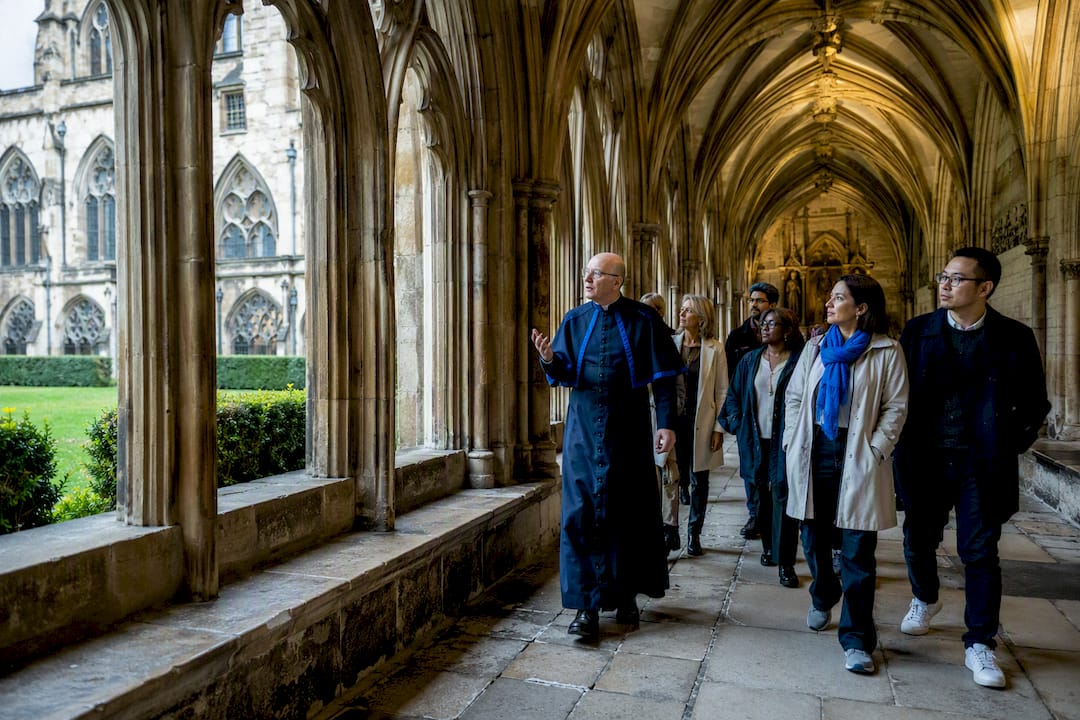
Canterbury's cathedral — the mother church of the worldwide Anglican communion — is one of the great medieval buildings of Europe. The west front, which you approach through the ancient city gates, is overwhelming in scale and detail. The interior contains the tomb of the martyred Archbishop Thomas Becket, murdered in the cathedral in 1170 and subsequently canonised, a story that drew pilgrims from across medieval Europe and inspired Chaucer's Canterbury Tales.
Beyond the cathedral, Canterbury's medieval streets contain the ruins of St Augustine's Abbey, the 14th-century Weavers' Houses along the River Stour, and a dense concentration of independent shops, cafes, and pubs that make the city one of the most pleasant in southern England to wander. The King's Mile, a pedestrianised lane connecting the cathedral to the city centre, is the best approach.
Canterbury also has one of the most attractive waterways in the south of England. The Stour Navigation — a gentle punt or rowing-boat trip through the city past willows and medieval bridges — is a completely different experience to the cathedral visit, and the combination makes Canterbury one of the most varied day trips on this list.
- Getting there: Southeastern from London St Pancras (via HS1 high-speed link) or London Bridge to Canterbury West, 60 minutes. Off-peak return from £25.
- Must-see: Canterbury Cathedral (£15 adults, suggested donation), St Augustine's Abbey (£6), river boat trip on the Stour (£12), The King's Mile (free to walk).
- Pro tip: Book the cathedral entry time slot online. On busy weekends, the queue for walk-up tickets at Canterbury Cathedral can be significant, and the slots fill up in the morning.
8. Stonehenge — 120 minutes by coach from Victoria
Stonehenge is one of those places that manages to exceed the weight of expectation placed on it. Most people know what it looks like from photographs. Very few are prepared for the actual sensation of standing inside the stone circle — the scale, the smoothness of the sarsens, the specific quality of the Wiltshire light — and coming back to the question of why it was built and who built it. The honest answer, after decades of archaeological work, is still: we do not fully know.
The new visitor centre — opened in 2013 and designed to be as invisible as possible from the monument itself — has transformed the experience. You are now taken by shuttle from the centre to within 30 metres of the stones, which eliminates the previous problem of walking a mile along a road to reach the monument. The visitor centre houses a permanent exhibition on the archaeology of the site, and the reconstructed Neolithic houses give a real sense of how the people who built the monument lived.
Stonehenge sits within the larger Stonehenge and Avebury UNESCO World Heritage Site. The Avebury stone circle — 25 miles north — is free to enter and lets you walk among the stones in a way Stonehenge no longer permits.
- Getting there: No direct train to Stonehenge. The standard approach is a coach tour from Victoria Coach Station (various operators, from £40 including entry), or train to Salisbury (90 min from London Waterloo) then Stonehenge Tour bus from outside the station (£16 return). Total journey: 2 to 2.5 hours one way.
- Must-see: The stone circle itself (English Heritage member entry £26, standard £24, booked online). The visitor centre exhibition. The Avenue approach.
- Pro tip: Stonehenge is almost completely empty at opening time (9:30am) on a weekday. Book the first slot of the day and you will have the stones almost to yourself. Sunset last-entry slots offer a very different, far more atmospheric experience — but require advance booking and a longer day.
9. Stratford-upon-Avon — 120 minutes from London Marylebone
Stratford-upon-Avon is the birthplace of William Shakespeare, which means it attracts a different kind of visitor to a conventional English market town — but the town itself is more than just the Shakespeare industry. The five historic Shakespeare properties (Birthplace, Hall's Croft, New Place, Nash's House, Anne Hathaway's Cottage) are managed by the Shakespeare Birthplace Trust and are genuinely well-run, with informative guides who manage to make Shakespeare feel immediate rather than academic.
The River Avon is the real jewel of Stratford. You can hire a rowing boat for £12 and drift downstream past the Royal Shakespeare Theatre, which has one of the best riverside settings of any theatre in Britain. The theatre itself is worth attending if there is a performance on — the RSC produces some of the finest Shakespeare in the world and the main house is an intimate 1,000-seat space with excellent sightlines.
For visitors who are not particularly interested in Shakespeare, Stratford still works. The surviving medieval and Tudor buildings that make up the historic core of the town are genuinely beautiful, and the town is at its most atmospheric early in the morning before the tour groups arrive.
- Getting there: Chiltern Railways from London Marylebone to Stratford-upon-Avon, 120 minutes. Off-peak return from £35.
- Must-see: Shakespeare's Birthplace (£24 all five houses ticket), Royal Shakespeare Company theatre (performances from £20), River Avon boat hire (£12 per hour), Holy Trinity Church where Shakespeare is buried (free entry, donations welcome).
- Pro tip: The all-five-properties ticket at £24 is good value if you plan to visit at least three of the five houses. The Holy Trinity Church entry is free and the church itself — where Shakespeare is buried — is the most emotionally resonant site in town.
10. The Cotswolds (Bibury) — 90 minutes from London Paddington
The Cotswolds covers 800 square miles of rolling limestone hills in the south Midlands — one of the most-visited rural regions in England, and one of the most genuinely beautiful. Bibury, about 90 minutes from London by train, is the village that defines the Cotswolds aesthetic in photographs: Arlington Row, the row of 17th-century weavers' cottages reflected in the River Coln, appears on virtually every English countryside calendar ever published.
The challenge with the Cotswolds as a London day trip is transport. The region is best explored by car, and without one you are dependent on buses that run infrequently and close early. Bibury is accessible by the 801 Stagecoach bus from Cirencester (which is itself reachable by train from London Paddington via Kemble), but the connections require planning. The Cotswold Direct bus from London Victoria (March to October, weekends only) goes directly to Bibury in 2.5 hours.
If you can manage the logistics, the reward is villages like Bibury, Bourton-on-the-Water, and Arlington that are genuinely unlike anywhere else in England. The honey-coloured limestone walls, the gentle streams, the rolling hills — the Cotswolds landscape is the product of centuries of low-intensity farming that created conditions that now feel almost impossibly picturesque.
- Getting there: GWR from London Paddington to Cheltenham Spa or Kemble (90 minutes), then Stagecoach bus 801 to Bibury (30 minutes). Total: 2 hours. Alternatively, the Cotswold Discoverer day ticket (March to October, weekends) covers train + bus from London Paddington for around £45.
- Must-see: Arlington Row, Bibury (free); River Coln (free); Swan Hotel gardens, Bibury (free); Bourton-on-the-Water (free to visit).
- Pro tip: The Cotswolds is a full-day trip at minimum. Focus on one or two villages rather than trying to cover ground. Bibury plus Bourton-on-the-Water in a single day is achievable and satisfying. If possible, stay one night — a pub like the Swan in Bibury or the King's Head in Bledington — and the experience transforms completely.
How to Choose the Right Day Trip for You
| If you want... | Go to... |
|---|---|
| The most beautiful architecture | Oxford or Cambridge |
| A seaside atmosphere | Brighton |
| Royal history with the shortest journey | Windsor or Hampton Court |
| The most complete historical experience | Bath |
| Medieval atmosphere | Canterbury |
| A UNESCO World Heritage site | Stonehenge or Bath |
| Shakespeare and theatre | Stratford-upon-Avon |
| Countryside scenery | Cotswolds |
| The cheapest return journey | Brighton (£16) or Hampton Court (£10) |
FAQ
What are the best day trips from London by train?
The best train day trips from London are Oxford (50 min, from £22 return), Cambridge (50 min, from £22 return), Brighton (65 min, from £16 return), and Bath (90 min, from £35 return). All offer excellent value and frequent service throughout the day. Advance booking through the relevant train operator (GWR for Oxford and Bath, Great Northern for Cambridge, Southern for Brighton) can significantly reduce costs.
What is the cheapest day trip from London?
Brighton is one of the cheapest day trips at from £16 return by train — an exceptional deal for a seaside city. Hampton Court Palace is also excellent value at from £10 return by train, with the palace free to view from outside. Windsor Castle offers free exploration of the grounds and Long Walk even without a ticket.
Can you do Stonehenge as a day trip from London?
Yes, Stonehenge is doable as a day trip from London. Allow 2 to 2.5 hours each way. The most convenient option is a coach tour from Victoria Coach Station (from £40 including entry), or train to Salisbury followed by the Stonehenge Tour bus (£16 return from Salisbury station). English Heritage member entry is £26; standard entry is £24.
Which London day trip is best for history lovers?
Bath is the best day trip for history lovers. The Roman Baths are 2,000 years old, Canterbury Cathedral dates to the 6th century, and Oxford's colleges contain medieval and Renaissance architecture of the first order. Stratford-upon-Avon offers Tudor and Elizabethan history, while Hampton Court is the essential Tudor destination.
What is the best day trip from London for families?
Windsor Castle is the best family day trip — children are engaged by the scale of the castle, the pomp of the Changing of the Guard, and the open space of Windsor Great Park. Brighton's beach and Palace Pier are also excellent for families, with fish and chips, amusements, and the sea. Hampton Court's maze is a reliable crowd-pleaser for children aged 8 and up.
What is the best month to visit these day trip destinations?
May and September offer the best combination of weather, daylight hours, and manageable crowds. July and August are peak season — the destinations are busier and accommodation costs rise significantly, but the gardens and outdoor spaces are at their best. December and January bring the lowest crowds but shorter daylight hours and reduced transport frequency on less popular routes.
Key Takeaways
- Oxford and Cambridge are the fastest escapes — 50 minutes, excellent for first-time visitors, and best on weekdays.
- Brighton is the cheapest and most characterful seaside option at from £16 return.
- Windsor and Hampton Court are the best royal history options, both under 35 minutes from central London.
- Bath is the most complete day trip — Roman history, Georgian architecture, and a good food scene.
- Stonehenge requires the most planning but rewards those who book the first or last slot of the day.
- Canterbury and Stratford-upon-Avon offer medieval atmosphere that London cannot match.
- The Cotswolds is the most beautiful countryside destination but requires transport planning.
Explore London Day Trips with London Vacation Guide
Planning your London visit? London Vacation Guide has detailed neighbourhood guides, curated listings, and practical planning tools to help you make the most of every day in the city — whether you are spending a week exploring London itself or using the city as a base for the day trips in this guide. Browse our Westminster guide for attractions near the major London stations where your day trips begin, and check our directory of listings for restaurants, pubs, and cafes near London Bridge, King's Cross, and Victoria — the departure points for most of the destinations in this guide.
Recommended
- Tips for visiting London in 2026: your expert guide — The London Journal | London Vacation Guide
- What is London street art? A cultural guide — The London Journal | London Vacation Guide
- The role of markets in London culture: a local guide — The London Journal | London Vacation Guide
- Best London neighbourhoods: unique local experiences — The London Journal | London Vacation Guide