Why visit London parks: a traveller’s guide
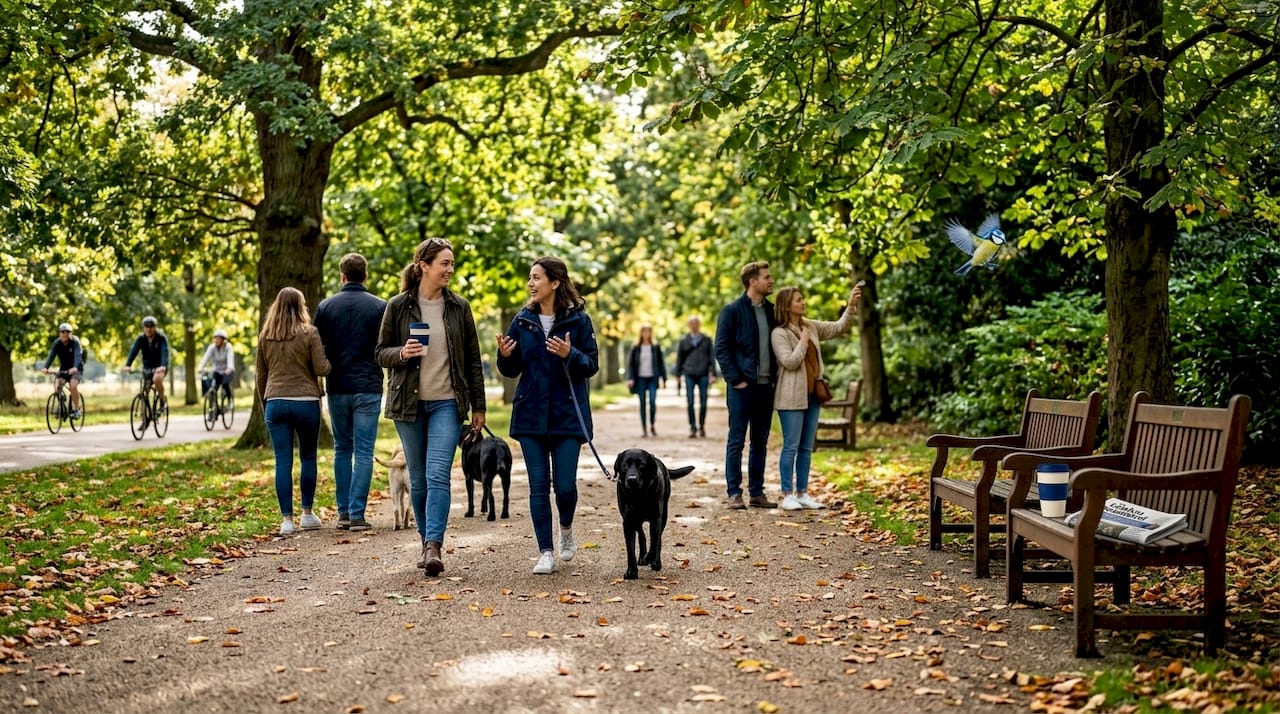
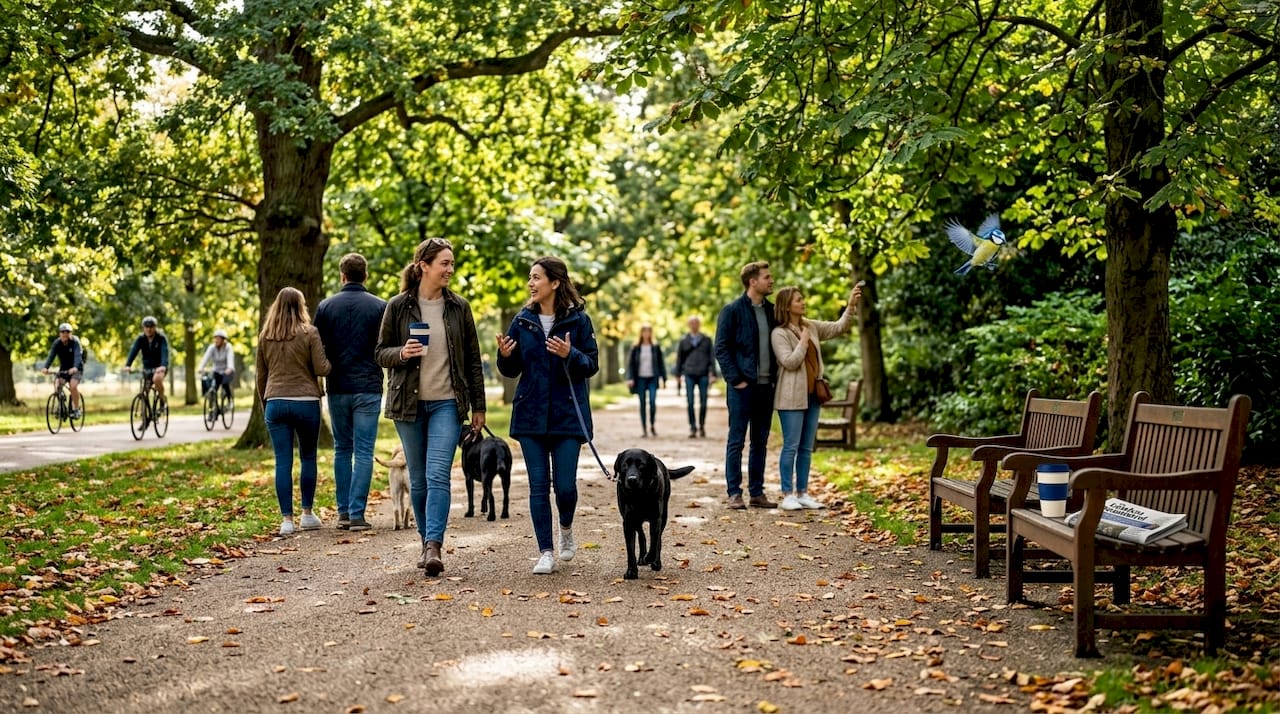
London’s parks are genuinely unlike those in any other major city, yet most tourists treat them as afterthoughts between museums and monuments. That is a mistake. Understanding why visit London parks properly means looking beyond grass and benches. These are royal grounds with centuries of public history, spaces where Victorian reformers fought for worker health, and places that today support everything from wildlife conservation to open-air opera. Whether you are travelling as a couple, a family, or a solo explorer, knowing what each park offers changes everything about how you plan your trip.
Table of Contents
- The historic roots and public importance of London’s parks
- Matching park experiences to your health and wellbeing goals
- Planning practical visits: picnic spots, wildlife rules, and seasonal access
- Where to stay nearby and best times to explore London’s parks
- Rethinking London parks: tailored experiences over generic visits
- Make the most of your London park visits with expert travel guides
- Frequently asked questions
The historic roots and public importance of London’s parks
London’s parks did not begin as public amenities. They began as hunting grounds. Henry VIII seized Hyde Park from the monks of Westminster Abbey in 1536, and for over a century it remained a private royal retreat. The shift came in 1637, when Charles I opened Hyde Park to the public, marking a turning point that would eventually lead to full public access to all eight royal parks by 1851.
That Victorian moment matters enormously. London was then the largest, most polluted industrial city on earth. Reformers and philanthropists pushed hard for green spaces as what they called “the lungs of the city,” believing fresh air and open land could counteract the miserable conditions of factory work and overcrowded slums. Parks were not luxuries. They were public health interventions. The fact that they survive today, largely intact, in the middle of one of the world’s most expensive property markets, is extraordinary.
What makes the role of parks in London so distinct from parks in other cities is the sheer variety. You are not choosing between a few similar green squares. The best London parks list spans:
- Royal Parks such as Hyde Park, Kensington Gardens, and St James’s Park, all of which carry formal heritage and ceremonial significance
- Ancient commons such as Hampstead Heath and Wimbledon Common, which retain a wilder, less manicured character
- Historic garden squares in Bloomsbury and Belgravia, many of which were originally private but are now accessible to visitors
- Botanical gardens such as Kew Gardens, a UNESCO World Heritage Site with over 50,000 living plant species
- Deer parks such as Richmond Park, which at 955 hectares is larger than the entire city of Paris’s 8th arrondissement
Each category offers a genuinely different experience. Understanding this diversity is what separates visitors who leave London thinking the parks were “nice” from those who leave with memories they actually talk about.
Matching park experiences to your health and wellbeing goals
Now that you understand the historic and social importance of parks, it is worth thinking about what you actually want from a visit. The research here is clear and often surprising. Park wellbeing benefits vary significantly depending on the type of activity and the design of the space. The same park can serve you differently on a quiet Tuesday morning than on a busy Sunday afternoon.
Nature Cities research identifies five broad categories of park wellbeing activity: physical exercise, mindfulness and stress relief, nature appreciation, social connection, and cultural engagement. The parks on the best London parks list are not equally suited to all five. Richmond Park is outstanding for nature appreciation and moderate physical exercise, but it offers almost nothing for cultural engagement. Hyde Park inverts that entirely, with the Serpentine Galleries, summer concerts, and Speaker’s Corner making it one of London’s most socially and culturally active outdoor spaces.
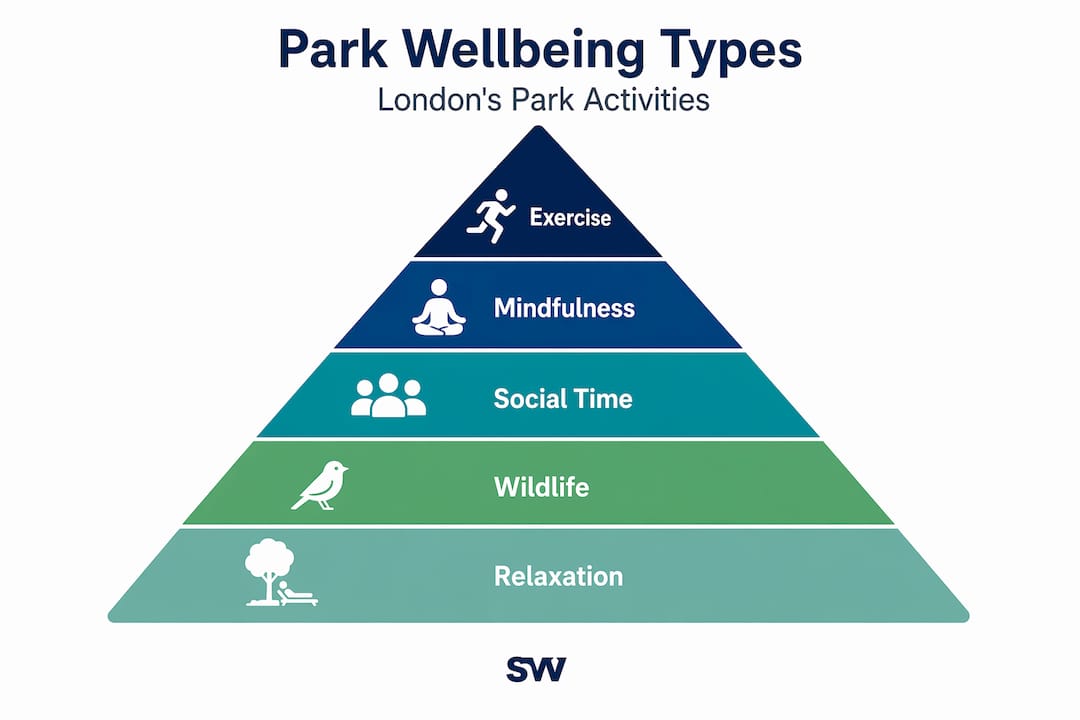
Park design and amenities also affect mental health outcomes in specific ways, particularly for women. Access to toilets, good tree canopy coverage, and on-site cafés measurably improve wellbeing outcomes for female visitors. This is not a minor detail. If you are travelling with a partner, family, or group of women, choosing parks with good facilities is not just about comfort; it has real wellbeing implications.
Here is a practical comparison of top London parks to visit, matched to different experience goals:
| Park | Best for | Key facilities | Quietest time |
|---|---|---|---|
| Hyde Park | Social, cultural, exercise | Cafés, toilets, sports hire | Early weekday mornings |
| Richmond Park | Wildlife, nature walks | Limited cafés, car parks | Midweek afternoons |
| Kew Gardens | Botanical wonder, relaxation | Multiple cafés, toilets | Early weekday mornings |
| Hampstead Heath | Wild walks, swimming | Café, lidos | Midweek mornings |
| St James’s Park | Scenic strolls, birdwatching | Café, deckchairs | Early mornings |
| Regent’s Park | Families, gardens, sport | Multiple cafés, toilets, zoo access | Weekday midmornings |
For families, Regent’s Park stands out because the adjacent ZSL London Zoo means you can combine a morning in the park with an afternoon at one of London’s best family attractions. For couples, St James’s Park offers the most romantic urban landscape in the city, with its lake views directly framing Buckingham Palace.
Pro Tip: If you are focused on relaxation and mindfulness rather than sightseeing, prioritise parks with high tree canopy coverage such as Hampstead Heath or the Isabella Plantation section of Richmond Park. These enclosed, wooded areas genuinely quieten the senses in a way open lawns cannot. You can find more ideas for London parks in spring when the seasonal colour intensifies every one of these experiences.
Planning practical visits: picnic spots, wildlife rules, and seasonal access
With wellbeing goals in mind, practical planning ensures your outdoor experience in London’s parks is safe and enjoyable. A few specific rules catch tourists off guard every year, and knowing them in advance prevents real frustration.
Picnics in London parks: what you need to know
Most of the royal parks allow you to picnic freely on the grass. The rules become more specific at ticketed venues. At Kew Gardens, for example, you may bring your own food for picnics anywhere in the grounds, but if you want to sit at a café table, you are expected to purchase something there. That is a fair and practical distinction. Pack a rug, bring your own food, and you can spend an entire day at Kew without spending beyond the entry fee.
A good London parks picnic guide approach:
- Pack food before you arrive. Supermarkets near most major parks (Waitrose near Hyde Park, Sainsbury’s near Hampstead Heath) are convenient and much cheaper than park kiosks.
- Bring a compact travel rug. Park grass can be damp even on sunny days.
- Check for ticketed events in advance. Summer concerts at Hyde Park or Kenwood House often section off large areas of otherwise open land.
- Carry your rubbish out. All royal parks request this, and bins fill quickly at peak times.
Wildlife safety rules you cannot ignore
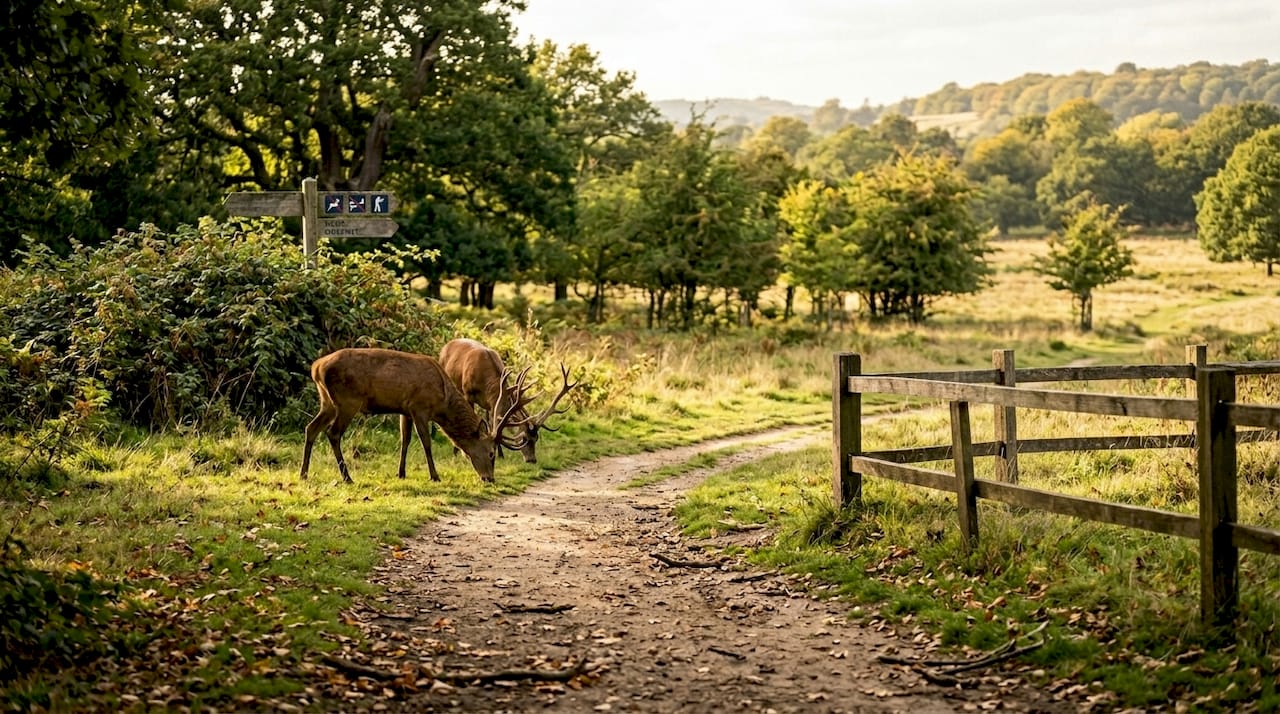
Richmond Park and Bushy Park are home to free-roaming red and fallow deer, and this creates real safety implications. Dogs must be kept on leads in both parks from 1 May to 31 July during deer birthing season. This is not a suggestion. Deer protecting their fawns can injure both dogs and people. Even outside the birthing season, keep at least 50 metres from any deer. Male deer during the autumn rut in October can be actively dangerous.
Seasonal access and closures
Parks including Primrose Hill, Richmond, and Hyde Park have adjusted closing times over the New Year’s Eve period. Primrose Hill, one of the most popular spots for watching London’s fireworks from a distance, closes at specific times to manage crowds safely. If you are visiting over the festive period, check the Royal Parks website before heading out.
Pro Tip: Combine your park visit with one of the excellent London walking tours that incorporate green spaces. Many guided walks thread through Hyde Park, St James’s, and Green Park in a single route, giving you historical context while covering multiple parks in a few hours. This is far more rewarding than visiting each park in isolation. For detailed planning on London day trips that include parks outside the city centre, specialist guides are worth consulting.
Where to stay nearby and best times to explore London’s parks
After knowing how to plan your visit, choosing when and where to stay enhances your London parks experience considerably.
When to go
The best time to visit Kew Gardens is early on weekday mornings, well before the tour groups arrive. This advice applies broadly across most of the top London parks. Hyde Park at 7am on a Tuesday feels like a private estate. By 11am on a Saturday in July, it feels like a festival.
Spring and autumn are when London’s parks genuinely outperform summer. Spring brings the cherry blossoms along the Broad Walk in Kensington Gardens, the daffodil fields at St James’s, and the azaleas at Isabella Plantation in late April and early May. These are genuinely spectacular, and the lighter crowds in April compared to August make the experience far more personal. Autumn offers the golden beech and oak canopies in Hampstead Heath and Richmond Park, with mist off the Thames on cool mornings that creates an atmosphere no camera quite captures.
Where to stay for easy park access
Your neighbourhood choice in London affects which parks you use most naturally. Here are the best-positioned areas:
- Richmond: Directly adjacent to Richmond Park and within easy reach of Kew Gardens. Ideal for visitors prioritising nature, wildlife, and the quieter end of the city. The village has excellent restaurants and independent cafés.
- Bloomsbury: Puts you within walking distance of Regent’s Park to the north and the Bloomsbury garden squares immediately around you. Also perfectly placed for the British Museum, which makes Bloomsbury the natural base for visitors combining cultural and outdoor time.
- Victoria: Gives you a ten-minute walk to St James’s Park and Buckingham Palace, and easy access to both Hyde Park and Green Park. It suits first-time visitors well because so much of central London is walkable from here.
Pro Tip: In Richmond, the walk from Richmond Hill down through Petersham Meadows to Ham House is one of the most beautiful short walks in England. It costs nothing, takes about 45 minutes, and most visitors to London have never heard of it. Pair it with lunch at one of Richmond’s riverside pubs for a genuinely memorable afternoon.
Rethinking London parks: tailored experiences over generic visits
Here is the perspective most travel articles will not give you. The typical tourist treats London parks as interchangeable: a bit of grass between attractions, somewhere to eat a sandwich, a backdrop for photographs. That approach wastes one of the most genuinely extraordinary sets of public spaces anywhere on earth.
The research on parks and wellbeing by gender and activity type reveals something that the “just go for a walk” advice completely misses: different people need different things from a park, and the design of that park either supports or undermines their experience. A woman visiting a park with poor toilet provision, no café, and no tree cover is not going to experience the same mental health benefit as one visiting a park with all three. Knowing this before you choose your park is not overthinking. It is basic planning.
The seasonal safety rules at wildlife parks like Richmond are treated by many tourists as a minor technicality. They are not. Every summer, dog attacks on deer and resulting injuries to visitors make headlines. These rules exist because large wild animals in an urban context are genuinely unpredictable. Tourists who grew up in cities without wildlife parks genuinely underestimate this. Respect the rules, keep your distance, and the experience of watching a herd of wild deer move through ancient woodland inside Greater London is something you will not forget.
Finally, planning around closures and crowd peaks is the difference between a park visit that feels transcendent and one that feels like queuing for a tube carriage but outdoors. London’s parks reward visitors who approach them with the same intentionality they bring to booking a restaurant or choosing a museum. You can find detailed ideas for putting this into practice in our London picnic tips guide, which covers both the planning and the atmosphere that makes a park lunch genuinely special.
The bottom line: stop treating London parks as a single category. They are not. Each one is a distinct experience, and the most rewarding visits come from matching the park to your specific goals that day.
Make the most of your London park visits with expert travel guides
London Vacation Guide brings together everything you need to plan outdoor experiences that go well beyond a standard green-space wander. From our first-time visitors guide that weaves parks into broader London itineraries, to detailed neighbourhood guides for Richmond and Bloomsbury that place you right next to the parks that suit your interests, our resources are built for travellers who want more from their trip. You will find accommodation recommendations, insider tips on combining cultural visits with outdoor relaxation, and seasonal guidance to help you visit at exactly the right moment. Let us do the planning so you can focus on the experience.
Frequently asked questions
Can visitors bring their own food for picnics in London parks?
Yes, most London parks including Kew Gardens allow picnics throughout their grounds, though sitting at on-site café tables usually requires purchasing something from the café itself.
Are there special rules for walking dogs in London’s parks?
Yes, in parks like Richmond and Bushy, dogs must be on leads from 1 May to 31 July during deer birthing season to protect fawns and prevent injury to visitors and their pets.
Which months are best for visiting London parks to avoid crowds?
Early weekday mornings in spring and autumn offer the best balance of quieter crowds and seasonal beauty, with April and October being particularly rewarding across most of the city’s major parks.
Are any London parks closed during New Year’s Eve?
Yes, parks including Primrose Hill have early closing times over the New Year’s Eve period, with Primrose Hill closing at 8pm on 30 December and reopening at 6am on 1 January. Check the Royal Parks website before visiting during the festive period.
Recommended
- London for First-Time Visitors: The Essential Guide | London Vacation Guide
- Best Free Things to Do in London (2025 Guide) - The London Journal | London Vacation Guide
- Why visit London in spring? Insider tips for US travellers - The London Journal | London Vacation Guide
- Plan your perfect London vacation: tips for US visitors - The London Journal | London Vacation Guide